

 Katso seinällä
 Lähetä
 Jaa
Jaa
 Tarkemmat tiedot
 Opas
Opas

 Lataa kuva
 Samanlaisia kohteita
 Röntgenkuvaus
 Diaesitys
 Tilastot
Crossing the Bridge
 Oil On Canvas
- WallArt
- Rococo Elegance
 1730
1730- Early Modern
 59.0 x 72.0 cm
 Ermitažin museo
 Lue lisää
Käsinmaalattu öljyvärinen jäljennös
Käsinmaalattu öljyväri kankaalle haluamassasi koossa ja kehyksissä, taiteilijoidemme valmistamana tilauksesta. ( Vaihda tulosteeseen Siirry digitaaliseen kuvaan)




P118B €10

P118H €10

P118W €10

P438Z €10

P508JH €12

P508YH €12

P805H €10

P805Z €10

P919BZ €10

P919G €10

P919XJ €10

P959ZH €10

P968JZ €12

W106C €8

W218G €10

W218JH €8

W218Y €10

W307PJ €10

W316G €10

W316PJ €8

W316Y €10

W398PJ €8

W4111J €10

W500HY €15

W500JH €15

W692G €12

W849H €8

W940BG €15

W953PJ €8




Valitse valmiista mitoistamme sellaiset, jotka vastaavat teoksen alkuperäisiä mittasuhteita.

Kirjoita tarvitsemasi leveys ja korkeus, jotta teos sopii kehyskehyksiisi tai seinällesi. Koska kyseessä on käsinmaalattu teos, taiteilija voi maalata hieman enemmän kuvan ympärille tai rajata sitä hieman, jos haluat eri muotoisen koon — valinta on sinun. Lähetämme sinulle digitaalisen mallikuvan hyväksyttäväksi ennen kuin maalaus alkaa. Tällä sivulla näkyvä kuva ei vastaa lopullista tulosta — vain mallikuva näyttää sen.
Tilauksen jälkeen OriginalUniqueArt.com -tiimi lähettää asiakkaalle sähköpostitse ohjeet ja esikatselukuvan.
Maailmanlaajuinen toimitus () 3–4 viikossa tavallisen 5 viikon sijaan. (23 lokakuu). Laadusta ei tingitä.

Ilmainen pikatoimitus ympäri maailman

Korkealaatuinen pellavakangas

Kattava kuljetusvakuutus

Tulliveron palautustakuu

Takuu täydellisestä värien vastaavuudesta

100 päivän palautusoikeus valmistusvirhetapauksissa

100% rahat takaisin -takuu

Määräalennus saatavilla
 Lasivaihtoehto on saatavilla vain alle 110 cm kokoisille teoksille

Crossing the Bridge
Reproduktiotapa
Replikaatin koko
-


Kokonaishinta
€ 263
A Pastoral Dream in Pastel: The Enchantment of Crossing the Bridge
In the soft, luminous glow of the 18th century, few artists captured the ephemeral beauty of a summer afternoon as masterfully as François Boucher. His work, "Crossing the Bridge," serves as a breathtaking window into the Rococo era—a period defined by an unapologetic pursuit of grace, leisure, and aesthetic delight. At first glance, the viewer is transported to an idealized countryside, where the stresses of urban life dissolve into a tranquil tableau of pastoral serenity. A woman, moving with effortless poise, leads her horse and sheep across a weathered stone bridge, her journey mirrored by the slow, rhythmic presence of grazing cows and a watchful dog. This is not merely a landscape; it is a carefully orchestrated symphony of movement and stillness, designed to evoke a sense of profound peace and aristocratic nostalgia.
< p>The composition itself is a masterclass in balance and visual storytelling. Boucher employs a sophisticated pyramidal structure, anchoring the eye with the imposing silhouette of a majestic castle perched atop a distant hillside. This architectural weight provides a sense of permanence that contrasts beautifully with the fleeting, delicate nature of the foreground elements. The bridge acts as more than just a physical path; it serves as a narrative conduit, guiding the observer’s gaze from the intimate details of the animals and the traveler toward the grand, aspirational heights of the fortress. Through this clever arrangement, Boucher creates a sense of depth that invites the viewer to step into the canvas, wandering through the lush greenery and feeling the warmth of the sun-drenched landscape.Technique and the Radiance of Rococo Light
To behold "Crossing the Bridge" is to witness the pinnacle of Rococo technique. Boucher was a virtuoso of trompe l'oeil effects, utilizing meticulous layering of pigments to breathe life into textures that feel almost tactile. One can almost sense the coarse wool of the sheep, the sturdy grain of the stone bridge, and the velvet softness of the meadow grass. His palette is famously ethereal, dominated by a romantic spectrum of pinks, peaches, and lavenders. These pastel hues do not merely decorate the scene; they bathe it in an atmospheric light that softens the edges of reality, creating a dreamlike quality that is both captivating and soothing.
The artist’s brushwork remains a subject of profound admiration for collectors and historians alike. While his strokes are delicate enough to capture the subtle gradations of a cloud or the gentle ripple of water, they possess an underlying confidence that lends the scene its vitality. This balance between precision and fluidity is what allows the painting to transcend mere imitation of nature, instead offering an elevated, idealized version of it. For the interior designer or the discerning art lover, this piece offers a unique opportunity to introduce a sense of historical grandeur and luminous warmth into a space, acting as a focal point that radiates elegance and timeless charm.
A Legacy of Elegance for the Modern Collector
Beyond its aesthetic brilliance, "Crossing the Bridge" carries the weight of historical significance. Created in 1730, during the reign of Louis XV, the painting reflects the cultural values of a society that found beauty in the pastoral and the idyllic. The inclusion of livestock is not merely incidental; it pays homage to the agricultural foundations of French life, reimagined through a lens of aristocratic refinement. It is a celebration of a world where nature and civilization exist in perfect, harmonious equilibrium.
For those seeking to adorn their homes or galleries with works of profound emotional impact, a high-quality reproduction of this Boucher masterpiece offers more than just decoration. It provides an infusion of culture and a constant reminder of the enduring power of beauty. Whether placed in a sunlit morning room or a sophisticated study, "Crossing the Bridge" continues to inspire awe, offering a quiet sanctuary of color and light that remains as relevant and enchanting today as it was three centuries ago.
Kysymykset ja vastaukset
Mihin huoneeseen Françoise Boucher:n "Crossing the Bridge" suositellaan?
Françoise Boucher:n "Crossing the Bridge" on suositeltava Living Room-tilaan. Tämä suositus perustuu teoksen aiheeseen, väreihin ja tunnelmaan.
Mistä "Crossing the Bridge" on valmistettu?
"Crossing the Bridge" on toteutettu tekniikalla Oil On Canvas.
Onko Françoise Boucher:n "Crossing the Bridge" vaalea vai tumma teos?
"Crossing the Bridge" on kokonaisuutena shadow, ja sen luminanssi on Soft Shadow.
Taiteilijan elämäkerta
François Boucher: Rococo’n Lumous Sydän
François Boucher (1703-1770) ei ollut pelkästään ranskalainen taidemaalari, vaan koko aikakauden tunnistettava ilmentymä. Hänen työnsä vangitsee 1800-luvun alun Ranskan rokokoo-tyylin kauneuden ja keveän eleganssin – kuin aamukasteen heijastuksenanainenpuutarhassa. Boucher oli mestari luomaan maailman, jossa miellyttävä elämä, jumalaiset ihanteet ja sensuellit tunteet tanssivat harmoniassa, ja hänen vaikutuksensa ulottuu edelleen taiteen historian syvyyksiin.
Varhainen Elämä ja Taidon Aloitus
François Boucher syntyi Pariisissa 29. syyskuuta 1703, ja hänen taiteellinen matkansa alkoi isänsä, Jean Boucherin, johdolla. Jean oli itsekin tunnettu maalarinpoika, ja hän opetti pojalleen perusteet värien hallinnasta ja muodon luomisesta. Nuorella iällä, 17-vuotiaana, Boucher sai huomion François Lemoynestä, merkittävältä taidemaalariyrittäjältä, mikä avasi hänelle oven maailman tunnetuimpaan akateemiseen piiriin. Hänen taitonsa kehittyivät edelleen työskennellessään kaivertajan Jean-François Carsin kanssa, ja lopullinen virstanpylväs saavuttiin vuonna 1720 voittamalla arvostetun Prix de Rome’n – kunnianosoituksen, joka avasi hänelle oven Rooman taideakatemian ovista.
Rooman Aikakausi ja Taiteellisen Äänen Muotoutuminen
Rooma oli 1800-luvun alun taidemaailmalle keskeinen paikka, ja Boucher hyödensi täysin mahdollisuutta opiskella siellä. Rooman akatemiassa hän tutustui renessanssin mestareihin, mutta samalla hän alkoi kehittää omaa, ainutlaatuista tyyliään. Hänen työnsä oli täynnä herkkyyttä, hienovaraisia värejä ja upeaa liikettä – piirteitä, jotka muistuttavat hänen inspiraatioistaan, kuten Jacques-Louis Davidin ja Nicolas Lancretin töistä. Rooman ajasta tuli hänelle merkittävä, jossa hän vahvisti taiteellista identiteettiään ja alkoi luoda teoksia, jotka olivat tyylillisesti ja sisällöllisesti edellä aikansa.
Rokokoo Pariisissa: Kuninkaallinen Suosio ja Taiteellinen Vaikutus
Boucher palasi Pariisiin Rooman jälkeen ja sai välittömästi akateemisen tunnustuksen. Hänet hyväksyttiin Royal Academiin vuonna 1731, ja hänen ensimmäinen näyttelynsä, "Rinaldo ja Armida" (1734), oli heti menestys. Teos osoitti Boucherin kyvyn luoda dramaattisia ja tunteellisesti latautuneita kohtauksia, jotka olivat täynnä rokokoo-tyylin hienostuneisuutta ja sensuaalisuutta. Hänen suosiotaan vahvisti merkittävästi Madame de Pompadour, kuningas Ludvig XV:n rakastettava, joka oli Boucherin tärkein asiakas ja inspiraation lähde. Hän suunnitteli teoksia Pompadourille, mukaan lukien tapetteja, posliinia ja jopa lavastuksia Versailles’n palatsiin.
Teokset ja Teemat: Mytologia, Ilo ja Sensuaalisuus
Boucherin tuotanto on monipuolinen ja kattaa laajan kirjon aiheita. Hänen tunnetuimpia teoksiaan ovat "Aamiaispaikka" (1739), joka kuvaa hienovaraista kodinsirkusta, "Venus triumfeissa" (1740-1751) – sarja mytologisia maalauksia, jotka osoittavat hänen mestaruuttaan tarinankerronnassa ja värien käytössä, sekä lukuisat muotokuvat Madame de Pompadourista. Hän myös loi kauniita maisemakuvia, kuten "Auringonlasku", joissa luonto kuvataan idyllisessä valossa. Boucherin teoksissa toistuvat usein rakkaus, kauneus, lepo ja myyttinen maailma – kaikki yhdistettynä hienostuneeseen eleganssiin ja sensuelliseen tunnelmaan.
Perintö ja Vaikutus
François Boucher ei ollut vain lahjakas taidemaalari, vaan myös merkittävä vaikuttaja taiteen kehitykseen. Hän suunnitteli teattereihin lavastuksia ja puvustuksia, loi tapetteja Gobelinin valmistuslaitoksille ja osallistui posliinitehtaiden suunnitteluun. Hänet nimitettiin vuonna 1765 *Premier Peintre du Roi* – kuninkaan ensisijainen taidemaalari – mikä vahvisti hänen asemaansa Ranskan rokokoo-tyylin johtavana taiteilijana. Vaikka myöhemmät kriitikot kyseenalaistivat rokokoon pinnallisuuden, Boucherin vaikutus on edelleen havaittavissa monien seuraajien töissä, kuten Jean-Honoré Fragonardin teoksissa.
Yhteenveto
François Boucher oli 1800-luvun alun Ranskan taiteen keskeinen hahmo. Hänen työnsä on edelleen inspiraation lähde ja osoitus rokokoo-tyylin hienostuneisuudesta, sensuaalisuudesta ja kauneudesta. Hän oli taidemaalari, joka pystyi vangitsemaan aikansa tunnelman ja luomaan teoksia, jotka ovat edelleen yhtä ihailtuja kuin heidän valmistumisensa aikaan.

Françoise Boucher
1703 - 1770 , Ranska
Tietoa taiteilijasta
- Artistic Movement Or Style: Rokoko
- Artists Or Movements Influenced By This Artist: ['Jean-Honoré Fragonard']
- Artists Who Influenced This Artist:
- François Lemoyne
- Jean-François Cars
- Date Of Birth: 29. syyskuuta 1703
- Date Of Death: 30. toukokuuta 1770
- Full Name: François Boucher
- Nationality: Ranskalainen
- Notable Artworks:
- Rinaldo ja Armida
- Aamiaiset
- Venus voitto
- Place Of Birth: Pariisi, Ranska
Aiheeseen liittyvät artikkelit
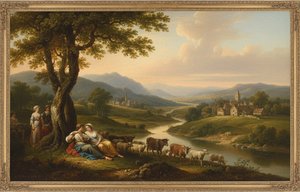
Idyllic Visions: Exploring the Pastoral Tradition in Western Art – Themes, Techniques & Enduring Appeal
Explore the rich history of pastoral art from classical Arcadia to contemporary interpretations. Discover key artists, themes & collecting tips at OriginalUniqueArt.

Rokokoon mestariteokset: Taidetta ja eleganssia kotiisi – OriginalUniqueArt.com
Uppoudu rokokoon maailmaan! Tutustu 10 mestariteokseen – Fragonard, Watteau ja muut. Taidetta, eleganssia & inspiraatiota kotiisi. Laadukkaat taideprintit OriginalUniqueArt.com:ssa. Explore the full collection online!
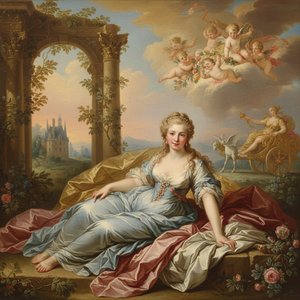
François Boucher: Rococo Master of Myth, Sensuality, and the French Court
Explore the captivating world of François Boucher, master of Rococo painting! Discover his iconic works, aristocratic patronage, and lasting influence on French art history. Learn more at OriginalUniqueArt.

Idyllic Visions: Exploring the Pastoral Scene in Art History – From Arcadia to Modern Interpretations
Explore the captivating history of pastoral art from classical Arcadia to modern masterpieces. Discover key artists like Millet & Cole at OriginalUniqueArt. Find serene landscape paintings for your home.

The Rococo Aesthetic: Opulence, Rebellion & the Pursuit of Pleasure in 18th-Century Art
Explore the opulent world of Rococo art! Discover its origins, key artists like Watteau & Boucher, and lasting influence on design. Expert insights for collectors & enthusiasts.

