
 Esikatselu
 Jaa
Jaa Jaa
Jaa
 Tarkemmat tiedot

 Lataa
Lataa
 Samanlaisia
 Röntgenkuva
 Diaesitys
Untitled (737)

 Näytä lisää
Käsinmaalattu öljykopio
Käsinmaalattu öljyväri kankaalle haluamassasi koossa ja kehyksissä, taiteilijoidemme valmistamana tilauksesta. ( Osta printti Osta kuva)




































Valitse valmiista mitoistamme sellaiset, jotka vastaavat teoksen alkuperäisiä mittasuhteita.

Voit syöttää omat mitat sopimaan tiettyyn kehykseen tai tilaan. Jos valitsemasi koko ei vastaa alkuperäisen kuvan mittasuhteita, rajaamme taideteoksen tai jatkamme maalausta käsin maalatuilla elementeillä. Digitaalinen esikatselu lähetetään hyväksyttäväksi ennen tuotannon aloittamista.
Huomioithan, että näytöllä oleva esikatselu ei vastaa todellista rajausta tai jatkamista. Vain digitaalinen mallikuva näyttää lopullisen sommittelun tarkasti.
Vaikka mittatilaustyöt ovat mahdollisia, suosittelemme valitsemaan mitan ennalta määritetystä listasta alkuperäisten mittasuhteiden säilyttämiseksi.
Tilauksen jälkeen OriginalUniqueArt.com -tiimi lähettää asiakkaalle ohjeet ja esikatselukuvan.
Maailmanlaajuinen toimitus () 3–4 viikossa tavallisen 5 viikon sijaan. (21 elokuu). Laadusta ei tingitä.

Ilmainen pikatoimitus ympäri maailman

Korkealaatuinen pellavakangas

Kattava kuljetusvakuutus

Tulliveron palautustakuu

Täydellinen värien vastaavuustakuu

60 päivän palautusoikeus (vain valmistusvirheet)

100% rahat takaisin -takuu

Määräalennus tarjous
 Lasivaihtoehto on saatavilla vain alle 110 cm kokoisina teoksina

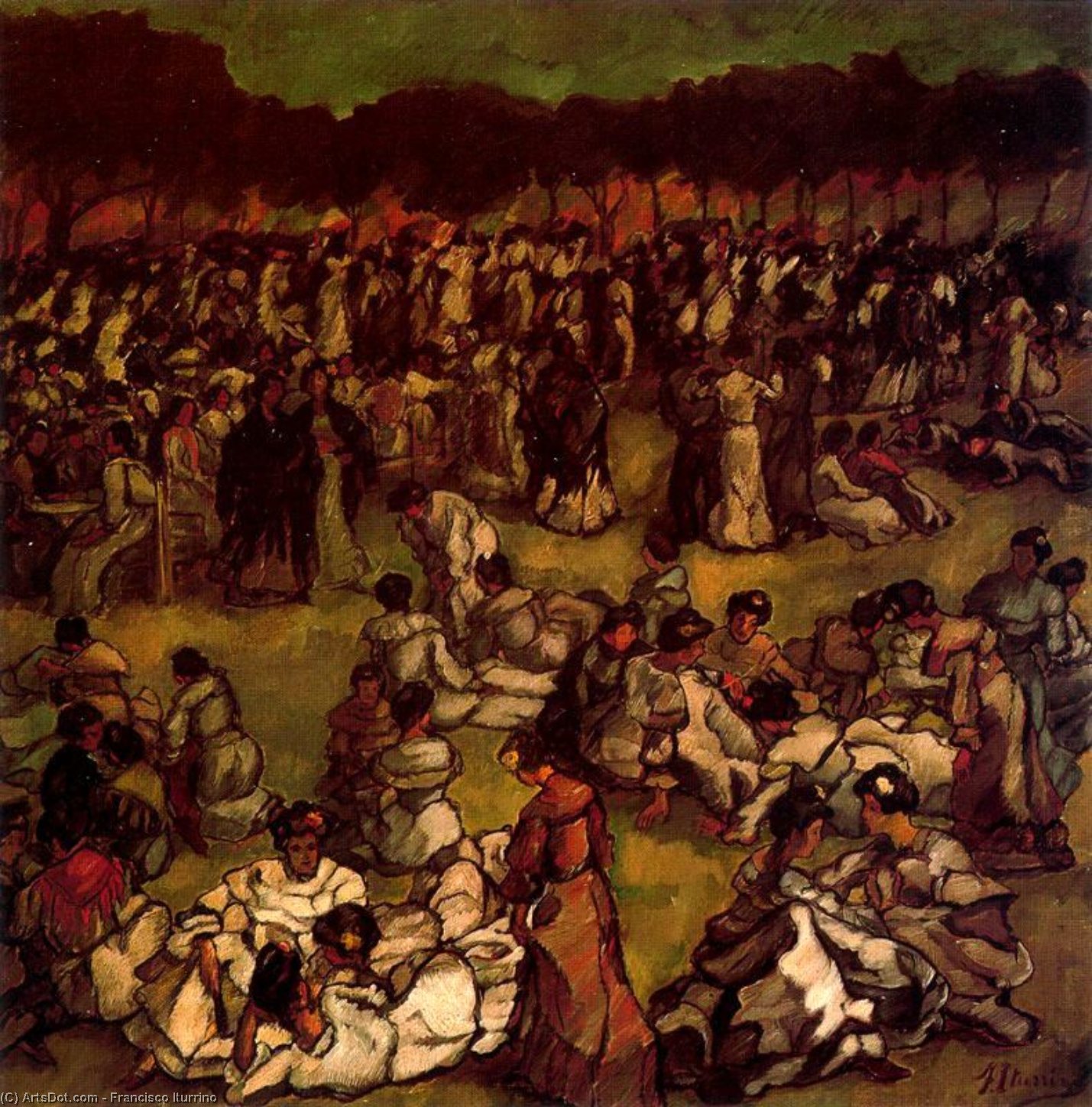
Untitled (737)
Reproduktiotekniikka
Replikaatin koko
-


Kokonaishinta
$ 450
Taiteilijan elämäkerta
A Life Painted in Vibrant Hues: The World of Francisco Iturrino
Francisco Nicolás Iturrino González, born in Santander, Spain, in 1864, was an artist whose life unfolded as a passionate exploration of color and light. His journey began not with brushes and canvases, but with the pragmatic pursuit of engineering studies in Liège, Belgium. However, this path proved too restrictive for a soul drawn to the expressive power of art. Secretly abandoning his academic pursuits, Iturrino ventured to Brussels, enrolling at the Académie Royale des Beaux-Arts and embarking on a career that would see him navigate the evolving currents of Post-Impressionism and Fauvism. His early artistic education was subtly shaped by his uncle, Elviro González, a multifaceted figure—poet, painter, and musician—who instilled in Iturrino an appreciation for creative expression from a young age. The move to Paris proved pivotal, where he honed his skills alongside Henri Evenepoel, a fellow artist who would remain a lifelong friend and collaborator. This period marked the genesis of a style that would become distinctly his own, characterized by bold color choices and a dynamic approach to composition.Forging a Unique Artistic Voice: Influences and Development
Iturrino’s artistic development was profoundly influenced by the vibrant atmosphere of late 19th and early 20th-century Europe. Initially, his work resonated with the principles of Impressionism and Post-Impressionism, absorbing their techniques for capturing fleeting moments of light and color. Yet, he swiftly recognized the limitations of these approaches and embarked on a daring experiment—a decisive embrace of Fauvism. This stylistic shift wasn’t merely superficial; it represented an emotional response to his surroundings, mirroring the turbulent spirit of the era. A particularly formative relationship fueled this evolution: his unwavering friendship with Henri Matisse. The two artists spent considerable time together, fostering intellectual exchange and sharing artistic techniques that would indelibly shape their respective creative trajectories. Their collaboration extended beyond mere companionship—they actively challenged conventional artistic conventions, prioritizing emotional intensity over meticulous realism. Iturrino’s encounter with Pablo Picasso further enriched his artistic repertoire, culminating in a joint exhibition at Ambroise Vollard’s gallery in 1901 – an event that cemented his position as one of the foremost avant-garde artists of the time. His travels throughout Spain and France were not simply geographical excursions but immersive experiences that infused his canvases with the essence of each locale. Andalusia, with its dramatic landscapes and rich cultural heritage, captivated him, becoming a recurring subject in his paintings. He skillfully captured the grandeur of Moorish architecture, the vibrancy of flamenco music, and the solemn beauty of religious processions—all rendered with an increasingly bold palette.Exploring Iturrino’s World Today
Today, Francisco Iturrino's works can be found in prominent museums and private collections across continents. Institutions like the Fine Arts Museums of San Francisco and Museo Carmen Thyssen Málaga showcase his paintings, offering visitors a captivating glimpse into his artistic universe. His pieces are not merely historical relics; they are vibrant expressions of an era defined by artistic innovation and emotional fervor.- Admire “Untitled (737),” a monumental landscape depicting the Basque countryside with masterful use of color and texture—a testament to Iturrino’s ability to convey profound emotion through visual form.
- Delve into “Untitled (296),” a striking nude portrait that exemplifies Iturrino's exploration of human anatomy and his daring experimentation with chromatic hues.
- Lose yourself in the ethereal beauty of “Untitled (146),” a captivating depiction of women adorned in white robes—a masterpiece showcasing Iturrino’s meticulous attention to detail and his evocative artistic vision.
Recognition and Resilience: A Career Marked by Triumph and Adversity
Throughout his artistic career, Iturrino actively sought opportunities to showcase his work, participating in numerous exhibitions across Europe. The Salon des Artistes Indépendants in Paris, the Société Nationale des Beaux-Arts, and the Salon d’Automne provided platforms for him to engage with a wider audience and establish himself as a respected artist within the Parisian art scene. Notably, his collaboration with Pablo Picasso at Vollard’s gallery in 1901—a pivotal moment that solidified his position among the vanguard—marked an undeniable triumph. He continued to refine his technique and expand his artistic horizons, embracing influences from Impressionism, Post-Impressionism, and the burgeoning Nabis movement. His unwavering dedication to art was underscored by his enduring friendship with Henri Matisse, who served as a constant source of inspiration and intellectual stimulation. Despite facing considerable challenges—including debilitating illness in 1920 resulting in amputation—Iturrino persevered with remarkable fortitude, demonstrating an indomitable spirit that resonated throughout his life. The outpouring of support from fellow artists—particularly Élie Faure’s organized exhibition at Galerie Rosenberg—highlighted the profound appreciation for Iturrino's artistic contribution and reaffirmed his place as a beacon of creativity within the art world.A Lasting Legacy: Iturrino’s Place in Art History
Francisco Iturrino died peacefully in Cagnes-sur-Mer, France, in 1924 at the age of 59—a poignant end to a life devoted to artistic exploration and expression. His enduring influence on subsequent generations of painters is undeniable; he stands as a symbol of unwavering conviction—a refusal to compromise artistic integrity for commercial considerations or stylistic conformity. He remains celebrated as one of the foremost Fauvist artists, whose bold color palettes and dynamic compositions continue to captivate audiences worldwide. His canvases serve as timeless reminders that true artistry lies in conveying emotion with uncompromising honesty—a principle that continues to inspire artists today. Iturrino’s contribution to Basque art history is equally significant; he elevated the visual arts to new heights, capturing the spirit of his homeland and enriching the cultural heritage of Spain. His artistic legacy endures not merely as a collection of paintings but as an embodiment of creative courage—a testament to the transformative power of pursuing one's passions with unwavering determination.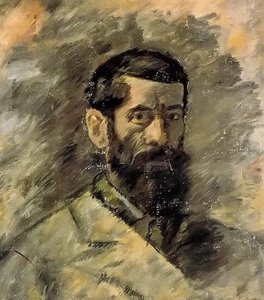
Francisco Iturrino
1864 - 1924 , Espanja
Pikatiedot
- Artistic Movement Or Style: Post-Impressionism, Fauvism
- Artists Or Movements Influenced By This Artist: ['Pablo Picasso']
- Artists Who Influenced This Artist:
- Henri Matisse
- Henri Evenepoel
- Date Of Birth: 9 september 1864
- Date Of Death: 20 june 1924
- Full Name: Francisco Nicolás Iturrino González
- Nationality: Spanish
- Notable Artworks:
- Untitled (737)
- Untitled (296)
- Untitled (146)
- Place Of Birth: Santander, Spain
Liittyvät artikkelit

Francisco Goya: 25 mestariteosta – Taidetta kotiisi OriginalUniqueArtilta
Tutustu Francisco Goyan 25 mestariteokseen! Uppoudu espanjalaisen taiteen historiaan, romanttisiin maalauksiin ja vaikuttaviin muotokuviin. Löydä täydellinen seinätaide kotiisi OriginalUniqueArtilta – korkealaatuiset reproduktiot ja inspiroivat sisustusideat. Tutki kokoelma verkossa!
Beyond the Brush: How Post-Impressionism Recharged Modern Art with Bold Color and Raw Emotion
Dive into the high-energy revolution of Post-Impressionism. Discover how masters like Cézanne and Van Gogh traded fleeting light for bold colors and raw emotion, forever recharging modern art with the vibrant, structural intensity that defines today's most iconic visual aesthetics.

Valon ja värien vuosisata: Impressionismi vs. postimpressionismi vaativan keräilijän silmin
Syväluotaus impressionismin ja postimpressionismin maailmaan kokeneiden taidehistorioitsijoiden johdolla. Opas vaativille keräilijöille arvonmäärityksestä sijoituspotentiaaliin.

Postimpressionismin mestariteokset: Taidetta, joka muutti maailmaa – OriginalUniqueArt.com
Tutustu postimpressionismin 10 mestariteokseen! Van Gogh, Monet, Cézanne ja muut taiteen ikonit. Inspiroivia tarinoita, tekniikoita ja värejä. Löydä upeita taideprinttejä kotiisi OriginalUniqueArt.comista – museo-laatuista seinätaidetta.
The Revolution of Color and Emotion: A Definitive Exploration of Post-Impressionism
Explore the profound revolution of Post-Impressionism. Delve into the history, techniques, and emotional depth of masters like Van Gogh and Seurat. Discover how to transform your space with museum-quality, hand-painted oil reproductions of these iconic masterpieces.

