
 Esikatselu
 Jaa teos
 Jaa
Jaa
 Tiedot
 Opas
Opas

 Lataa kuva
 Samanlaisia kohteita
 Röntgenkuvaus
 Diaesitys
 Q&A
Q&A Tilastot
St John the Baptist

- 83.0 x 70.0 cm


 Lue lisää
Giclée- ja taideprintit
Museolaatuisia giclée- tai kankaitaulun tulosteita nopealla tuotannolla ja joustavilla viimeistelyvaihtoehdoilla. ( Osta käsinmaalattu taideteos Siirry digitaaliseen kuvaan)




P118B €10

P118H €10

P118W €10

P438Z €10

P508JH €12

P508YH €12

P805H €10

P805Z €10

P919BZ €10

P919G €10

P919XJ €10

P959ZH €10

P968JZ €12

W106C €8

W218G €10

W218JH €8

W218Y €10

W307PJ €10

W316G €10

W316PJ €8

W316Y €10

W398PJ €8

W4111J €10

W500HY €15

W500JH €15

W692G €12

W849H €8

W940BG €15

W953PJ €8




Valitse valmiista mitoistamme sellaiset, jotka vastaavat teoksen alkuperäisiä mittasuhteita.

Syötä tarvitsemasi leveys ja korkeus, jotta tuloste sopii kehyksiisi tai seinällesi. Tulostetta voidaan vain leikata, sitä ei voida koskaan suurentaa alkuperäistä kuvaa suuremmaksi, joten eri muotoinen koko aiheuttaa osan kuvasta katoamisen. Lähetämme sinulle digitaalisen mallikuvan hyväksyttäväksi ennen kuin aloitamme tulostuksen. Tällä sivulla näkyvä kuva ei näytä lopullista rajausta — vain mallikuva näyttää sen.
Maailmanlaajuinen toimitus () 2 viikossa tavallisen 4–5 viikon sijaan. (31 lokakuu)

Ilmainen pikatoimitus ympäri maailman

Korkealaatuinen pellavakangas

Kattava kuljetusvakuutus

Tulliveron palautustakuu

Takuu täydellisestä värien vastaavuudesta

100 päivän palautusoikeus (vain valmistusvirheet)

100% rahat takaisin -takuu

Määräalennus tarjolla
 Lasivaihtoehto on saatavilla vain alle 110 cm kokoisille teoksille

St John the Baptist
Giclée- ja taideprintit
Replikaatin koko
-


Kokonaishinta
€ 71
A Moment Frozen in Baroque Drama
In the hallowed halls of the Museo del Prado, there exists a window into the fervent soul of the late seventeenth century. Francesco Solimena’s St John the Baptist is not merely a portrait of a biblical figure; it is a visceral experience of contemplation interwoven with palpable urgency. Painted between 1690 and 1700, this oil on canvas masterpiece serves as a profound testament to the Baroque era—a period defined by opulent grandeur, dramatic emotion, and an unwavering belief in spiritual transcendence. As one gazes upon the canvas, the viewer is immediately drawn into a world where the boundary between the earthly and the divine becomes beautifully blurred through the masterful application of light.
The composition is anchored by Solimena’s uncompromising commitment to chiaroscuro. Drawing inspiration from the legendary Caravaggio, the artist employs a stark, theatrical contrast between luminous highlights and an enveloping, unsettling darkness. This technique does more than just define form; it directs the viewer's emotional journey. The light falls intensely upon St John's face and torso, illuminating his youthful yet weathered features and highlighting the physical tension in his musculature. This sudden burst of brilliance against a shadowy, receding background creates an immediate sense of presence, as if the saint has just emerged from the depths of the wilderness to deliver a divine message.
A Symphony of Earthly Tones and Divine Grace
Solimena’s palette is a masterclass in purposeful restraint. The artist avoids unnecessary flamboyance, opting instead for a subdued arrangement of earthy browns, ochres, and beige tones that establish a solemn, ascetic atmosphere appropriate for the subject. Yet, within this muted landscape, there are strategic splashes of color that act as spiritual punctuation marks. A striking use of crimson, particularly in the folds of the drapery, draws the eye across the canvas, subtly hinting at the blood of sacrifice and the presence of divine grace amidst the ruggedness of the saint's life.
The texture of the work adds a layer of tactile realism that is deeply engaging for the discerning collector. Solimena’s meticulous brushwork imbues the canvas with a palpable sense of physicality; one can almost feel the coarseness of the camel skin and the weight of the heavy cloth. These visible, energetic strokes contribute to the overall dynamism of the scene, ensuring that the painting feels alive rather than static. For those looking to integrate such a piece into a sophisticated interior, the artwork offers a profound sense of depth and movement, acting as a focal point that commands attention through its sheer textural richness.
The Legacy of a Neapolitan Master
To understand this work is to understand the zenith of Neapolitan painting. Francesco Solimena was a titan of his age, a painter whose influence stretched across Europe. Trained by his father, Angelo, and refined under the shadows of masters like Luca Giordano and Mattia Preti, Solimena possessed the unique ability to blend the raw naturalism of the early Baroque with a more restrained, classical elegance. This duality is present in St John the Baptist, where the rugged, almost chaotic energy of the scene is balanced by a sophisticated command of composition and anatomical precision.
For art lovers and interior designers alike, this reproduction offers more than just aesthetic beauty; it provides an opportunity to possess a fragment of history. The painting’s ability to evoke intense emotion—ranging from quiet introspection to dramatic tension—makes it a versatile and powerful addition to any curated collection. It is a piece that does not merely decorate a wall but transforms a space, inviting conversation about the enduring power of faith, the mastery of light, and the timeless brilliance of the Italian Baroque.
Kysymykset ja vastaukset
Mistä "St John the Baptist" on tehty ja millä tyylillä?
Teoksessa "St John the Baptist" Oil On Canvas-tekniikka kohtaa Baroque-suuntauksen.
Kuka myy teoksen Francesco Solimena:n "St John the Baptist" käsinmaalattuja kopioita?
Voit tilata käsin maalatun jäljennöksen teoksesta Francesco Solimena:n "St John the Baptist" suoraan sen Käsinmaalattu jäljennös -sivulta: käsinmaalattu öljyvärireproduktio pellavakankaalle, valmistetaan tilauksesta.
Onko Francesco Solimena:n "St John the Baptist" tunnettu teos?
Teoksen Francesco Solimena:n "St John the Baptist" suosiotaso on Recognized.
Taiteilijan elämäkerta
Francesco Solimena: Neapolitan Grandeur in the Baroque Era
Francesco Solimena, syntynyt vuonna 1657 pienessä Serinon kanavassa lähellä Avellinoa, nousi merkittäväksi hahmoon italialaisessa taiteessa myöhäiskolareerikauden aikana. Hänen taiteellinen polkunsa alkoi perheestä, joka oli jo syvällä taiteellisessa perinteessä; hänen isänsä, Angelo Solimena, toimi hänen ensimmäisenä opettajanaan ja teki hänen kanssaan yhteistyötä varhaisissa projekteissa, kuten Noceran katedraalin taivaan fresko. Tämä pohjautuva kokemus antoi Francescoille syvän arvostuksen tekniikasta ja kompositiosta. Hän hiontaisi taitojaan Francesco di Marian ja Giacomo del Po’n ohjauksessa, imiessään erilaisia vaikutteita, jotka lopulta muokkasivat hänen tunnistettavaa tyyliään. Kardinaali Vincenzo Orsinin suosio osoittautui ratkaisevaksi, tarjoamalla kannustusta ja mahdollisuuksia, jotka mahdollistivat Solimenan itsenäisen taiteilijan aseman 1680-luvulla, kun hän otti vastaan yhä kunnianhimoisempia freskotehtäviä.Romaa velkaantunut tyyli Neapoliin
Solimenan taiteellinen ääni on heti tunnistettavissa lämpimän ruskean varjostuksen ja dramaattisen valon käytön kautta – ominaisuuksia, jotka ovat syvästi velkaa roomalaisten barokkimaailmojen Luca Giordano ja Giovanni Lanfrancoon. Hän ei kuitenkaan vain kopioinut; hän synteesoi nämä vaikutteet ainutlaatuiseksi neapolilaiseksi estetiikaksi. Hänen tyylinsä tunnusmerkit ovat dynaamisia komposiitioita, jotka pursuavat tunnetta ja dramaattisuutta, heijastaen barokin taipumusta loisteliaisuuteen ja teatteriin. Hänellä oli poikkeuksellinen kyky vangita liikettä ja draamaa kuvissaan, houkutellen katsojat sekä pyhään että mytologiseen tarinaan. 1690-luvulta lähtien Solimenan studio tuli hallitsevaksi voimaksi Napolissa, muotoillen kaupungin taiteellista maisemaa vuosikymmeniksi. Työpaja tuotti uskomattoman määrän altaritasoita, freskoja ja maalauksia, jotka koristivat kirkkoja ja palatseja ympäri aluetta. Keskeinen piirre hänen komposiitonsa oli yksityiskohtien minimointi, ohjaten katsojan huomion tarkasti henkilöihin ja heidän näyttäviin pukuvaan.Laaja tuotanto: Freskoja, Altaritasoja ja Mytologisia Näyksiä
Francesco Solimena oli uskomattoman tuottelias taiteilija, jättäen jälkeensä laajan teosten kokoelman erilaisilla aiheilla ja muodoilla. Hän loisti suurissa freskoteoksissa, muuttaen napolilaisten kirkkojen ja palatseiden sisätilat eläväisiksi uskonnollisen intohimon ja aateliston loisteliaisuuden esityksiksi. Hänen altaritasot ovat erityisen huomionarvoisia kyvyssään välittää monimutkaisia teologisia tarinoita sekä tunnetta että teknistä mestariteoksen kautta. Ulkopuolella uskonnollisista teoksistaan, Solimena osoitti myös taitoaan mytologisten kohtauksien kanssa, antamalla klassisille tarinoille dramaattisen energian ja aistillisuuden. Hänen tunnetuimmista teoksistaan on *Allegoria of Rule*, joka sijaitsee nykyään State Hermitage Museumissa Pietarsaarissa – todiste hänen taidostaan allegoriseen esittämiseen ja hienostuneeseen kompositioon. Hänen näkemyksensä pyhissä tapahtumissa, kuten Pyhä Johannes Paavali, ovat erinomaisia valon ja liikkeen käytön kautta.Opettajien ja oppilaiden vaikutus
Solimenan vaikutus ulottui hänen omien taideteostensa ulkopuolelle. Suuri ja hyvin järjestetty työpistonsa toimi ratkaisevana roolina napolilaiseen kulttuurielämään. Hän koulutti lukuisia opiskelijoita, jotka menestyivät itsenäisesti taiteilijoina, vahvistaen hänen asemaansa keskeisenä hahmona 1800-luvun italialaisessa taiteessa. Hänen merkittävimmistä opiskelijoistaan ovat Francesco de Mura, Giuseppe Bonito, Pietro Capelli ja Corrado Giaquinto – jokainen edesauttoi neapolilaisten taiteiden kehitystä. Solimenan menestys ei rajoittunut taiteelliseen tunnustukseen; hän saavutti merkittävä taloudellista vaurautta eläessään, ja hänet kunnioitettiin arvonimellä ja hän eli vastinetta elämäänsä. Hän kuoli vuonna 1747 Barbarassa, lähellä Napolia, jättäen jälkeensä kestävän perinnön, joka juhlistetaan edelleen näyttelyissä, akateemisissa tutkimuksissa ja tuotoksissa, jotka ovat saatavilla tänään. Hän seisoo yhtenä tärkeimmistä hahmoista neapolilaisten barokkimaalausten saralla, synteesoiden roomalaisia vaikutteita paikallisiin perinteisiin luoden ainutlaatuisen tyylin, joka määritti taiteellisen tuotannon Napolissa vuosikymmeniksi. Hänen teoksiaan arvostetaan edelleen dramaattisesta viehätyksestä, teknisestä mestaruudesta ja kestävästä kauneudestaan – todiste hänen lahjakkuudestaan ja pysyvän panoksen hänelle taiteen historiassa.
Francesco Solimena
1657 - 1747 , Italia
Pähkinänkuoressa
- Artistic Movement Or Style: Barokki
- Artists Or Movements Influenced By This Artist:
- Francesco de Mura
- Giuseppe Bonito
- Artists Who Influenced This Artist:
- Luca Giordano
- Giovanni Lanfranco
- Date Of Birth: 4.10.1657
- Date Of Death: 3.4.1747
- Full Name: Francesco Solimena
- Nationality: Italian
- Notable Artworks:
- Allegoria säännöistä
- Freskoja Napolissa
- Place Of Birth: Canale di Serino, Italia
Aiheeseen liittyvät artikkelit

John Constablein 25 mestariteosta: Taidetta ja tunnelmaa kotiisi – OriginalUniqueArt.com
Tutustu John Constable'n 25 mestariteokseen – romanttisia maisemamaalauksia, jotka vangitsevat englantilaisen luonnon tunnelman. Taidehistoriaa ja inspiraatiota kotiisi OriginalUniqueArt.com:ssa. Löydä kaikki taideteokset verkossa!

Barokin loisto: Kuinka tuoda ylellisyyttä ja tunnetta nykyaikaiseen sisustukseen
Tutustu barokki sisustuksen loistoon! Opi luomaan ylellistä ja tunnelmallista kotia historiallisen tyylin inspiroimana. Vinkkejä, esimerkkejä ja in apua.

John Singer Sargent's 25 Masterpieces: Portraits & Beyond | OriginalUniqueArt
Explore 25 iconic John Singer Sargent paintings – from dazzling portraits to Impressionist landscapes. Discover the stories behind Madame X, El Jaleo & more! Find museum-quality art reproductions and elevate your home decor with OriginalUniqueArt.com.

The Dramatic Flourish: Exploring the Baroque Movement's Enduring Legacy in Art History
Explore the dramatic world of Baroque art! Discover iconic artists like Caravaggio & Rubens, defining techniques, and its lasting impact on art history. Expert insights for collectors & enthusiasts at OriginalUniqueArt.
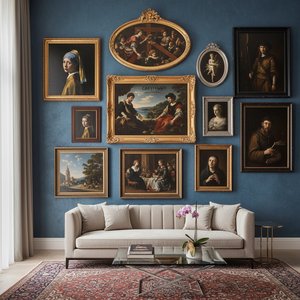
Barokin mestariteokset: Taidetta ja loistoa kotiisi – OriginalUniqueArt.com
Uppoudu barokin loistokkuuteen! Tutustu Caravaggion, Rembrandtin ja Rubensin kaltaisten mestareiden ikonisiin maalauksiin. Taidehistoriaa kotiisi – löydä upeat öljyvärimaalaukset ja taideprintit OriginalUniqueArt.com:sta. Explore the full collection online!