
 Esikatselu
 Jaa teos
 Jaa
Jaa
 Tiedot
 Opas
Opas

 Lataa kuva
 Samanlaisia kohteita
 Röntgenkuvaus
 Diaesitys
 Q&A
Q&A Tilastot
Flora
 Acrylic On Canvas
- WallArt
- High Renaissance
 1517
1517 76.0 x 63.0 cm
 Ermitažin museo
 Lue lisää
Käsinmaalattu öljyvärinen jäljennös
Käsinmaalattu öljyväri kankaalle haluamassasi koossa ja kehyksissä, taiteilijoidemme valmistamana tilauksesta. ( Vaihda tulosteeseen Siirry digitaaliseen kuvaan)




P118B €10

P118H €10

P118W €10

P438Z €10

P508JH €12

P508YH €12

P805H €10

P805Z €10

P919BZ €10

P919G €10

P919XJ €10

P959ZH €10

P968JZ €12

W106C €8

W218G €10

W218JH €8

W218Y €10

W307PJ €10

W316G €10

W316PJ €8

W316Y €10

W398PJ €8

W4111J €10

W500HY €15

W500JH €15

W692G €12

W849H €8

W940BG €15

W953PJ €8




Valitse valmiista mitoistamme sellaiset, jotka vastaavat teoksen alkuperäisiä mittasuhteita.

Kirjoita tarvitsemasi leveys ja korkeus, jotta teos sopii kehyksiisi tai seinällesi. Koska kyseessä on käsinmaalattu teos, taiteilija voi maalata hieman enemmän kuvan ympärille tai rajata sitä hieman, jos haluat eri muotoisen koon — valinta on sinun. Lähetämme sinulle digitaalisen mallikuvan hyväksyttäväksi ennen kuin maalaus alkaa. Tällä sivulla näkyvä kuva ei vastaa lopullista tulosta — vain mallikuva näyttää sen.
Tilauksen jälkeen OriginalUniqueArt.com -tiimi lähettää asiakkaalle sähköpostitse ohjeet ja esikatselukuvan
Maailmanlaajuinen toimitus () 3–4 viikossa tavallisen 5 viikon sijaan. (28 lokakuu). Laadusta ei tingitä.

Ilmainen pikatoimitus ympäri maailman

Korkealaatuinen pellavakangas

Kattava kuljetusvakuutus

Tulliveron palautustakuu

Takuu täydellisestä värien vastaavuudesta

100 päivän palautusoikeus (vain valmistusvirheet)

100% rahat takaisin -takuu

Määräalennus tarjolla
 Lasivaihtoehto on saatavilla vain alle 110 cm kokoisille teoksille

Flora
Reproduktiotekniikka
Replikaatin koko
-


Kokonaishinta
€ 264
A Portrait of Contemplation: Francesco Melzi’s “Flora”
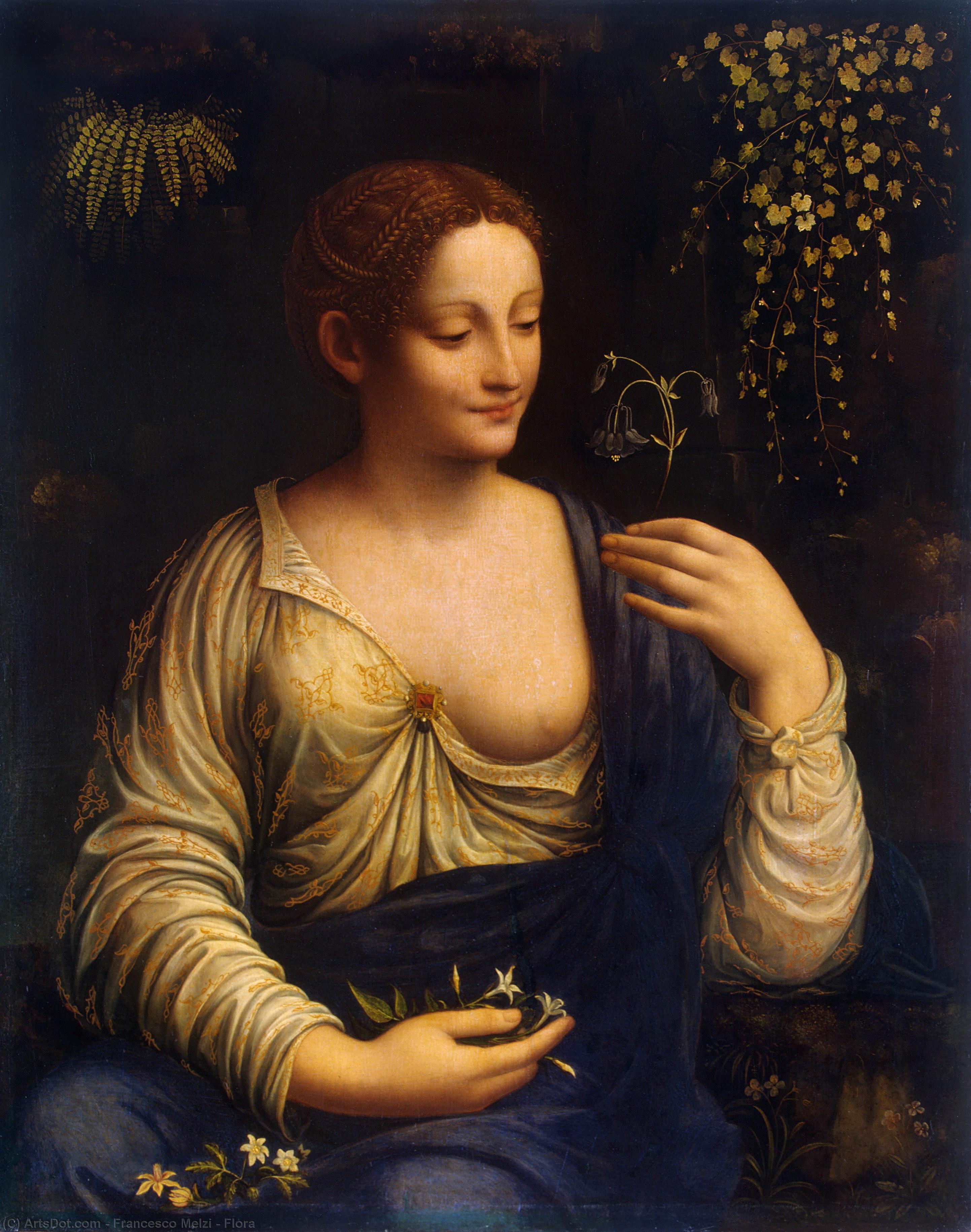
Francesco Melzi's "Flora," painted in 1517-21, is more than just a beautiful depiction of a young woman; it’s a poignant window into the heart of the Renaissance and the enduring legacy of Leonardo da Vinci. This exquisite oil painting, now residing within the walls of the State Hermitage Museum in St. Petersburg, captures a moment of quiet introspection, inviting viewers to contemplate the delicate balance between beauty, nature, and the human spirit.
The subject, believed to be a lady from Leonardo’s circle – possibly Isabella de' Medici or another noblewoman – is presented with an almost ethereal grace. Her gaze, directed slightly downward, suggests a private thought, a moment of absorption lost in the contemplation of a flower held delicately in her hand. The composition is remarkably balanced, drawing the eye to the central figure while subtly incorporating elements of the natural world—a vase overflowing with lush greenery and a scattering of blossoms – that reinforce the painting’s thematic core.
The Master's Apprentice: Melzi and Leonardo
Francesco Melzi’s role in the artistic landscape of 16th-century Italy is often understated, overshadowed by the towering genius of Leonardo da Vinci. Yet, he was undeniably a pivotal figure, not merely as a student but as Leonardo’s closest companion and, crucially, his literary executor. After Leonardo's death, Melzi meticulously documented the master’s vast collection of notes, sketches, and ideas, culminating in the Codex Urbinas – a monumental undertaking that preserved Leonardo’s intellectual legacy for posterity. Melzi’s dedication to preserving this knowledge speaks volumes about their profound bond and his commitment to carrying on Leonardo's work.
The painting itself reflects Melzi’s artistic development, heavily influenced by Leonardo’s meticulous observation of nature and his masterful use of sfumato – the subtle blurring of lines and colors that creates an atmospheric depth. Melzi’s ability to capture this delicate effect is evident in the soft transitions between light and shadow, particularly around the figure's face and hands.
Symbolism and Renaissance Ideals
“Flora” resonates deeply with the core values of the High Renaissance. The painting celebrates beauty, harmony, and the interconnectedness of humanity and nature – themes central to humanist thought during this period. The flower itself is a potent symbol of fertility, renewal, and earthly delight, while the woman’s contemplative pose suggests an appreciation for the finer things in life and a connection to the natural world.
Furthermore, the inclusion of botanical details—the precise rendering of each leaf and petal—demonstrates the Renaissance fascination with scientific observation and knowledge. Leonardo himself was a keen student of botany, and this interest undoubtedly influenced Melzi’s approach to painting. The scene evokes a sense of quietude and serenity, reflecting the humanist ideal of finding beauty and meaning in the everyday world.
A Timeless Masterpiece: Reproduction Possibilities
Reproductions of “Flora” offer an exceptional opportunity to bring this captivating artwork into your home or office. Available through reputable sources like 1st Art Gallery, these high-quality prints capture the painting’s rich colors and intricate details with remarkable fidelity. Whether you choose a framed version for immediate display or a rolled canvas for custom framing, you'll possess a tangible connection to one of the Renaissance’s most enduring treasures.
Consider commissioning a hand-painted reproduction – a truly unique piece that honors the original while adding your own personal touch. The meticulous craftsmanship and attention to detail will ensure that your reproduction is not just a print, but a faithful representation of Melzi's masterpiece, ready to inspire for generations to come.
Kysymykset ja vastaukset
Kuinka kylläisiä Francesco Melzi:n "Flora" -teoksen värit ovat?
Teoksen Francesco Melzi:n "Flora" värikylläisyys on Subtle Color.
Onko teoksesta "Flora" saatavilla latausversiota?
Teoksen Francesco Melzi:n "Flora" digitaalisen kuvan voi ladata muodossa korkearesoluutioinen digitaalinen kuvalataus teoksen Lataa digitaalinen kuva -sivulta.
Minkälaisen tunnelman Francesco Melzi:n "Flora" välittää?
Teoksen Francesco Melzi:n "Flora" tunnetila on Melancholic. Se tiivistää teoksen välittämän tunnelman.
Taiteilijan elämäkerta
Nerousuun kietoutunut elämä: Francesco Melzin tarina
Francesco Melzi, joka syntyi Milanon aatelistoon vuonna 1491, on ottanut ainutlaatuisen ja usein vaatimattoman aseman renessanssitaiteen historiassa. Hän ei ollut mestari, joka olisi raivannut omaa tietään vallankumouksellisilla maalauksilla, vaan pikemminkin omistautunut oppilas, luotettu kumppani ja lopulta Leonardo da Vincin poikkeuksellisen perinnön vartija. Hänen elämänsä kietoutui erottamattomasti floretilaisen neron elämään, muovaten paitsi omaa taiteellista kehitystään, myös määritellen hänen pysyvän panoksensa taidehistoriaan. Melzin kasvatus hienostuneessa Milanon hovissa antoi hänelle sivistyneisyyden ja vastuuntunnon tunteen – ominaisuuksia, jotka osoittautuivat korvaamattomiksi navigoidessaan Leonardon ympärillä vallitsevassa monimutkaisessa maailmassa. Hänen isänsä, Gerolamo Melzi, palveli sekä Francesco Sforzaa että Ludvig XII:ta, mikä tarjosi nuorelle taiteilijalle taustan poliittiselle vaikuttamiselle ja kulttuuriselle tietoisuudelle. Juuri tässä ympäristössä kohtalo puuttui peliin ja toi neljätoistavuotiaan Francesco Leonardon huomaan, kun mestari palasi Milaniin noin vuonna 1505.Oppipoika-aika: Side, joka ulottui taiteen tuolle
Leonardo tunnisti nopeasti jotain erityistä Franciscon luonteessa – lempeän olemuksen, intohimoisen älyn ja komean läsnäolon, joka vangitsi hänet. Kyseessä ei ollut pelkkä ammatillinen sopimus; siitä kukkii syvä ja kiintynyt side. Franciscosta tuli Leonardon suosikkioppilas, hänen jatkuva seuralaisensa ja paljon enemmän kuin vain avustaja. Hän saattoi mestaria tämän matkoilla todistaen ensikädenstä Leonardon monipuolisen nerouden avautumisen Roomassa (1513) ja myöhemmin Ranskassa (1516). Maalausten ja luonnosten tukemisen lisäksi Francesco toimi sihteerinä, kirjoittaen huolellisesti muistiinpanoja, kuten Codex Trivulzianus -käsikirjoitusta, säilyttäen näin Leonardon ajatuksia ja havaintoja. Kenties hänen merkittävin panoksensa tältä ajalta oli rooli Leonardon laajojen maalaustekniikoita käsittelevien muistiinpanojen kokoamisessa ja järjestämisessä sellaiseksi, mitä myöhemmin kutsuttiin nimellä Codex Urbinas. Tämä vaivalloinen työ ei ollut pelkkää tekstin kopioimista; se oli älyllistä kuratointia, joka varmisti, etteivät Leonardon taiteelliset teoriat ja tekniikat katoaisi ajan hampaaseen. Hän pysyi uskollisesti Leonardon rinnalla tämän kuolemaan saakka vuonna 1519, ollen viimeinen oppilaista, jotka jakavat mestarin viimeiset vuodet – todiste heidän syvästä yhteydestään.Perinnön vaaliminen: Taiteellisen luomisen tuolla puolen
Vaikka Francesco itse oli kykenevä maalaaja – esimerkiksi hänen Purported Self-Portrait -teoksensa ja Seven Caricatures osoittavat hienostuneen käden ja ymmärryksen renessanssin estetiikasta – Melzin taiteellinen tuotanto pysyy suhteellisen rajallisena verrattuna Leonardon monumentaalisiin saavutuksiin. Hänen todellinen perintönsä ei piile laajan alkuperäisteosten luomisessa, vaan mestarinsa työn suojelemisessa ja levittämisessä. Leonardon kuoleman jälkeen Francesco työskenteli ahkerasti viimeistelemään jätettyjä keskeneräisiä maalauksia ja suunnitelmia varmistaen niiden toteutumisen vielä taiteilijan poismenon jälkeenkin. Vielä tärkeämpää oli se, että hänestä tuli Leonardon testamentin toimeenpanija, jolle annettiin valtava vastuu hänen taiteellisen omaisuutensa hoidosta. Tämä sisälsi paitsi fyysisten teosten suojelemista, myös Leonardon muistikirjoissa ja käsikirjoituksissa säilytetyn älyllisen rikkauden vaalimista. Hän ymmärsi näiden kirjoitusten merkityksen ja tunnisti ne avaimeksi Leonardon nerouden salaisuuksien avaamiseen. Vaikka välitöntä julkaisua ei tehty, Francesco varmisti, että Leonardon ideat säilyivät huolellisesti tuleville sukupolville.Perhe, perintö ja pysyvä vaikutus
Palattuaan Italiaan Leonardon kuoleman jälkeen Francesco avioitui Angiola di Landrianin kanssa ja perusti perheen, jolle hän antoi kahdeksan lasta. Leonardon perinnön jatkamisen vastuu säilyi kuitenkin ensisijaisena. Hänen poikansa Orazio perisi lopulta nämä arvokkaat käsikirjoitukset – merkkinä Leonardon itsensä osoittamasta luottamuksesta Melzin perheeseen. Tämä varmisti, ettei noilla sivuilla oleva tieto hajoaisi tai katoaisi, vaan pysyisi tutkijoiden ja taiteilijoiden saatavilla vuosisatojen ajan. Vaikka Francesco jäi usein loistavan mentorinsa varjoon, hänen panoksensa taidehistoriaan on kiistaton. Hän oli enemmän kuin pelkkä oppilas; hän oli nerouden vartija, tiedon omistautunut säilyttäjä ja elintärkeä linkki Leonardon vallankumouksellisten ideoiden välittymisessä. Jotkut tutkijat, kuten Sigmund Freud, ovat jopa esittäneet, että hänen läheinen suhteensa Leonardoon saattoi tahattomasti estää hänen omaa taiteellista kehitystään ja estää häntä vakiinnuttamasta täysin itsenäistä tyyliä. Tästä huolimatta Francesco Melzin nimi on ikuisesti kietoutunut Leonardoon – todiste ainutlaatuisesta ja kestävästä kumppanuudesta, joka muovasi renessanssitaiteen kulkua.
Francesco Melzi
1491 - 1570 , Italia
Pähkinänkuoressa
- Artistic Movement Or Style: Korkearenessanssi
- Artists Or Movements Influenced By This Artist: ['Renessanssitaide']
- Artists Who Influenced This Artist: ['Leonardo da Vinci']
- Date Of Birth: 1491
- Date Of Death: 1570
- Full Name: Francesco Melzi
- Nationality: italialainen
- Notable Artworks:
- Muotokuva (itsekuva)
- Melzin muotokuva
- Seitsemän karikatyyriä
- Place Of Birth: Milano, Italia
Aiheeseen liittyvät artikkelit
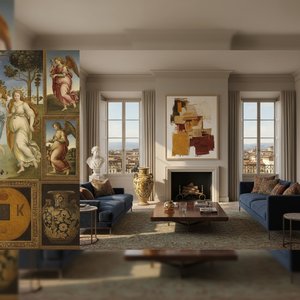
Uffizin 25 mestariteosta: Renessanssin helmet Firenzeen – Taidetta kotiisi OriginalUniqueArtilla
Uppoudu Firenzen Uffizin 25 mestariteokseen! Tutustu Botticellin, Da Vincin ja muiden renessanssin huipputaiteilijoiden tarinoihin. Löydä inspiraatiota sisustukseesi ja korkealaatuiset taideprintit OriginalUniqueArtilla. Explore the full collection online!
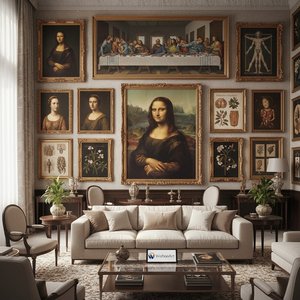
Leonardo da Vincin 25 mestariteosta: Taidetta kotiisi OriginalUniqueArtilta
Tutustu Leonardo da Vincin 25 mestariteokseen! Uppoudu renessanssin maailmaan Mona Lisan, Viimeisen ehtoollisen ja muiden ikonisten maalausten tarinoihin. Löydä inspiraatiota kotiisi OriginalUniqueArtilta – korkealaatuiset taideteoksien reproduktiot ja sisustusehdotukset. Tutki kokoelma verkossa!

Louvren 25 mestariteosta: Taidetta, historiaa ja inspiraatiota kotiisi – OriginalUniqueArt.fi
Tutustu Louvren 25 kuuluisimpaan mestariteokseen! Leonardo da Vincin Mona Lisasta Venukseen de Miloon – taidetta, historiaa ja inspiraatiota kotiisi. Laadukkaat reproduktiot OriginalUniqueArt.comissa. Tutki kokoelma verkossa!
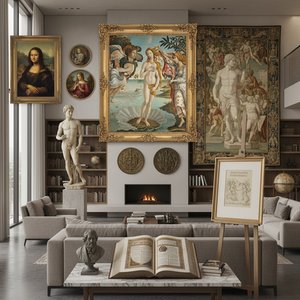
Renaissance-humanismin mestariteokset: Taidetta, joka muutti maailman – OriginalUniqueArt.com
Uppoudu renessanssin humanistisen taiteen maailmaan! Tutustu Leonardo da Vincin, Michelangelon ja Rafaelin mestariteoksiin. Löydä tarinat, tekniikat ja inspiraatio kodin sisustukseen OriginalUniqueArt.comista – museo-laaduiset taidekopiota verkossa.
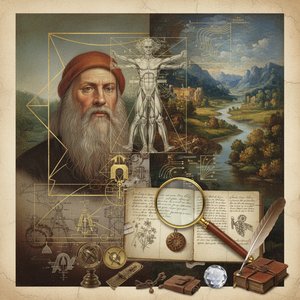
Leonardo da Vinci: A Renaissance Master’s Synthesis of Art, Science & Human Observation – Reinterpreted for the Collector
Explore Leonardo da Vinci’s timeless masterpieces with OriginalUniqueArt. Discover insights into his art, science, and legacy – trusted expertise for discerning collectors seeking authentic reproductions & investment opportunities.