
 Katso seinällä
 Lähetä
 Jaa
Jaa
 Tarkemmat tiedot
 Opas
Opas

 Lataa kuva
 Samanlaisia kohteita
 Röntgenkuvaus
 Diaesitys
 Tilastot
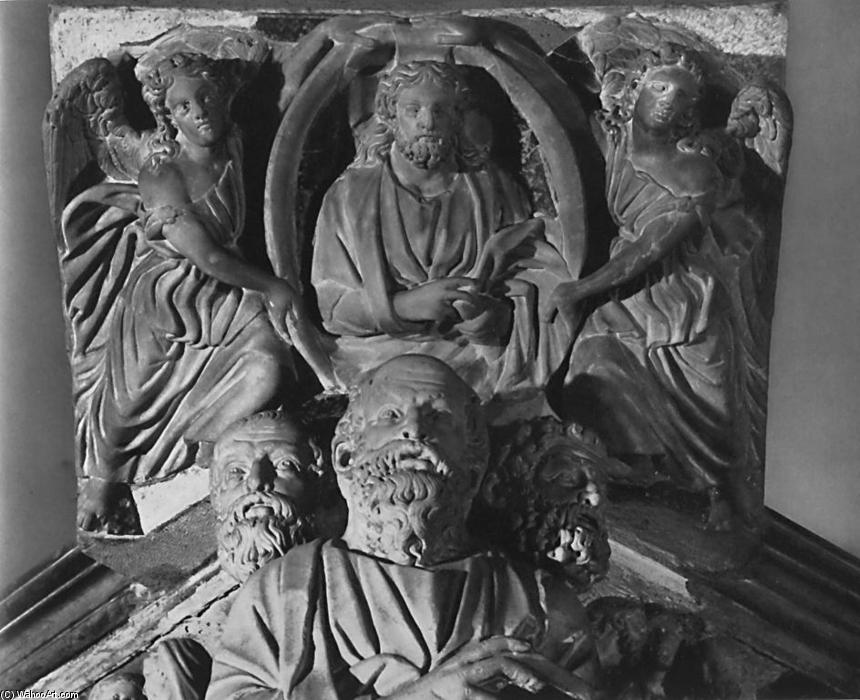
Pulpit (detail)


 Lue lisää
Tällä sivulla esitettyä taideteosta suojaa tekijänoikeuslaki, mikä tarkoittaa, ettemme voi laillisesti luoda tai myydä täsmälleen samanlaista jäljennöstä. Tämä suoja toteutetaan kansainvälisten sopimusten, kuten esimerkiksi Berne-konventio ja kansallisilla laeilla, mukaan lukien niillä määritellyt Yhdysvaltain tekijänoikeuslaki – Luku 17. Kaikki oikeudet pidätetään. Luvaton kopiointi tai jäljittely on kielletty.
Tämä menetelmä noudattaa täysin tekijänoikeussäännöksiä, sillä se ei sisällä suojatun taideteoksen kopioimista tai jäljentämistä. Sen sijaan kyseessä on luova uudelleentulkinta – uusi maalaus, joka ammentaa vaikutteita alkuperäisestä, mutta ei ole sen identtinen kopio.
Giclée- ja taideprintit
Museolaatuisia giclée- tai kankaitaulun tulosteita nopealla tuotannolla ja joustavilla viimeistelyvaihtoehdoilla. ( Tilaa käsinmaalattu jäljennös Siirry digitaaliseen kuvaan)




































Valitse valmiista mitoistamme sellaiset, jotka vastaavat teoksen alkuperäisiä mittasuhteita.

Kirjoita tarvitsemasi leveys ja korkeus, jotta tuloste sopii kehyskokoon tai seinällesi. Tulostetta voidaan vain leikata, sitä ei voi koskaan tehdä suuremmaksi kuin alkuperäinen kuva, joten eri muotoinen koko aiheuttaa osan kuvasta katoamisen. Lähetämme sinulle digitaalisen mallikuvan hyväksyttäväksi ennen kuin aloitamme tulostuksen. Tällä sivulla näkyvä kuva ei näytä lopullista leikkausta — vain mallikuva näyttää sen.
Maailmanlaajuinen toimitus () 2 viikossa tavallisen 4–5 viikon sijaan. (24 lokakuu)

Ilmainen pikatoimitus ympäri maailman

Korkealaatuinen pellavakangas

Kattava kuljetusvakuutus

Tulliveron palautustakuu

Takuu täydellisestä värien vastaavuudesta

100 päivän palautusoikeus valmistusvirhetapauksissa

100% rahat takaisin -takuu

Määräalennus saatavilla
 Lasivaihtoehto on saatavilla vain alle 110 cm kokoisille teoksille

Pulpit (detail)
Giclée- ja taideprintit
Replikaatin koko
-


Kokonaishinta
€ 70
Taiteilijan elämäkerta
Guglielmo Achille Cavellini: A Pioneer of Self-Historicization and Abstract Art
Guglielmo Achille Cavellini (1914-1990), a name perhaps less familiar than some of his contemporaries, stands as a pivotal figure in the evolution of 20th-century Italian art. Born in Brescia, Italy, into a family with roots in Tuscany’s Lunigiana region – a landscape steeped in artistic tradition – Cavellini's life was one of constant movement and intellectual exploration, ultimately shaping him into a unique artist, collector, and self-historian. His career spanned decades, encompassing painting, performance art, mail art, and most notably, the development of his groundbreaking concept of *autostoricizzazione*—a deliberate attempt to construct a personal history through his own artistic output. Cavellini’s legacy lies not just in his individual works but in his radical approach to defining an artist's identity and relationship to their oeuvre.Early Life and Artistic Beginnings
Guglielmo Achille Cavellini was born on September 11, 1914, into a family deeply connected to the artistic heritage of Tuscany. His parents, hailing from small villages near Pontremoli, brought with them a tradition of craftsmanship and an appreciation for visual culture. Following his father’s work as a bricklayer and later as a hawker, the family relocated to Switzerland, then Lombardy, eventually settling in Brescia where they opened a store called Bazar 33. From a young age, Cavellini demonstrated a keen interest in drawing and painting, primarily landscapes—a reflection of his familial ties to the rolling hills and picturesque scenery of Tuscany. His formal artistic education began at the Cesare Arici Jesuit College, where he studied for nine years, but was forced to interrupt his studies due to family responsibilities. This early exposure to both traditional academic training and independent exploration laid the foundation for his later experimentation with diverse art forms.Influences and Artistic Development
Cavellini’s artistic journey was profoundly shaped by a series of encounters and experiences. A pivotal meeting in 1935 with Lisetta, whom he would marry, provided him with a crucial creative partnership. In 1938, while residing in Cortina d'Ampezzo, he befriended the painter Domenico Mucci, who offered him invaluable painting lessons. This period marked an important shift towards abstraction and experimentation. Crucially, Cavellini’s artistic development was fueled by his extensive travels and engagement with the art world. He spent time in Venice, absorbing the atmosphere of the city and studying the works of Filippo de Pisis; he visited Burano, where he met another influential painter. However, it was a visit to the Procuratie in Venice, before Giorgione’s *Tempest*, that proved particularly transformative. There, he encountered Emilio Vedova, who encouraged him to organize an exhibition showcasing his own work, alongside the contributions of Giuseppe Santomaso and art critics Giuseppie Marchiori and Marco Valsecchi. This event served as a crucial validation of his artistic vision and established him within the burgeoning Italian avant-garde scene. The collection he curated included works by Giorgio de Chirico, Amadeo Modigliani, Giorgio Morandi, Henri Rousseau, André Derain, Alfred Sisley, and Paul Cézanne – artists whose diverse styles and approaches undoubtedly influenced his own evolving aesthetic.Innovation: Autostoricizzazione and Mail Art
In the 1960s, Cavellini developed a truly unique concept—*autostoricizzazione*, or self-historicization. Rejecting traditional biographical accounts of artists, he began to construct his own personal history through his art itself. He created a series of works, including *Exhibitions at Home* and *Round Trip*, which functioned as deliberate narratives about his life, experiences, and artistic process. This involved sending himself postcards bearing images of his artwork, accompanied by handwritten notes—a form of mail art that simultaneously documented his activities and actively shaped the perception of his career. This innovative approach challenged conventional notions of authorship and artistic identity, positioning the artist not merely as a creator but as an active participant in shaping their own historical narrative.Legacy and Significance
Guglielmo Achille Cavellini’s contribution to 20th-century art is multifaceted. He was a pioneer of Mail Art, pushing the boundaries of artistic communication through unconventional means. His exploration of Neo-Dada and performance art further solidified his position as a key figure in Italian avant-garde movements. However, it is *autostoricizzazione* that truly distinguishes Cavellini’s work—a radical concept that continues to resonate with contemporary artists grappling with questions of identity, authorship, and the role of art in shaping our understanding of history. His influence extends beyond his individual creations; he left behind a legacy of experimentation, self-reflection, and a profound challenge to established artistic conventions. His archive, meticulously assembled over decades, offers a unique window into the mind of an artist who actively constructed his own story through the very act of creating art.
Fra Guglielmo
1914 - 1990 , United Kingdom
Tietoa taiteilijasta
- Full Name: Guglielmo Achille Cavellini
- Nationality: Italian
- Date Of Birth: 1914
- Date Of Death: 1990
- Place Of Birth: Brescia, United Kingdom
- Notable Artworks:
- Autostoricizzazione
- Round Trip
- Artistic Movement Or Style:
- Abstract art
- Mail Art
- Neo-Dada
- Performance art
- Artists Who Influenced This Artist:
- Giorgio de Chirico
- Amedeo Modigliani
- Gennaro Bellini
- Artists Or Movements Influenced By This Artist: ['Modern Italian art']