() ·

A painting made for you, by hand

Prophet Job

Käsinmaalattu öljyvärinen jäljennös

Käsinmaalattu öljyväri kankaalle haluamassasi koossa ja kehyksissä, taiteilijoidemme valmistamana tilauksesta. ( Vaihda tulosteeseen Siirry digitaaliseen kuvaan)

Keräilykohteen kuvaus

Fra Bartolomeo's 'Prophet Job' (1516) is a poignant High Renaissance masterpiece depicting faith and suffering. Explore the iconic image of Job’s resilience through art history.

Taiteilijan elämäkerta

Tutustu Fra Bartolomeoon (1472–1517), korkearenessanssin florentilaiseen mestariin! Löydä seesteistä uskonnollista taidetta, mestarillisia laskoksia ja hänen syvä vaikutuksensa Rafaeliin.

from ·

Chapter 1

How large should it be?

Slide to change the size; the picture on the left shows the frame at its real width. The proportions of the original are kept.

Vakiokoko
räätälöity
CM
INCH

Valitse valmiista mitoistamme sellaiset, jotka vastaavat teoksen alkuperäisiä mittasuhteita.

leveys
korkeus

Kirjoita tarvitsemasi leveys ja korkeus, jotta teos sopii kehyksiisi tai seinällesi. Koska kyseessä on käsinmaalattu teos, taiteilija voi maalata hieman enemmän kuvan ympärille tai rajata sitä hieman, jos haluat eri muotoisen koon — valinta on sinun. Lähetämme sinulle digitaalisen mallikuvan hyväksyttäväksi ennen kuin maalaus alkaa. Tällä sivulla näkyvä kuva ei vastaa lopullista tulosta — vain mallikuva näyttää sen.

Chapter 2

How should it arrive?

Choose the edges of the stretched canvas

Choose your frame

Corner sample of the WhiteWrap canvas edge finish, stretched on massiivipuu bars
White €1
Corner sample of the BlurSideWrap canvas edge finish, stretched on massiivipuu bars
Blurside €1
Corner sample of the ExtendedWrap canvas edge finish, stretched on massiivipuu bars
Extended €1
Corner sample of the P118B picture frame: valettu polystyreeni, 5 cm wide and 3 cm thick
P118B €10
Corner sample of the P118H picture frame: valettu polystyreeni, 5 cm wide and 3 cm thick
P118H €10
Corner sample of the P118W picture frame: valettu polystyreeni, 5 cm wide and 3 cm thick
P118W €10
Corner sample of the P438Z picture frame: valettu polystyreeni, 5.5 cm wide and 3.5 cm thick
P438Z €10
Corner sample of the P508JH picture frame: valettu polystyreeni, 7 cm wide and 3.5 cm thick
P508JH €12
Corner sample of the P508YH picture frame: valettu polystyreeni, 7 cm wide and 3.5 cm thick
P508YH €12
Corner sample of the P805H picture frame: valettu polystyreeni, 5 cm wide and 3.5 cm thick
P805H €10
Corner sample of the P805Z picture frame: valettu polystyreeni, 5 cm wide and 3.5 cm thick
P805Z €10
Corner sample of the P919BZ picture frame: valettu polystyreeni, 7 cm wide and 3.5 cm thick
P919BZ €10
Corner sample of the P919G picture frame: valettu polystyreeni, 7 cm wide and 3.5 cm thick
P919G €10
Corner sample of the P919XJ picture frame: valettu polystyreeni, 7 cm wide and 3.5 cm thick
P919XJ €10
Corner sample of the P959ZH picture frame: valettu polystyreeni, 5 cm wide and 3 cm thick
P959ZH €10
Corner sample of the P968JZ picture frame: valettu polystyreeni, 6 cm wide and 4 cm thick
P968JZ €12
Corner sample of the W106C picture frame: massiivipuu, 5 cm wide and 3 cm thick
W106C €8
Corner sample of the W218G picture frame: massiivipuu, 5 cm wide and 3 cm thick
W218G €10
Corner sample of the W218JH picture frame: massiivipuu, 5 cm wide and 3 cm thick
W218JH €8
Corner sample of the W218Y picture frame: massiivipuu, 5 cm wide and 3 cm thick
W218Y €10
Corner sample of the W307PJ picture frame: massiivipuu, 6 cm wide and 3 cm thick
W307PJ €10
Corner sample of the W316G picture frame: massiivipuu, 6 cm wide and 3 cm thick
W316G €10
Corner sample of the W316PJ picture frame: massiivipuu, 6 cm wide and 3 cm thick
W316PJ €8
Corner sample of the W316Y picture frame: massiivipuu, 6 cm wide and 3 cm thick
W316Y €10
Corner sample of the W398PJ picture frame: massiivipuu, 5 cm wide and 3 cm thick
W398PJ €8
Corner sample of the W4111J picture frame: massiivipuu, 6.5 cm wide and 3.5 cm thick
W4111J €10
Corner sample of the W500HY picture frame: massiivipuu, 7 cm wide and 5 cm thick
W500HY €15
Corner sample of the W500JH picture frame: massiivipuu, 7 cm wide and 5 cm thick
W500JH €15
Corner sample of the W692G picture frame: massiivipuu, 8 cm wide and 4 cm thick
W692G €12
Corner sample of the W849H picture frame: massiivipuu, 5 cm wide and 3 cm thick
W849H €8
Corner sample of the W940BG picture frame: massiivipuu, 7.5 cm wide and 4.5 cm thick
W940BG €15
Corner sample of the W953PJ picture frame: massiivipuu, 6 cm wide and 3.5 cm thick
W953PJ €8
Corner sample of the H24-GOLD picture frame: kaiverrettua puuta ja gessoa, 10 cm wide and 6 cm thick
H24-GOLD €30
Corner sample of the H24-SILVER picture frame: kaiverrettua puuta ja gessoa, 10 cm wide and 6 cm thick
H24-SILVER €30
Corner sample of the H36-GOLD picture frame: kaiverrettua puuta ja gessoa, 15 cm wide and 6.5 cm thick
H36-GOLD €45
Corner sample of the H36-SILVER picture frame: kaiverrettua puuta ja gessoa, 15 cm wide and 6.5 cm thick
H36-SILVER €45
Kehyksen esikatselu
Kehystetty

Moulding: . Overall size with the frame: .

Chapter 3

Who paints it, and should anything change?

Examples of what can be changed: Replace face with customer photo; Add pet (e.g., replace cat with dog); Include hidden message in background; Change background landscape or elements.
After order, OriginalUniqueArt.com team will email client for instructions and provide a mockup preview

Maailmanlaajuinen toimitus () 3–4 viikossa tavallisen 5 viikon sijaan. (1 marraskuu). Laadusta ei tingitä.

Chapter 4

The finishing touches

A nameplate, as in a museum?

Kaiverretun pronssilaatan tiedot

This elegant plaque features the artist's name and the title of the artwork, finely engraved for a timeless presentation.

It is made from bronze with a refined, elegant finish. The text is precisely laser-engraved for a sharp and permanent result. Measuring 9x2 cm, the plaque is compact yet easy to read. It's built to be durable and scratch-resistant, offering a professional, museum-quality look. Mounting is simple thanks to the included adhesive backing.

Läpinäkyvän akryylilaatan tiedot

The plaque includes essential engraved details such as the artist's name, the title of the artwork, the date it was created, the type of media used-like oil on canvas or watercolor-a brief description of the piece, and a QR code that links to the complete artwork information.

It is crafted from clear acrylic, offering a sleek, modern appearance. The text is UV-engraved in black to ensure strong visual contrast. With a size of 10x15 cm, it ensures optimal readability. It comes equipped with two metal hooks for secure wall mounting. The plaque is designed to be weather-resistant, making it suitable for various environments, and it includes interactive features that work seamlessly with smartphone scanning.

Mustan akryylilaatan tiedot

This elegant plaque includes engraved information such as the artist's name, the title of the artwork, the date it was created, the type of media used (like oil on canvas or watercolor), a short description of the artwork, and a QR code for quick access to more information.

The plaque itself is made from refined black acrylic with a premium finish. The text is laser-engraved in white for high contrast and readability. Its size is 10x15 cm, designed to be easy to read. It comes with two metal hooks for professional mounting. The design is sleek and fits any interior style. It is also weather-resistant and durable, with built-in digital integration for mobile compatibility.

A protective varnish?

When do you need it?

Chapter 5

Your painting, as you ordered it

Prophet Job

Reproduktiotekniikka

Replikaatin koko

-

Kokenut huipputaiteilija

Lisää yksityiskohtia, hienostuneisuutta ja enemmän aikaa tuotantoon

-

Reproduktion kehystysvaihtoehdot

-

-

Teoksille tai reproduktioille, joiden mikä tahansa sivu on suurempi kuin 105 cm (noin 41 tuumaa), kehys toimitetaan osina purettuna sarjana. Tämä menetelmä varmistaa turvallisen toimituksen ja ehkäisee vaurioita kuljetuksen aikana.

Vaatii ammattimaista kokoamista – kyseessä ei ole tee-se-itse-tuote.
Sarja on koottava ja kangas kiristettävä kokeneen kehystysammattilaisen toimesta käyttäen puuliimaa (ei sisälly pakkaukseen), kangaspinnetteitä ja puristimia, jotta kehyksen kulmat pysyvät suorina liiman kuivuessa. Virheellinen kokoaminen tai epätasainen kankaan kiristys voi vaurioittaa teosta pysyvästi, eikä tällaiset vauriot ala takuun piiriin.

  • Kaikki massiivipuupalat sisältyvät, tarkasti mittojen mukaan leikattuina.

  • Kootaan mukana tulevilla ruuveilla sekä kulmaliitoksia varten tarvittavalla puuliimalla, jota ei toimiteta, joten se on hankittava kehystäjältä.

  • Vaatii ammattilaisvälineitä, jotka eivät sisälly pakkaukseen: kankaan venytyspihdit (kiristin) ja puristimet, joilla pidetään kehyksen puut suorassa liiman kuivuessa.

Tärkeää:
Kulmaliitoksissa tarvitaan puuliimaa, kehyksien osat on pidettävä puristimilla, kunnes liima on täysin kuivunut, ja koottuun kehykseen jännitettävän kankaan kiristämiseen tarvitaan kangaspenssipihti. Mikään näistä ei sisälly pakkaukseen. Suosittelemme varmistamaan kokeneen kehystäjän saatavuuden ennen tämän kokoisen kehyksen tilaamista.

Nimilaatta

-

-

Suojalakkaus

Kiiltävä lakka (syventää värejä, suojaa valolta ja kosteudelta)

-

Mukauta taideteokseni

Esimerkkejä muokattavista asioista: Vaihda kasvot asiakkaan omaan valokuvaan; Lisää lemmikki (esim. vaihda kissa koiraan); Lisää taustalle piilotettu viesti; Muuta taustan maisemaa tai elementtejä.

-

Pikatoimitus

Maailmanlaajuinen toimitus () 3–4 viikossa tavallisen 5 viikon sijaan. (1 marraskuu). Laadusta ei tingitä.

-

Pikatoimitus

Maailmanlaajuinen toimitus () 5 viikon kuluessa. (8 marraskuu).

Sisältyy hintaan

Kokonaishinta

€ 267

Kokonaishinta € 267

Lasivaihtoehto on saatavilla vain alle 110 cm kokoisille teoksille

Included with every order

  • Ilmainen pikatoimitus ympäri maailman
  • Korkealaatuinen pellavakangas
  • Kattava kuljetusvakuutus
  • Tulliveron palautustakuu
  • Takuu täydellisestä värien vastaavuudesta
  • 100 päivän palautusoikeus (vain valmistusvirheet)
  • 100% rahat takaisin -takuu
  • Määräalennus tarjolla

The Prophet Job: A Testament of Faith in Fra Bartolomeo’s Florence

Fra Bartolomeo's "Prophet Job," painted circa 1516, is more than just a depiction of biblical narrative; it’s a profound meditation on suffering, faith, and the enduring power of human resilience. Created during a pivotal moment in Florentine art – bridging the late Renaissance with the burgeoning Mannerism – this oil-on-panel masterpiece offers a glimpse into the artist's deeply considered worldview and his masterful command of both religious iconography and humanist ideals. The painting resides within the Galleria dell’Accademia di Firenze, a testament to its enduring artistic merit.

At first glance, the scene is remarkably serene. A solitary figure, identified as Job, occupies a simple stone pedestal, bathed in a diffused light that suggests both divine presence and quiet contemplation. He's rendered with an almost sculptural quality – his posture conveys a dignified acceptance of fate, while his face, etched with sorrow yet radiating inner strength, speaks volumes about the weight he carries. The rich crimson robes, meticulously detailed, contrast sharply with the muted tones of the background, drawing immediate attention to Job’s central role within the composition. The artist's use of color is restrained but deliberate, emphasizing the solemnity and gravity of the subject matter.

A Renaissance Synthesis: Style and Technique

Fra Bartolomeo’s style in “Prophet Job” represents a harmonious blend of influences – elements of early Florentine Renaissance painting, particularly from his apprenticeship with Cosimo Rosselli, combined with the more contemplative spirit fostered by his later embrace of Dominican monasticism. The composition is carefully balanced, adhering to classical principles of perspective and proportion, yet imbued with a distinctly humanistic sensibility. Noticeably, there’s an absence of dramatic gestures or overtly emotional expressions; Job's sorrow isn’t presented through outward displays but rather through the subtle lines of his face and the stillness of his posture.

Technically, Bartolomeo demonstrates remarkable skill in rendering drapery – a hallmark of his style. The folds of Job’s robes cascade with an almost sculptural grace, creating a sense of volume and movement that belies the painting's static nature. His use of light is equally masterful, subtly illuminating key elements while maintaining a harmonious overall atmosphere. The background, rendered in atmospheric perspective, recedes into a hazy distance, further emphasizing Job’s isolation and his connection to the divine.

Symbolism and Theological Depth

Beyond its aesthetic qualities, “Prophet Job” is rich in symbolic meaning. The choice of Job as the subject reflects the broader theological concerns of the era – questions about justice, suffering, and God’s relationship to humanity. The setting—a simple stone pedestal—suggests a stripping away of worldly comforts and a focus on spiritual matters. The scroll held by Job, bearing the phrase “ipse erit salvator meus” (“He also shall be my salvation”), underscores his unwavering faith in God's ultimate redemption.

Furthermore, the painting’s composition subtly alludes to biblical themes of testing and endurance. Job’s ordeal mirrors the trials faced by other righteous figures in the Old Testament, highlighting the universality of human suffering and the importance of maintaining faith in times of adversity. The inclusion of two figures in the background—one standing behind Job and another further back on the right—adds a layer of mystery, perhaps suggesting the presence of angels or divine messengers observing Job’s plight.

A Legacy of Serenity: Impact and Reproduction

“Prophet Job” endures as one of Fra Bartolomeo's most celebrated works, admired for its profound emotional depth, technical mastery, and enduring spiritual resonance. It exemplifies the artist’s ability to translate complex theological concepts into a visually compelling and emotionally engaging experience. Today, reproductions of this iconic painting offer art lovers and interior designers alike an opportunity to bring a touch of Renaissance serenity and contemplative beauty into their homes or spaces.

When selecting a reproduction, consider the level of detail and the quality of materials used. A faithful reproduction will capture the nuances of Bartolomeo’s original technique – the subtle gradations of color, the delicate rendering of drapery, and the overall sense of quiet contemplation that defines this timeless masterpiece.

Kysymykset ja vastaukset

Miten teoksen Fra Bartolomeo:n "Prophet Job" väripaletti on kuvattu?

Teoksen Fra Bartolomeo:n "Prophet Job" väripalettia kuvataan sanoin Dark. Se on tiivis kuvaus teoksen väreistä.

Mitkä värit ja mikä hallitseva sävy määrittelevät teoksen "Prophet Job"?

Fra Bartolomeo:n "Prophet Job"-teoksen väri-identiteetti: Dark paletti, jota hallitsee Espresso (#3c211b).

Kuinka kylläisiä Fra Bartolomeo:n "Prophet Job" -teoksen värit ovat?

Teoksen Fra Bartolomeo:n "Prophet Job" värikylläisyys on Clear Color Presence.

More about this painting

Esikatselu Esikatsele AR-tilassa Vaihda tulosteeseen Siirry digitaaliseen kuvaan Jaa teos
Tiedot Opas Lisää suosikkeihin Lataa kuva Samanlaisia kohteita Röntgenkuvaus Diaesitys Q&A Tilastot

In numbers

  • 1516the year it was painted
  • 29frames to choose from
  • standard sizes, in its own proportions
  • 5weeks to paint and deliver it
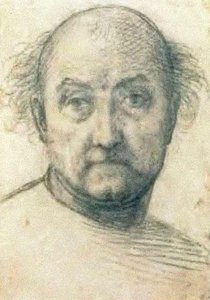
Fra Bartolomeo

Fra Bartolomeo

1472 - 1517, Italia

Quick facts about Fra Bartolomeo

  • Artistic Movement Or Style: Korkearenessanssi
  • Artists Or Movements Influenced By This Artist:
    • Rafael
    • Mannerismi
  • Artists Who Influenced This Artist:
    • Cosimo Rosselli
    • Mariotto Albertinelli
    • Rafael
  • Date Of Birth: 28. maaliskuuta 1472
  • Date Of Death: 31. lokakuuta 1517
  • Full Name: Fra Bartolomeo
  • Nationality: italialainen
  • Notable Artworks:
    • Savonarolan muotokuva
    • Pyhän Bernarden näky
    • Venuksen palvonta
    • Isä Jumala
  • Place Of Birth: Prato, Italia

Taiteilijan elämäkerta

Varhaisvuodet ja taiteellinen muotoutuminen Firenzessä

Baccio della Porta syntyi 28. maaliskuuta 1472 Toscanan Savignano di Pratossa, ja Fra Bartolomeon varhaisvuodet upotettiin renessanssi-Italian eloisaan taiteelliseen ilmapiiriin. Itse lempinimi ”Baccio della Porta” – joka tarkoittaa ”Portin suudelmaa” – vihjaa vaatimattomaan alkuun, sillä hänen perheensä asui lähellä San Pier Gattolinin porttia. Hänen virallinen koulutuksensa alkoi noin vuonna 1483 tai 1484, kun hän astui Cosimo Rossellin työpajaan, joka oli arvostettu florenttilainen maalarit, tunnettu laajasta freskokokonaisuuksistaan. Tämä oppipoikakausi tarjosi ratkaisevan perustan aikakauden teknisille taidoille ja tyylillisille konventioille, altistaen nuoren Baccion Firenzää pyyhkiville nouseville taiteellisille innovaatioille. Tänä muotoutumisen aikana hän alkoi omaksua perspektiivin, sommittelun ja värin periaatteita, jotka myöhemmin määrittelivät hänen oman ainutlaatuminen tyylinsä. Vuodesta 1490 tai 1491 alkaen merkittävä yhteistyö Mariotto Albertinelli kanssa hioi hänen taitojaan entisestään; heidän kumppanuutensa johti jaettuihin tilauksiin ja taiteellisten ideoiden hedelmälliseen vaihtoon, mikä vakiinnutti Baccion aseman florenttilaisessa taidemaailmassa.

Savonarolan varjo ja hengellinen herääminen

1490-luvun loppu merkitsi käännekohtaa Fra Bartolomeon elämässä, jota vaikuttivat syvästi Girolamo Savonarolan tuliset saarnat ja moraaliset opetukset. Dominikaanimonastarin tuomio maallisista turhuuksista ja florenttilaisen yhteiskunnan koetusta korruptiosta resonoi Baccon sydämessä, johtaen hänet kyseenalaistamaan taiteellisen esittämisen tarkoituksen ja arvon. Tämä hengellinen kriisi huipentui käänteentekevään hetkeen: vuonna 1500, syvästi liikuttuneena Savonarolan viestistä, hän luopui maalaamisesta kokonaan ja astui San Marcos dominikaaniluostariin munkiksi. Hänen tunnetuin teoksensa tältä ajalta, vuonna 1498 maalattu Savonarolan muotokuva, seisoo voimakkaana visuaalisena todistuksena reformatorin vaikutuksesta. Savonarolan katseen intensiteetti ja sommittelun karu yksinkertaisuus heijastavat ajan ankaraa uskonnollista ilmapiiriä. Useiden vuosien ajan Fra Bartolomeo omisti itsensä kokonaan uskonnolliselle elämälle, näyttäen hylänneen taiteelliset pyrkimyksensä. Kohtalo – ja hänen sääntokuntansa tarpeet – kuitenkin pian puuttuivat peliin.

Paluu kankaalle: Korkearenessanssin tyyneys ja Rafaelin vaikutus

Vuonna 1504, luostarin esimiestensä pyynnöstä, Fra Bartolomeota pyydettiin jatkamaan maalaamista, ja hänestä tuli San Marcos työpajan johtaja. Tämä merkitsi huomattavaa paluuta taiteelliseen luomiseen, mutta se oli muuttunut vuosien hengellisen pohdiskelun myötä. Hänen tyylinsä alkoi kehittyä kohti idealisoitua korkearenessanssin estetiikkaa, jolle olivat ominaisia seesteiset sommitelmat, sulavat hahmot sekä mestarillinen valon ja varjon käyttö. ”Pyhän Bernarduksen näky” (1507), vaikka se onkin nykyään hauraassa kunnossa, ilmentää tätä uutta suuntaa – sen eteerinen laatu ja harmoninen tasapaino kerrotaan lumonneen nuoren Rafaelin Firenzässä vierailunsa aikana. Kahden taiteilijan välille kukoisti läheinen ystävyys, mikä edisti ideoiden ja tekniikoiden molemminpuolista vaihtoa. Fra Bartolomeo omaksui innokkaasti Rafaelin osaamisen perspektiivistä, samalla kun hän jakoi omaa asiantuntemustaan värityksessä ja kankaiden hienovaraisessa esittämisessä. Tämä yhteistyö osoittautui ratkaisevaksi molempien taiteellisten polkujen muovaamisessa. Hänen hahmonsa muuttuivat tyylikkäämmiksi, täyttyen sisäisestä rauhasta ja hengellisestä armosta, ja hän keskittyi yhä enemmän valon hienovaraisten vaikutusten vangitsemiseen muodossa.

Perintö: Maisemamaalauksen ja uskonnollisen omistautumisen edelläkävijä

Fra Bartolomeon panos renessanssitaiteeseen ulottuu laajemmalle kuin hänen uskonnolliset maalauksensa. Hän oli myös maisemataiteen edelläkävijä luoden joitakin Italian varhaisimpia puhtaita maisemaluonnoksia – jotka ovat huomionarvoisia luonnon herkkä havainnointi ja ilmakehän vaikutukset huomioiden. Nämä piirrokset osoittavat varhaista kiinnostusta luonnon kauneuden tavoittamiseen, ennakoimalla myöhempiä kehityskulkuja maisemamaalauksessa. Uran aikana hän tuotti lukuisia alttaritauluja kirkkoihin ympäri Italiaa, mukaan lukien Venetsiassa, Luccassa ja Besançonissa tehtyjä tilauksia. Hänen viimeinen teoksensa, fresko ”Noli Me Tangere” (Älä koske minuun) Pian di Mugnonessa lähellä Fiesolea, seisoo taiteellisen matkan koskettavana huipentumana. Fra Bartolomeon vaikutus Rafaeliin on kiistaton ja se vaikutti korkearenessanssin taiteen kehitykseen. Hän yhdisti ainutlaatuisesti syvän uskonnollisen hartauden ja poikkeuksellisen taidokkuuden luoden teoksia, jotka palvelivat sekä hengellisiä että esteettisiä tarkoituksia. Hänen uransa edustaa ratkaisevaa siirtymää varhaisesta florenttilaisesta tyylistä kohti korkearenessanssille tyypillisiä idealisoituja muotoja ja tasapainoisia sommitelmia. Fra Bartolomeo kuoli Firenzässä 31. lokakuuta 1517 jättäen jälkeensä perinnön, joka koostuu seesteisestä kauneudesta, hengellisestä syvyydestä ja taiteellisesta innovaatiosta, joka jatkaa herättämään ihailua ja kunnioitusta vielä tänäkin päivänä.

Pikaista tietoa

  • Location: Galleria dell'Accademia
  • Artist: Fra Bartolomeo
  • Notable elements: Scroll with text
  • Medium: Oil on panel
  • Title: Prophet Job
  • Artistic style: Religious painting

Taidevisat

Jokaisessa kysymyksessä on vain yksi oikea vastaus.

Kysymys 1:
What is the primary subject depicted in Fra Bartolomeo’s ‘Prophet Job’?
Kysymys 2:
In what year was ‘Prophet Job’ painted, according to historical records?
Kysymys 3:
The image shows a figure in red robes. What is the significance of this color choice?
Kysymys 4:
Fra Bartolomeo’s style in ‘Prophet Job’ is best described as:
Kysymys 5:
The painting ‘Prophet Job’ was originally commissioned for which chapel?