Early Renaissance · 1442
The Annunciation (Fra Angelico, 1442)
Fra Angelico (1395–1455) on luonut teoksen The Annunciation. Se on peräisin vuodelta 1442. Se kuuluu Early Renaissance-liikkeeseen. Se on valmistettu materiaalilla Fresco. Teos sijaitsee San Marcos luostari -museossa paikassa Firenze, Italia. Koko on 230 × 321 cm.
- 1442
- Fresco
- 230 × 321 cm
- San Marcos luostari, Firenze

 Käsinmaalattu öljymaalaus
 Jaa teos
 Jaa
 Tiedot-arkki


 Lataa kuva
 Samanlaisia kohteita
 Diaesitys
 Kysymykset ja vastaukset

 Tilastot
The Annunciation lyhyesti
- Otsikko
- The Annunciation
- Taiteilija
- Fra Angelico (1395–1455)
- Taiteilija syntynyt
- Rupesana, Italia
- Päivämäärä
- 1442
- Tekniikka
- Fresco
- Mitat
- 230 × 321 cm
- Missä teos on nähtävissä
- San Marcos luostari, Firenze, Italia
- Tyylisuunta
- Early Renaissance
- Aikakausi
- Renaissance
- Aihe
- annunciation, mary, gabriel, angel, fresco, medieval
Mitä The Annunciation esittää?
A Moment of Divine Revelation: Fra Angelico’s “The Annunciation”
Fra Angelico's "The Annunciation," painted in 1442, is more than just a depiction of a pivotal biblical event; it’s an immersion into a realm of serene spirituality and exquisite detail. This fresco, housed within the walls of a Dominican monastery (though its exact location has shifted over time), captures the profound moment when the Archangel Gabriel announces to Mary that she will conceive and bear the son of God. The painting immediately draws the viewer in with its carefully orchestrated composition – a sense of quiet grandeur achieved through the strategic placement of arches, benches, and the central figures themselves.
The scene unfolds within a room bathed in a soft, diffused light, characteristic of Fra Angelico’s signature style. Earth tones dominate the palette—ochres, siennas, and umbers—creating an aged, almost timeless quality that speaks to the enduring nature of faith. This deliberate use of color isn't merely decorative; it evokes the atmosphere of a monastic setting, reflecting the contemplative life of the Dominican order. Notice how the artist masterfully employs *sfumato*, a technique borrowed from Leonardo da Vinci, softening edges and creating an ethereal haze that contributes to the overall sense of otherworldly beauty.
The Dance of Figures: Composition and Symbolism
At the heart of the composition are Mary and Gabriel. Mary, kneeling in humble reverence, gazes upwards with a mixture of surprise and acceptance. Her posture is graceful yet grounded, embodying both vulnerability and strength. The angel, rendered with delicate wings outstretched, presents the news with an air of solemnity and divine authority. The subtle shift in their gestures—Mary’s downward tilt of her head versus Gabriel's raised hand—creates a dynamic interplay between them, illustrating the exchange of this momentous revelation.
Beyond the central figures, details abound that enrich the narrative. The two benches flanking the scene aren’t merely architectural elements; they represent the earthly realm and the setting for this divine encounter. The presence of a third figure, partially obscured within the architecture – often interpreted as John the Baptist or even an attendant – adds to the sense of a sacred space unfolding before our eyes. The lilies held by Gabriel are a potent symbol of purity and virginity, directly referencing Mary’s role in salvation history.
A Masterclass in Early Renaissance Technique
Fra Angelico's skill as a painter is immediately apparent in the meticulous detail of "The Annunciation." He was renowned for his painstaking preparation – often sketching numerous studies before committing to fresco. This dedication is evident in the rendering of Mary’s garments, the folds of her veil, and the intricate details of Gabriel’s wings. The artist's use of *tempera* on gesso—a technique common at the time—allowed for layering colors and achieving remarkable luminosity.
- Layered Fresco Technique: Fra Angelico employed a meticulous process, starting with a rough ground (gesso) and building up layers of color to create depth and vibrancy.
- Sfumato Effect: The subtle blurring of lines and edges, particularly around the figures’ faces, contributes to the painting's ethereal quality.
- Symbolic Color Palette: The earth tones evoke a sense of monastic austerity and spiritual contemplation.
Emotional Resonance and Timeless Beauty
"The Annunciation" transcends its biblical subject matter, offering a profound meditation on faith, humility, and divine grace. It’s a painting that invites quiet reflection, prompting viewers to consider the transformative power of belief. Fra Angelico's ability to capture such intense emotion with such understated elegance is what secures this work’s place as one of the most beloved and enduring images of the Early Renaissance. OriginalUniqueArt offers exceptional reproductions of this masterpiece, allowing you to bring its serene beauty into your home or office – a testament to the timeless artistry of Fra Angelico.
Missä museossa teos The Annunciation on?
San Marcos luostari
Firenze, Italia
Uskon ja taiteen pyhäkkö San Marcos luostari seisoo ainutlaatuisena todistuksena Firenzen taideperinnöstä – paikkana, jossa renessanssin henki kietouttuu syvään uskonnolliseen hartauteen. Se ei ole pelkkä mestariteosten säilytyspaikka, vaan se tarjoaa uppoutumisen menneisyyteen, vieden kävijän matkalle 1400-luvulle ja kutsuen pohtimaan Fra Angelicon sekä Girolamo Savonarolan perintöä kauniisti säilyneen dominikaaniluostarin muurien sisällä. Alun perin 1200-luvulla vallombrosilaiseksi luostariksi perustettu San Marco koki muodonmuutoksen eläväksi humanismin ja taiteellisen innovaation keskukseksi Cosimo de' Medicin suojeluksessa – käännekohta, joka varmisti uudistuneen dominikaanijärjestön saapumisen ja aloitti vertaansa vailla olevan luovuuden aikakauden.


The Annunciation korkearesoluutioiset kuvat

Fra Angelico, The Annunciation (1442), San Marcos luostari. Tekijänoikeudet vapaat.
Kysymyksiä teoksesta The Annunciation, vastaukset
Missä museossa alkuperäinen "The Annunciation" on esillä?
Alkuperäinen Fra Angelico:n "The Annunciation" on osa San Marcos luostari, Firenze, Italia-museon kokoelmaa. Reproduktio mahdollistaa teoksen näyttämisen kotona.
Milloin "The Annunciation" on tehty?
"The Annunciation" on peräisin vuodelta 1442. Teoksen valmistumisajankohta sijoittaa sen Fra Angelico uran ja aikakauden kontekstiin.
Millä tekniikalla "The Annunciation" on tehty?
Teoksen Fra Angelico:n "The Annunciation" tekniikka on Fresco. Vedosten tavoitteena on jäljitellä tämän tekniikan ulkoasua.
Mitkä ovat alkuperäisen "The Annunciation" mitat?
Teoksen "The Annunciation" alkuperäiset mitat ovat 230 x 321 cm. Alkuperäiset mitat ovat hyödyllinen vertailukohta, kun valitset reproduktion kokoa.
Mitä aiheita teoksessa Fra Angelico:n "The Annunciation" esiintyy?
Fra Angelico:n "The Annunciation" esittää: annunciation, mary, gabriel, angel, fresco, medieval, spirituality, tuscan.
Onko Fra Angelico:n "The Annunciation" vapaasti käytettävissä oleva teos?
Fra Angelico:n "The Annunciation" on vapaasti käytettävissä – tekijänoikeussuoja on päättynyt. Tämä tila määrittää, miten teoksen kuvaa saa käyttää uudelleen.
Kuka on luonut teoksen "The Annunciation"?
"The Annunciation" on Fra Angelico:n luoma teos. Tällä sivulla olevat tiedot kuvaavat Fra Angelico:n alkuperäistä työtä.
Mihin tyylisuuntaan "The Annunciation" kuuluu?
Fra Angelico:n "The Annunciation" kuuluu Early Renaissance-suuntaukseen. Tämä tyylisuunta antaa teokselle sen tyylillisen kontekstin.
Mihin vaiheeseen Fra Angelicoin kehityksestä "The Annunciation" edustaa?
"The Annunciation" edustaa taiteilijan Fra Angelico tuotantokautta Early Renaissance."
Tietoa taiteilijasta, Fra Angelico
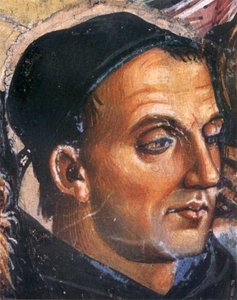
1395–1455, Italia
Fra Angelico
Varhaiset vuodet ja hengellinen muotoutuminen Mugellon laaksossa syntynyt Guido di Pietro, mies joka tulisi tuntemaan nimellä Fra Angelico, aloitti elämänsä Toscanan kukkuloilla lähellä Firenzeä. Noin vuonna 1395 hänet tunnettiin nimellä Giovanni da Fiesole. Hänen varhaisvuosiaan muovasi tämän alueen hiljainen ja levollinen maisema. Lopulta nuori Giovanni liittyi dominikaanilaisveljeskuntaan Fiesolessa.
Tietoa kohteesta Fra Angelico Fra Angelicon merkittävimpiä teoksia
Myös Fra Angelico -teoksia
 Kertohetki (The Annunciation)1430
 Madonna ja lapsi, pyhimykset ja ristiinnaulitseminen
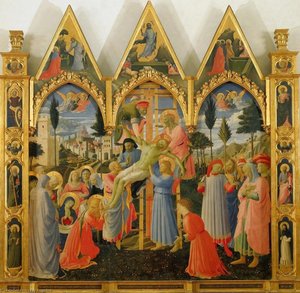 Depositionista rististä
 Viimeinen tuomio1431
Esseitä teoksesta The Annunciation
 Divine Beauty: The 25 Most Iconic Masterpieces by Fra AngelicoJourney through the divine beauty of Fra Angelico's finest works. Explore 25 iconic Renaissance masterpieces, from ethereal frescoes to sac…
 The Enduring Legacy of Fresco: Technique, History & Artistic ExpressionExplore the rich history & enduring artistry of fresco painting. Discover techniques from Giotto to Michelangelo, conservation efforts, & m…
 Sacred Narratives: Decoding the Iconography and Artistry of the AnnunciationExplore the profound symbolism and mastery behind Renaissance Annunciation paintings. Discover the secrets of these sacred masterpieces now.