
 Esikatselu
 Jaa teos
 Jaa
Jaa
 Tiedot
 Opas
Opas

 Lataa kuva
 Samanlaisia kohteita
 Röntgenkuvaus
 Diaesitys
 Q&A
Q&A Tilastot
Bistro

- 38.0 x 46.0 cm


 Lue lisää
Tällä sivulla esitettyä taideteosta suojaa tekijänoikeuslaki, mikä tarkoittaa, ettemme voi laillisesti luoda tai myydä täsmälleen samanlaista jäljennöstä. Tämä suoja toteutetaan kansainvälisten sopimusten, kuten esimerkiksi Berne-konventio ja kansallisilla laeilla, mukaan lukien niillä määritellyt Yhdysvaltain tekijänoikeuslaki – Luku 17. Kaikki oikeudet pidätetään. Luvaton kopiointi tai jäljittely on kielletty.
Tämä menetelmä noudattaa täysin tekijänoikeussäännöksiä, sillä se ei sisällä suojatun taideteoksen kopioimista tai jäljentämistä. Sen sijaan kyseessä on luova uudelleentulkinta – uusi maalaus, joka ammentaa vaikutteita alkuperäisestä, mutta ei ole sen identtinen kopio.
Giclée- ja taideprintit
Museolaatuisia giclée- tai kankaitaulun tulosteita nopealla tuotannolla ja joustavilla viimeistelyvaihtoehdoilla. ( Osta käsinmaalattu taideteos Siirry digitaaliseen kuvaan)




P118B €10

P118H €10

P118W €10

P438Z €10

P508JH €12

P508YH €12

P805H €10

P805Z €10

P919BZ €10

P919G €10

P919XJ €10

P959ZH €10

P968JZ €12

W106C €8

W218G €10

W218JH €8

W218Y €10

W307PJ €10

W316G €10

W316PJ €8

W316Y €10

W398PJ €8

W4111J €10

W500HY €15

W500JH €15

W692G €12

W849H €8

W940BG €15

W953PJ €8




Valitse valmiista mitoistamme sellaiset, jotka vastaavat teoksen alkuperäisiä mittasuhteita.

Syötä tarvitsemasi leveys ja korkeus, jotta tuloste sopii kehyksiisi tai seinällesi. Tulostetta voidaan vain leikata, sitä ei voida koskaan suurentaa alkuperäistä kuvaa suuremmaksi, joten eri muotoinen koko aiheuttaa osan kuvasta katoamisen. Lähetämme sinulle digitaalisen mallikuvan hyväksyttäväksi ennen kuin aloitamme tulostuksen. Tällä sivulla näkyvä kuva ei näytä lopullista rajausta — vain mallikuva näyttää sen.
Maailmanlaajuinen toimitus () 2 viikossa tavallisen 4–5 viikon sijaan. (2 marraskuu)

Ilmainen pikatoimitus ympäri maailman

Korkealaatuinen pellavakangas

Kattava kuljetusvakuutus

Tulliveron palautustakuu

Takuu täydellisestä värien vastaavuudesta

100 päivän palautusoikeus (vain valmistusvirheet)

100% rahat takaisin -takuu

Määräalennus tarjolla
 Lasivaihtoehto on saatavilla vain alle 110 cm kokoisille teoksille

Bistro
Giclée- ja taideprintit
Replikaatin koko
-


Kokonaishinta
€ 71
A Vibrant Symphony of Parisian Life
In the evocative masterpiece Bistro, created in 1952, the Turkish avant-garde master Fikret Muallâ Saygı invites us into a world where color and movement dance together on the canvas. The painting serves as a window into a lively social gathering, capturing the quintessential essence of a bustling café or bistro setting. Through his expressive brushwork, Muallively reconstructs a scene of communal joy, where figures are gathered around a table laden with the humble artifacts of daily life—cups, bowls, and bottles that suggest a shared moment of respite. The composition is not merely a depiction of a meal, but a rhythmic arrangement of souls, where the presence of individuals in ties hints at the sophisticated yet casual atmosphere of mid-century European social life.
The technique employed in this work is a breathtaking testament to the influence of Fauvism and Expressionism. Muallâ does not seek to replicate reality with photographic precision; instead, he utilizes a bold, saturated palette to convey the emotional temperature of the room. The greenery of potted plants provides a refreshing organic contrast to the structured social interaction, while the figures on the periphery add depth and a sense of an unfolding narrative that extends beyond the frame. Each stroke feels deliberate yet spontaneous, contributing to an overall atmosphere that is both energetic and deeply nostalgic, making it a captivating centerpiece for any collection focused on the emotive power of color.
The Soul Behind the Canvas
To truly appreciate Bistro, one must understand the poignant duality of Fikret Muallâ’s life. Born in Kadıköy, Istanbul, his journey was marked by profound personal tragedy and a subsequent migration to the heart of the art world: Paris. The shadows of his early life—marked by physical injury and the loss of his mother—often haunted his psyche, yet they also fueled his ability to find beauty in the transient moments of street life and social gatherings. This painting represents the triumph of light over shadow; it is an exploration of the "joie de vivre" that Muallâ sought to capture amidst his own internal emotional turmoil. The lively, social atmosphere of the bistro serves as a sanctuary of connection, a stark and beautiful contrast to the artist's often solitary struggles.
For the discerning collector or interior designer, this reproduction offers more than just aesthetic appeal; it offers a piece of art history that resonates with emotional depth. The work’s ability to anchor a room with its warm tones and dynamic energy makes it an ideal choice for sophisticated living spaces, boutique hotels, or curated galleries. It is a conversation starter that bridges the gap between the historical significance of the Turkish avant-garde and the timeless allure of Parisian cafe culture. Owning a piece of Muallâ’s vision is to possess a fragment of a world where every color tells a story of resilience, community, and the enduring beauty of the human spirit.
Kysymykset ja vastaukset
Millä tekniikalla "Bistro" on tehty?
Fikret Muallâ Saygı käytti teoksessa "Bistro" Oil On Board-tekniikkaa. Tekniikka määrittelee alkuperäisen teoksen materiaalisen luonteen.
Mistä maasta Expressionism-tyylinen teos "Bistro" on peräisin?
Bistro on Fikret Muallâ Saygı tekemä teos, joka on syntynyt Expressionism-suuntauksen vaikutuksesta; taiteilija on kotoisin Turkki. Taiteilijan alkuperä yhdistää teoksen Expressionism-tyyliin, jota Turkki-maasta kotoisin olevat taiteilijat edustavat.
Mihin kohtaan taidehistoriaa Fikret Muallâ Saygı:n "Bistro" sijoittuu?
Historiallisesti "Bistro" on laajemman Modern aikakauden Expressionism-tyylinen teos.
Taiteilijan elämäkerta
nuoruus ja varhaiset koettelemukset
Fikret Muallâ Saygı, turkkilaistaustainen 1900-luvun avantgarde-maalari, syntyi 20. heinäkuuta 1903 Kadıköyn kaupungissa, Istanbulin osana Osmanien valtakuntaa. Hänen elämäänsä varjostivat varhaiset tragediat: 12-vuotiaana tapahtunut onnettomuus jätti hänet oikeajalkaisen vammautuneeksi, ja pian sen jälkeen influenssaepidemian vuoksi hän menetti äitinsä. Nämä traumaattiset tapahtumat vaikuttivat syvästi hänen mielenterveyteensä ja persoonallisuuteensa.taiteellinen matka
Muallâ Saygin taiteellinen polku sai alkunsa ekspressionismin ja fauvismin vaikutteista, keskittyen Pariisin katuelämään, sosiaalisiin kohtaamisiin sekä kahviloihin ja sirkuksiin liittyviin teemoihin. Hänen tuotantoaan leimaa emotionaalinen syvyys ja subjektiivinen tulkinta, jotka heijastavat hänen omia kamppailujaan mielenterveyden häiriöiden ja sisäisen levottomuuden kanssa.- Paris, Sacré-Cœur (35 x 28 cm, öljy levyllä, Sakıp Sabancı Museum, Istanbul, Turkki) ilmentää hänen lumoutumistaan kaupungin sykkeeseen.
- Hänen teoksensa Cannes (37 x 50 cm, öljy kankaalle, Sakıp Sabancı Museum, Istanbul, Turkki) osoittaa hänen kykynsä vangita sosiaalisten kohtaamisten olemus.
- Bistro (38 x 46 cm, mixed technique, Sakıp Sabancı Museum, Istanbul, Turkki) puolestaan demonstroi hänen taitoaan kuvata urbaania elämää ainutlaatkaaiseksi näkökulmaksi.
haasteet ja suojelijat
Muallâ Saygin elämää vaivasi alkoholiriippuvuus, henkinen vieraantuminen ja kognitiivinen dissonanssi. Hän kuitenkin löysi lohdun taiteestaan ja sai tukea suojelijoilta, kuten Madame Anglesiltä, mikä mahdollisti hänen elantoonsa taiteella.perintö ja merkittävät maininnat
- Hän ystävystyi kuuluisien taiteilijoiden, kuten Pablo Picasson, kanssa ja myi jopa allekirjoitetun valokuvan Picassosta yhtä pulloa viiniä vastaan.
- Hänen toinen näyttelynsä merkitsi hänen tunnustuksensa alkua maalarina, huolimatta hänen maineestaan juoppona ja hulluna miehenä.
- Lopulta Muallâ Saygin terveys heikkeni, mikä johti halvaukseen vuonna 1962 ja hänen kuolemaansa 20. heinäkuuta 1967 Reillannessa, Ranskassa.
muistellen Fikret Muallâ Saygia
Muallâ Saygia pidetään yhtenä 1900-luvun turkkilaisen taiteen edustajista, rinnalla Abidin Dino. Hänen perintönsä jatkaa inspiroimista taiteilijoiden ja taiteenharrastajien keskuudessa; hänen työnsä on todistus taiteellisen ilmaisun voimasta vastoinkäymisten keskellä.- Katso lisää Fikret Muallâ Saygin teoksia osoitteessa OriginalUniqueArt.com
- Tutustu ekspressionismin ja fauvismin maailmaan katsomalla kaikkien aikojen viisi kuuluisinta ekspressionismin taiteilijaa

Fikret Muallâ Saygı
1903 - 1967 , Turkki
Pähkinänkuoressa
- Artistic Movement Or Style:
- Postimpressionismi
- Symbolismi
- Artists Or Movements Influenced By This Artist:
- Paul Cézanne
- Fauvismi
- Artists Who Influenced This Artist:
- Camille Pissarro
- Vincent van Gogh
- Date Of Birth: 1903
- Date Of Death: 1967
- Full Name: Eugène Henri Paul Gauguin
- Nationality: Ranskalainen
- Notable Artworks:
- Saarnan näky
- Iahona ja hänen poikansa
- Place Of Birth: Kadıköy, Turkki
Aiheeseen liittyvät artikkelit
Cultivating Ambiance: The Strategic Role of Art in Shaping Guest Experience within Restaurant & Dining Environments
Discover how strategic art selection & design elevate the restaurant experience. Expert insights on color psychology, acoustics, layout & commissioning artwork to create lasting impressions and boost your brand.

Atmospheric Resonance: Art as Narrative Catalyst in Contemporary Restaurant Design
Elevate your restaurant's atmosphere & brand with strategic art integration. Discover how curated artwork transforms dining experiences, enhances guest perception, and drives revenue. Expert insights for luxury hospitality.
Gastronomian näyttämö: Sisustussuunnittelu narratiivisena kehyksenä nykypäivän ravintolakokemuksessa
Luo unohtumattomia ravintolakokemuksia! Asiantuntijamme suunnittelevat brändiäsi vahvistavan sisustuksen, joka valloittaa asiakkaidesi aistit. Lue oppaamme ja inspiroidu!
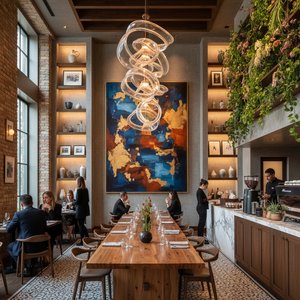
Taiteen voima ravintolassa: Tunnelman luominen ja asiakaskokemuksen kohottaminen
Luo unohtumaton tunnelma ravintolaasi tai kahvilaasi taiteella! tarjoaa laadukkaita öljymaalauksia ja printtejä, räätälöitynä brändisi mukaiseksi. Inspiroidu ja kohota asiakaskokemusta.
Seinämaalauksen voima: Ravintolan identiteetin luominen ja muistijäljen jättäminen taiteen avulla
Luo ravintolallesi unohtumaton identiteetti seinämaalauksella! Opas suunnittelusta toteutukseen – inspiraatiota, teknisiä vinkkejä ja case-esimerkkejä. Vahvista brändiäsi taiteen avulla.