
 Esikatselu
 Jaa teos
 Jaa
Jaa
 Tiedot
 Opas
Opas

 Lataa kuva
 Samanlaisia kohteita
 Röntgenkuvaus
 Diaesitys
 Kysymykset ja vastaukset
 Tilastot
Ethnographic drawing

- 43.0 x 30.0 cm


 Lue lisää
Tällä sivulla esitettyä taideteosta suojaa tekijänoikeuslaki, mikä tarkoittaa, ettemme voi laillisesti luoda tai myydä täsmälleen samanlaista jäljennöstä. Tämä suoja toteutetaan kansainvälisten sopimusten, kuten esimerkiksi Berne-konventio ja kansallisilla laeilla, mukaan lukien niillä määritellyt Yhdysvaltain tekijänoikeuslaki – Luku 17. Kaikki oikeudet pidätetään. Luvaton kopiointi tai jäljittely on kielletty.
Tämä menetelmä noudattaa täysin tekijänoikeussäännöksiä, sillä se ei sisällä suojatun taideteoksen kopioimista tai jäljentämistä. Sen sijaan kyseessä on luova uudelleentulkinta – uusi maalaus, joka ammentaa vaikutteita alkuperäisestä, mutta ei ole sen identtinen kopio.
Giclée- ja taideprintit
Museolaatuisia giclée- tai kankaitaulun tulosteita nopealla tuotannolla ja joustavilla viimeistelyvaihtoehdoilla. ( Osta käsinmaalattu taideteos Siirry digitaaliseen kuvaan)




P118B €10

P118H €10

P118W €10

P438Z €10

P508JH €12

P508YH €12

P805H €10

P805Z €10

P919BZ €10

P919G €10

P919XJ €10

P959ZH €10

P968JZ €12

W106C €8

W218G €10

W218JH €8

W218Y €10

W307PJ €10

W316G €10

W316PJ €8

W316Y €10

W398PJ €8

W4111J €10

W500HY €15

W500JH €15

W692G €12

W849H €8

W940BG €15

W953PJ €8




Valitse valmiista mitoistamme sellaiset, jotka vastaavat teoksen alkuperäisiä mittasuhteita.

Syötä tarvitsemasi leveys ja korkeus, jotta tuloste sopii kehyksiisi tai seinällesi. Tulostetta voidaan vain leikata, sitä ei voida koskaan suurentaa alkuperäistä kuvaa suuremmaksi, joten eri muotoinen koko aiheuttaa osan kuvasta katoamisen. Lähetämme sinulle digitaalisen mallikuvan hyväksyttäväksi ennen kuin aloitamme tulostuksen. Tällä sivulla näkyvä kuva ei näytä lopullista rajausta — vain mallikuva näyttää sen.
Maailmanlaajuinen toimitus () 2 viikossa tavallisen 4–5 viikon sijaan. (6 marraskuu)

Ilmainen pikatoimitus ympäri maailman

Korkealaatuinen pellavakangas

Kattava kuljetusvakuutus

Tulliveron palautustakuu

Takuu täydellisestä värien vastaavuudesta

100 päivän palautusoikeus (vain valmistusvirheet)

100% rahat takaisin -takuu

Määräalennus tarjolla
 Lasivaihtoehto on saatavilla vain alle 110 cm kokoisille teoksille

Ethnographic drawing
Giclée- ja taideprintit
Replikaatin koko
-


Kokonaishinta
€ 72
A Window into Cultural Heritage
In the delicate lines of Fernando Barbedo Galhano’s Ethnographic Drawing, we find more than just a mere sketch; we encounter a profound moment frozen in time. Created around 1900, this evocative black and white illustration serves as a silent witness to a bygone era of ritual and tradition. The composition centers on a figure seated with quiet dignity upon a stool, legs crossed in a posture of focused intent, cradling a large drum that seems to pulse with the phantom rhythms of a distant ceremony. Through Galhano’s masterful hand, the viewer is transported into a narrative space where the boundaries between observer and subject blur, inviting us to contemplate the deep-seated customs of the people depicted.
The scene is populated by a subtle choreography of figures that add layers of social complexity to the work. A companion stands nearby, perhaps an apprentice or a fellow musician, while distant silhouettes suggest a larger community gathered in the periphery. The inclusion of domestic elements, such as the simple chairs positioned within the frame, grounds this ethnographic study in a tangible reality, suggesting a space where the sacred and the everyday coexist. This interplay of figures creates a sense of depth and movement, guiding the eye through a meticulously detailed landscape of human connection.
The Mastery of Line and Shadow
Technically, this piece is a triumph of monochromatic precision. Galhano utilizes the stark contrast between light and shadow to sculpt form out of emptiness. The fine, rhythmic linework characteristic of early 20th-century ethnographic illustration allows for an incredible level of detail—from the texture of the drum's surface to the heavy folds of traditional garments. There is a deliberate, almost scientific clarity in his technique, yet it never sacrifices the soul of the subject. Each stroke feels purposeful, contributing to a sense of weight and presence that makes the two-dimensional medium feel remarkably three-dimensional.
For the discerning collector or interior designer, this drawing offers a sophisticated aesthetic that transcends mere decoration. Its monochromatic palette provides a timeless elegance, making it an ideal centerpiece for a gallery wall or a subtle accent in a minimalist study. The artwork carries an intellectual weight, appealing to those who appreciate the intersection of fine art and historical documentation. As a high-quality reproduction, it retains the soulful essence of Galhano’s original vision, offering a way to bring the rich, storied atmosphere of the National Museum of Ethnology into a contemporary living space.
An Emotional Resonance of Memory
Beyond its historical value, the Ethnographic Drawing evokes a powerful emotional response. There is a certain melancholy in its stillness—a sense of longing for the preservation of traditions that are often lost to the march of progress. The drawing acts as a bridge across time, allowing us to feel the gravity of the ritual and the shared humanity of the figures portrayed. It is an invitation to slow down, to observe, and to respect the intricate tapestry of human culture.
Whether you are drawn to it for its academic significance, its exquisite graphic quality, or its ability to spark conversation about our global heritage, this piece remains a captivating treasure. It is an investment in storytelling, providing any curated space with a sense of depth, wisdom, and enduring beauty.
Kysymykset ja vastaukset
Mitkä ovat alkuperäisen Fernando Barbedo Galhano:n "Ethnographic drawing" mitat?
Alkuperäisen teoksen Fernando Barbedo Galhano:n "Ethnographic drawing" mitat ovat 43 x 30 cm.
Ovatko teoksen Fernando Barbedo Galhano:n "Ethnographic drawing" värit kylläisiä vai hillittyjä?
Teoksen Fernando Barbedo Galhano:n "Ethnographic drawing" värien kylläisyys on Balanced Soft. Kylläisyys kuvaa sitä, kuinka voimakkaita tai himmeitä värit ovat.
Mistä voin ostaa digitaalisen kuvan teoksesta Fernando Barbedo Galhano:n "Ethnographic drawing"?
Saadaksesi teoksen Fernando Barbedo Galhano:n "Ethnographic drawing" digitaalisen tiedoston, tilaa korkearesoluutioinen digitaalinen kuvalataus sen Digitaalinen teos -sivulta.
Taiteilijan elämäkerta
fernando barbedo galhano, portugalilainen taiteilija, jätti peruuttamattoman jäljen taiteen ja etnografian maailmaan. Portossa vuonna 1904 syntynyt ja vuonna 1995 kuollut Galhano oli monipuolisten lahjojensa – maalarin, tutkijan, kuvittajan ja etnografin – todellinen mestari.
nuoruus ja koulutus
Galhanon taiteellinen matka sai alkunsa Portossa mestari Artur Loureiron johdolla. Tämä perustaopetus ei ainoastaan hionut hänen maalaustaitojaan, vaan herätti hänessä myös syvän arvostuksen Portugalin kulttuurisia vivahteita kohtaan. Hänen osallistumisensa Salão Silva Porto -näyttelyihin vuosina 1937, 1943, 1946, 1951 ja 1954 vahvisti entisestään hänen asemaansa Portugalin taideyhteisössä.etnografiset panokset
Vuonna 1948 osana Centro de Estudos de Etnografia Peninsularia -instituuttia Galhano teki yhteistyötä merkittävien hahmojen, kuten Jorge Diasin, Ernesto Veiga de Oliveitin ja Benjamim Pereiran kanssa. Tämä työ osoittautui hänen uransa virstanpylvääksi, tehden hänestä aikansa johtavan etnografisen kuvittajan. Hänen teoksensa kattavat laajan kirjon teemoja:- härkävaunut: todistus perinteisestä portugalilaisesta kuljetuksesta.
- kansanarkkitehtuuri: Portugalin kansanomaisen rakennustaidon olemuksen dokumentointia.
- maataloustyökalut: maan maatalousmaiseman muovanneiden välineiden korostamista.
- kuljetusjärjestelmät, koriperinteet, keramiikka, tekstiiliteknologia ja jauhatusjärjestelmät: kattava katsaus Portugalin monipuolisiin kulttuurisiin käytäntöihin.
- kalastus: Portugalin merikulttuurin sielun vangitseminen.
perintö ja vaikutus
Galhanon perintö ulottuu kauas hänen omaan aikakauteensa. Lissabonissa sijaitsevan Museu Nacional de Etnologia -museon perustajayhtenä hänellä oli keskeinen rooli Portugalin kulttuuriperinnön säilyttämisessä. Hänen tuhannet piirroksensa eivät ainoastaan dokumentoi Portugalin kulttuurin eri osa-alueita, vaan toimivat myös ikkunana maan entisiin siirtomaihin.- Galhanon työ on aarrearkku tutkijoille ja taiteen ystäville, tarjoten syvällisiä näkymiä portugalilaisen elämän monimutkaisuuteen.
- Hänen panoksensa etnografiaan on saanut maailmanlaajuista tunnustusta, mikä on vakiinnuttanut hänen asemansa yhtenä aikakautensa vaikutusvaltaisimmista taiteilijoista.
- Galhanon perintö jatkaa uusien taiteilijoiden, tutkijoiden ja etnografien inspiroimista.
johtopäätös
fernando barbedo galhanon elämä oli taiteen, tutkimuksen ja etnografian rikas kudelma. Työnsä kautta hän on jättänyt pysyvän jäljen taidemaailmaan ja jatkaa inspiroimista niitä, jotka kulkevat hänen polkujaan pitkin.- tutustu lisää Galhanon teoksiin osoitteessa https://OriginalUniqueArt.com/@/fernando-barbedo-galhano
- löydä Lissabonin Museu Nacional de Etnologia ja sen perustamistarina osoitteesta https://OriginalUniqueArt.com/@@/museu-nacional-de-etnologia-lisbon-portugal
- lue lisää etnografisesta kuvituksesta ja sen merkityksestä taidemaailmassa osoitteessa https://en.wikipedia.org/wiki/ethnographic_illustration
lähteet:
- fernando barbedo galhano, Wikipedia.
- museu nacional de etnologia, lisboa, portugali - https://AllPaintingshttps://OriginalUniqueArt.com/@@/museu-nacional-de-etnologia-lisbon-portugal
- centro de estudos de etnografia peninsular, portugali - https://OriginalUniqueArt.com/@/centro-de-estudos-de-etnografia-peninsular
Fernando Barbedo Galhano
1904 - 1995 , Portugali
Aiheeseen liittyvät artikkelit
Mustan sävyt taiteessa: 10 kuuluisinta mestariteosta ja niiden tarinat | OriginalUniqueArt
Tutustu 10 kuuluisimpaan mestariteokseen, joita hallitsee lampimusta. Rembrandtista Manetiin – taiteen historiaa ja inspiraatiota sisustukseesi. Laadukkaat öljyvärimaalaukset OriginalUniqueArt.com:ssa! Tutki kokoelma verkossa.

Mustan sävyt taiteessa: 10 kuuluisinta mestariteosta ja niiden tarinat
Tutustu 10 kuuluisimpaan mustasävyiseen mestariteokseen! Rembrandtista Manetiin, syvenny taiteen historiaan ja synkkiin tunnetiloihin. Laadukkaat taidevedokset sisustukseesi OriginalUniqueArt.com:ssa. Tutustu kokoelmaamme verkossa!
The Nuances of Graphite: Exploring Emotional Depth & Technical Mastery in Pencil Drawing
Explore the captivating world of graphite drawing! Discover its rich history, master essential techniques like chiaroscuro, and learn how artists evoke emotion through this timeless medium. Expert insights for art enthusiasts.
Mustan sävyt taiteessa: 10 kuuluisinta mestariteosta ja niiden tarinat
Tutustu 10 kuuluisimpaan maalaukseen, joita hallitsee syvä musta sävy. Rembrandtista Manetiin – taidemaalareiden tarinat ja mestariteosten merkitys. Löydä inspiraatiota sisustukseesi OriginalUniqueArt.com:sta! Tutki kokoelma verkossa.
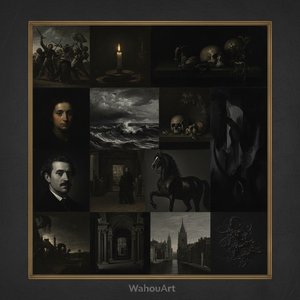
Mustan sävyt taiteessa: 10 mestariteosta ja niiden tarinat – OriginalUniqueArt.com
Tutustu 10 tunnetuimpaan mustasävyiseen maalaukseen! Rembrandtista Goya’han – taiteen historiaa ja inspiraatiota kotiisi. Laadukkaat öljyvärimaalaukset OriginalUniqueArt.com:ssa. Löydä mestariteokset verkosta!