Esikatselu
 Jaa teos
 Jaa
Jaa
 Tiedot
 Opas
Opas

 Lataa kuva
 Samanlaisia kohteita
 Röntgenkuvaus
 Diaesitys
 Kysymykset ja vastaukset
 Tilastot
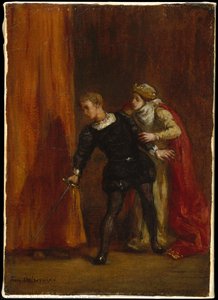
Illustration for Goethe's Faust

- 225.0 x 295.0 cm


 Lue lisää
Giclée- ja taideprintit
Museolaatuisia giclée- tai kankaitaulun tulosteita nopealla tuotannolla ja joustavilla viimeistelyvaihtoehdoilla. ( Osta käsinmaalattu taideteos Siirry digitaaliseen kuvaan)




P118B €10

P118H €10

P118W €10

P438Z €10

P508JH €12

P508YH €12

P805H €10

P805Z €10

P919BZ €10

P919G €10

P919XJ €10

P959ZH €10

P968JZ €12

W106C €8

W218G €10

W218JH €8

W218Y €10

W307PJ €10

W316G €10

W316PJ €8

W316Y €10

W398PJ €8

W4111J €10

W500HY €15

W500JH €15

W692G €12

W849H €8

W940BG €15

W953PJ €8




Valitse valmiista mitoistamme sellaiset, jotka vastaavat teoksen alkuperäisiä mittasuhteita.

Syötä tarvitsemasi leveys ja korkeus, jotta tuloste sopii kehyksiisi tai seinällesi. Tulostetta voidaan vain leikata, sitä ei voida koskaan suurentaa alkuperäistä kuvaa suuremmaksi, joten eri muotoinen koko aiheuttaa osan kuvasta katoamisen. Lähetämme sinulle digitaalisen mallikuvan hyväksyttäväksi ennen kuin aloitamme tulostuksen. Tällä sivulla näkyvä kuva ei näytä lopullista rajausta — vain mallikuva näyttää sen.
Maailmanlaajuinen toimitus () 2 viikossa tavallisen 4–5 viikon sijaan. (6 marraskuu)

Ilmainen pikatoimitus ympäri maailman

Korkealaatuinen pellavakangas

Kattava kuljetusvakuutus

Tulliveron palautustakuu

Takuu täydellisestä värien vastaavuudesta

100 päivän palautusoikeus (vain valmistusvirheet)

100% rahat takaisin -takuu

Määräalennus tarjolla
 Lasivaihtoehto on saatavilla vain alle 110 cm kokoisille teoksille

Illustration for Goethe's Faust
Giclée- ja taideprintit
Replikaatin koko
-


Kokonaishinta
€ 72
A Vision of Ambition and Desire
Eugène Delacroix's pencil drawing, “Illustration for Goethe’s Faust,” is more than just a depiction of a scene from the renowned German tragedy; it’s a potent distillation of Romantic ideals – a swirling vortex of movement, emotion, and dramatic intensity. Created in 1825 and currently residing within the hallowed halls of the Musée du Louvre in Paris, this work offers a glimpse into Delacroix's artistic soul and his profound engagement with the philosophical currents of his time. The image immediately commands attention: a powerfully mounted figure, draped in a turban and adorned with a flowing beard, dominates the composition, his hand firmly gripping a sword – a symbol of both power and potential conflict. He’s not merely riding; he's actively engaged, projecting an aura of command and restless energy.
The scene unfolds against a backdrop of implied action and subtle narrative. Two figures flank the central figure, their postures suggesting observation or perhaps even intervention in this unfolding drama. A soaring bird punctuates the upper portion of the image, adding a layer of dynamism and hinting at freedom – a concept frequently explored within the Romantic movement. Delacroix masterfully employs pencil to capture not just the likenesses of his subjects but also the very essence of their emotions; the tension in the horseman’s stance, the implied threat in his grip, all contribute to a palpable sense of unease and anticipation.
The Romantic Palette: Delacroix's Signature Style
Delacroix was a pivotal figure in the Romantic movement, rejecting the rigid formality of Neoclassicism in favor of expressive brushwork, vibrant color palettes, and emotionally charged subject matter. His “Illustration for Faust” exemplifies these characteristics perfectly. Unlike the smooth, polished surfaces favored by earlier artists, Delacroix’s pencil strokes are loose and visible, creating a sense of immediacy and movement. The drawing is rich with subtle tonal variations – from deep shadows that engulf portions of the scene to highlights that illuminate the figure's face and clothing – contributing to its dramatic effect. The use of light and shadow isn’t merely decorative; it serves to heighten the emotional impact, emphasizing the character’s intensity and vulnerability.
- Dynamic Composition: The diagonal thrust of the horseman’s posture creates a sense of forward momentum, pulling the viewer into the scene.
- Expressive Pencil Technique: Delacroix's loose, visible strokes convey energy and emotion, characteristic of Romanticism.
- Rich Tonal Range: The skillful use of light and shadow adds depth and drama to the composition.
A Window into Goethe’s World
Delacroix's drawing is a visual interpretation of Johann Wolfgang von Goethe’s epic tragedy, “Faust.” The story itself explores themes of ambition, desire, morality, and the consequences of unchecked pursuit of knowledge. Faust, a brilliant scholar consumed by dissatisfaction, makes a pact with Mephistopheles – the Devil – exchanging his soul for worldly pleasures and limitless power. The drawing captures this pivotal moment, hinting at the dangerous allure of forbidden knowledge and the potential for ruin that lies within such bargains. It’s important to note that Delacroix wasn't simply illustrating a scene from the play; he was conveying its underlying themes through visual language.
The connection between Delacroix and Goethe extends beyond this particular drawing. Both artists shared a fascination with the power of emotion, the complexities of human nature, and the exploration of the sublime – that feeling of awe and terror inspired by the vastness and indifference of the natural world. Delacroix’s travels to North Africa, documented in works like “View of Tangier,” undoubtedly informed his artistic vision, providing him with a wealth of exotic subjects and a deeper understanding of human experience.
A Legacy Preserved: The Musée du Louvre
The “Illustration for Goethe’s Faust” is but one example of the extraordinary collection housed within the Musée du Louvre in Paris. This iconic institution is renowned for its vast holdings of European art spanning centuries and encompassing a diverse range of styles and movements. Delacroix’s work stands alongside masterpieces by other Romantic giants like Géricault and Ingres, offering visitors a comprehensive overview of the era's artistic landscape. For those seeking to delve deeper into Delacroix’s oeuvre, reproductions and original works can be found at Eugène Delacroix: View of Tangier and other notable pieces on OriginalUniqueArt.
Kysymykset ja vastaukset
Ovatko teoksen Eugène Delacroix:n "Illustration for Goethe's Faust" värit kylläisiä vai hillittyjä?
Teoksen Eugène Delacroix:n "Illustration for Goethe's Faust" värien kylläisyys on Selkeä värikylläisyys. Kylläisyys kuvaa sitä, kuinka voimakkaita tai himmeitä värit ovat.
Mikä tekniikka ja tyyli luonnehtivat teosta Eugène Delacroix:n "Illustration for Goethe's Faust"?
"Illustration for Goethe's Faust" on toteutettu Akryyli kankaalle-tekniikalla ja edustaa Romanticism-tyyliä.
Mikä on Eugène Delacroix:n "Illustration for Goethe's Faust"-teoksen muoto ja mitkä ovat sen mitat?
Eugène Delacroix:n "Illustration for Goethe's Faust" on muodoltaan Vaaka-asento-tyyppinen teos, jonka koko on 225 x 295 cm.
Taiteilijan elämäkerta
Eugène Delacroix’n vallankumouksellinen siveltimenveto: Elämä ja perintö
Ferdinand Victor Eugène Delacroix, syntynyt Charenton-Saint-Maurice'ssa Pariisin lähellä vuonna 1798, oli enemmän kuin pelkkä taidemaalari; hän oli romantiikan kiihkeän hengen ruumiillistuma. Nousemalla johtohahmoksi ranskalaisessa taiteessa yhteiskunnallisen myllerryksen ja muuttuvien esteettisten ihanteiden aikana Delacroix hylkäsi uusklassismin jäykän formalisminsa omaksuen draamaa, tunnetta ja elävää väripalettia, joka muuttaisi maalauksen kulun ikuisesti. Hänen elämänsä, vaikka se oli merkitty henkilökohtaisella tragedialla, kietoutui erottamattomasti hänen taiteelliseen visioonsa – pyrkimykseen vangita ylevä, tutkia eksoottisia maailmoja ja ilmaista ihmiskokemuksen raaka voima.
Delacroix’n varhaiset vuodet muovautuivat monimutkaisen perhehistorian ja hieman hauraan terveyden vaikutuksesta. Orpo kuusitoistavuotiaana hän löysi ohjausta vaikutusvaltaiselta Charles-Maurice de Talleyrand-Périgordilta, jota monet uskoivat hänen todelliseksi isäkseen. Tämä yhteys tarjosi hänelle ratkaisevan suojeluksen ja pääsyn pariisilaisiin taidemaailmaan. Hän opiskeli aluksi Pierre-Narcisse Guérin'in johdolla, arvostetun akateemisen maalarin, mutta Théodore Géricault’n työ – erityisesti hänen monumentaalinen *Medusan lautta* – sytytti todella Delacroix’n taiteellisen intohimon. Hän jopa poseerasi Géricault'lle omaksuen vanhemman taiteilijan sitoutumisen realismiin ja tunteelliseen intensiteettiin.
Historiallisista kohtauksista eksoottisiin visioihin
Delacroix räjähti Salon-näyttelyyn vuonna 1822 teoksellaan *Dante ja Vergilius helvetissä*, joka merkitsi välittömästi hänen poikkeamistaan vakiintuneista normeista. Danten Alighierin *Infernosta* inspiroitunut maalaus esitteli rohkeaa värien käyttöä, dynaamista sommittelua ja käsinkosketeltavaa psykologista myllerrystä. Tämä aloitti uran, joka oli omistettu intohimon, konfliktien ja ihmisen tilan teemojen tutkimiselle. Vaikka se sai aluksi ristiriitaisia reaktioita – jotkut kriitikot ylistivät hänen omaperäisyyttään, toiset hylkäsivät työnsä kaoottiseksi ja klassisen hienostuneisuuden puutteelliseksi – Delacroix pysyi sinnikkäästi kehittäen tunnistettavaa tyyliään, jolle on ominaista löysä siveltimenveto, rikkaat tekstuurit ja painotus liikkeeseen.
Hänen kiinnostuksensa ulottui historiallisten ja kirjallisten aiheiden ulkopuolelle. Ratkaiseva matka Pohjois-Afrikkaan vuonna 1832 vaikutti syvästi hänen taiteelliseen kehitykseensä. Uppoutuen Marokon elävään kulttuuriin Delacroix lumoutui arabitribujen eksoottisista maisemista, paimentolaiselämäntavasta ja heidän perinteidensä intensiteetistä. Tämä kokemus täytti hänen maalauksensa uudella tunteella väriä, valoa ja energiaa, kuten teoksissa *Arabien taisteluhevosten* ja lukuisissa algerialaisen elämän tutkimuksissa näkyy. Hän ei vain dokumentoinut näitä kohtauksia; hän pyrki ymmärtämään toisen kulttuurin pohjimmaisen hengen.
Värin voima ja poliittinen sitoutuminen
Delacroix’n värien hallinta on ehkä hänen kestävin perintönsä. Hän inspiroitui Rubensin barokkiloistosta ja venetsialaisten renessanssimestareiden teoksista priorisoiden kromattista intensiteettiä tarkan piirustuksen sijaan. Hän ymmärsi, että väri voi herättää tunteita, luoda tunnelmaa ja välittää merkityksiä tavalla, jolla viiva ei voinut. Tämä innovatiivinen lähestymistapa vaikutti syvästi seuraaviin sukupolviin taiteilijoita, tasoittaen tietä impressionismille ja postimpressionismille.
Esteettisten innovaatioidensa lisäksi Delacroix oli poliittisesti sitoutunut taiteilija. Hänen ikonisin työnsä, *Vapauden johtama kansa* (1830), ei ole pelkästään heinäkuun vallankumouksen kuvaus; se on voimakas vapaus- ja kapinan allegoria. Maalauksen dynaaminen sommittelu, allegoriset hahmot ja raaka tunteellinen voima vakiinnuttivat sen taidehistoriassa ranskalaisen kansallisen identiteetin ja vallankumouksellisten ihanteiden symbolina. Kyse ei ollut vain tapahtuman dokumentoinnista; kyse oli kansakunnan vapaustaistelun hengen vangitsemisesta.
Kestävä vaikutus
Delacroix jatkoi tuottoisaa maalaamista koko elämänsä tutkien monipuolisia teemoja Shakespearen tragedioista Raamatun kertomuksiin. Hän antoi merkittävän panoksen myös litografina kuvittaen kirjallisuuden jättiläisten, kuten William Scottin ja Johann Wolfgang von Goethen, teoksia. Hänen ateljeestaan tuli taiteellisen vaihdon keskus houkutellen kunnianhimoisia maalaajia, joita vetosi hänen epätavanomaiseen lähestymistapaansa.
Kuollessaan vuonna 1863 Delacroix oli vakiinnuttanut asemansa yhdeksi Ranskan suurimmista taiteilijoista. Hänen vaikutuksensa ulottui kauas romantiikan liikkeen rajojen yli muokaten modernin maalauksen kehitystä ja inspiroiden lukemattomia taiteilijoita rohkealla värien käytöllään, dynaamisilla sommitteluillaan ja horjumattomalla sitoutumisellaan tunteelliseen ilmaisuun. Hän on edelleen keskeinen hahmo taidehistoriassa – todiste yksilöllisen vision voimasta ja ylevän viehätyksestä.

Eugène Delacroix
1798 - 1863 , Ranska
Pähkinänkuoressa
- Kansallisuus: Ranskalainen
- Koko Nimi: Eugène Delacroix
- Kuolinpäivä: 13. elokuuta 1863
- Merkittäviä Teoksia:
- Vapauden johtama kansa
- Sardanapalin kuolema
- Syntymäpaikka: Chantonnay, Ranska
- Syntymäpäivä: 26. huhtikuuta 1798
- Taidesuuntaus: Romantiikka
- Taiteilijat Jotka Vaikuttivat:
- Rubens
- Venetsialaiset mestarit
- Tähän Taiteilijaan Vaikuttaneet:
- Impressionismi
- Postimpressionismi
Aiheeseen liittyvät artikkelit

Ferdinand Delacroix: Romanticism's Revolutionary Brush – A Study of Passion, Politics, and Painterly Innovation
Explore the revolutionary art of Eugène Delacroix, leader of French Romanticism. Discover his masterful use of color, political engagement, and lasting influence on modern painting. Learn about key works & history.
Kay Rasmus Nielsen: A Golden Age Illustrator's Enchanting Legacy of Symbolism & Narrative
Explore the captivating world of Kay Rasmus Nielsen, a celebrated Golden Age illustrator renowned for his Art Nouveau fairy tale art & Disney contributions. Discover his unique style, enduring legacy, and how to collect his enchanting works.
The Power of Graphite: Mastering Depth, Texture, and Detail in the Art of Pencil Drawing
Explore the profound artistry of graphite drawing. Discover professional techniques for mastering depth, texture, and detail through a lens of art history, from classical sketches to modern masterpieces. Elevate your understanding of the pencil medium with our expert guide.

Louvren 25 mestariteosta: Taidetta, historiaa ja inspiraatiota kotiisi – OriginalUniqueArt.fi
Tutustu Louvren 25 kuuluisimpaan mestariteokseen! Leonardo da Vincin Mona Lisasta Venukseen de Miloon – taidetta, historiaa ja inspiraatiota kotiisi. Laadukkaat reproduktiot OriginalUniqueArt.comissa. Tutki kokoelma verkossa!
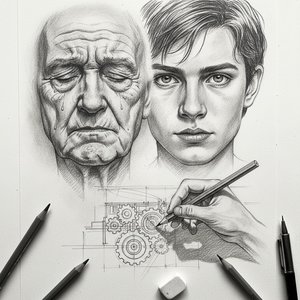
The Nuances of Graphite: Exploring Emotional Depth & Technical Mastery in Pencil Drawing
Explore the captivating world of graphite drawing! Discover its rich history, master essential techniques like chiaroscuro, and learn how artists evoke emotion through this timeless medium. Expert insights for art enthusiasts.