

 Katso seinällä
 Lähetä
 Jaa
Jaa
 Tarkemmat tiedot
 Opas
Opas

 Lataa kuva
 Samanlaisia kohteita
 Röntgenkuvaus
 Diaesitys
 Tilastot
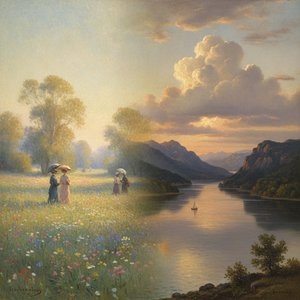
The Seine at Charenton


 Lue lisää
Giclée- ja taideprintit
Museolaatuisia giclée- tai kankaitaulun tulosteita nopealla tuotannolla ja joustavilla viimeistelyvaihtoehdoilla. ( Tilaa käsinmaalattu jäljennös Siirry digitaaliseen kuvaan)




P118B €10

P118H €10

P118W €10

P438Z €10

P508JH €12

P508YH €12

P805H €10

P805Z €10

P919BZ €10

P919G €10

P919XJ €10

P959ZH €10

P968JZ €12

W106C €8

W218G €10

W218JH €8

W218Y €10

W307PJ €10

W316G €10

W316PJ €8

W316Y €10

W398PJ €8

W4111J €10

W500HY €15

W500JH €15

W692G €12

W849H €8

W940BG €15

W953PJ €8




Valitse valmiista mitoistamme sellaiset, jotka vastaavat teoksen alkuperäisiä mittasuhteita.

Kirjoita tarvitsemasi leveys ja korkeus, jotta tuloste sopii kehyskokoon tai seinällesi. Tulostetta voidaan vain leikata, sitä ei voi koskaan tehdä suuremmaksi kuin alkuperäinen kuva, joten eri muotoinen koko aiheuttaa osan kuvasta katoamisen. Lähetämme sinulle digitaalisen mallikuvan hyväksyttäväksi ennen kuin aloitamme tulostuksen. Tällä sivulla näkyvä kuva ei näytä lopullista leikkausta — vain mallikuva näyttää sen.
Maailmanlaajuinen toimitus () 2 viikossa tavallisen 4–5 viikon sijaan. (25 lokakuu)

Ilmainen pikatoimitus ympäri maailman

Korkealaatuinen pellavakangas

Kattava kuljetusvakuutus

Tulliveron palautustakuu

Takuu täydellisestä värien vastaavuudesta

100 päivän palautusoikeus valmistusvirhetapauksissa

100% rahat takaisin -takuu

Määräalennus saatavilla
 Lasivaihtoehto on saatavilla vain alle 110 cm kokoisille teoksille

The Seine at Charenton
Giclée- ja taideprintit
Replikaatin koko
-


Kokonaishinta
€ 70
A Moment on the Seine: Ferdinand Guillaumin’s “The Seine at Charenton”
Ferdinand Guillaumin's "The Seine at Charenton," painted in 1878, is more than a picturesque depiction of a riverside scene; it’s a shimmering distillation of Impressionist philosophy. This captivating work transports the viewer to a fleeting moment on the banks of the Seine, capturing not just the physical appearance of Charenton but also the very essence of light and atmosphere that defined Guillaumin's artistic vision. The painting immediately draws the eye with its soft, diffused light – a hallmark of Impressionism’s pursuit of capturing transient effects rather than precise representation.
Guillaumin, a key figure within the French Impressionist movement, was deeply influenced by the theories of Eugène Duranty and Claude Monet. He shared their fascination with depicting the ephemeral qualities of nature, particularly the way light transforms surfaces and creates an illusion of movement. Unlike many of his contemporaries who focused on urban scenes, Guillaumin frequently returned to the landscapes of France, meticulously observing and translating the nuances of color and light onto canvas. “The Seine at Charenton” exemplifies this dedication, showcasing a masterful understanding of how atmospheric conditions can dramatically alter the appearance of familiar subjects.
A Symphony of Color and Light
Technically, the painting is executed with loose, visible brushstrokes – a deliberate choice by Guillaumin to prioritize capturing the *impression* of the scene over meticulous detail. The palette is remarkably restrained yet vibrant, dominated by delicate blues, greens, and ochres that evoke the shimmering surface of the Seine and the hazy sky above. Notice how he uses broken color—applying small dabs of paint side-by-side rather than blending them smoothly—to create a sense of luminosity and depth. The reflections on the water are particularly noteworthy, rendered with an almost ethereal quality, suggesting movement and fluidity.
Guillaumin’s technique is closely aligned with Monet's, yet possesses a unique lyricism. While Monet often sought to capture the objective reality of a scene, Guillaumin imbues his landscapes with a palpable sense of emotion and nostalgia. The composition itself contributes to this effect; the figures in the foreground are subtly blurred, suggesting their detachment from the viewer and inviting us to lose ourselves in the beauty of the natural world.
Symbolism and Emotional Resonance
Beyond its technical brilliance, “The Seine at Charenton” is rich in symbolic meaning. The presence of the boats – one a small rowboat and the other a larger vessel – hints at leisure and connection with nature. These figures, though indistinct, represent humanity’s relationship to the river, suggesting both activity and contemplation. The overall mood is serene and contemplative, inviting the viewer to pause and appreciate the simple pleasures of life. It's not merely a depiction of a place; it’s an evocation of a feeling – a sense of tranquility and connection with the natural world.
The choice of Charenton itself holds significance. Located just southeast of Paris, this charming town was already gaining popularity as a resort destination in the late 19th century, attracting artists and intellectuals seeking respite from the bustle of urban life. Guillaumin’s painting captures this atmosphere of relaxed sophistication, reflecting the growing interest in landscape art and the pursuit of beauty in everyday moments.
A Timeless Masterpiece
“The Seine at Charenton” remains a powerful testament to the enduring appeal of Impressionism. Its delicate colors, evocative brushstrokes, and subtle symbolism continue to captivate viewers today. Reproductions of this work offer an exceptional opportunity to bring the beauty of Guillaumin’s vision into any space, creating a focal point that radiates tranquility and invites contemplation. Consider it not just as a painting, but as a portal to a fleeting moment in time – a reminder of the profound beauty found in the simplest of scenes.
Kysymykset ja vastaukset
Millaista tunnelmaa Ferdinand Guillaumin:n "The Seine at Charenton" -teoksen reproduktio toisi huoneeseen?
Calm-tunnelmansa ansiosta "The Seine at Charenton" sopii erinomaisesti tilaan Living Room.
Kuinka suosittu "The Seine at Charenton" on Impressionist Landscape-suuntauksessa?
"The Seine at Charenton" on luokiteltu Recognized tasolle luettelon Impressionist Landscape teosten joukossa.
Mihin kohtaan Ferdinand Guillaumin urasta teos "The Seine at Charenton" sijoittuu?
Ferdinand Guillaumin'n uralla teos "The Seine at Charenton" sijoittuu aikakaudelle Mature Impressionism. Tämä vaihe auttaa vertaamaan sitä taiteilijan muihin teoksiin.
Taiteilijan elämäkerta
Early Life and Artistic Beginnings
Jean-Baptiste Armand Guillaumin, tunnetusti myös Armandina, syntyi Pariisissa vuonna 1841. Hänen varhaiset elämänsä olivat täynnä taiteellista intohimoa ja luovuutta, mikä jo nuoresta iästä lähtien näkyi hänen teoksissaan. Guillauminin perhe ei ollut taiteilijaperhe, mutta hänen isänsä oli valokuvamestari, mikä saattoi olla vaikuttanut siihen, että nuori Jean-Baptiste kiinnostui valaistuksesta ja varjoista jo varhain. Hän opiskeli aluksi akatemiassa, mutta hylkäsi perinteisen koulutuksen nopeasti, koska hän ei pitänyt siitä. Sen sijaan hän suuntautui tutkimaan Pariisin taidemaailmaa ja oppimaan suoraan kokeneemmilta taiteilijoilta. Guillauminin varhainen tyyli oli vaikutteita sekä realismista että romantismista, mutta jo heti alussa näkyi hänen pyrkimyksensä vangita hetkellisiä valon ja varjon leikkiä luonnossa.Impressionismin Nousu ja Guillauminin Osallistuminen
1860-luvulla Pariisi oli taiteellisen muutoksen keskipiste, kun impressionismi alkoi nousta esiin. Impressionistit pyrkivät kuvaamaan maailmaa sellaisena kuin he sen kokivat – hetkellisesti, valon ja värin avulla. Guillaumin oli yksi tämän liikkeen varhaisimmista ja intohimoisimmista puolestapuhujista. Hän liittyi impressionisteihin ja osallistui heidän näyttelyihinsä, joissa hän esitti teoksiaan, jotka olivat täynnä kirkkaita värejä, löyhästi siveltettyä pintaa ja luonnon heijastuksia. Hänen maalauksensa eivät pyrkineet tarkkaan jäljittelemään todellisuutta, vaan pikemminkin välittämään tunteen ja tunnelman. Guillauminin teoksissa näkyi vahva kiinnostus maisemaan, erityisesti Ranskan rannikkokaupunkeihin ja vihreisiin metsäalueisiin.Symbolismi ja Mystinen Ilmapiiri
Vaikka Guillaumin oli vahvasti sidottu impressionismiin, hänen teoksissaan näkyi myös symbolistisen taiteen vaikutteita. Hän oli kiinnostunut unien, mysteerin ja ihmismielen syvemmistä kerroksista. Hänen maalauksensa täyttyivät usein epätavallisilla hahmoilla, surrealistisilla ympäristöillä ja symbolisilla elementeillä. Guillauminin käyttämä voimakas väripaletti ja tunteellisesti latautuneet aiheet lisäsivät teoksiensa mystistä tunnelmaa. Hän pyrki luomaan maalauksistaan kokonaisuuksia, jotka herättävät katsojassa vahvoja tunteita ja ajatuksia. Hänen teoksissaan oli usein havaittavissa vaikutteita myös japanilaisesta taiteesta, erityisesti ukiō-painoksista, joista hän oli saanut inspiraation värien käyttöön ja maisemien kuvaamiseen.Merkittäviä Teoksia ja Yhteistyöt
Guillauminin tuotannossa on useita merkittäviä teoksia, jotka ovat edelleen suosittuja taidekriitikoiden ja yleisön keskuudessa. Hänen "Garden in Janville in June" -maalauksensa on yksi hänen tunnetuimmista teoksistaan, jossa hän onnistuneesti vanginnut heinäkuun auringonvalon ja kasvien elävän värimaailman. Myös "River Scene" ja "View of Puy de Dôme" ovat esimerkkejä hänen maisemamaalauksistaan, joissa hän onnistuu luomaan tunteen rauhasta ja harmoniasta. Guillaumin teki yhteistyötä myös muiden impressionistien kanssa, kuten Claude Moneten ja Camille Pissarron, ja osallistui heidän näyttelyihinsä. Hänen työnsä oli merkittävä osa impressionismin kehitystä ja vaikutti suuresti siihen, miten taiteilijat alkoivat tarkastella valoa ja väriä luonnossa.Perintö ja Muistaminen
Ferdinand Guillaumin kuoli vuonna 1927, mutta hänen teoksensa ovat edelleen esillä museoissa ympäri maailmaa. Hänen maalauksiaan arvostetaan niiden ainutlaatuisen tunnelman, voimakkaan väripaletin ja symbolisen merkityksen vuoksi. Hän oli yksi impressionismin varhaisimmista ja intohimoisimmista puolestapuhujista, ja hänen työnsä on edelleen inspiraation lähde taiteilijoille ympäri maailmaa. Hänen teoksiaan voi ihailla esimerkiksi Mont Holyoke College Art Museumissa Yhdysvalloissa sekä monissa muissa merkittävissä museoissa.
Ferdinand Guillaumin
1841 - 1927 , Ranska
Tietoa taiteilijasta
- Artistic Movement Or Style: impressionismi
- Artists Or Movements Influenced By This Artist:
- Louvre Museum
- Musée d’Orsay
- Artists Who Influenced This Artist:
- Vincent van Gogh
- Claude Monet
- Paul Cézanne
- Date Of Birth: 16. helmikuuta 1841
- Date Of Death: 26. kesäkuuta 1927
- Full Name: Jean Baptiste Armand Guillaumin
- Nationality: ranskalainen
- Notable Artworks:
- Puutarha Janvillessa
- Joen maisema
- Dômes näkymä
- Place Of Birth: Pariisi, Ranska
Aiheeseen liittyvät artikkelit
Capturing the Light: A Journey Through the Soul of American Impressionism and the Hudson River School
Explore the luminous beauty of American Impressionism and the Hudson River School. Discover a curated journey through light, landscape, and history, celebrating the enduring legacy of masters through exquisite, hand-painted oil reproductions for the discerning art lover.

Paul Cézannen 25 mestariteosta: Taidetta kotiisi – OriginalUniqueArt.com
Tutustu Paul Cézannen 25 vaikuttavinta mestariteosta! Postimpressionismin huipputeoksia, still life -maalauksia ja ikonisia maisemia. Löydä taiteen tarinat ja inspiroi kotisi sisustusta OriginalUniqueArt.com:ssa. Tutki kokoelma verkossa!

Evocations of Place: A Historical Journey Through Landscape Art
Explore the rich history of landscape art with OriginalUniqueArt. Discover renowned artists, movements like Impressionism & tonalism, and expert guidance for collecting timeless pieces. Find your perfect serene escape today!

Flowing Narratives: Rivers in Painting – A Historical Exploration
Explore the rich history of rivers in painting! Discover masterpieces from ancient times to Impressionism & beyond. Learn about symbolism, artists like Monet & Daubigny, and find your perfect serene artwork at OriginalUniqueArt.

Evocations of Place: A Historical Journey Through Landscape Art
Explore the rich history of landscape art with OriginalUniqueArt. Discover renowned artists, movements like Impressionism & Romanticism, and expert guidance for collecting timeless pieces. Find your perfect serene escape today!