
 Esikatselu
 Jaa teos
 Jaa
Jaa
 Tiedot
 Opas
Opas

 Lataa kuva
 Samanlaisia kohteita
 Röntgenkuvaus
 Diaesitys
 Q&A
Q&A Tilastot
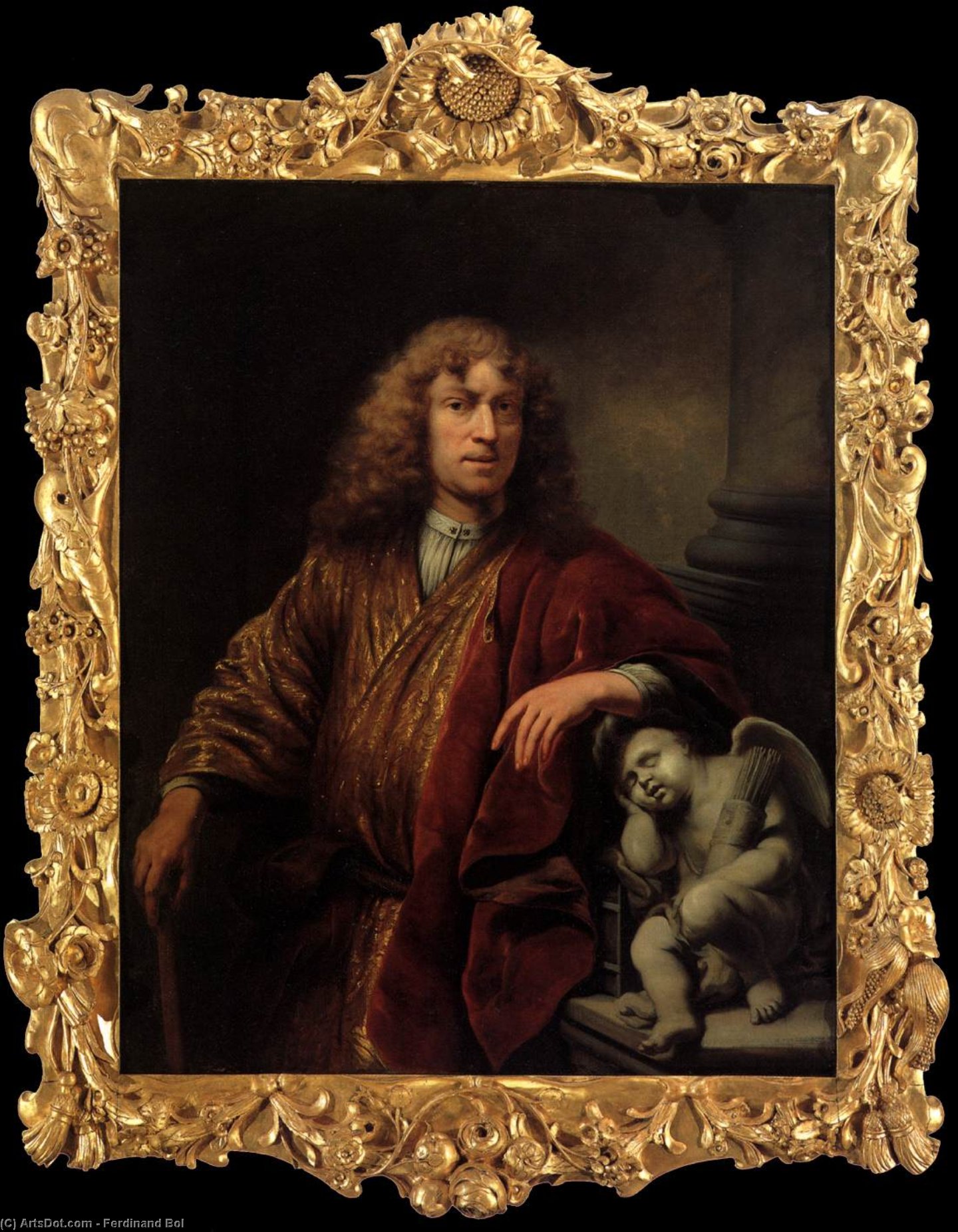
Self-Portrait
 Oil On Canvas
- WallArt
- Baroque
 1669
1669- Early Modern
 128.0 x 104.0 cm
 Rijksmuseum
 Lue lisää
Saat tulostusvalmiin tiedoston, jonka laatu ylittää verkkonäkymän huomattavasti. Jokainen myymämme digitaalinen kuva on peräisin arkistomme korkearesoluutioisesta mestariteoksesta — yleensä 5 000–15 000 pikselin levyisenä — joten voit tulostaa suuria kokoja, rajata tiukasti tai toistaa hienovaraiset yksityiskohdat luottavaisin mielin.
Mikään tiedosto ei lähde studiostamme muuttamatta. Digitaalinen asiantuntija vertaa värejä alkuperäiseen maalaukseen ja korjaa niitä tarvittaessa, minkä jälkeen hän parantaa kuvan selkeyttä ja yksityiskohtia ammattimaisilla retusointityökaluilla — säilyttäen aina uskollisena taiteilijan siveltimenjäljen ja tyylin. Lopputuloksena on kuva, joka näyttää maalauselta, eikä suodatetulta skannaukselta.
Hyväksyt työn ennen valmistumistaan: asiantuntijamme lähettää kuvan tarkistettavaksi sähköpostitse 72 tunnin kuluessa. Etkö ole tyytyväinen? Pyydä parannuksia tai korjauksia, tai pyydä hyvitystä, mikäli laatu ei vastaa odotuksia.
Tämä on laatua, johon kustantamot, design-studiot, galleriat ja painotalot luottavat.
Digitaalinen kuva
Lataa korkearesoluutioinen tiedosto henkilökohtaiseen näyttelyyn, tulostamiseen ja luoviin projekteihin. ( Vaihda tulosteeseen Osta käsinmaalattu taideteos)
Sisältyy jokaiseen digitaalisen kuvan tilaukseen
Asiantunteva digitaalinen toimitus, laatu taattu
Kun valitset OriginalUniqueArt.com-palvelun, et saa vain kuvaa – saat ammattimaisesti viimeistellyn digitaalisen taideteoksen, joka on luotu tarkkuudella ja jonka takaa tulee tyytyväisyystakuu. Tässä on kaikki, mitä tilauksesi sisältää, automaattisesti:

Nopea sähköpostitoimitus
Saat korkearesoluutioisen digitaalisen kuvatiedostosi sähköpostiisi 72 tunnin kuluessa tilauksesta – valmiina käytettäväksi välittömästi.

Tekoälyllä parannettu digitaalinen tiedosto
Teoksesi on optimoitu ammattimaisesti edistyneiden tekoälytyökalujen ja manuaalisen jälkikäsittelyn avulla, mikä takaa maksimaalisen yksityiskohtaisuuden, selkeyden ja väritarkkuuden.

Ilmainen uudelleenlähetys elinikäisesti
Oletko vahingossa poistanut tai kadottanut tiedostosi? Ei hätää – lähetämme sen sinulle uudelleen milloin tahansa täysin maksutta.

Ei tuontimaksuja – koskaan
Nauti taiteestasi välittömästi ilman tullimaksuja, veroja tai toimituskuluja – digitaaliset lataukset ovat aina verovapaita.

Värintoiston tarkkuustakuu
Varmistamme, että digitaalinen kuvasi vastaa alkuperäisiä värejä mahdollisimman tarkasti käyttämällä ammattilaistason työkaluja ja värinhallintaa.

100 päivän tyytyväisyystakuu
Jos et ole tyytyväinen digitaaliseen kuvaasi, muokkaamme sitä tai palautamme 100% hinnan 100 päivän kuluessa – kysymystä ei esitetä.

100% Rahat takaisin -takuu
Et ole tyytyväinen? Saat täyden hyvityksen 100 päivän kuluessa digitaalisen tiedostosi vastaanottamisesta – kysymystä ei esitetä.

Määräalennukset
Osta 3 kuvaa, säästä 10% - Osta 5, säästä 15% - Osta 10+, säästä 20%. Erinomainen valinta luoviin projekteihin, gallerioille ja toimistoille.
The Grandeur of Self-Reflection: A Baroque Masterpiece
To stand before this self-portrait is to encounter not merely a likeness, but a carefully constructed statement of status, intellect, and enduring confidence. Rendered in the opulent style of the Baroque period, this work captures the sitter at a moment of profound self-possession. The composition immediately draws the eye into the central figure, whose very bearing speaks of wealth and established dignity. Notice how the artist has utilized dramatic lighting—the hallmark of chiaroscuro—allowing deep shadows to cradle rich folds of fabric while brilliant highlights catch the sheen of luxurious garments and the thoughtful planes of the face. It is a visual symphony built upon contrast, demanding that the viewer pause and absorb the weight of its artistry.
Technique and Material Mastery
The technical execution here is nothing short of masterful. The artist employed oil paints on canvas, allowing for an incredible depth of texture that seems almost palpable. One can trace the meticulous brushwork in the sitter's richly draped clothing, where visible strokes build up volume and suggest the weight of velvet and silk. The handling of skin tones contrasts beautifully with the solidity of the architectural elements—the column and the subtle backdrop. These lines are not merely outlines; they flow, guiding the viewer’s gaze through the carefully orchestrated space. The perspective is expertly managed, employing a one-point focus that anchors all visual energy directly onto the self-portraitist, making the viewing experience intensely personal.
Historical Echoes and Symbolism
Dating to 1669, this piece emerges from the vibrant, ambitious heart of the Dutch Golden Age. While the sitter presents himself as a man of considerable means, the inclusion of the small statue in the background adds a layer of intellectual depth. Such symbolic elements often alluded to classical virtues—perhaps wisdom, or divine favor—suggesting that the subject’s self-regard was rooted not just in earthly success, but in cultivated virtue. The entire presentation speaks to an era where portraiture served as both commemoration and carefully curated public identity.
Bringing Baroque Grandeur Home
For those seeking to infuse a space with the gravitas and romance of historical European art, this reproduction offers unparalleled depth. Imagine this piece gracing a formal drawing-room or a library; its rich palette of deep reds, burnished golds, and warm browns will anchor any sophisticated interior design scheme. The layered textures and dramatic interplay of light make it an instant focal point. Owning a high-quality rendition allows one to connect intimately with the technical brilliance of Ferdinand Bol’s era, bringing home not just a painting, but a tangible piece of Baroque narrative drama.
Kysymykset ja vastaukset
Mihin käyttöön "Self-Portrait"-teoksen painos on suositeltava?
Ferdinand Bol:n "Self-Portrait"-teoksen reproduktio on suositeltava Accent. Tämä suositus perustuu teoksen aiheeseen, tunnelmaan ja väreihin.
Kuinka voimakas kontrasti teoksessa Ferdinand Bol:n "Self-Portrait" on?
Teoksen "Self-Portrait" valoisuus- ja varjokontrasti on Bold. Kontrasti kuvaa, kuinka voimakkaasti vaaleat ja tummat alueet eroavat toisistaan.
Mitkä ovat alkuperäisen "Self-Portrait" mitat?
Teoksen "Self-Portrait" alkuperäiset mitat ovat 128 x 104 cm. Alkuperäiset mitat ovat hyödyllinen vertailukohta, kun valitset reproduktion kokoa.
Taiteilijan esittely
Ferdinand Bol: A Forgotten Master of the Dutch Golden Age
Ferdinand Bol, a name perhaps less familiar than those of his illustrious contemporaries Rembrandt van Rijn ja Johannes Vermeer, nevertheless occupies a significant, if often overlooked, position within the pantheon of 17th-century Dutch Masters. Born in Dordrecht vuonna 1616, Bol’s artistic journey was deeply intertwined with that of Rembrandt, serving as a pupil in the master's Amsterdam studio during a formative period. This apprenticeship profoundly shaped his style, initially leading to works so convincingly reminiscent of Rembrandt that attribution could prove challenging even for seasoned experts. However, to simply categorize Bol as a mere imitator would be a disservice to his own unique artistic voice and considerable talent. His early life laid the groundwork for a career marked by both technical brilliance and an evolving stylistic independence. While details regarding his initial training remain somewhat scarce – possibilities include tutelage under Jacob Cuyp in Dordrecht tai Abraham Bloemaert in Utrecht – it was undoubtedly his time with Rembrandt that proved pivotal, immersing him in the dramatic lighting, psychological depth, ja masterful brushwork characteristic of the Baroque period.Early Influences and Apprenticeship
Bol’s artistic development began in Dordrecht, where he received his initial training, likely under Jacob Gerritsz. Cuyp, a renowned local painter known for his landscapes and genre scenes. The exact details of his early education remain somewhat hazy, with speculation suggesting a brief period spent studying under Abraham Bloemaert in Utrecht, a master known for his dramatic compositions and use of light. However, the most crucial element of Bol’s formative years was undoubtedly his time as Rembrandt van Rijn's pupil in Amsterdam from approximately 1630 until around 1642. This apprenticeship proved transformative, exposing him to Rembrandt’s revolutionary techniques – particularly his masterful manipulation of *chiaroscuro*, the dramatic interplay of light and shadow that characterized much of Rembrandt’s work. Bol quickly absorbed these lessons, producing paintings in the early 1640s that were strikingly similar to Rembrandt's style, often leading scholars to initially misattribute them to the master himself. The documentary evidence for Bol’s association with Rembrandt is substantial, including an annotation on the verso of a drawing by Rembrandt dated around 1636, confirming his presence in the studio and highlighting his skill as a student. This period instilled in him not only technical proficiency but also a deep understanding of how to convey emotion, drama, ja psychological complexity through visual means.From Rembrandt’s Shadow to Independent Vision
Bol's artistic development can be traced through a fascinating trajectory—one beginning with faithful emulation and gradually blossoming into a distinctive personal style. In his early works, the influence of Rembrandt is undeniable; compositions often echo those of his teacher, employing similar *chiaroscuro* effects ja a penchant for portraying figures in moments of intense emotional or psychological drama. However, as Bol matured, he began to refine his technique, moving towards a greater emphasis on clarity, elegance, ja refined detail. His palette lightened, ja his figures acquired a more polished, aristocratic bearing. This shift is particularly evident in his portraits, which became increasingly sought after by Amsterdam’s wealthy elite. He quickly rose through the ranks of Amsterdam's artistic community, becoming a *burgher* (citizen) in 1652 ja marrying into a family with connections to both the Admiralty ja the wine merchants’ guild – affiliations that undoubtedly contributed to securing prestigious commissions. Notably, he received orders for chimney pieces for the new Amsterdam Town Hall, designed by Jacob van Campen, a testament to his growing reputation ja artistic standing. He even took on pupils of his own, most notably Godfrey Kneller, who would later achieve fame as an English portrait painter.A Diverse Oeuvre: Historical Narratives and Portraiture
Bol’s oeuvre is remarkably diverse, encompassing historical subjects, portraits, *tronies* (character studies), ja even some landscape elements. He demonstrated a particular aptitude for large-scale historical paintings, imbuing them with a sense of grandeur ja dramatic tension. The Peace Negotiations between Claudius Civilis and Quintus Petillius Cerealis on the Demolished Bridge, now housed in a museum collection, stands as a prime example of his skill in depicting complex narratives with compelling visual impact. The painting showcases not only his mastery of composition ja perspective but also his ability to convey the weight of historical events through expressive gestures ja carefully rendered details. However, it was perhaps in the realm of portraiture that Bol truly excelled. He possessed an uncanny ability to capture the likenesses of his sitters while simultaneously revealing their inner character ja social status. His portraits are characterized by a refined elegance ja psychological insight, offering glimpses into the lives ja personalities of Amsterdam’s prominent citizens. Works like Man in Golden Helmet (Mars), now residing in Warsaw's National Museum, exemplify this talent, presenting a figure imbued with both authority ja vulnerability. Bol’s style evolved over time, moving away from the direct imitation of Rembrandt towards a more independent and refined aesthetic, influenced by the prevailing trends of the era – particularly the *flaamilaisvaikutteinen* (Flemish-influenced) style that was gaining popularity in Amsterdam.Legacy and Rediscovery
Despite his success during his lifetime, Ferdinand Bol’s reputation waned considerably after his death in 1680. His works were often misattributed to Rembrandt, obscuring his individual contributions to Dutch Golden Age painting. It wasn't until the 20th century that concerted efforts began to re-evaluate his oeuvre ja establish him as a significant artist in his own right. Today, scholars ja collectors are increasingly recognizing the unique qualities of Bol’s work—his masterful technique, his evolving stylistic independence, ja his ability to capture both the outward appearance ja inner lives of his subjects. While his output remains relatively small compared to some of his contemporaries, the surviving paintings offer a captivating window into the artistic ja cultural landscape of 17th-century Amsterdam. His legacy continues to inspire admiration ja intrigue, ensuring that this once-forgotten master will continue to be rediscovered ja appreciated by generations to come. The Museum Van Loon in Amsterdam ja the Rembrandt House Museum both provide opportunities to encounter his work within the context of the era that shaped him.
Ferdinand Bol
1616 - 1680 , Alankomaat
Pähkinänkuoressa
- Artistic Movement Or Style: Barokki maalari
- Artists Or Movements Influenced By This Artist: ['Jacob Cuyp']
- Artists Who Influenced This Artist: ['Rembrandt van Rijn']
- Date Of Birth: 24. kesäkuuta 1616
- Date Of Death: 24. elokuuta 1680
- Full Name: Ferdinand Bol
- Nationality: Alankomainen
- Notable Artworks:
- Rauhan neuvottelut...
- Pyrrhus esittää...
- Kultaisen kypärän mies
- Place Of Birth: Dordrecht, Alankomaat