
 Esikatselu
 Jaa
Jaa Jaa
Jaa
 Tarkemmat tiedot

 Lataa
Lataa
 Samanlaisia
 Röntgenkuva
 Diaesitys
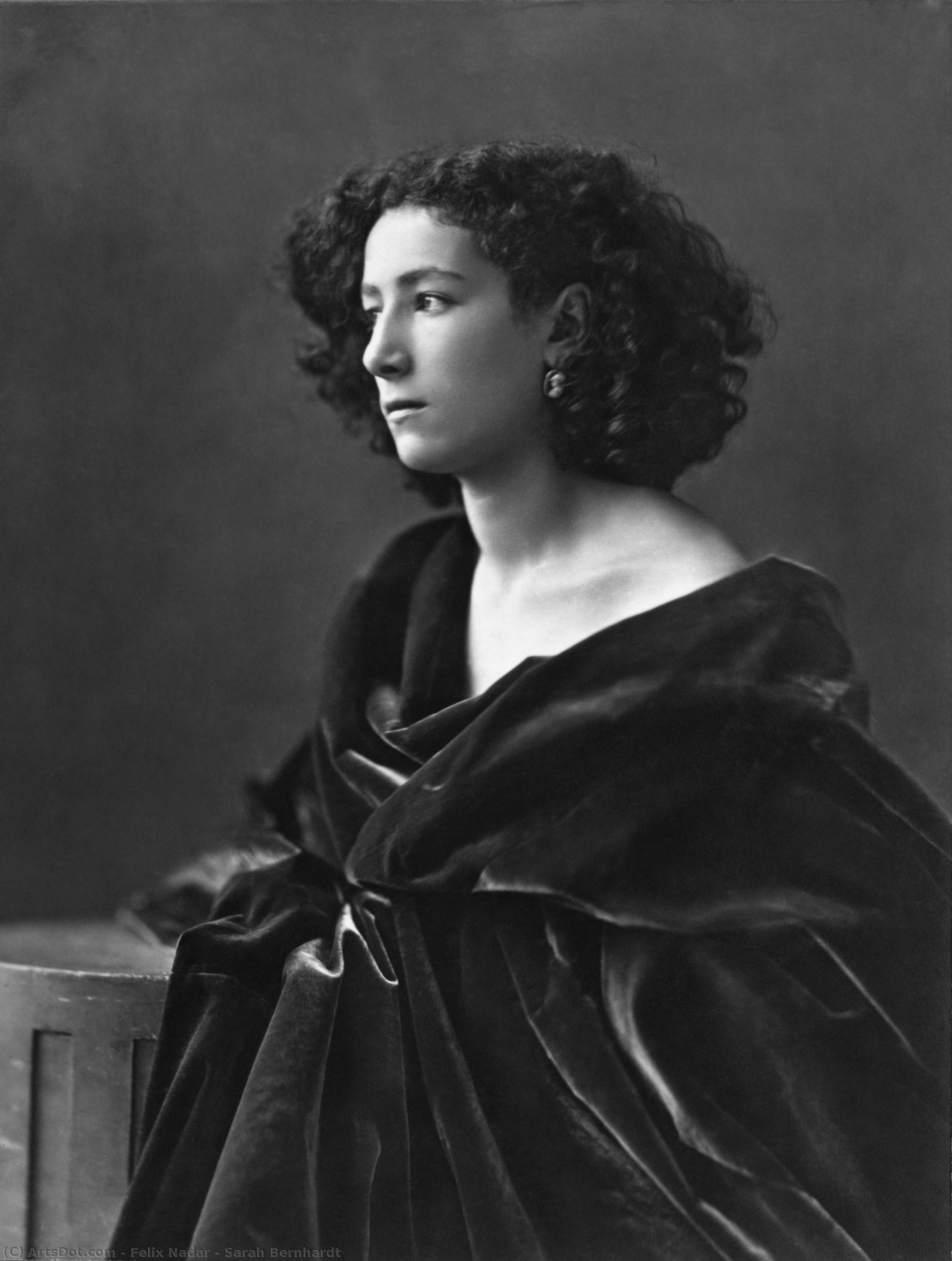
Sarah Bernhardt
 Acrylic On Canvas
- WallArt
- 19th-century photography
 1864
1864 21.0 x 16.0 cm
 J. Paul Getty -museo
 Näytä lisää
Osta korkearesoluutioinen, parannettu digitaalikuva, joka on laadultaan huomattavasti parempi kuin verkkosivuston esikatselu.
Jokainen tiedosto valmistellaan huolellisesti omien asiantuntijoidemme toimesta käyttäen edistyneitä työkaluja ja ammattitaitoista manuaalista retusointia. Varmistamme, että jokaisessa kuvassa on poikkeuksellinen selkeys, tarkka värintoisto ja hienovaraiset yksityiskohdat.
Lopputiedosto toimitetaan sähköpostitse 72 tunnin kuluessa, ja se on optimoitu välittömään käyttöön ammattimaisissa, toimituksellisissa ja painoympäristöissä. Laatu on sama, johon huipputason suunnittelustudiot, kustantajat ja galleriat luottavat.
Digitaalinen kuva
Lataa korkearesoluutioinen tiedosto henkilökohtaiseen näyttelyyn, tulostamiseen ja luoviin projekteihin. ( Siirry tulosteeseen Vaihda käsinmaalattuun versioon)
Sisältyy jokaiseen digitaalisen kuvan tilaukseen
Asiantunteva digitaalinen toimitus, taattuun laatuun
Kun valitset OriginalUniqueArt.com-palvelun, et saa vain kuvaa – saat ammattimaisesti parannetun digitaalisen taideteoksen, joka on luotu tarkkuudella ja jonka takaa tulee tyytyväisyystakuu. Tässä on kaikki, mitä tilauksesi sisältää, automaattisesti:

Nopea digitaalinen toimitus
Korkearesoluutioinen digitaalinen kuvatiedostosi lähetetään sähköpostiisi 72 tunnin kuluessa tilauksesta – valmiina käytettäväksi välittömästi.

Tekoälyllä parannettu digitaalinen tiedosto
Taiteilijasi teos on optimoitu ammattimaisesti edistyneiden tekoälytyökalujen ja manuaalisen muokkauksen avulla, mikä takaa maksimaalisen yksityiskohtaisuuden, selkeyden ja väritarkkuuden.

Ilmainen elinikäinen uudelleenlähetyspalvelu
Oletko vahingossa poistanut tai kadottanut tiedostosi? Ei hätää – lähetämme sen sinulle uudelleen milloin tahansa täysin maksutta.

Ei tuontimaksuja – koskaan
Nauti taiteestasi välittömästi ilman tulleja, veroja tai toimitusmaksuja – digitaaliset lataukset ovat aina verovapaita.

Värintoiston tarkkuustakuu
Varmistamme, että digitaalinen kuvasi vastaa alkuperäisiä värejä mahdollisimman tarkasti käyttämällä ammattilaistason työkaluja ja värinhallintaa.

60 päivän tyytyväisyystakuu
Jos et ole tyytyväinen digitaaliseen kuvaasi, muokkaamme sitä tai palautamme 100% takaisin 60 päivän kuluessa – ilman kysymyksiä.

100% Rahat takaisin -takuu
Etkö ole tyytyväinen? Saat täyden hyvityksen 60 päivän kuluessa digitaalisen tiedostosi vastaanottamisesta – ilman kyselyitä.

Suurtilaaja-alennukset
Osta 3 kuvaa, säästä 10% - Osta 5, säästä 15% - Osta 10+, säästä 20%. Erinomainen valinta luoviin projekteihin, gallerioille ja toimistoille.
Keräilykohteen kuvaus
A Portrait of Timeless Grace: Sarah Bernhardt by Félix Nadar
Félix Nadar’s “Sarah Bernhardt,” captured in 1864, transcends the conventional portrait and becomes a profound study of presence—a frozen moment of theatrical intensity. More than simply a likeness, it's an intimate revelation of the legendary actress herself, radiating both vulnerability and formidable strength. The photograph, executed with the meticulous precision characteristic of Nadar’s work, offers a rare glimpse into Bernhardt’s carefully constructed stage persona, yet simultaneously hints at the woman beneath the glittering facade.
The image is dominated by a striking monochrome palette—a symphony of grays ranging from deep charcoal to delicate silver. This deliberate absence of color forces the viewer to focus entirely on form and texture, highlighting the intricate details of Bernhardt’s face, the luxurious drape of her shawl, and the subtle play of light and shadow across her features. Nadar masterfully employs chiaroscuro—the dramatic contrast between light and dark—to sculpt Bernhardt's figure, emphasizing her cheekbones, the delicate curve of her lips, and the downward tilt of her head, a gesture that simultaneously conveys melancholy and quiet contemplation.
The Language of Photography: Technique and Process
Nadar’s choice of wet collodion process is crucial to understanding the photograph's unique character. This demanding technique required immediate development—the plate had to be prepared, exposed, and processed within minutes, creating a remarkable immediacy in the image. The slight imperfections inherent in this method – subtle shifts in tone, minute variations in sharpness – contribute to the photograph’s authentic feel, imbuing it with a sense of captured time rather than a polished, idealized representation.
The composition itself is remarkably restrained. Nadar eschews elaborate backgrounds or distracting props, focusing entirely on Bernhardt and her immediate surroundings. The shallow depth of field further isolates the subject, drawing the viewer’s attention to her face and creating an intimate sense of connection. Note the subtle vignette effect around the edges – a darkening that frames the subject and directs the eye inward, mirroring the theatrical spotlight she commanded on stage.
A Star is Born: Context and Symbolism
“Sarah Bernhardt” was taken at a pivotal moment in the actress’s career. Just twenty years old, she was already establishing herself as one of France's most celebrated performers, captivating audiences with her dramatic range and magnetic stage presence. The photograph captures this burgeoning fame—the poised confidence, the hint of vulnerability—and foreshadows the legendary status she would eventually achieve.
The shawl draped around Bernhardt’s shoulders is more than just a garment; it's a symbol of both protection and concealment. It frames her face, drawing attention to her expressive eyes and carefully controlled expression, while simultaneously hinting at the layers beneath—the private emotions and personal struggles that fueled her performances. The downward gaze, often interpreted as sadness or introspection, adds a layer of complexity to the portrait, suggesting a depth beyond mere theatricality.
A Legacy in Silver: Nadar’s Vision
Félix Nadar's “Sarah Bernhardt” stands as a testament to his pioneering spirit and artistic vision. He wasn’t simply documenting a celebrity; he was attempting to capture the essence of a personality, revealing the inner life behind the public persona. This photograph exemplifies Nadar’s approach to portraiture—a willingness to challenge conventions, embrace imperfection, and delve into the psychological complexities of his subjects. It remains a powerful and enduring image, offering a captivating glimpse into the world of 19th-century theater and the remarkable woman who dominated it.
Taiteilijan elämäkerta
Félix Nadar: A Pioneer of Photography
Early Life and Beginnings
- Born: Gaspard-Félix Tournachon on April 5, 1820, in Paris (though some sources suggest Lyon).
- His father, Victor Tournachon, was a printer and bookseller.
- Initially studied medicine but abandoned it due to financial constraints after his father’s death.
- Nadar, as he became known, began his career as a caricaturist and novelist, contributing to various newspapers.
From Caricature to Photography
- Began experimenting with photography around 1853.
- Opened his first photographic studio in 1854 at 113 rue St. Lazare, later moving to 35 Boulevard des Capucines in 1860.
- Quickly gained recognition for his striking and psychologically insightful portraits.
- Rejection of Convention: Nadar eschewed the opulent backdrops common in portraiture, preferring natural light and a focus on the sitter’s personality.
Pioneering Aerial Photography
- In 1858, Nadar became the first person to take aerial photographs using balloons.
- Overcame technical challenges related to developing photographic plates at altitude by inventing a gas-proof cotton cover for his balloon baskets.
- Also pioneered artificial lighting in photography, notably within the Paris Catacombs.
- Le Géant: Commissioned the construction of a massive balloon named “Le Géant” (The Giant) in 1863, inspiring Jules Verne’s *Five Weeks in a Balloon*.
Major Achievements and Influences
- Portraiture: Photographed numerous prominent figures including Victor Hugo, Charles Baudelaire, Sarah Bernhardt, and Gustave Courbet.
- Established the world’s first airmail service during the Siege of Paris (1870-71) using balloon flights.
- Hosted the first Impressionist exhibition in his studio in 1874, providing a crucial platform for emerging artists.
- Published what is considered the first photo-interview in 1886, featuring chemist Michel Eugène Chevreul.
Later Life and Legacy
- Moved his studio to Marseille from 1895 to 1909.
- Died on March 20, 1910, in Paris and is buried in Père Lachaise Cemetery.
- His son, Paul Nadar, continued the studio’s operations after his death.
- Quand j’étais photographe: Published a memoir reflecting on his life and work, offering valuable insights into 19th-century photography.
- Historical Significance: Nadar's innovative techniques and artistic vision profoundly impacted the development of photography as an art form. His portraits remain iconic representations of Parisian intellectual and artistic circles.
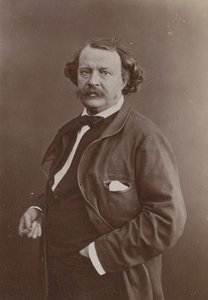
Félix Nadar
1820 - 1910
Lyhyesti esiteltynä
- Birth Date: April 5, 1820
- Death Date: March 20, 1910
- Influenced: ['Jules Verne']
- Movement:
- Photography
- Caricature
- Impressionism (associated)
- Name: Félix Nadar
- Nationality: French
- Notable Works:
- Portraits of Baudelaire, Hugo, Delacroix
- Aerial Photography
- Photo-interview with Chevreul

