

 Katso seinällä
 Lähetä
 Jaa
Jaa
 Tarkemmat tiedot
 Opas
Opas

 Lataa kuva
 Samanlaisia kohteita
 Röntgenkuvaus
 Diaesitys
 Tilastot
The First Communion
 Oil On Canvas
- WallArt
- Symbolism
 1896
1896- 19th Century
 65.0 x 53.0 cm
 Metropolitanin museo
 Lue lisää
Giclée- ja taideprintit
Museolaatuisia giclée- tai kankaitaulun tulosteita nopealla tuotannolla ja joustavilla viimeistelyvaihtoehdoilla. ( Tilaa käsinmaalattu jäljennös Siirry digitaaliseen kuvaan)




P118B €10

P118H €10

P118W €10

P438Z €10

P508JH €12

P508YH €12

P805H €10

P805Z €10

P919BZ €10

P919G €10

P919XJ €10

P959ZH €10

P968JZ €12

W106C €8

W218G €10

W218JH €8

W218Y €10

W307PJ €10

W316G €10

W316PJ €8

W316Y €10

W398PJ €8

W4111J €10

W500HY €15

W500JH €15

W692G €12

W849H €8

W940BG €15

W953PJ €8




Valitse valmiista mitoistamme sellaiset, jotka vastaavat teoksen alkuperäisiä mittasuhteita.

Kirjoita tarvitsemasi leveys ja korkeus, jotta tuloste sopii kehyskokoon tai seinällesi. Tulostetta voidaan vain leikata, sitä ei voi koskaan tehdä suuremmaksi kuin alkuperäinen kuva, joten eri muotoinen koko aiheuttaa osan kuvasta katoamisen. Lähetämme sinulle digitaalisen mallikuvan hyväksyttäväksi ennen kuin aloitamme tulostuksen. Tällä sivulla näkyvä kuva ei näytä lopullista leikkausta — vain mallikuva näyttää sen.
Maailmanlaajuinen toimitus () 2 viikossa tavallisen 4–5 viikon sijaan. (26 lokakuu)

Ilmainen pikatoimitus ympäri maailman

Korkealaatuinen pellavakangas

Kattava kuljetusvakuutus

Tulliveron palautustakuu

Takuu täydellisestä värien vastaavuudesta

100 päivän palautusoikeus valmistusvirhetapauksissa

100% rahat takaisin -takuu

Määräalennus saatavilla
 Lasivaihtoehto on saatavilla vain alle 110 cm kokoisille teoksille

The First Communion
Giclée- ja taideprintit
Replikaatin koko
-


Kokonaishinta
€ 70
The Haunting Beauty of "The First Communion": A Symbolist Portrait of Innocence
Eugène Anatole Carrière’s “The First Communion,” painted in 1896, isn't merely a depiction of a religious ceremony; it’s a profoundly evocative exploration of childhood innocence, spiritual yearning, and the subtle anxieties that lie beneath the surface of faith. This masterpiece, now housed within the collections of art institutions worldwide, exemplifies Carrière’s signature style – a near-monochrome palette dominated by muted browns and greys, creating an atmosphere of ethereal mystery and quiet melancholy. The painting immediately draws the viewer into a dreamlike space, where reality seems to soften and blur at the edges.
Carrière's artistic journey was deeply influenced by his time as a prisoner in Dresden during the Franco-Prussian War. Exposure to the works of Peter Paul Rubens, with their rich, glowing colors and dramatic lighting, left an indelible mark on his approach to painting. This influence is subtly present in “The First Communion,” though Carrière ultimately developed his own distinctive style – one characterized by a deliberate reduction of color to its most essential tones, emphasizing mood and atmosphere over precise representation. The use of brown creates a sense of timelessness, suggesting that the scene unfolds outside of specific time or place, existing instead within a realm of spiritual contemplation.
A Study in Symbolism: Veil, Light, and Shadow
The central figure of the painting – a young girl receiving communion – is enveloped in a veil, a potent symbol of purity, concealment, and nascent faith. The veil isn’t simply an article of clothing; it acts as a visual barrier, hinting at the mysteries surrounding religious initiation and the vulnerability inherent in entering into a sacred tradition. The lighting within the painting is equally significant. A diffused light source casts long shadows across the girl's face and gown, contributing to the overall sense of solemnity and introspection. The interplay of light and shadow creates a visual metaphor for the spiritual journey – a movement from darkness towards enlightenment.
Carrière’s technique is notable for its meticulous layering of paint and subtle blending. He eschews sharp outlines and bold brushstrokes, opting instead for a fluid, almost watercolor-like application that lends the scene an ethereal quality. The smooth texture of the canvas, combined with the delicate gradations of color, creates a sense of translucence, as if the girl herself is partially obscured by a veil of spiritual mist. The simplified forms and flattened perspective further enhance this dreamlike effect, distancing the viewer from a realistic portrayal and inviting them to contemplate the painting’s symbolic meaning.
Historical Context and Artistic Legacy
"The First Communion" was created during the late 19th century, a period of profound social and artistic change. The Symbolist movement, which Carrière embraced, sought to express subjective emotions and spiritual experiences through art, often rejecting the realism and materialism of earlier artistic traditions. This painting aligns perfectly with the Symbolist aesthetic – it’s not about depicting a literal event but rather conveying a complex range of feelings associated with religious initiation and the transition from childhood innocence to adult faith.
Carrière's work had a significant impact on subsequent generations of artists, particularly Pablo Picasso. The influence of Carrière’s monochrome palette and his exploration of psychological themes can be seen in Picasso’s Blue Period, demonstrating the enduring legacy of this enigmatic French artist. “The First Communion” remains a powerful testament to Carrière's artistic vision – a hauntingly beautiful portrayal of faith, innocence, and the mysteries of the human spirit.
Collecting a Timeless Masterpiece: Reproductions and Beyond
OriginalUniqueArt offers high-quality reproductions of “The First Communion,” allowing art lovers worldwide to experience the beauty and emotional depth of this iconic painting. Whether you’re seeking a stunning addition to your home or office, or simply want to connect with the artistic legacy of Eugène Carrière, our meticulously crafted reproductions capture the essence of the original while offering exceptional value. Explore our collection today and bring this evocative masterpiece into your world.
Kysymykset ja vastaukset
Mihin taidesuuntaukseen Eugène Anatole Carrière:n "The First Communion" kuuluu?
Teoksen Eugène Anatole Carrière:n "The First Communion" tyylisuunta on Symbolism. Tämä luokittelu sijoittaa teoksen muiden samankaltaisten taiteilijoiden ja teosten joukkoon.
Kuinka voimakkaita värit teoksessa Eugène Anatole Carrière:n "The First Communion" ovat?
Teoksen Eugène Anatole Carrière:n "The First Communion" värit ovat Monochromatic voimakkuudeltaan.
Kuka on luonut "The First Communion"?
Teos "The First Communion" on yhdistetty Eugène Anatole Carrière.
Taiteilijan elämäkerta
Eugène Anatole Carrière (1849–1906)
Eugène Anatole Carrière oli ranskalainen symbolisti, fin de sièclen taiteilija. Hänelle on ominaista yksivärinen ruskea paletti ja hänen työnsä ovat tunnettuja lumoavasta tunnelmastaan sekä vaikutuksesta Pablo Picassoon. Hän oli Rodinin läheinen ystävä ja hänen tyylinsä nähtiin vaikuttavana Picasson siniseen kauteen. ### Early Life and Training Eugène Anatole Carrière syntyi Gournay-sur- Marnessa vuonna 1849. Hän oli yhdeksäs lapsi suurperheessä, jonka isä oli vakuutusmies. Hänen koulutuksensa tapahtui Pariisissa École des Beaux-Artsissa ja hän jatkoi Cabanelin johdolla opiskeluaan kehittääkseen taiteellisia taitojaan. Ranskan–Saksan sodan aikana hän palveltiin Dresdenissä, jossa hän oli erityisen vaikuttunut Peter Paul Rubensin maalauksista Louvressa – tämä vaikutus näkyy hänen nuoruustöidensä vahvoissa väreissä. Hän omaksui noin vuonna 1890 harmaan utuisen väriskaalan, jonka valon ja varjon vastakohtaisuudet olivat keskeisiä hänen taiteelleen. Tämä tyyli oli erityisen tunnusomaista hänen aikansa taiteelle. ### Artistic Style and Influences Carrière kehitti oman ainutlaatuisen työskentelytavan, joka perustui lähes täysin yksiväriseen ruskeaan palettiin. Hän sai merkittäviä vaikutteita Rubensilta ja hän oli erityisen vaikuttunut hänen kyvystään vangita valon ja varjon dynamiikkaa maalauksissaan. Tämä lähestymistapa näkyy hänen suurissa teoksissaan, kuten "Nuori äiti" ja "Sairas lapsi", jotka ovat tunnettuja niiden yksinkertaisuudesta ja syvyydestä sekä henkilökohtaisesta tunnelmastaan. Hänen työnsä ovat myös vaikuttaneet Pablo Picassoon, joka käytti Carrièren tyyliä inspiraationa oman sinisen kauden aikana. ### Notable Works and Exhibitions Carrière oli aktiivinen taiteilija ja hän osallistui useisiin näyttelyihin Société Nationale des Beaux-Artsissa. Hänen tunnetuimmista teoksistaan ovat "Uni" (1890), jossa hän kuvaa yksittäisen henkilön yksityistä elämää, sekä Paul Verlainen muotokuva, joka onnistuttiin vangitsemaan kirjailijan persoonallisuuden ja tunnelman. Hänen työnsä ovat myös vaikuttaneet Picassoon, joka käytti Carrièren tyyliä inspiraationa oman sinisen kauden aikana. Hän oli yksi Sesessionismin johtohahmoista ja hänen vaikutuksensa ranskalaisen taiteen historiaan on merkittävä. Hänen työnsä ovat nykyisin nähtävänä Musée d'Orsayssa Pariisissa. ### Legacy and Influence on Modern Art Eugène Carrière jäi jäljelle merkittäväksi henkilöksi ranskalaisen symbolistisen taiteen historiassa. Hänen yksivärinen tyylinsä oli erityisesti vaikuttava Pablo Picassoon, joka käytti sitä oman sinisen kauden aikana ja kehitti oman henkilökohtaisen työskentelytavan. Hänestä tuli yksi Sesessionismin johtohahmoista ja hänen vaikutuksensa ranskalaisen taiteen historiaan on merkittävä. Hänen työnsä ovat nykyisin nähtävänä Musée d'Orsayssa Pariisissa.
Eugène Anatole Carrière
1849 - 1906 , Ranska
Tietoa taiteilijasta
- Artistic Movement Or Style: Symbolism
- Artists Or Movements Influenced By This Artist: ['Picasso']
- Artists Who Influenced This Artist: ['Peter Paul Rubens']
- Date Of Birth: 16 January 1849
- Date Of Death: 27 March 1906
- Full Name: Eugène Anatole Carrière
- Nationality: French
- Notable Artworks:
- The Sick Child
- Young Mother
- First Communion
- Place Of Birth: Gournay-sur-Marne, France
Aiheeseen liittyvät artikkelit
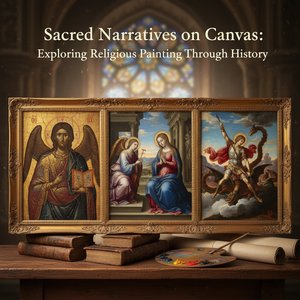
Sacred Narratives on Canvas: Exploring Religious Painting Through History
Explore the rich history of religious painting with OriginalUniqueArt.com! Discover iconic artworks, symbolism & techniques from antiquity to the Renaissance. Enhance your art appreciation today.
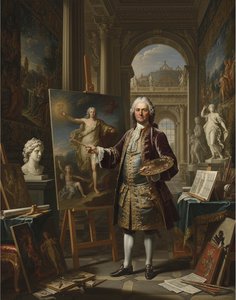
Charles Le Brun: Master of French Baroque Classicism & His Enduring Legacy
Explore the life & art of Charles Le Brun, master of French Baroque Classicism. Discover his royal commissions, influence on Versailles, and enduring legacy through detailed analysis & stunning artworks.
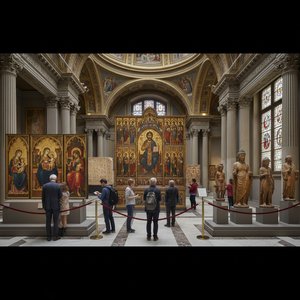
Sacred Narratives Embodied: A Comprehensive Exploration of Religious Iconography in Art History
Explore the rich history of religious iconography in art! Discover symbolism, movements & masterpieces from Byzantine to Renaissance periods. Expert insights for collectors and enthusiasts at OriginalUniqueArt.

Simon Vouet: A Baroque Master's Journey from Italian Influence to French Classicism
Explore the life & art of Simon Vouet, a pivotal French Baroque painter who introduced Italian styles to France. Discover his masterpieces and lasting influence on 17th-century art.
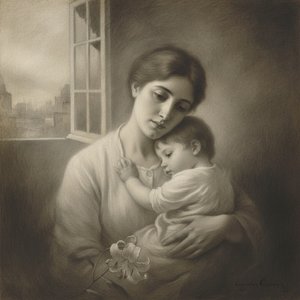
Eugène Carrière: The 'Peintre d'Âme' & Symbolist Portraiture’s Intimate Vision
Explore the haunting world of Eugène Carrière, a pivotal French Symbolist artist known for his deeply intimate portraits & 'peinture d'âme'. Discover his life, style, and lasting influence on modern masters like Picasso. Shop high-quality reproductions at OriginalUniqueArt.