

 Katso seinällä
 Lähetä
 Jaa
Jaa
 Tarkemmat tiedot
 Opas
Opas

 Lataa kuva
 Samanlaisia kohteita
 Röntgenkuvaus
 Diaesitys
 Tilastot
Maternity


 Lue lisää
Käsinmaalattu öljyvärinen jäljennös
Käsinmaalattu öljyväri kankaalle haluamassasi koossa ja kehyksissä, taiteilijoidemme valmistamana tilauksesta. ( Vaihda tulosteeseen Siirry digitaaliseen kuvaan)




P118B €10

P118H €10

P118W €10

P438Z €10

P508JH €12

P508YH €12

P805H €10

P805Z €10

P919BZ €10

P919G €10

P919XJ €10

P959ZH €10

P968JZ €12

W106C €8

W218G €10

W218JH €8

W218Y €10

W307PJ €10

W316G €10

W316PJ €8

W316Y €10

W398PJ €8

W4111J €10

W500HY €15

W500JH €15

W692G €12

W849H €8

W940BG €15

W953PJ €8




Valitse valmiista mitoistamme sellaiset, jotka vastaavat teoksen alkuperäisiä mittasuhteita.

Kirjoita tarvitsemasi leveys ja korkeus, jotta teos sopii kehyskehyksiisi tai seinällesi. Koska kyseessä on käsinmaalattu teos, taiteilija voi maalata hieman enemmän kuvan ympärille tai rajata sitä hieman, jos haluat eri muotoisen koon — valinta on sinun. Lähetämme sinulle digitaalisen mallikuvan hyväksyttäväksi ennen kuin maalaus alkaa. Tällä sivulla näkyvä kuva ei vastaa lopullista tulosta — vain mallikuva näyttää sen.
Tilauksen jälkeen OriginalUniqueArt.com -tiimi lähettää asiakkaalle sähköpostitse ohjeet ja esikatselukuvan.
Maailmanlaajuinen toimitus () 3–4 viikossa tavallisen 5 viikon sijaan. (26 lokakuu). Laadusta ei tingitä.

Ilmainen pikatoimitus ympäri maailman

Korkealaatuinen pellavakangas

Kattava kuljetusvakuutus

Tulliveron palautustakuu

Takuu täydellisestä värien vastaavuudesta

100 päivän palautusoikeus valmistusvirhetapauksissa

100% rahat takaisin -takuu

Määräalennus saatavilla
 Lasivaihtoehto on saatavilla vain alle 110 cm kokoisille teoksille

Maternity
Reproduktiotapa
Replikaatin koko
-


Kokonaishinta
€ 263
A Portrait of Maternal Reverence: Eugène Carrière’s Maternity
Eugène Anatole Carrière stands apart from his contemporaries—Monet, Degas, Cézanne—not merely in stylistic preference but in a profound philosophical commitment to capturing the essence of human experience. Born in 1849 in Gournay-sur-Marne, France, he embarked on an artistic journey marked by unwavering dedication to exploring themes of spirituality and domestic tranquility. His formative years were shaped by exposure to Rubens’s luminous palette and the crucible of imprisonment in Dresden, experiences that instilled within him a sensitivity to light and color—though he would ultimately abandon them for a distinctive monochrome aesthetic. This singular approach cemented his reputation as “the painter of Breast-Feeding,” a genre he pursued with fervent conviction throughout his prolific career. ### The Monochrome Palette: A Symbol of Inner Light Carrière’s artistic signature is undeniably his masterful manipulation of color—or rather, the deliberate absence thereof. Rejecting the Impressionist obsession with capturing fleeting moments of visual sensation, he sought to distill emotion into its purest form: a subdued brown hue that permeated nearly all his canvases. This stylistic choice wasn't simply an aesthetic preference; it represented a deeply held belief in the primacy of inner contemplation and spiritual illumination. As Edmond de Goncourt eloquently observed during Carrière’s lifetime, “This Carrière really is the painter of Breast-Feeding.” He meticulously studied gestures and expressions, striving to convey not just what he saw but what he felt—a palpable resonance with the viewer's own emotional landscape. The monochromatic palette served as a conduit for conveying profound psychological depth, mirroring the stillness and serenity of domestic life. ### Maternity: A Study in Tender Gestures and Spiritual Resonance “Maternity,” completed in 1890, exemplifies Carrière’s artistic vision at its zenith. This evocative portrait depicts a woman cradling her infant child, bathed in soft light emanating from an unseen source—a deliberate allusion to divine grace and nurturing compassion. The composition is strikingly simple yet powerfully expressive: the woman's gaze directs upwards, suggesting contemplation of something beyond the immediate physical realm; her hands are outstretched, conveying warmth and protection. Two figures flank the central scene, adding depth and subtly hinting at the broader context of familial devotion. Véronique Milin Dumesnil, Carrière’s granddaughter, recounted that the models for Maternity were his wife and one of their seven children—Jean René or Leon—underscoring the artist's personal connection to the subject matter. ### Technique and Historical Context: Embracing Rubensian Influence Carrière’s technique is characterized by meticulous detail and painstaking layering of paint—a testament to his unwavering commitment to capturing nuanced textures and tonal variations. He achieved this remarkable effect through a process of gradual buildup, applying thin glazes over thicker underlayers to create an illusion of depth and luminosity despite the absence of color. This approach harkens back to Rubens’s masterful use of chiaroscuro—the dramatic interplay between light and shadow—a technique that Carrière adopted with unwavering fidelity. The painting emerged during a period marked by growing interest in Symbolism, a movement that sought to transcend mere representation and delve into realms of psychological and spiritual significance. Like many Symbolist artists, Carrière aimed to evoke emotion rather than depict reality objectively, inviting viewers to contemplate the profound mysteries of human existence. ### Legacy and Emotional Impact: A Timeless Expression of Maternal Love “Maternity” remains a captivating masterpiece—a testament to Carrière’s artistic genius and his unwavering belief in the transformative power of art. Its enduring appeal lies not only in its exquisite craftsmanship but also in its ability to resonate deeply with audiences across generations. The painting captures the essence of maternal tenderness, conveying a sense of serenity and spiritual contemplation that transcends time and culture. It serves as an inspiring reminder of the beauty and significance of familial bonds—a timeless expression of love, compassion, and faith.Kysymykset ja vastaukset
Mistä maasta Symbolist Art-tyylinen teos "Maternity" on peräisin?
Symbolist Art-tyylinen teos "Maternity" on Ranska:ssa syntyneen taiteilijan käsialaa.
Mitä väripalettia teoksessa Eugène Anatole Carrière:n "Maternity" käytetään?
Eugène Anatole Carrière:n "Maternity"-teoksessa käytetään Earthy-väripalettia. Paletti tiivistää teoksen yleisen värikarakterin.
Mihin vaiheeseen Eugène Anatole Carrièrein kehityksestä "Maternity" edustaa?
"Maternity" edustaa taiteilijan Eugène Anatole Carrière tuotantokautta Mature Period."
Taiteilijan elämäkerta
Eugène Anatole Carrière (1849–1906)
Eugène Anatole Carrière oli ranskalainen symbolisti, fin de sièclen taiteilija. Hänelle on ominaista yksivärinen ruskea paletti ja hänen työnsä ovat tunnettuja lumoavasta tunnelmastaan sekä vaikutuksesta Pablo Picassoon. Hän oli Rodinin läheinen ystävä ja hänen tyylinsä nähtiin vaikuttavana Picasson siniseen kauteen. ### Early Life and Training Eugène Anatole Carrière syntyi Gournay-sur- Marnessa vuonna 1849. Hän oli yhdeksäs lapsi suurperheessä, jonka isä oli vakuutusmies. Hänen koulutuksensa tapahtui Pariisissa École des Beaux-Artsissa ja hän jatkoi Cabanelin johdolla opiskeluaan kehittääkseen taiteellisia taitojaan. Ranskan–Saksan sodan aikana hän palveltiin Dresdenissä, jossa hän oli erityisen vaikuttunut Peter Paul Rubensin maalauksista Louvressa – tämä vaikutus näkyy hänen nuoruustöidensä vahvoissa väreissä. Hän omaksui noin vuonna 1890 harmaan utuisen väriskaalan, jonka valon ja varjon vastakohtaisuudet olivat keskeisiä hänen taiteelleen. Tämä tyyli oli erityisen tunnusomaista hänen aikansa taiteelle. ### Artistic Style and Influences Carrière kehitti oman ainutlaatuisen työskentelytavan, joka perustui lähes täysin yksiväriseen ruskeaan palettiin. Hän sai merkittäviä vaikutteita Rubensilta ja hän oli erityisen vaikuttunut hänen kyvystään vangita valon ja varjon dynamiikkaa maalauksissaan. Tämä lähestymistapa näkyy hänen suurissa teoksissaan, kuten "Nuori äiti" ja "Sairas lapsi", jotka ovat tunnettuja niiden yksinkertaisuudesta ja syvyydestä sekä henkilökohtaisesta tunnelmastaan. Hänen työnsä ovat myös vaikuttaneet Pablo Picassoon, joka käytti Carrièren tyyliä inspiraationa oman sinisen kauden aikana. ### Notable Works and Exhibitions Carrière oli aktiivinen taiteilija ja hän osallistui useisiin näyttelyihin Société Nationale des Beaux-Artsissa. Hänen tunnetuimmista teoksistaan ovat "Uni" (1890), jossa hän kuvaa yksittäisen henkilön yksityistä elämää, sekä Paul Verlainen muotokuva, joka onnistuttiin vangitsemaan kirjailijan persoonallisuuden ja tunnelman. Hänen työnsä ovat myös vaikuttaneet Picassoon, joka käytti Carrièren tyyliä inspiraationa oman sinisen kauden aikana. Hän oli yksi Sesessionismin johtohahmoista ja hänen vaikutuksensa ranskalaisen taiteen historiaan on merkittävä. Hänen työnsä ovat nykyisin nähtävänä Musée d'Orsayssa Pariisissa. ### Legacy and Influence on Modern Art Eugène Carrière jäi jäljelle merkittäväksi henkilöksi ranskalaisen symbolistisen taiteen historiassa. Hänen yksivärinen tyylinsä oli erityisesti vaikuttava Pablo Picassoon, joka käytti sitä oman sinisen kauden aikana ja kehitti oman henkilökohtaisen työskentelytavan. Hänestä tuli yksi Sesessionismin johtohahmoista ja hänen vaikutuksensa ranskalaisen taiteen historiaan on merkittävä. Hänen työnsä ovat nykyisin nähtävänä Musée d'Orsayssa Pariisissa.
Eugène Anatole Carrière
1849 - 1906 , Ranska
Tietoa taiteilijasta
- Artistic Movement Or Style: Symbolism
- Artists Or Movements Influenced By This Artist: ['Picasso']
- Artists Who Influenced This Artist: ['Peter Paul Rubens']
- Date Of Birth: 16 January 1849
- Date Of Death: 27 March 1906
- Full Name: Eugène Anatole Carrière
- Nationality: French
- Notable Artworks:
- The Sick Child
- Young Mother
- First Communion
- Place Of Birth: Gournay-sur-Marne, France
Aiheeseen liittyvät artikkelit

The Evocative Realm of Symbolism: Exploring Meaning & Mysticism in Late 19th-Century Art
Explore the captivating world of Symbolism art! Discover key artists, defining themes & its lasting influence on modern movements. A deep dive into late 19th-century masterpieces.

Monochrome Visions: Exploring the Aesthetic & Historical Significance of Black & White Photography
Explore the rich history & artistic power of black and white photography. From early techniques to iconic masters like Ansel Adams, discover why monochrome continues to captivate art lovers today. Expert insights for collectors.
The Subtleties of Shade: Exploring Monochrome's Enduring Power in Art History & Contemporary Practice
Explore the captivating world of monochrome painting! Discover its rich history, from Renaissance chiaroscuro to contemporary minimalism. Uncover the emotional power and artistic techniques behind this enduring art form.
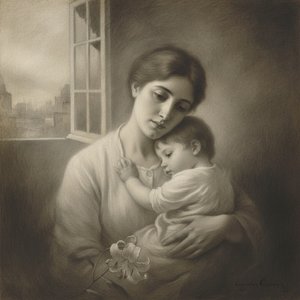
Eugène Carrière: The 'Peintre d'Âme' & Symbolist Portraiture’s Intimate Vision
Explore the haunting world of Eugène Carrière, a pivotal French Symbolist artist known for his deeply intimate portraits & 'peinture d'âme'. Discover his life, style, and lasting influence on modern masters like Picasso. Shop high-quality reproductions at OriginalUniqueArt.
Late Medieval Masterpieces: 10 Artworks That Defined an Era | OriginalUniqueArt
Journey through 10 defining Late Medieval masterpieces – from Giotto's frescoes to Jan van Eyck’s realism. Explore the stories, techniques & vibrant colors of Gothic art. Find museum-quality reproductions and elevate your home decor with OriginalUniqueArt.com! Discover all masterpieces on OriginalUniqueArt.com