() ·

A painting made for you, by hand

Street, Dresden

Käsinmaalattu öljyvärinen jäljennös

Käsinmaalattu öljyväri kankaalle haluamassasi koossa ja kehyksissä, taiteilijoidemme valmistamana tilauksesta. ( Vaihda tulosteeseen Siirry digitaaliseen kuvaan)

Keräilykohteen kuvaus

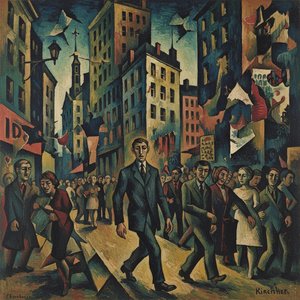
Experience Ernst Ludwig Kirchner's "Street, Dresden" (1908). A vibrant depiction of urban life, capturing the energy and alienation of early 20th-century cityscapes through bold colors & expressive brushstrokes. Hand-painted reproduction available.

Taiteilijan elämäkerta

Ernst Ludwig Kirchner (1880-1938): Saksalainen ekspressionisti & Die Brücke -ryhmän perustaja. Tutustu voimakkaisiin maalauksiin kaupunkielämästä, nuorista ja maisemista – tunnesävyinen taiteilija!

from ·

Chapter 1

How large should it be?

Slide to change the size; the picture on the left shows the frame at its real width. The proportions of the original are kept.

Vakiokoko
räätälöity
CM
INCH

Valitse valmiista mitoistamme sellaiset, jotka vastaavat teoksen alkuperäisiä mittasuhteita.

leveys
korkeus

Kirjoita tarvitsemasi leveys ja korkeus, jotta teos sopii kehyksiisi tai seinällesi. Koska kyseessä on käsinmaalattu teos, taiteilija voi maalata hieman enemmän kuvan ympärille tai rajata sitä hieman, jos haluat eri muotoisen koon — valinta on sinun. Lähetämme sinulle digitaalisen mallikuvan hyväksyttäväksi ennen kuin maalaus alkaa. Tällä sivulla näkyvä kuva ei vastaa lopullista tulosta — vain mallikuva näyttää sen.

Chapter 2

How should it arrive?

Choose the edges of the stretched canvas

Choose your frame

Corner sample of the WhiteWrap canvas edge finish, stretched on massiivipuu bars
White €1
Corner sample of the BlurSideWrap canvas edge finish, stretched on massiivipuu bars
Blurside €1
Corner sample of the ExtendedWrap canvas edge finish, stretched on massiivipuu bars
Extended €1
Corner sample of the P118B picture frame: valettu polystyreeni, 5 cm wide and 3 cm thick
P118B €10
Corner sample of the P118H picture frame: valettu polystyreeni, 5 cm wide and 3 cm thick
P118H €10
Corner sample of the P118W picture frame: valettu polystyreeni, 5 cm wide and 3 cm thick
P118W €10
Corner sample of the P438Z picture frame: valettu polystyreeni, 5.5 cm wide and 3.5 cm thick
P438Z €10
Corner sample of the P508JH picture frame: valettu polystyreeni, 7 cm wide and 3.5 cm thick
P508JH €12
Corner sample of the P508YH picture frame: valettu polystyreeni, 7 cm wide and 3.5 cm thick
P508YH €12
Corner sample of the P805H picture frame: valettu polystyreeni, 5 cm wide and 3.5 cm thick
P805H €10
Corner sample of the P805Z picture frame: valettu polystyreeni, 5 cm wide and 3.5 cm thick
P805Z €10
Corner sample of the P919BZ picture frame: valettu polystyreeni, 7 cm wide and 3.5 cm thick
P919BZ €10
Corner sample of the P919G picture frame: valettu polystyreeni, 7 cm wide and 3.5 cm thick
P919G €10
Corner sample of the P919XJ picture frame: valettu polystyreeni, 7 cm wide and 3.5 cm thick
P919XJ €10
Corner sample of the P959ZH picture frame: valettu polystyreeni, 5 cm wide and 3 cm thick
P959ZH €10
Corner sample of the P968JZ picture frame: valettu polystyreeni, 6 cm wide and 4 cm thick
P968JZ €12
Corner sample of the W106C picture frame: massiivipuu, 5 cm wide and 3 cm thick
W106C €8
Corner sample of the W218G picture frame: massiivipuu, 5 cm wide and 3 cm thick
W218G €10
Corner sample of the W218JH picture frame: massiivipuu, 5 cm wide and 3 cm thick
W218JH €8
Corner sample of the W218Y picture frame: massiivipuu, 5 cm wide and 3 cm thick
W218Y €10
Corner sample of the W307PJ picture frame: massiivipuu, 6 cm wide and 3 cm thick
W307PJ €10
Corner sample of the W316G picture frame: massiivipuu, 6 cm wide and 3 cm thick
W316G €10
Corner sample of the W316PJ picture frame: massiivipuu, 6 cm wide and 3 cm thick
W316PJ €8
Corner sample of the W316Y picture frame: massiivipuu, 6 cm wide and 3 cm thick
W316Y €10
Corner sample of the W398PJ picture frame: massiivipuu, 5 cm wide and 3 cm thick
W398PJ €8
Corner sample of the W4111J picture frame: massiivipuu, 6.5 cm wide and 3.5 cm thick
W4111J €10
Corner sample of the W500HY picture frame: massiivipuu, 7 cm wide and 5 cm thick
W500HY €15
Corner sample of the W500JH picture frame: massiivipuu, 7 cm wide and 5 cm thick
W500JH €15
Corner sample of the W692G picture frame: massiivipuu, 8 cm wide and 4 cm thick
W692G €12
Corner sample of the W849H picture frame: massiivipuu, 5 cm wide and 3 cm thick
W849H €8
Corner sample of the W940BG picture frame: massiivipuu, 7.5 cm wide and 4.5 cm thick
W940BG €15
Corner sample of the W953PJ picture frame: massiivipuu, 6 cm wide and 3.5 cm thick
W953PJ €8
Corner sample of the H24-GOLD picture frame: kaiverrettua puuta ja gessoa, 10 cm wide and 6 cm thick
H24-GOLD €30
Corner sample of the H24-SILVER picture frame: kaiverrettua puuta ja gessoa, 10 cm wide and 6 cm thick
H24-SILVER €30
Corner sample of the H36-GOLD picture frame: kaiverrettua puuta ja gessoa, 15 cm wide and 6.5 cm thick
H36-GOLD €45
Corner sample of the H36-SILVER picture frame: kaiverrettua puuta ja gessoa, 15 cm wide and 6.5 cm thick
H36-SILVER €45
Kehyksen esikatselu
Kehystetty

Moulding: . Overall size with the frame: .

Chapter 3

Who paints it, and should anything change?

Examples of what can be changed: Replace face with customer photo; Add pet (e.g., replace cat with dog); Include hidden message in background; Change background landscape or elements.
After order, OriginalUniqueArt.com team will email client for instructions and provide a mockup preview

Maailmanlaajuinen toimitus () 3–4 viikossa tavallisen 5 viikon sijaan. (1 marraskuu). Laadusta ei tingitä.

Chapter 4

The finishing touches

A nameplate, as in a museum?

Kaiverretun pronssilaatan tiedot

This elegant plaque features the artist's name and the title of the artwork, finely engraved for a timeless presentation.

It is made from bronze with a refined, elegant finish. The text is precisely laser-engraved for a sharp and permanent result. Measuring 9x2 cm, the plaque is compact yet easy to read. It's built to be durable and scratch-resistant, offering a professional, museum-quality look. Mounting is simple thanks to the included adhesive backing.

Läpinäkyvän akryylilaatan tiedot

The plaque includes essential engraved details such as the artist's name, the title of the artwork, the date it was created, the type of media used-like oil on canvas or watercolor-a brief description of the piece, and a QR code that links to the complete artwork information.

It is crafted from clear acrylic, offering a sleek, modern appearance. The text is UV-engraved in black to ensure strong visual contrast. With a size of 10x15 cm, it ensures optimal readability. It comes equipped with two metal hooks for secure wall mounting. The plaque is designed to be weather-resistant, making it suitable for various environments, and it includes interactive features that work seamlessly with smartphone scanning.

Mustan akryylilaatan tiedot

This elegant plaque includes engraved information such as the artist's name, the title of the artwork, the date it was created, the type of media used (like oil on canvas or watercolor), a short description of the artwork, and a QR code for quick access to more information.

The plaque itself is made from refined black acrylic with a premium finish. The text is laser-engraved in white for high contrast and readability. Its size is 10x15 cm, designed to be easy to read. It comes with two metal hooks for professional mounting. The design is sleek and fits any interior style. It is also weather-resistant and durable, with built-in digital integration for mobile compatibility.

A protective varnish?

When do you need it?

Chapter 5

Your painting, as you ordered it

Street, Dresden

Reproduktiotekniikka

Replikaatin koko

-

Kokenut huipputaiteilija

Lisää yksityiskohtia, hienostuneisuutta ja enemmän aikaa tuotantoon

-

Reproduktion kehystysvaihtoehdot

-

-

Teoksille tai reproduktioille, joiden mikä tahansa sivu on suurempi kuin 105 cm (noin 41 tuumaa), kehys toimitetaan osina purettuna sarjana. Tämä menetelmä varmistaa turvallisen toimituksen ja ehkäisee vaurioita kuljetuksen aikana.

Vaatii ammattimaista kokoamista – kyseessä ei ole tee-se-itse-tuote.
Sarja on koottava ja kangas kiristettävä kokeneen kehystysammattilaisen toimesta käyttäen puuliimaa (ei sisälly pakkaukseen), kangaspinnetteitä ja puristimia, jotta kehyksen kulmat pysyvät suorina liiman kuivuessa. Virheellinen kokoaminen tai epätasainen kankaan kiristys voi vaurioittaa teosta pysyvästi, eikä tällaiset vauriot ala takuun piiriin.

  • Kaikki massiivipuupalat sisältyvät, tarkasti mittojen mukaan leikattuina.

  • Kootaan mukana tulevilla ruuveilla sekä kulmaliitoksia varten tarvittavalla puuliimalla, jota ei toimiteta, joten se on hankittava kehystäjältä.

  • Vaatii ammattilaisvälineitä, jotka eivät sisälly pakkaukseen: kankaan venytyspihdit (kiristin) ja puristimet, joilla pidetään kehyksen puut suorassa liiman kuivuessa.

Tärkeää:
Kulmaliitoksissa tarvitaan puuliimaa, kehyksien osat on pidettävä puristimilla, kunnes liima on täysin kuivunut, ja koottuun kehykseen jännitettävän kankaan kiristämiseen tarvitaan kangaspenssipihti. Mikään näistä ei sisälly pakkaukseen. Suosittelemme varmistamaan kokeneen kehystäjän saatavuuden ennen tämän kokoisen kehyksen tilaamista.

Nimilaatta

-

-

Suojalakkaus

Kiiltävä lakka (syventää värejä, suojaa valolta ja kosteudelta)

-

Mukauta taideteokseni

Esimerkkejä muokattavista asioista: Vaihda kasvot asiakkaan omaan valokuvaan; Lisää lemmikki (esim. vaihda kissa koiraan); Lisää taustalle piilotettu viesti; Muuta taustan maisemaa tai elementtejä.

-

Pikatoimitus

Maailmanlaajuinen toimitus () 3–4 viikossa tavallisen 5 viikon sijaan. (1 marraskuu). Laadusta ei tingitä.

-

Pikatoimitus

Maailmanlaajuinen toimitus () 5 viikon kuluessa. (8 marraskuu).

Sisältyy hintaan

Kokonaishinta

€ 267

Kokonaishinta € 267

Lasivaihtoehto on saatavilla vain alle 110 cm kokoisille teoksille

Included with every order

  • Ilmainen pikatoimitus ympäri maailman
  • Korkealaatuinen pellavakangas
  • Kattava kuljetusvakuutus
  • Tulliveron palautustakuu
  • Takuu täydellisestä värien vastaavuudesta
  • 100 päivän palautusoikeus (vain valmistusvirheet)
  • 100% rahat takaisin -takuu
  • Määräalennus tarjolla

A Fragmented Urban Dream: Ernst Ludwig Kirchner’s “Street, Dresden”

Ernst Ludwig Kirchner's "Street, Dresden," painted in 1908 and later reworked in 1919, isn’t merely a depiction of a city street; it’s a visceral exploration of modern anxiety and the alienation inherent within rapidly changing urban landscapes. This large oil on canvas, measuring 150 x 200 cm, pulsates with an unsettling energy—a feeling that immediately draws the viewer into its chaotic heart. Kirchner, a pivotal figure in the German Expressionist movement, masterfully captures not just the visual reality of Dresden’s Königstrasse but also the psychological state of those who navigated its crowded thoroughfares.

The painting's style is undeniably expressive, moving far beyond traditional academic realism. Kirchner employs bold, flattened forms and jarring color combinations—a deliberate rejection of the naturalistic palette favored by earlier generations. The pinks, oranges, blues, and greens clash dramatically, creating a sense of unease and disorientation. Brushstrokes are loose and agitated, conveying movement and a feeling of urgency. This technique wasn’t simply aesthetic; it was a conscious effort to translate inner turmoil onto the canvas, mirroring the anxieties prevalent in Germany at the turn of the century – a nation grappling with industrialization, social upheaval, and a growing sense of displacement.

The Faces of Modernity

Kirchner’s figures are not individuals; they are fragments, masks representing the anonymous masses swept along by the currents of urban life. Each face is rendered with stark simplicity – often reduced to geometric shapes and simplified features—suggesting a loss of identity within the crowd. The woman in the center, clutching her purse, stares blankly ahead, while others turn away, their backs to the viewer, embodying a profound sense of isolation. Even the little girl, seemingly the most vulnerable figure, is dwarfed by her oversized hat, further emphasizing her detachment and insignificance. The artist deliberately avoids portraying individual personalities, instead focusing on the collective experience of being adrift in a bustling city.

Interestingly, Kirchner’s own letters reveal his personal struggle with loneliness during this period. He described feeling overwhelmed by the faces he encountered, noting that “Completely strange faces pop up as interesting points through the crowd. I am carried along with the current, lacking will.” This internal experience is powerfully translated into the painting's composition and color palette – a visual representation of his own sense of alienation.

A Bridge to Expressionism

“Street, Dresden” exemplifies the core tenets of German Expressionism. The movement sought to express subjective emotions and experiences rather than objective reality. Kirchner’s use of distorted forms, exaggerated colors, and fragmented compositions directly reflects this philosophy. The painting can be seen as a bridge between the anxieties of late 19th-century realism and the emotionally charged landscapes of early 20th-century Expressionism. It's a pivotal work in understanding the movement’s exploration of urban alienation and psychological distress.

Furthermore, Kirchner’s decision to rework the painting in 1919 demonstrates his ongoing engagement with the subject matter. The subtle changes—particularly in the color palette and the arrangement of figures—suggest a deepening of his artistic vision and a continued attempt to capture the complexities of modern urban life. The work's presence in museums like the Kirchner Museum Davos underscores its enduring significance within Expressionist art history.

Bringing “Street, Dresden” into Your Space

A hand-painted reproduction of "Street, Dresden" offers a remarkable opportunity to bring this powerful and evocative artwork into your home or office. OriginalUniqueArt’s meticulous reproductions capture the painting's vibrant colors, dynamic brushstrokes, and emotional intensity with exceptional detail. Whether you are an art collector, an interior designer seeking to create a thought-provoking atmosphere, or simply someone drawn to Kirchner’s unique vision, this reproduction provides a stunning and authentic representation of a seminal work in modern art history.

Kysymykset ja vastaukset

Onko Ernst Ludwig Kirchner:n "Street, Dresden" vaalea vai tumma teos?

"Street, Dresden" on kokonaisuutena shadow, ja sen luminanssi on Soft Shadow.

Onko "Street, Dresden"-teoksen luoja Ernst Ludwig Kirchner tunnettu myös muilla nimillä?

Muita teoksen "Street, Dresden" tekijälle Ernst Ludwig Kirchner rekisteröityjä nimiä ovat Kirchner, E.L. Kirchner.

Mitä tekniikkaa teoksessa "Street, Dresden" on käytetty ja milloin se on luotu?

Teoksen Ernst Ludwig Kirchner:n "Street, Dresden" tekniikka on Acrylic On Canvas, ja se on valmistettu vuonna 1908.

More about this painting

Esikatselu Esikatsele AR-tilassa Vaihda tulosteeseen Siirry digitaaliseen kuvaan Jaa teos
Tiedot Opas Lisää suosikkeihin Lataa kuva Samanlaisia kohteita Röntgenkuvaus Diaesitys Q&A Tilastot

In numbers

  • 1908the year it was painted
  • 29frames to choose from
  • standard sizes, in its own proportions
  • 5weeks to paint and deliver it
Ernst Ludwig Kirchner

Ernst Ludwig Kirchner

1880 - 1938, Saksa

Quick facts about Ernst Ludwig Kirchner

  • Artistic Movement Or Style: Suom.)
  • Artists Or Movements Influenced By This Artist:
    • Die Brücke
    • Expressionismi
  • Artists Who Influenced This Artist:
    • Dürer
    • Van Gogh
    • Munch
  • Date Of Birth: 6. toukokuuta 1880
  • Date Of Death: 15. kesäkuuta 1938
  • Full Name: Ernst Ludwig Kirchner
  • Nationality: Saksalainen
  • Notable Artworks:
    • Katu (1908)
    • Nainen tanssii (1912)
    • Itsenäinen mies (1914)
  • Place Of Birth: Aschaffenburg, Saksa

Taiteilijan elämäkerta

A Life Forged in Expression: The World of Ernst Ludwig Kirchner

Ernst Ludwig Kirchner, nimi joka on synnyttynyt voimakkaasta tunteiden ja sielun syvyyksistä, syntyi maailmaan, joka oli juuri siirtymässä dramaattisiin muutoksiin. Hänen olemassaolonsa alkaminen Aschaffenburgissa, Baijerissa, vuonna 1880, merkitsi elämän alkua, joka oli tiiviisti sidottu taiteelliseen innovointiin ja henkilökohtaiseen myrkyllisyydelle. Hänen lapsuusympäristönsä muuttuvat maisemat – määrätyt hänen isänsä ammatin mukaisesti – sisälsivät hänessään paikkaantumisen tunteen, joka myöhemmin heijastui hänen taiteeseensa. Frankfurtista Perlen kautta ja lopulta asettuessaan Chemnitziin, nuori Kirchner imi nopeasti modernisoitavan Saksan kasvavia huolia. Vaikka hänet oli aluksi ohjattu arkkitehtuurin pariin Königlichen Technischen Hochschule Dresdenissä, se oli taiteen vetovoima, vahvistettuna mestareiden kuten Albrecht Dürerin ihailun ja akateemisen konventioon vastustamisen kautta, joka lopulta määritti hänen polkunsa. Hän löysi yhteyttä samanhenkisiin kapinattareihin – Fritz Bleyliin, Karl Schmidt-Rottluffiin ja Erich Heckeliin, luoden siteitä, jotka muuttivat peruuttamattomasti 2000-luvun taiteen kulkua.

The Bridge Between Worlds: Die Brücke and Artistic Revolution

Vuonna 1905 Kirchnerista tuli *Die Brücken* (“The Bridge”) -taidekollektiivin perustajajäsen, joka oli omistettu silmänramaiden avaamiseen perinteisen estetiikan ja voimakkaamman, tunteellisesti latautuneen taidemuodon välillä. Tämä ei ollut pelkästään tyylivalinta; se oli filosofinen asenne. Ryhmä pyrki löytämään inspiraatiota usein huomiotta jätetyistä lähteistä – primitivistista taiteesta Afrikasta ja Oseaniasta, Vincent van Goghin rohkeista väreistä ja Edvard Munchin hahmoissa piilevän psykologisen syvyyden. He hylkasivat akatemian suosiman ihanteellisten kauneuden esittämisen, sen sijaan he omaksuivat vääristelyjä, häiritseviä väripaletteja ja tunteellisesti latautunutta sivellinmaalausta välittääkseen modernin elämän ahdinkoa ja eristyneisyyttä. Kirchnerin varhaiset teokset, syntyneet tämän yhteistyöhengen pohjalta, pulsoivat levottomuudella, heijastaen ryhmän jakamat pyrkimykset vapautua taiteellisista rajoituksista. Ateljeeesta tuli kokeilupaikka, tila jossa sosiaaliset normit haastettiin yhdessä taiteellisten konventioiden kanssa. Ihmiskuvan tutkiminen, erityisesti naispuolisen ruumiin esittäminen sekä kaupunki- että luonnonympäristöissä, muuttui toistuvaksi teemaksi, mahdollistuen Kirchnerille tutkimaan liikettä, tunteita ja modernin elämän monimutkaisuuksia.

Urban Anxieties and Bold Visions: Defining a Style

Kirchnerin taiteellinen tyyli on heti tunnistettavissa sen ainutlaatuisilla piirteillä. Hän ei käyttänyt värejä uskottavan esityksen välineenä, vaan työkaluna tunteiden herättämiseen – voimakkaita, usein epätodellisia sävyjä, jotka korostivat ahdistuksen tai intensiteetin tunnetta teoksissaan. Hänen siveltimensä olivat energisiä ja näkyviä, mikä edesauttoi kokonaisvaltaisen välittömän ja tunteellisen vaikutelman luomista. Figuurit ja esineet vääristyivät usein tai pidensivät, heijastaen subjektiivista eikä objektiivista todellisuutta. Erityisesti Kirchner vangitsi modernin kaupunkiympäristön psykologisen vaikutuksen teoksiensa kautta. Teokset kuten *The Street* (1908) eivät ole vain kaupunkimaisemien kuvauksia; ne ovat ihmisten eristyneisyyden portretteja, jotka vangitsevat nopeasti muuttavan maailman kaoottista energiaa ja tunteellista irtautumista. Hän ei vastannut väheksyvästi modernin elämän synkempiä puolia – yksinäisyyttä, anonyymiä olemassaoloa ja sitä, kuinka suuri kaupunkien mittakaava uhkaa ihmisen kokemusta. Tämä epäröimätön katse asetti hänet aikansa kronikkaan, taiteilijaksi, joka uskalsi kohdata yhteiskunnan edistyksen piileviä huolia.

Tragedy and Legacy: A Lasting Impact

Kirchnerin elämä oli surullisesti merkitty henkilökohtaisten kamppailujen kautta. Ensimmäisen maailmansodan kauhut laukaisivat vakavan psyykkisen romahduksen, joka pakotti hänet vetäytymään Sveitsiin etsien lohtua. Kuitenkin jopa eksilössä hän jatkoi luomista, hänen taiteensa heijasti jäljellä olevaa traumoja ja eristyneisyyttä, joita hän koki. Nazisminsa nousu toi mukanaan uusia vaikeuksia; yli 600 teoksiaan takavarikoitiin ja merkittiin "degeneroituneeksi" taiteeksi – tuhoisa isku, joka korosti poliittisen ilmapiirin vihamielisyyttä modernia taidetta kohtaan. Hänet syrjäytettiin Berliinin taideakatemian jäsenyydestä vuonna 1938 ja hän menetti työpaikkansa. Surullisesti Kirchner otti oman elämänsä pääteeksi Davosissa, Sveitsissä, vuonna 1938. Vaikka tämä surullinen loppu olisi ollutkin, Ernst Ludwig Kirchnerin perintö on edelleen voimakkaasti vaikuttava. Hän seisoo keskeisenä saksalaisessa ekspressionismissa, inspiroiden sukupolvia taiteilijoita rohkealla tyylillään, tunteellisesti resonanssisilla esityksillään modernista elämästä ja sitoutumisellaan taiteelliseen totuuteen. Hänen teoksiaan esitellään edelleen suurissa museoissa ympäri maailmaa, toimien voimakkaana muistuttajana taiteen kyvystä kohdata, haastaa ja lopulta valaista ihmiskunnan olemassaoloa.
  • Influenced By: Albrecht Dürer, Vincent van Gogh, Edvard Munch, Primitive Art (African & Oceanic)
  • Influenced: Kirchnerin työ vaikutti voimakkaasti myöhempiä ekspressionistisia ja moderneja taiteilijoita. Hänen ihmisen kuvan tutkimuksensa, erityisesti tunteiden ilmaisun ja innovatiivisen värien ja muodon käytön kautta inspiroi nykytaidetta.
Current Meta Description: Ernst Ludwig Kirchner (1880-1938): Key German Expressionist & Die Brücke co-founder. Explore bold, emotive paintings of urban life, nudes & landscapes. Current Meta Keywords: Ernst Ludwig Kirchner, Kirchner paintings, German Expressionism, Die Brücke, Expressionist art, Berlin street scenes, Woodcut prints, Modern German art, Nude figures, Kirchner artwork

Pikaista tietoa

  • Subject or theme: City life
  • Notable elements: Masklike faces
  • Artist: Ernst Ludwig Kirchner
  • Title: Street, Dresden
  • Artistic style: Urban anxiety
  • Dimensions: 150 x 200 cm

Taidevisat

Jokaisessa kysymyksessä on vain yksi oikea vastaus.

Kysymys 1:
What is the primary subject matter depicted in Ernst Ludwig Kirchner’s ‘Street, Dresden’?
Kysymys 2:
Kirchner’s use of bold, clashing colors in ‘Street, Dresden’ is most likely intended to convey:
Kysymys 3:
Which art movement is Ernst Ludwig Kirchner most closely associated with?
Kysymys 4:
The painting ‘Street, Dresden’ was created in which year?
Kysymys 5:
What does the crowded and somewhat chaotic arrangement of figures in ‘Street, Dresden’ suggest about Kirchner's perspective on urban life?