

 Katso seinällä
 Lähetä
 Jaa
Jaa
 Tarkemmat tiedot
 Opas
Opas

 Lataa kuva
 Samanlaisia kohteita
 Röntgenkuvaus
 Diaesitys
 Tilastot
Hoffmann and Wife
 Acrylic On Canvas
- WallArt
- German Expressionism
 17.0 x 25.0 cm
 Hammer Museum
 Lue lisää
Giclée- ja taideprintit
Museolaatuisia giclée- tai kankaitaulun tulosteita nopealla tuotannolla ja joustavilla viimeistelyvaihtoehdoilla. ( Tilaa käsinmaalattu jäljennös Siirry digitaaliseen kuvaan)




P118B €10

P118H €10

P118W €10

P438Z €10

P508JH €12

P508YH €12

P805H €10

P805Z €10

P919BZ €10

P919G €10

P919XJ €10

P959ZH €10

P968JZ €12

W106C €8

W218G €10

W218JH €8

W218Y €10

W307PJ €10

W316G €10

W316PJ €8

W316Y €10

W398PJ €8

W4111J €10

W500HY €15

W500JH €15

W692G €12

W849H €8

W940BG €15

W953PJ €8




Valitse valmiista mitoistamme sellaiset, jotka vastaavat teoksen alkuperäisiä mittasuhteita.

Kirjoita tarvitsemasi leveys ja korkeus, jotta tuloste sopii kehyskokoon tai seinällesi. Tulostetta voidaan vain leikata, sitä ei voi koskaan tehdä suuremmaksi kuin alkuperäinen kuva, joten eri muotoinen koko aiheuttaa osan kuvasta katoamisen. Lähetämme sinulle digitaalisen mallikuvan hyväksyttäväksi ennen kuin aloitamme tulostuksen. Tällä sivulla näkyvä kuva ei näytä lopullista leikkausta — vain mallikuva näyttää sen.
Maailmanlaajuinen toimitus () 2 viikossa tavallisen 4–5 viikon sijaan. (26 lokakuu)

Ilmainen pikatoimitus ympäri maailman

Korkealaatuinen pellavakangas

Kattava kuljetusvakuutus

Tulliveron palautustakuu

Takuu täydellisestä värien vastaavuudesta

100 päivän palautusoikeus valmistusvirhetapauksissa

100% rahat takaisin -takuu

Määräalennus saatavilla
 Lasivaihtoehto on saatavilla vain alle 110 cm kokoisille teoksille

Hoffmann and Wife
Giclée- ja taideprintit
Replikaatin koko
-


Kokonaishinta
€ 70
The Enigmatic Embrace: Unpacking Ernst Ludwig Kirchner’s “Hoffmann and Wife”
Ernst Ludwig Kirchner's "Hoffmann and Wife," painted in 1913, isn’t merely a depiction of a couple; it’s a carefully constructed tableau brimming with unspoken anxieties and the poignant beauty of shared solitude. The painting immediately draws the eye to the central figures – E.T.A. Hoffmann, the celebrated German Romantic author, and his wife, Pauline Luise Büsching-Hoffmann. They are seated close together in a modestly furnished room, their bodies almost merging within a hazy, amber light. Kirchner masterfully employs a muted palette of ochres, yellows, and greens – colors that evoke both warmth and a subtle sense of decay, mirroring the emotional complexities at play.
Kirchner’s style during this period is distinctly Expressionist, prioritizing subjective experience over objective representation. He abandons traditional perspective, flattening space and distorting forms to heighten the painting's emotional impact. The room itself feels claustrophobic, its details – a simple chair, a potted plant – rendered with an almost unsettling clarity. Notice how Kirchner uses thick, visible brushstrokes, particularly around the figures’ faces and hands, conveying a sense of urgency and vulnerability. This deliberate roughness contrasts sharply with the smooth, idealized forms often found in earlier portraiture, signaling a rejection of academic conventions and a commitment to expressing raw emotion.
A Portrait of Shared Melancholy
The painting’s power lies not just in its visual elements but also in the palpable sense of melancholy that permeates the scene. Hoffmann's gaze is averted, lost in thought, while his wife offers a gentle, almost sorrowful smile. Their proximity suggests intimacy, yet there’s an undeniable distance between them – a quiet acknowledgement of unspoken disappointments or unresolved tensions. The painting isn’t about romantic bliss; it’s about the shared experience of being human, grappling with the complexities of love and loss within the confines of domestic life.
Kirchner's choice to depict Hoffmann in this introspective pose is particularly significant. The author was known for his own struggles with mental illness and a deep-seated sense of isolation, themes that undoubtedly informed his artistic vision. "Hoffmann and Wife" can be interpreted as a self-portrait, reflecting the artist’s own anxieties about connection and the burden of creativity. The painting subtly suggests that even within the most intimate relationships, loneliness can persist – a poignant observation rendered with remarkable sensitivity.
Symbolism and the Weight of Narrative
Beyond the immediate depiction of the couple, “Hoffmann and Wife” is rich in symbolic resonance. The room itself represents the confines of domesticity, while the muted colors evoke a sense of twilight – a time of reflection and uncertainty. The potted plant, a recurring motif in Kirchner’s work, can be seen as a symbol of life and growth, yet its presence within the enclosed space also suggests a feeling of confinement. The painting's title directly references Hoffmann’s most famous literary creation, further layering the narrative with layers of allusion.
The painting’s historical context is equally important to consider. Created in 1913, just before the outbreak of World War I, “Hoffmann and Wife” reflects a broader sense of unease and disillusionment that characterized Europe at the time. The looming shadow of war cast a pall over society, contributing to a feeling of anxiety and uncertainty – emotions powerfully conveyed through Kirchner’s evocative imagery.
A Timeless Exploration of Human Connection
“Hoffmann and Wife” remains a profoundly moving work of art, offering a glimpse into the complexities of human relationships and the enduring power of melancholy. Kirchner's masterful use of color, composition, and brushwork creates an atmosphere of quiet intimacy, inviting viewers to contemplate the unspoken emotions that lie beneath the surface. It’s a painting that speaks to our shared experience of loneliness, longing, and the search for connection in a world often characterized by isolation – a timeless testament to the enduring power of art to capture the essence of the human condition.
Kysymykset ja vastaukset
Onko Ernst Ludwig Kirchner:n "Hoffmann and Wife" yksi kysytyimmistä German Expressionism -tyylin teoksista?
German Expressionism-suuntauksen sisällä teoksella "Hoffmann and Wife" on Recognized suosio.
Kuinka tunnettu teos "Hoffmann and Wife" on, jonka on luonut Ernst Ludwig Kirchner?
Teoksella Ernst Ludwig Kirchner:n "Hoffmann and Wife" on Recognized suosioaste. Tämä luokitus heijastaa teoksen tunnettuutta.
Kuinka voimakas kontrasti teoksessa Ernst Ludwig Kirchner:n "Hoffmann and Wife" on?
Teoksessa Ernst Ludwig Kirchner:n "Hoffmann and Wife" on Statement kontrasti vaaleiden ja tummien alueiden välillä.
Taiteilijan elämäkerta
A Life Forged in Expression: The World of Ernst Ludwig Kirchner
Ernst Ludwig Kirchner, nimi joka on synnyttynyt voimakkaasta tunteiden ja sielun syvyyksistä, syntyi maailmaan, joka oli juuri siirtymässä dramaattisiin muutoksiin. Hänen olemassaolonsa alkaminen Aschaffenburgissa, Baijerissa, vuonna 1880, merkitsi elämän alkua, joka oli tiiviisti sidottu taiteelliseen innovointiin ja henkilökohtaiseen myrkyllisyydelle. Hänen lapsuusympäristönsä muuttuvat maisemat – määrätyt hänen isänsä ammatin mukaisesti – sisälsivät hänessään paikkaantumisen tunteen, joka myöhemmin heijastui hänen taiteeseensa. Frankfurtista Perlen kautta ja lopulta asettuessaan Chemnitziin, nuori Kirchner imi nopeasti modernisoitavan Saksan kasvavia huolia. Vaikka hänet oli aluksi ohjattu arkkitehtuurin pariin Königlichen Technischen Hochschule Dresdenissä, se oli taiteen vetovoima, vahvistettuna mestareiden kuten Albrecht Dürerin ihailun ja akateemisen konventioon vastustamisen kautta, joka lopulta määritti hänen polkunsa. Hän löysi yhteyttä samanhenkisiin kapinattareihin – Fritz Bleyliin, Karl Schmidt-Rottluffiin ja Erich Heckeliin, luoden siteitä, jotka muuttivat peruuttamattomasti 2000-luvun taiteen kulkua.The Bridge Between Worlds: Die Brücke and Artistic Revolution
Vuonna 1905 Kirchnerista tuli *Die Brücken* (“The Bridge”) -taidekollektiivin perustajajäsen, joka oli omistettu silmänramaiden avaamiseen perinteisen estetiikan ja voimakkaamman, tunteellisesti latautuneen taidemuodon välillä. Tämä ei ollut pelkästään tyylivalinta; se oli filosofinen asenne. Ryhmä pyrki löytämään inspiraatiota usein huomiotta jätetyistä lähteistä – primitivistista taiteesta Afrikasta ja Oseaniasta, Vincent van Goghin rohkeista väreistä ja Edvard Munchin hahmoissa piilevän psykologisen syvyyden. He hylkasivat akatemian suosiman ihanteellisten kauneuden esittämisen, sen sijaan he omaksuivat vääristelyjä, häiritseviä väripaletteja ja tunteellisesti latautunutta sivellinmaalausta välittääkseen modernin elämän ahdinkoa ja eristyneisyyttä. Kirchnerin varhaiset teokset, syntyneet tämän yhteistyöhengen pohjalta, pulsoivat levottomuudella, heijastaen ryhmän jakamat pyrkimykset vapautua taiteellisista rajoituksista. Ateljeeesta tuli kokeilupaikka, tila jossa sosiaaliset normit haastettiin yhdessä taiteellisten konventioiden kanssa. Ihmiskuvan tutkiminen, erityisesti naispuolisen ruumiin esittäminen sekä kaupunki- että luonnonympäristöissä, muuttui toistuvaksi teemaksi, mahdollistuen Kirchnerille tutkimaan liikettä, tunteita ja modernin elämän monimutkaisuuksia.Urban Anxieties and Bold Visions: Defining a Style
Kirchnerin taiteellinen tyyli on heti tunnistettavissa sen ainutlaatuisilla piirteillä. Hän ei käyttänyt värejä uskottavan esityksen välineenä, vaan työkaluna tunteiden herättämiseen – voimakkaita, usein epätodellisia sävyjä, jotka korostivat ahdistuksen tai intensiteetin tunnetta teoksissaan. Hänen siveltimensä olivat energisiä ja näkyviä, mikä edesauttoi kokonaisvaltaisen välittömän ja tunteellisen vaikutelman luomista. Figuurit ja esineet vääristyivät usein tai pidensivät, heijastaen subjektiivista eikä objektiivista todellisuutta. Erityisesti Kirchner vangitsi modernin kaupunkiympäristön psykologisen vaikutuksen teoksiensa kautta. Teokset kuten *The Street* (1908) eivät ole vain kaupunkimaisemien kuvauksia; ne ovat ihmisten eristyneisyyden portretteja, jotka vangitsevat nopeasti muuttavan maailman kaoottista energiaa ja tunteellista irtautumista. Hän ei vastannut väheksyvästi modernin elämän synkempiä puolia – yksinäisyyttä, anonyymiä olemassaoloa ja sitä, kuinka suuri kaupunkien mittakaava uhkaa ihmisen kokemusta. Tämä epäröimätön katse asetti hänet aikansa kronikkaan, taiteilijaksi, joka uskalsi kohdata yhteiskunnan edistyksen piileviä huolia.Tragedy and Legacy: A Lasting Impact
Kirchnerin elämä oli surullisesti merkitty henkilökohtaisten kamppailujen kautta. Ensimmäisen maailmansodan kauhut laukaisivat vakavan psyykkisen romahduksen, joka pakotti hänet vetäytymään Sveitsiin etsien lohtua. Kuitenkin jopa eksilössä hän jatkoi luomista, hänen taiteensa heijasti jäljellä olevaa traumoja ja eristyneisyyttä, joita hän koki. Nazisminsa nousu toi mukanaan uusia vaikeuksia; yli 600 teoksiaan takavarikoitiin ja merkittiin "degeneroituneeksi" taiteeksi – tuhoisa isku, joka korosti poliittisen ilmapiirin vihamielisyyttä modernia taidetta kohtaan. Hänet syrjäytettiin Berliinin taideakatemian jäsenyydestä vuonna 1938 ja hän menetti työpaikkansa. Surullisesti Kirchner otti oman elämänsä pääteeksi Davosissa, Sveitsissä, vuonna 1938. Vaikka tämä surullinen loppu olisi ollutkin, Ernst Ludwig Kirchnerin perintö on edelleen voimakkaasti vaikuttava. Hän seisoo keskeisenä saksalaisessa ekspressionismissa, inspiroiden sukupolvia taiteilijoita rohkealla tyylillään, tunteellisesti resonanssisilla esityksillään modernista elämästä ja sitoutumisellaan taiteelliseen totuuteen. Hänen teoksiaan esitellään edelleen suurissa museoissa ympäri maailmaa, toimien voimakkaana muistuttajana taiteen kyvystä kohdata, haastaa ja lopulta valaista ihmiskunnan olemassaoloa.- Influenced By: Albrecht Dürer, Vincent van Gogh, Edvard Munch, Primitive Art (African & Oceanic)
- Influenced: Kirchnerin työ vaikutti voimakkaasti myöhempiä ekspressionistisia ja moderneja taiteilijoita. Hänen ihmisen kuvan tutkimuksensa, erityisesti tunteiden ilmaisun ja innovatiivisen värien ja muodon käytön kautta inspiroi nykytaidetta.

Ernst Ludwig Kirchner
1880 - 1938 , Saksa
Tietoa taiteilijasta
- Artistic Movement Or Style: Suom.)
- Artists Or Movements Influenced By This Artist:
- Die Brücke
- Expressionismi
- Artists Who Influenced This Artist:
- Dürer
- Van Gogh
- Munch
- Date Of Birth: 6. toukokuuta 1880
- Date Of Death: 15. kesäkuuta 1938
- Full Name: Ernst Ludwig Kirchner
- Nationality: Saksalainen
- Notable Artworks:
- Katu (1908)
- Nainen tanssii (1912)
- Itsenäinen mies (1914)
- Place Of Birth: Aschaffenburg, Saksa
Aiheeseen liittyvät artikkelit
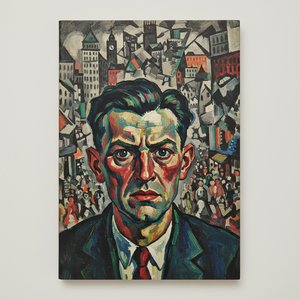
The Vibrant World of Ernst Ludwig Kirchner: A Definitive Guide to German Expressionism
Explore the raw emotion of German Expressionism through a definitive guide to Ernst Ludwig Kirchner. Discover how his bold colors and distorted forms redefined modern art history, from Berlin street scenes to iconic masterpieces.
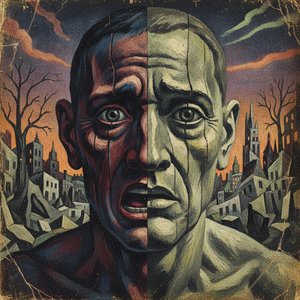
Unmasking Emotion: A Definitive Guide to the Raw Power and Visceral Beauty of German Expressionism
Explore the visceral power of German Expressionism. From Ernst Ludwig Kirchner to Die Brücke, discover how bold colors and distorted forms unmask raw human emotion in this expert art history guide for collectors and enthusiasts.
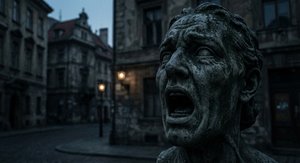
The Visceral Cry of a Nation: Exploring Emotion & Distortion in German Expressionism
Explore the powerful world of German Expressionism with OriginalUniqueArt. Discover Kirchner, Nolde & Die Brücke's emotive masterpieces. Learn about this pivotal art movement and its lasting impact on modern art.

Saksan ekspressionismin 10 mestariteosta: Taidetta ja tunnetta kotiisi
Uppoudu Saksan ekspressionismin maailmaan! Tutustu 10 mestariteokseen – Kirchnerin voimakkaista väreistä Munchin tunteisiin. Löydä taidemaalauksien tarinat ja inspiroi sisustusta OriginalUniqueArt.com:ssa. Explore the full collection online!
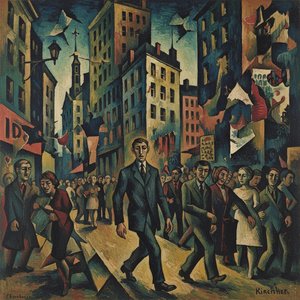
Ernst Ludwig Kirchner: Expressionism's Urban Anxiety & the Fragmentation of Modern Identity
Explore the powerful world of Ernst Ludwig Kirchner and German Expressionism. Discover his iconic paintings, Die Brücke group, and the movement's exploration of urban anxiety & modern identity. Expert analysis for collectors & enthusiasts.


