
 Katso seinällä
 Lähetä
 Jaa
Jaa
 Tarkemmat tiedot
 Opas
Opas

 Lataa kuva
 Samanlaisia kohteita
 Röntgenkuvaus
 Diaesitys
 Tilastot
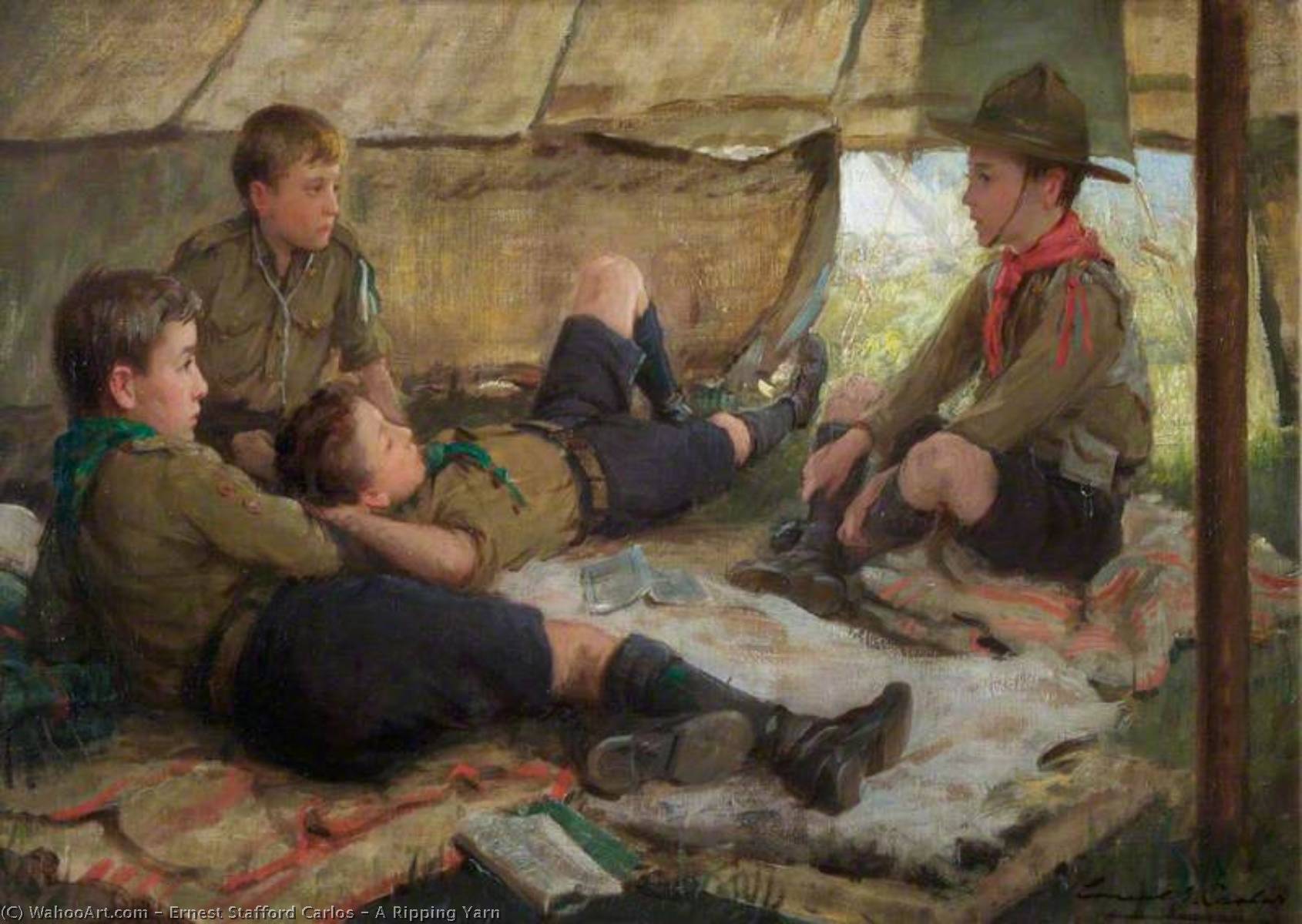
A Ripping Yarn
 1917
1917 49.0 x 74.0 cm
 The Scout Association
 Lue lisää
Giclée- ja taideprintit
Museolaatuisia giclée- tai kankaitaulun tulosteita nopealla tuotannolla ja joustavilla viimeistelyvaihtoehdoilla. ( Tilaa käsinmaalattu jäljennös Siirry digitaaliseen kuvaan)




































Valitse valmiista mitoistamme sellaiset, jotka vastaavat teoksen alkuperäisiä mittasuhteita.

Voit syöttää omat mitat sopiaksesi tiettyyn kehykseen tai tilaan. Jos valittu koko ei vastaa alkuperäisen kuvan mittasuhteita, rajaamme teosta tai laajennamme kuvaa peilatulla tai yhtenäisellä reunalla. Digitaalinen mallikuva lähetetään hyväksyttäväksi ennen tuotannon aloittamista.
Huomaathan, että näytöllä näkyvä esikatselu ei vastaa lopullista rajausta tai laajennusta. Vain mallikuva näyttää lopullisen sommittelun tarkasti.
Vaikka räätälöityjä kokoja on saatavilla, suosittelemme valitsemaan mitat valmiista listasta alkuperäisten mittasuhteiden säilyttämiseksi.
Maailmanlaajuinen toimitus () 2 viikossa tavallisen 4–5 viikon sijaan. (25 syyskuu)

Ilmainen pikatoimitus ympäri maailman

Korkealaatuinen pellavakangas

Kattava kuljetusvakuutus

Tulliveron palautustakuu

Takuu täydellisestä värien vastaavuudesta

100 päivän palautusoikeus valmistusvirhetapauksissa

100% rahat takaisin -takuu

Määräalennus saatavilla
 Lasivaihtoehto on saatavilla vain alle 110 cm kokoisille teoksille

A Ripping Yarn
Giclée- ja taideprintit
Replikaatin koko
-


Kokonaishinta
$ 80
Artistic Style and Composition
The painting depicts a group of young boys in uniform sitting around a tent, engaged in conversation or reading books. The atmosphere is relaxed and friendly, with the boys enjoying each other's company. The use of warm colors and soft lighting creates a sense of comfort and camaraderie, drawing the viewer into the scene. Key elements of the painting include the use of chiaroscuro, which adds depth and dimension to the composition, and the attention to detail in the depiction of the boys' uniforms and surroundings. The artist's ability to capture the subtleties of human interaction is also noteworthy, making the scene feel authentic and relatable.Artist and Context
Ernest Stafford Carlos was a British artist known for his landscape and figurative paintings. His work often featured scenes of everyday life, showcasing his ability to capture the beauty in mundane moments. For more information on the artist and his works, visit Ernest Stafford Carlos: A Ripping Yarn or explore other paintings by the artist, such as Be Prepared, If I Were a Boy Again, and Raw Material.- Be Prepared (93 x 128 cm, Oil On Canvas)
- If I Were a Boy Again (99 x 125 cm, Oil On Canvas)
- Raw Material (125 x 186 cm, Oil On Canvas)
The captivating painting A Ripping Yarn by Ernest Stafford Carlos is a must-see for art enthusiasts and history buffs alike. Its beautiful composition, attention to detail, and relatable subject matter make it a standout piece in the world of early 20th-century art.
Taiteilijan elämäkerta
The Visionary Chronicler of London’s Soul
Ernest Stafford Carlos, a name etched into the annals of early twentieth-century British art with both brilliance and tragedy, possessed an uncanny ability to peer beneath the surface of Victorian and Edwardian society. Born on June 4, 1883, in North Brixton, Carlos was more than a mere painter; he was a visual historian of the human spirit. His life, though cut tragically short by the ravages of the First World War at the age of thirty-four, was defined by an unwavering commitment to capturing the authentic, often overlooked, textures of existence. Educated at the Lambeth School of Art and later receiving a prestigious scholarship to the Royal Academy Schools in 1901, his formative years were steeped in the rigorous traditions of classical observation, yet his heart always beat for the stories found in the shadows of London’s streets.
The artistry of Carlos was never merely about the application of pigment to canvas; it was an exercise in profound empathy. While many of his contemporaries sought the grandiosity of high-society portraiture or the fleeting light of pure Impressionism, Carlos gravitated toward a meticulous realism that served as a vessel for social commentary. He found beauty in the grit and dignity in the struggle. His early training at the Slade School of Fine Art provided him with the technical prowess to render detail with surgical precision, but it was his fascination with the lives of the marginalized that gave his work its enduring emotional resonance. Through his eyes, the weary faces of the working class and the quiet moments of communal resilience became subjects worthy of the highest artistic devotion.
A Legacy of Light and Shadow
The development of Carlos’s style can be viewed as a journey from the observational landscapes of his youth toward a deeply narrative figurative approach. Influenced by the tonal mastery of Jules Bastien-Lepage and the classical elegance of Frederic Leighton, he mastered the use of chiaroscuro to imbue his scenes with a sense of drama and depth. This technique allowed him to guide the viewer’s eye through complex compositions, much like a director guiding an audience through a silent film. His breakthrough work, “Good Service Work in a London Slum,” completed in 1908, remains a testament to this period. In this ambitious piece, he utilized warm colors and gentle brushstrokes to find a sense of tranquility amidst the grim realities of urban poverty, proving that art could illuminate even the darkest corners of the human condition.
Beyond his social realism, Carlos held a unique place in history through his connection to the burgeoning Scout Movement. His works such as “A Ripping Yarn” and “The Pathfinder” capture the innocence and camaraderie of youth, often depicting young boys in uniform with a sense of warmth and nostalgia. These paintings, characterized by soft lighting and an atmosphere of friendly engagement, offer a poignant contrast to his more somber social commentaries. They reveal an artist capable of pivoting from the heavy weight of social inequality to the lightheartedness of childhood adventure, always maintaining that core thread of authentic human interaction.
The Final Chapter and Enduring Significance
The trajectory of Carlos’s career was irrevocably altered by the onset of the Great War. As a war artist and a member of the British Army, his life became inextricably linked with the global conflict that would claim so many. His death on June 14, 1917, marked the loss of one of Britain's most promising creative voices. Yet, the significance of his work transcends the tragedy of his passing. Carlos remains a vital figure for those studying the transition from Victorian sensibilities to the modern era, providing a bridge between traditional academic technique and a more modern, humanist preoccupation with social truth.
Today, the works of Ernest Stafford Carlos serve as evocative windows into a lost world. His ability to weave together the following elements ensures his place in the hearts of art historians:
- Technical Mastery: A sophisticated use of tonal gradation and light to create three-dimensional depth.
- Social Empathy: An unflinching gaze at the lives of the working class and the marginalized.
- Narrative Depth: The capacity to turn a single moment—whether a conversation around a tent or a scene in a slum—into a profound story.
- Historical Documentation: Providing essential visual records of both the social struggles and the cultural movements, such as Scouting, of his era.
Though his output was modest, the intensity of his vision remains undiminished. To look upon a Carlos painting is to encounter a man who refused to look away from the truth, finding in the most humble subjects a universal dignity that continues to resonate with viewers across the centuries.

Tietoa taiteilijasta
- Artistic Movement Or Style: Realism
- Artists Or Movements Influenced By This Artist: ['Pre-Raphaelites']
- Artists Who Influenced This Artist:
- William Holman Hunt
- John Everett Millais
- Date Of Death: 1917
- Full Name: Ernest Stafford Carlos
- Nationality: British
- Notable Artworks:
- Good Service Work in a London Slum
- Coast Watching
- Place Of Birth: London, England