
 Esikatselu
 Jaa teos
 Jaa
Jaa
 Tiedot
 Opas
Opas

 Lataa kuva
 Samanlaisia kohteita
 Röntgenkuvaus
 Diaesitys
 Kysymykset ja vastaukset
 Tilastot
Washington Bridge, Harlem River


 Lue lisää
Giclée- ja taideprintit
Museolaatuisia giclée- tai kankaitaulun tulosteita nopealla tuotannolla ja joustavilla viimeistelyvaihtoehdoilla. ( Osta käsinmaalattu taideteos Siirry digitaaliseen kuvaan)




P118B €10

P118H €10

P118W €10

P438Z €10

P508JH €12

P508YH €12

P805H €10

P805Z €10

P919BZ €10

P919G €10

P919XJ €10

P959ZH €10

P968JZ €12

W106C €8

W218G €10

W218JH €8

W218Y €10

W307PJ €10

W316G €10

W316PJ €8

W316Y €10

W398PJ €8

W4111J €10

W500HY €15

W500JH €15

W692G €12

W849H €8

W940BG €15

W953PJ €8




Valitse valmiista mitoistamme sellaiset, jotka vastaavat teoksen alkuperäisiä mittasuhteita.

Syötä tarvitsemasi leveys ja korkeus, jotta tuloste sopii kehyksiisi tai seinällesi. Tulostetta voidaan vain leikata, sitä ei voida koskaan suurentaa alkuperäistä kuvaa suuremmaksi, joten eri muotoinen koko aiheuttaa osan kuvasta katoamisen. Lähetämme sinulle digitaalisen mallikuvan hyväksyttäväksi ennen kuin aloitamme tulostuksen. Tällä sivulla näkyvä kuva ei näytä lopullista rajausta — vain mallikuva näyttää sen.
Maailmanlaajuinen toimitus () 2 viikossa tavallisen 4–5 viikon sijaan. (5 marraskuu)

Ilmainen pikatoimitus ympäri maailman

Korkealaatuinen pellavakangas

Kattava kuljetusvakuutus

Tulliveron palautustakuu

Takuu täydellisestä värien vastaavuudesta

100 päivän palautusoikeus (vain valmistusvirheet)

100% rahat takaisin -takuu

Määräalennus tarjolla
 Lasivaihtoehto on saatavilla vain alle 110 cm kokoisille teoksille

Washington Bridge, Harlem River
Giclée- ja taideprintit
Replikaatin koko
-


Kokonaishinta
€ 72
A Moment Suspended in Light
The river flows with a quiet, heavy grace under an overcast sky, its surface catching the soft, diffused light of a day caught between shadows. In this view of the Harlem River, the water moves through a landscape where the boundaries between earth and air seem to blur. The Washington Bridge rises in the distance, its golden hue acting as a steady anchor amidst the shifting greens and browns of the foreground. Trees and rocks cling to the riverbanks, rendered with thick, mosaic-like strokes that give the scene a palpable texture. There is a sense of stillness here, as if the wind has momentarily ceased its movement, leaving only the slow pulse of the water and the hazy expanse of the sky above.
The atmosphere feels heavy with moisture, suggesting a cool, damp afternoon where the light does not strike so much as it settles. Every brushstroke contributes to this sense of weight and depth, building layers of color that mimic the way light filters through a mist. The composition draws the eye upward from the dark, organic shapes of the shoreline toward the structural presence of the bridge, creating a silent dialogue between the natural world and the hand of man.
The Language of Impressionism
The technique relies on visible, broken strokes that reject precise lines in favor of pure sensation. This approach captures the ephemeral quality of the atmosphere, using color to suggest form rather than hard outlines. Muted greens and deep browns ground the foreground, while the sky and water reflect a palette of cool tones, punctuated by the warmth of the bridge. The way the paint sits upon the canvas creates a rugged, tactile surface that mirrors the uneven textures of the riverbank itself.
This method reflects the influence of the Impressionist movement, where the goal is to record a fleeting impression of light and weather. By prioritizing the subjective experience of the scene, the work captures the way the eye perceives a landscape in flux. The bridge, though a massive feat of engineering, becomes part of the natural rhythm of the river, its presence softened by the hazy, atmospheric perspective that pushes the distant hills into a soft, blue-tinted blur.
Connections Between Nature and Progress
There is a quiet tension held within this landscape, a subtle meeting point between the wildness of the river and the encroaching reach of urban life. The bridge acts as a physical link between two shores, but symbolically, it represents the intersection of civilization and the natural environment. As the early 20th century brings rapid change to the surrounding landscape, this painting captures a sense of peace that feels fragile, as if the tranquility of the Harlem River is being observed in a rare moment of respite from the expansion of the city.
The emotional weight of the piece lies in this very stillness. It invites a slow, contemplative gaze, encouraging anyone who looks to find a sense of calm within the textured layers of paint. The scene does not demand attention through loud colors or dramatic action; instead, it offers a quiet space for reflection, where the simple beauty of light hitting water and stone remains the central focus.
Kysymykset ja vastaukset
Mikä väri hallitsee teoksen Ernest Lawson:n "Washington Bridge, Harlem River" sommittelua?
Teoksen "Washington Bridge, Harlem River" silmiinpistävin väri on Phthalo Green (#282c2c). Hallitseva väri on hyödyllinen, kun teosta sovitetaan sisustukseen.
Miltä aikakaudelta "Washington Bridge, Harlem River" on peräisin?
Teoksen Ernest Lawson:n "Washington Bridge, Harlem River" historiallinen aikakausi on Modern. Tämä luokitus sijoittaa teoksen taidehistoriaan.
Mitkä ovat teoksen "Washington Bridge, Harlem River" jäljennösoikeudet High Museum of Art-museossa?
Alkuperäinen "Washington Bridge, Harlem River" sijaitsee kohteessa High Museum of Art, ja teos on vapaasti käytettävissä – tekijänoikeussuoja on päättynyt.
Taiteilijan elämäkerta
nuoruvuodet ja koulutus
ernest lawson, amerikkalaisen impressionismin merkittävä hahmo, syntyi 22. maaliskuuta 1873 Halifaxissa, Nova Scotiassa, Kanadassa. Vuonna 1888 hän muutti Yhdysvaltoihin asettuen Kansas Cityyn, ja myöhemmin, vuonna 1891, hän suuntasi New Yorkiin, jossa hän aloitti opiskelun Art Students League -taidekouluissa. john twachtmanin ohjauksessa lawson tutustui impressionismiin, josta tuli keskeinen voima hänen taiteellisten vuosien muovautumisessa.taiteellinen kehitys ja vaikutteet
lawsonin tyyli, jolle on ominaista impressionismin ja realismin suloinen liitto, sai muotonsa hänen kohtaamisistaan erilaisten taiteilijoiden kanssa. Hän opiskeli Académie Julianissa Pariisissa vuonna 1893, missä hän tapasi taiteilijat jean-joseph benjamin-constantin ja jean-paul laurensin. Hänen plein air -maalauskokemuksensa Etelä-Ranskassa ja Moret-sur-Loingissa, missä hän kohtasi englantilaisen impressionistin alfred sisleyn, rikastuttivat hänen taiteellista näkökulmaansa entisestään.The Eight ja merkittävät näyttelyt
vuonna 1908 lawson liittyi The Eight -ryhmään, taiteilijoiden joukkoon, joka vastusti National Academy of Designin kapeaa makua ja rajoittavia näyttelykäytäntöjä. Tämä liittoutuma johti käänteentekevään näyttelyyn Macbeth Galleries -galleriassa New Yorkissa, mikä herätti laajaa huomiota mediassa ja käynnisti keskustelun amerikkalaisen taiteen tyylien ja aiheiden monimuotoisuudesta.- City Suburbs, yksi lawsonin merkittävimmistä teoksista, on nykyään osa Phillips Collectionia Washington D.C.:ssä, ja se esittelee hänen ainutlaatuista impressionismin ja realismin yhdistelmäänsä. (katso OriginalUniqueArt-palvelussa)
- Toinen teos, Approaching Storm, on myös osa Phillips Collectionia ja se osoittaa lawsonin mestaruuden amerikkalaisen maiseman olemuksen vangitsemisessa. (katso OriginalUniqueArt-palvelussa)
- Lue lisää ernest lawsonista ja hänen panoksestaan amerikkalaiseen impressionismiin vierailemalla hänen sivullaan OriginalUniqueArt-palvelussa.
perintö ja vaikutus
lawsonin hillitty mutta eläväinen tyyli, jota taidekriitikko James Gibbons Huneker kuvaili "murskattujen jalokivien paletiksi", on jättänyt pysyvän jäljen amerikkalaiseen taiteeseen. Hänen osallistumisensa The Eight -ryhmään ja hänen ainutlaattainen taiteellinen lähestymistapansa ovat tehneet hänestä merkittävän hahmon impressionismin historiassa. tärkeimmät tiedot:* syntynyt: 22. maaliskuuta 1873, Halifax, Nova Scotia, Kanada
* kuollut: 18. joulukuuta 1939
* merkittäviä teoksia: City Suburbs, Approaching Storm
* vaikutteet: john twachtman, jean-joseph benjamin-constant, alfred sisley
* ryhmä: The Eight
* tyyli: impressionismin ja realismin yhdistelmä

Ernest Lawson
1873 - 1939 , Kanada
Pähkinänkuoressa
- Artistic Movement Or Style: Impressionismi
- Artists Who Influenced This Artist:
- John Henry Twachtman
- Alfred Sisley
- Date Of Birth: 22. maaliskuuta 1873
- Full Name: Ernest Lawson
- Nationality: Kanadalainen
- Notable Artworks:
- Upper Harlem River—Winter
- The Pond and Gapstow Bridge, New York City
- Place Of Birth: Halifax, Kanada
Aiheeseen liittyvät artikkelit

Frederick Childe Hassam: American Impressionism's Chronicler of Light & Modern Life
Explore the captivating world of Frederick Childe Hassam, a pioneer of American Impressionism. Discover his iconic paintings capturing light, urban life & coastal beauty. Learn about his legacy and influence on American art history.
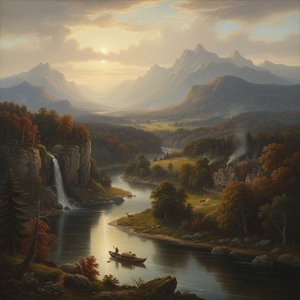
Capturing the American Spirit: A Journey Through Iconic Landscapes and the Legacy of the Hudson River School
Explore the profound beauty of American art history. From the Hudson River School to iconic landscapes, discover a curated journey through the masterpieces that defined a nation's spirit and the enduring legacy of American Romanticism.
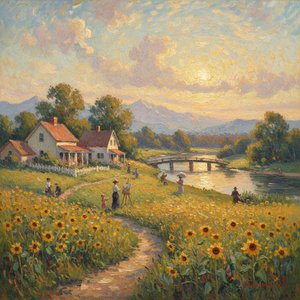
Capturing a Nation's Light: Exploring the American Impressionist Movement
Explore the captivating world of American Impressionism! Discover key artists, techniques & its lasting impact on art history. Find museum-quality reproductions and expert guidance at OriginalUniqueArt.
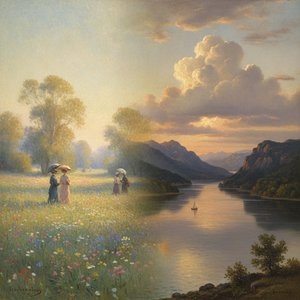
Capturing the Light: A Journey Through the Soul of American Impressionism and the Hudson River School
Explore the luminous beauty of American Impressionism and the Hudson River School. Discover a curated journey through light, landscape, and history, celebrating the enduring legacy of masters through exquisite, hand-painted oil reproductions for the discerning art lover.
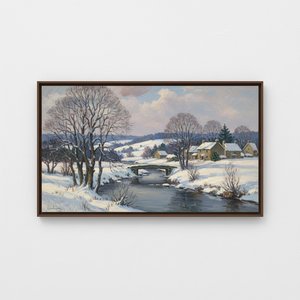
Ernest Lawson: A Pioneer of American Impressionism & His Vision of the Rural Landscape
Explore the life & art of Ernest Lawson, a pivotal figure in American Impressionism. Discover his evocative landscapes, influences, and lasting legacy with OriginalUniqueArt.