- Etusivu

- Öljymaalausjäljennös
- enrique polanco
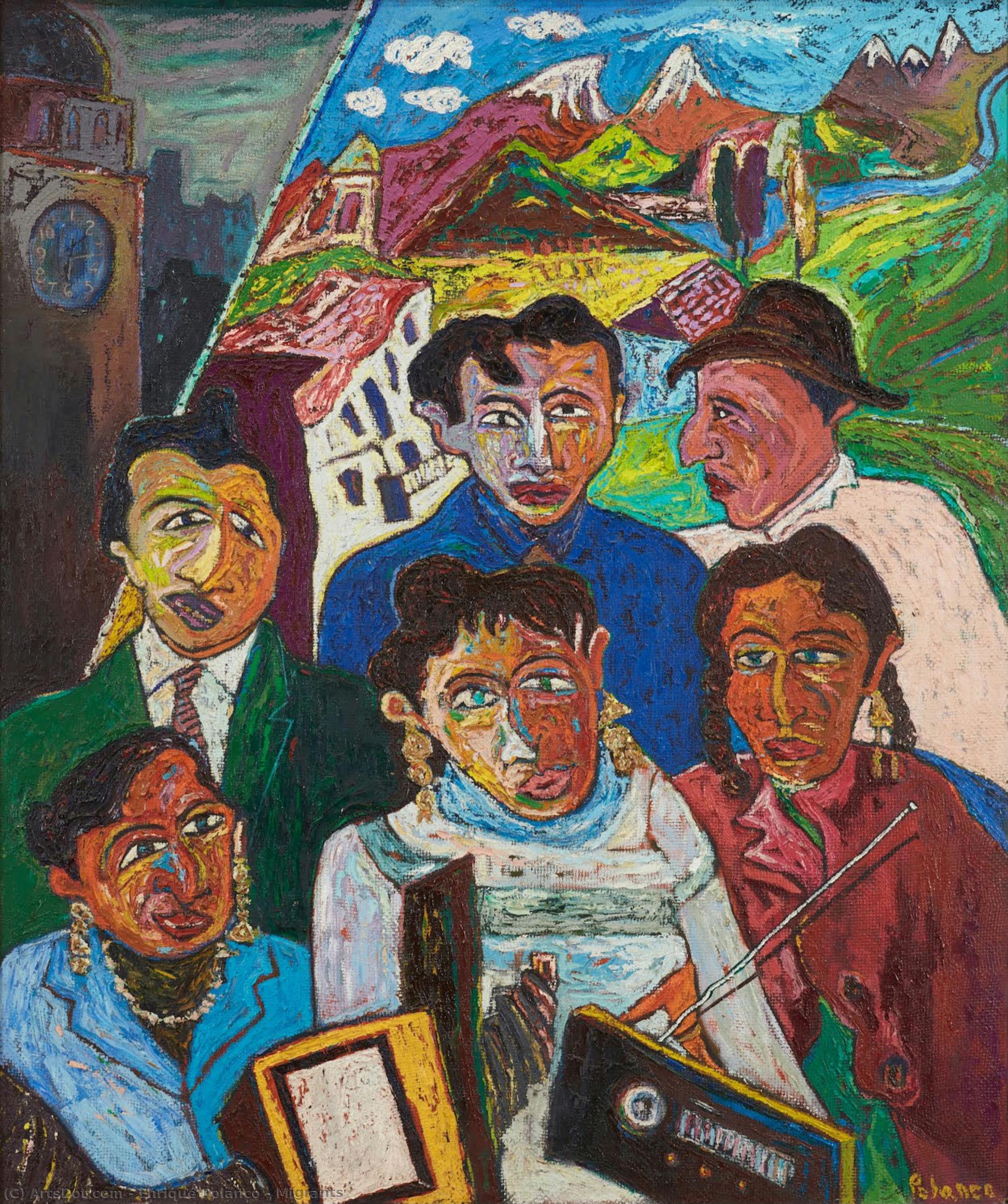
- Migrants
 Preview
 Tilaa painos Osta kuva
 Jaa
Jaa
 Jaa
Jaa
 Tarkemmat tiedot
 Lisää suosikkeihin

 Lataa
Lataa
 Samanlaisia
 Röntgenkuva
 Diaesitys
Migrants
 1981
1981 121.0 x 100.0 cm
 Museo Central. Banco Central de Reserva del Perú
 Näytä lisää
Käsinmaalattu öljykopio
Käsinmaalattu öljyväri kankaalle haluamassasi koossa ja kehyksissä, taiteilijoidemme valmistamana tilauksesta.




































Valitse valmiista mitoistamme sellaiset, jotka vastaavat teoksen alkuperäisiä mittasuhteita.

Voit syöttää omat mitat sopimaan tiettyyn kehykseen tai tilaan. Jos valitsemasi koko ei vastaa alkuperäisen kuvan mittasuhteita, rajaamme taideteoksen tai jatkamme maalausta käsin maalatuilla elementeillä. Digitaalinen esikatselu lähetetään hyväksyttäväksi ennen tuotannon aloittamista.
Huomioithan, että näytöllä oleva esikatselu ei vastaa todellista rajausta tai jatkamista. Vain digitaalinen mallikuva näyttää lopullisen sommittelun tarkasti.
Vaikka mittatilaustyöt ovat mahdollisia, suosittelemme valitsemaan mitan ennalta määritetystä listasta alkuperäisten mittasuhteiden säilyttämiseksi.
Tilauksen jälkeen OriginalUniqueArt.com -tiimi lähettää asiakkaalle ohjeet ja esikatselukuvan.
Maailmanlaajuinen toimitus () 3–4 viikossa tavallisen 5 viikon sijaan. (26 heinäkuu). Laadusta ei tingitä.

Ilmainen pikatoimitus ympäri maailman

Korkealaatuinen pellavakangas

Kattava kuljetusvakuutus

Tulliveron palautustakuu

Täydellinen värien vastaavuustakuu

60 päivän palautusoikeus (vain valmistusvirheet)

100% rahat takaisin -takuu

Määräalennus tarjous
 Lasivaihtoehto on saatavilla vain alle 110 cm kokoisina teoksina

Migrants
Reproduktiotekniikka
Replikaatin koko
-


Kokonaishinta
-
Teoksen kuvaus
Taiteilijan elämäkerta
Enrique Polanco: A Voice of Peruvian Urbanity
Enrique Polanco (born October 10, 1975) stands as a singular figure in contemporary Peruvian painting, distinguished by his unwavering dedication to portraying the realities of Lima’s marginalized communities. From his formative years studying at the Escuela Superior de Bellas Artes Lima, Polanco's artistic vision was immediately captivated by the vibrant tapestry of urban nightlife—a realm brimming with color and iconography that mirrored the pulse of Peruvian society. This initial fascination wouldn’t fade; it would become a cornerstone of his oeuvre, shaping his approach to capturing the complexities of human experience.- Early Influences: Polanco's artistic journey began amidst the legacy of luminaries like Julia Codesido, Sérvulo Gutiérrez, Víctor Humareda and David Herskovitz—artists who championed indigenous expressionism and explored themes of social justice through their art. These pioneers instilled in him a profound respect for tradition while simultaneously encouraging experimentation with new techniques.
- The Calligraphy of Darkness: His distinctive style emerged from an immersive experience in China, where he honed his observational skills and developed a masterful command of chiaroscuro—the dramatic interplay between light and shadow—a technique perfected by masters like Rembrandt and Caravaggio. This stylistic choice reflects Polanco’s desire to illuminate the hidden narratives within urban landscapes.
- Lima's Undercurrent: Polanco’s artistic focus remained steadfast on Lima’s underserved sectors, documenting daily life with unflinching honesty and compassion. He skillfully employed bold colors and expressive brushstrokes to convey emotion and immediacy—a stylistic hallmark that distinguishes him from many of his contemporaries.
The Cartoonist's Perspective: Representing Resilience
Polanco’s artistic output transcends mere visual representation; it embodies a powerful commentary on Latin American society, portraying individuals grappling with adversity—victors in the social battle. His work isn’t simply decorative; it’s imbued with meaning and purpose, prompting viewers to confront uncomfortable truths about inequality and marginalization. He captures the spirit of survival—the tenacity of those who persevere despite facing formidable obstacles.
- Social Engagement: Polanco's commitment to social justice extends beyond his artistic practice. He actively participates in initiatives aimed at empowering vulnerable populations and advocating for human rights—demonstrating a holistic worldview that informs his creative endeavors.
- Indigenous Expressionism Revisited: Drawing inspiration from the pioneering artists of Peru’s Golden Age, Polanco continues to explore themes of identity and cultural heritage through his art—affirming the importance of preserving traditions while embracing innovation.
Notable Works & Recognition
Among Polanco's most celebrated paintings is “Migrants,” a poignant depiction of human suffering rendered with remarkable sensitivity and artistic skill. This artwork exemplifies Polanco’s ability to transform personal experience into universal themes—resonating deeply with audiences worldwide. His work has garnered critical acclaim and numerous awards, cementing his position as one of Peru’s foremost artists.
- “Migrants” (2013): This monumental canvas captures the essence of displacement and resilience—a testament to Polanco's artistic vision and technical prowess.
Legacy & Continuing Influence Enrique Polanco’s contribution to Peruvian art history is undeniable. He has inspired countless young artists to pursue their passions with courage and conviction—leaving an indelible mark on the cultural landscape of Peru. His unwavering dedication to social justice and his masterful command of artistic technique serve as a beacon for aspiring creatives—guaranteeing that his voice will continue to resonate for generations to come.

enrique polanco
1953 - , Peru
Pikatiedot
- Artistic Movement Or Style: Indigenous Expressionism
- Artists Or Movements Influenced By This Artist: ['Julio Herrera']
- Artists Who Influenced This Artist:
- Julia Codesido
- Víctor Humareda
- Date Of Birth: October 10, 1975
- Full Name: Carlos Enrique Polanco
- Nationality: Dominican-American
- Notable Artworks: ['Migrants']
- Place Of Birth: Dominican Republic

