
 Katso seinällä
 Lähetä
 Jaa
Jaa
 Tarkemmat tiedot
 Opas
Opas

 Lataa kuva
 Samanlaisia kohteita
 Röntgenkuvaus
 Diaesitys
 Tilastot
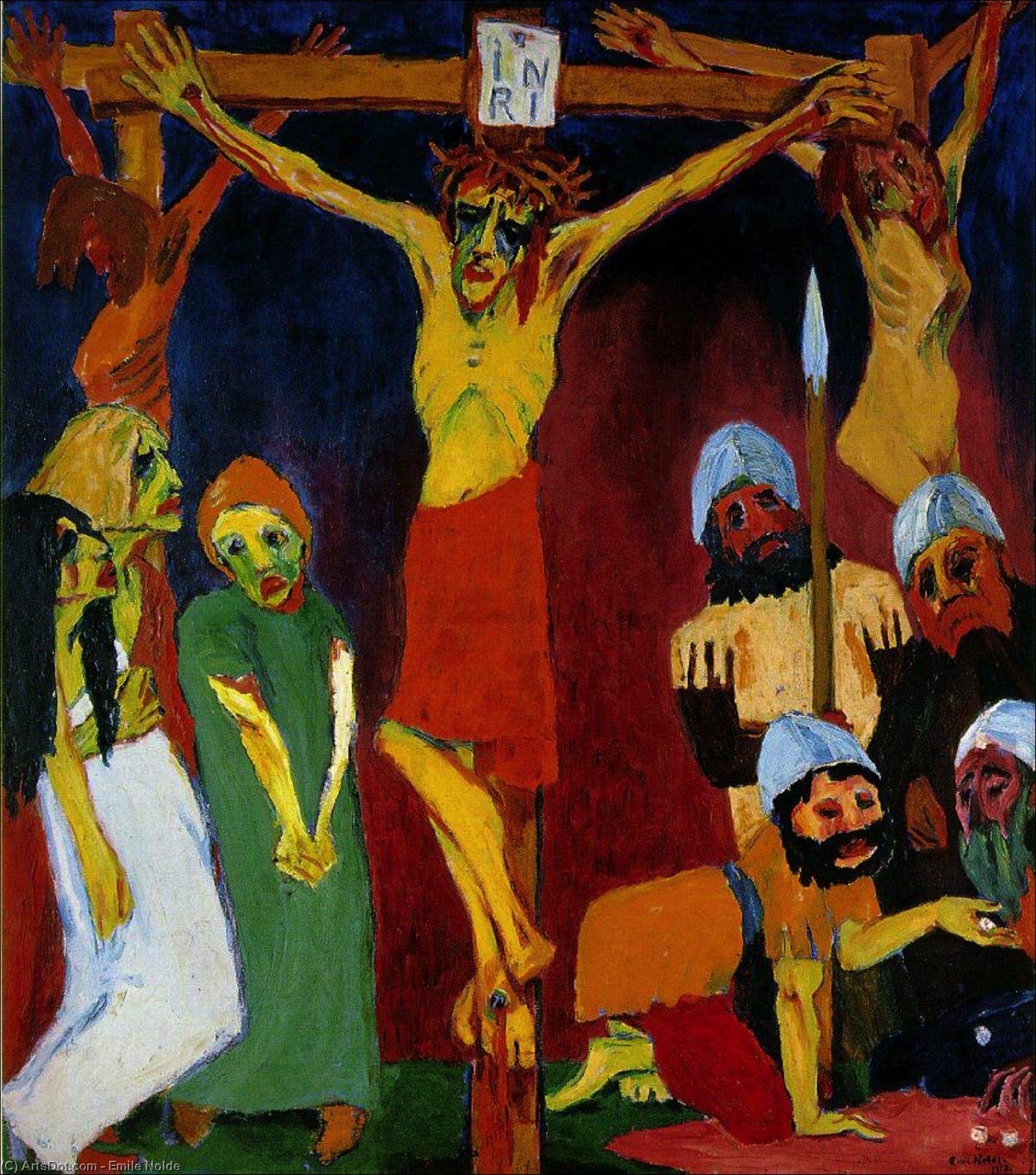
Crucifixion,
 Acrylic On Canvas
- WallArt
- Expressionist Symbolism
 1912
1912- 19th Century
 221.0 x 194.0 cm
 Lue lisää
Giclée- ja taideprintit
Museolaatuisia giclée- tai kankaitaulun tulosteita nopealla tuotannolla ja joustavilla viimeistelyvaihtoehdoilla. ( Tilaa käsinmaalattu jäljennös Siirry digitaaliseen kuvaan)




P118B €10

P118H €10

P118W €10

P438Z €10

P508JH €12

P508YH €12

P805H €10

P805Z €10

P919BZ €10

P919G €10

P919XJ €10

P959ZH €10

P968JZ €12

W106C €8

W218G €10

W218JH €8

W218Y €10

W307PJ €10

W316G €10

W316PJ €8

W316Y €10

W398PJ €8

W4111J €10

W500HY €15

W500JH €15

W692G €12

W849H €8

W940BG €15

W953PJ €8




Valitse valmiista mitoistamme sellaiset, jotka vastaavat teoksen alkuperäisiä mittasuhteita.

Type the width and the height you need, to fit your frame or your wall. A print can only be cut, never made bigger than the picture, so a size with a different shape loses a part of the image. We send you a digital mockup to approve before we print anything. The picture shown on this page does not show the real cut — only the mockup does.
Maailmanlaajuinen toimitus () 2 viikossa tavallisen 4–5 viikon sijaan. (14 lokakuu)

Ilmainen pikatoimitus ympäri maailman

Korkealaatuinen pellavakangas

Kattava kuljetusvakuutus

Tulliveron palautustakuu

Takuu täydellisestä värien vastaavuudesta

100 päivän palautusoikeus valmistusvirhetapauksissa

100% rahat takaisin -takuu

Määräalennus saatavilla
 Lasivaihtoehto on saatavilla vain alle 110 cm kokoisille teoksille

Crucifixion,
Giclée- ja taideprintit
Replikaatin koko
-


Kokonaishinta
€ 69
A Profound Meditation on Suffering: Emil Nolde's Crucifixion (1912)
Emil Nolde’s Crucifixion, painted in 1912, is not merely a depiction of a biblical event; it’s a visceral exploration of human suffering and faith rendered with an arresting intensity. Measuring 221 x 194 cm, this canvas immediately commands attention with its dramatic composition and the artist's signature use of bold, expressive color. Nolde, deeply influenced by the works of Van Gogh and Gauguin, alongside a fascination with primitive art forms – particularly the raw emotion conveyed through masks and carvings – sought to bypass representational accuracy in favor of conveying profound spiritual truths. The painting’s power resides not just in its subject matter but in the artist's ability to translate complex emotions onto the canvas with remarkable directness.
Subject Matter and Composition
The scene is unequivocally the crucifixion of Christ, a cornerstone event in Christian theology. Nolde meticulously portrays Jesus on the cross, his body contorted in agony, arms outstretched in a gesture both vulnerable and defiant. The surrounding figures – a solitary figure to the left and another to the right, along with a throng gathered around the base of the cross – are not simply observers; they are participants in this monumental drama. Their postures, expressions, and spatial arrangement contribute to the painting’s dynamic tension, reflecting the emotional weight of the moment. Notably, the inclusion of a knife adds an element of unsettling ambiguity, perhaps symbolizing betrayal or the inherent violence within human nature.
Technique and Color – A Language of Emotion
- Impasto Technique: Nolde employs a thick impasto technique, layering paint with considerable texture. This creates a palpable sense of physicality, emphasizing the roughness of the wood, the vulnerability of Christ’s body, and the raw emotion conveyed through the figures' expressions.
- Bold Color Palette: The artist utilizes a vibrant, almost jarring color palette – deep reds, blues, and yellows – to heighten the emotional impact. These colors are not used realistically but rather expressively, amplifying the sense of suffering and spiritual intensity.
- Simplified Forms: Nolde simplifies forms, reducing figures to their essential shapes, further intensifying the painting’s symbolic power. This stylistic choice aligns with his broader interest in exploring primal emotions and spiritual truths through a non-naturalistic lens.
Symbolism and Historical Context
Painted during a period of significant artistic experimentation and religious questioning, Crucifixion reflects the anxieties and spiritual searches of early 20th-century Europe. The painting’s raw emotionality speaks to a desire for authentic experience beyond traditional religious dogma. The scene itself is laden with symbolism – Christ's sacrifice representing redemption, faith, and hope amidst despair. Nolde’s deliberate rejection of academic conventions aligns him with the Expressionist movement, which sought to convey subjective emotions rather than objective reality. The painting was created in 1912, a year marked by social unrest and political upheaval, suggesting a deeper engagement with themes of human suffering and injustice.
Emotional Impact and Artistic Legacy
Crucifixion remains a profoundly moving work of art. Its power lies in its ability to evoke empathy and contemplation, prompting viewers to confront the fundamental questions of faith, suffering, and redemption. Nolde’s masterful use of color, texture, and composition creates an unforgettable image that continues to resonate with audiences today. This hand-painted reproduction offers a unique opportunity to experience the full force of Nolde's artistic vision – a testament to his enduring legacy as one of Germany’s most important Expressionist painters.
Kysymykset ja vastaukset
Mikä on teoksen Emil Nolde:n "Crucifixion," hallitseva sävy?
Golden Yellow Range sävy hallitsee teosta Emil Nolde:n "Crucifixion,".
Mikä sijoittelu sopii teoksen Emil Nolde:n "Crucifixion," formaattiin?
Muoto (Portrait) ja suositeltu tila (Living Room) ovat kaksi teokselle Emil Nolde:n "Crucifixion," kirjattua sijoittelutietoa.
Ovatko teoksen Emil Nolde:n "Crucifixion," värit kirkkaita vai hillittyjä?
Teoksessa Emil Nolde:n "Crucifixion," on Clear Color Presence kylläisyys ja Balanced voimakkuus.
Taiteilijan elämäkerta
Varhainen elämä ja taiteelliset alkuajat
Emil Nolde, tunnettu saksalais-tanskalainen maalaaja, syntyi Hans Emil Hansenina 7. elokuuta 1867 Nollessa, Schleswig-Holsteinissa, Saksassa. Hän oli perheeseen, jolla oli vahvat yhteydet maaseudun elämään ja uskonnollisiin vakaumuksiin, tekijöitä, jotka syvästi vaikuttivat hänen taiteelliseen näkökulmaansa. Vaikka hänen vanhempansa vastustivatkin aluksi hänen intohimoaan taiteeseen, koska he halusivat hänet urakoimaan perinteisemmän ammatin, Nolde pyrki päättäväisesti unelmiinsa. Hän työskenteli aluksi puuseppänä ja huonekalujen valmistajana ennen kuin omisti itsensä täysin maalaamiseen myöhään 20-luvulla.Taiteellinen kehitys ja vaikutteet
Nolden taiteellinen matka oli merkitty itseoppimiseen ja tutkimukseen. Hän matkusti laajasti, imien vaikutteita eri kulttuureista ja taidemuodoista. Varhaiset vaikutteet sisälsivät Vincent van Goghia, Paul Gaugia ja perinteistä kansantaidetta – erityisesti alkuelämän maskien ja kaiverrusten ilmeellinen voima. Nämä kohtaamiset herättivät hänen kiinnostuksensa rohkeisiin väreihin, yksinkertaistettuihin muotoihin ja tunteita herättäviin aiheisiin. Hän kokeili aluksi realismia ja impressionismia, mutta siirtyi nopeasti kohti subjektiivisempaa ja ilmaisuvoimaisempaa tyyliä.Die Brücke ja ekspressionistinen läpimurto
Vuonna 1905 Nolde perusti Die Brücken (The Bridge), merkittävän saksalaisten ekspressionistien ryhmän. Tämä kollektiivi pyrki katkaisemaan akateemisten traditioiden rajoitukset ja ilmaisemaan sisäisiä tunteitaan radikaalilla taiteellisella kokeilulla. Nolden panos Die Brückessä oli merkittävä; hänen intensiivinen värien käyttönsä ja vääristyneet muotinsa repivät esityksen rajoja. Hän säilytti kuitenkin jonkin verran itsenäisen aseman ryhmässä, poiketen usein erilleen aiheista ja tyylistä.Keskeiset teemat ja taiteellinen tyyli
Nolden tuotanto on karakterisoitu useista toistuvista teemoista: uskonnolliset kohtaukset, maisemat, merimaisemat ja muotokuvat. Hän oli erityisen kiinnostunut maskien voimasta – sekä fyysisinä esineinä että symbolisina edustuksina alkutunteista. Hänen taiteellinen tyylinsä on määritelty:- Rohkeat, eloisat värit tunteiden ilmaisemiseen
- Vääristyneet muodot esityksen rajoitusten rikkomiseksi
- Impasto-tekniikka – paksu maalin levittäminen kankaalle luomaan tekstuuria
- Sisäisten psykologisten tilojen vangitseminen
Merkittävät saavutukset ja tunnustukset
Kautta uransa Nolde loi laajan tuotannon. Joistakin hänen kuuluisimmista maalauksistaan ovat:- Maskit (1906-1907) – hänen alkuelämän taiteen ihailun osoitus
- Kristuksen pilkkaaminen (1909) – voimakas ja tunteellisesti latautunut uskonnollinen kohtaus
- Syksyn meri (1908) - hänen ilmaisuvoimaisen maisemamaalauksensa osoitus.
- Kukkapaljun poika ja pesijä (1907)
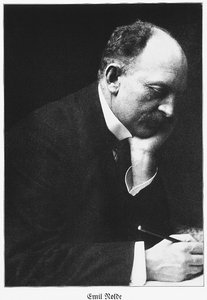
Emil Nolde
1867 - 1956 , Saksa
Tietoa taiteilijasta
- Artistic Movement Or Style: Saksa ekspressionismi, Die Brücke
- Artists Or Movements Influenced By This Artist: ['Die Brücke']
- Artists Who Influenced This Artist:
- Vincent van Gogh
- Paul Gauguin
- Date Of Birth: 7. elokuuta 1867
- Date Of Death: 13. huhtikuuta 1956
- Full Name: Emil Nolde (Hans Emil Hansen)
- Nationality: Saksalais-tanskalainen
- Notable Artworks:
- Kristuksen pilkkaaminen
- Kukkapaljun Poika Ja Pesijä
- Dance around the Golden Calf
- Place Of Birth: Nolde, Schleswig-Holstein
Aiheeseen liittyvät artikkelit

Saksan ekspressionismin 10 mestariteosta: Taidetta ja tunnetta kotiisi
Uppoudu Saksan ekspressionismin maailmaan! Tutustu 10 mestariteokseen – Kirchnerin voimakkaista väreistä Munchin tunteisiin. Löydä taidemaalauksien tarinat ja inspiroi sisustusta OriginalUniqueArt.com:ssa. Explore the full collection online!

Giclée Prints: Archival Quality & Aesthetic Nuances for the Discerning Collector
Explore the world of giclée prints with OriginalUniqueArt. Learn about archival quality, aesthetic nuances & investment potential. Expert guidance for discerning art collectors seeking museum-quality reproductions and lasting value.

The Enduring Legacy of Fine Art Prints: Technique, History & Aesthetic Impact
Explore the rich history & techniques of fine art prints. Discover investment potential, assess authenticity, and learn how to preserve your collection with expert guidance. Trusted insights for discerning collectors.

Echoes of Time: Exploring the Enduring Appeal & Historical Context of Vintage Art Prints
Explore the captivating world of vintage art prints! Discover their history, collecting tips & enduring appeal. Expert insights on chromolithography and building a legacy collection with OriginalUniqueArt.

Rohkeat mestariteokset: Taidetta, joka valloittaa ja inspiroi – OriginalUniqueArt.fi
Tutustu 10 rohkeaan mestariteokseen, jotka huokuvat voimaa ja tunnetta! Picasso, Munch, Van Gogh & muut taiteen ikonit. Löydä inspiraatiota kotiisi OriginalUniqueArt.com:ista – korkealaatuiset taideprintit ja julisteet.

