

 Katso seinällä
 Lähetä
 Jaa
Jaa
 Tarkemmat tiedot
 Opas
Opas

 Lataa kuva
 Samanlaisia kohteita
 Röntgenkuvaus
 Diaesitys
 Tilastot
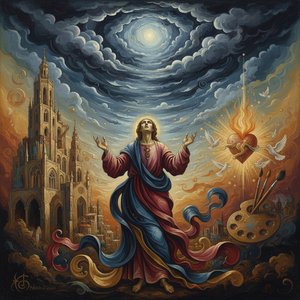
Sculptorin Kuva
 Akryyli kankaalle
- Seinätaide
- Spanish Mannerism
 1576
1576 94.0 x 87.0 cm
 Lue lisää
Giclée- ja taideprintit
Museolaatuisia giclée- tai kankaitaulun tulosteita nopealla tuotannolla ja joustavilla viimeistelyvaihtoehdoilla. ( Tilaa käsinmaalattu jäljennös Siirry digitaaliseen kuvaan)




P118B €10

P118H €10

P118W €10

P438Z €10

P508JH €12

P508YH €12

P805H €10

P805Z €10

P919BZ €10

P919G €10

P919XJ €10

P959ZH €10

P968JZ €12

W106C €8

W218G €10

W218JH €8

W218Y €10

W307PJ €10

W316G €10

W316PJ €8

W316Y €10

W398PJ €8

W4111J €10

W500HY €15

W500JH €15

W692G €12

W849H €8

W940BG €15

W953PJ €8




Valitse valmiista mitoistamme sellaiset, jotka vastaavat teoksen alkuperäisiä mittasuhteita.

Kirjoita tarvitsemasi leveys ja korkeus, jotta tuloste sopii kehyskokoon tai seinällesi. Tulostetta voidaan vain leikata, sitä ei voi koskaan tehdä suuremmaksi kuin alkuperäinen kuva, joten eri muotoinen koko aiheuttaa osan kuvasta katoamisen. Lähetämme sinulle digitaalisen mallikuvan hyväksyttäväksi ennen kuin aloitamme tulostuksen. Tällä sivulla näkyvä kuva ei näytä lopullista leikkausta — vain mallikuva näyttää sen.
Maailmanlaajuinen toimitus () 2 viikossa tavallisen 4–5 viikon sijaan. (25 lokakuu)

Ilmainen pikatoimitus ympäri maailman

Korkealaatuinen pellavakangas

Kattava kuljetusvakuutus

Tulliveron palautustakuu

Takuu täydellisestä värien vastaavuudesta

100 päivän palautusoikeus valmistusvirhetapauksissa

100% rahat takaisin -takuu

Määräalennus saatavilla
 Lasivaihtoehto on saatavilla vain alle 110 cm kokoisille teoksille

Sculptorin Kuva
Giclée- ja taideprintit
Replikaatin koko
-


Kokonaishinta
€ 70
El Grecon mestariteosta Sculptor
El Greco, jonka oikea nimi oli Domenikos Theotokópoulos, oli maalari, joka jäi historiaan ainutlaatuisena henkilönä. Hän syntyi Kreetaan vuonna 1541 Venetsian hallinnossa ja hänen taideuraansa seurasi matka Venetsiaan ja Roomaan ennen kuin hän löysi lopullisen ilmaisun Espanjan hengelliseen sydämeen Toledoon. El Grecon ei ollut pelkästään näiden paikkojen tuote; hän synnytti niistä oman erityisen tyylinsä, joka ennusti ekspressionismin tunteellista voimaa ja kubististen muotojen vaikutusta vuosisatoja myöhemmin. Hänen varhaiset koulutuksensa bysanttilaiseen traditioon sisällyttivät tarkkaan huolellisen yksityiskohtien tarkastelun ja syvällisen tietämyksen kristillisen ikonografian periaatteista. Tämä pohja ei kuitenkaan rajoittanut häntä. Hän signeerasi maalinsa kreikan kielellä usein lisäten ”Krḗs” – Cretan – ylpeänä oman alkuperänsä julistukseksi, vaikka hänkin pyrki tutkimaan uusia taiteellisia alueita.
Tyylin ainutlaatuisuus ja vaikutukset
El Grecon tyyli oli täysin omaperäinen verrattuna aikansa muihin artisteihin. Hän ei ollut yksinkertainen kopio klassisen tai bysanttilan perinnettä, vaan hän yhdisteli näiden vaikutuksia luoden oman erityisen maailman. Hänen maalauksensa ovat tunnettuja suurista väreistä ja dramaattisesta liikkeestä, mikä korostaa henkilökohtaista tunnetta ja emotionaalista ilmaisuvoimaa. Tämä tyyli oli ennakoiva ekspressionismiin ja vaikutti merkittävästi myös myöhemmän taiteen kehitykseen.
Historia ja konteksti
El Grecon mestariteos ”Sculptor” valmistui vuonna 1576 Toledoon, joka oli silloin Espanjan katolinen keskus. Tämä aika oli täynnä hengellistä pohdintaa ja taide oli tärkeä osa yhteiskuntaa. El Grecon maalauksessa kuvataan italialainen kirurgi Giuseppe Arcimboldo, jonka kasvot ovat muodostuneet hedelmistä, kasveista ja linnuista. Tämä symbolinen yksityiskohta viittaa ihmisen yhteyteen luontoon ja maailman kauneuteen sekä myös siihen, että ihminen voi olla osa suurempaa kokonaisuutta.
Tekniikka ja yksityiskohdat
El Grecon tekniikka oli erityisen tarkka ja huolellinen. Hän käytti öljyvärejä telausmenetelmällä, mikä mahdollisti hänelle suurten värien ja varjojen tarkkaan hallinnan sekä yksityiskohtaisen kuvan luomisen. Maalauksessa käytetty valo tuo esiin henkilökohtaisen tunteen ja korostaa henkilön kasvot ja ilmeet. Lisäksi maalaukseen kuuluu pieni kellon seinälle ripustettu yksityiskohta, joka tuo näkyviin ajan merkityksen ja lisää maalauksen tunnelmaan syvyyttä.
Yhteenveto ja tunnevaikutus
El Grecon ”Sculptor” on mestariteos, joka jatkaa hänen erityistä tyyliään. Tämä maalauksessa kuvataan italialainen kirurgi Giuseppe Arcimboldo, jonka kasvot ovat muodostuneet hedelmistä, kasveista ja linnuista. Maalauksen yksityiskohtainen kuvaus sekä suurten värien käyttö luovat tunteellisen kokemuksen katsojalle ja korostavat ihmisen yhteyttä luontoon sekä maailman kauneuteen. Tämä työ on inspiroiva niin taiteilijoille kuin myös sisustussuunnittelijoille, jotka etsivät ainutlaatuista ja henkilökohtaista ilmaisua.
Kysymykset ja vastaukset
Onko El Greco:n "Sculptorin Kuva" maalaus, piirros vai grafiikan lehti?
Teos El Greco:n "Sculptorin Kuva" on luokiteltu tyypiksi Seinätaide. Luokitus kertoo, minkä tyyppinen alkuperäisteos on kyseessä.
Voinko tilata öljyvärimaalauksen teoksesta "Sculptorin Kuva"?
El Greco:n "Sculptorin Kuva"-teoksen käsinmaalattuja kopioita myydään tämä verkkosivusto-sivustolla: käsinmaalattu öljyvärireproduktio pellavakankaalle, tilattavissa sen Käsinmaalattu jäljennös-sivulta.
Miten teoksen "Sculptorin Kuva" tulisi suositeltavasti tulostaa – mikä koko ja mikä suunta?
Teokselle "Sculptorin Kuva" suositeltu tulostusasetus on koko Suuri ja Neliömuotoinen-suuntainen asettelu.
Taiteilijan elämäkerta
Doménikos Theotokópoulos, called El Greco
Doménikos Theotokópoulos, known to the world as El Greco – “the Greek” – was a painter whose life and work defied easy categorization. Born in Crete, Greece (1541), his artistic journey took him through Venice and Rome before finding its ultimate expression in the spiritual heartland of Spain: Toledo. El Greco wasn’t merely a product of these places; he synthesized their influences into something wholly unique, a style that anticipated the emotional intensity of Expressionism and the fragmented forms of Cubism centuries later. His early training within the Byzantine tradition instilled in him a meticulous attention to detail and a profound understanding of religious iconography. This foundation, however, wouldn’t confine him. He signed his works in Greek, often appending “Krḗs” – Cretan – as a proud declaration of his origins, even as he ventured into new artistic territories. The seeds of his distinctive style were sown not just in technique but also in the fervent religious climate of his homeland and the rich tapestry of Venetian art.Early Life and Artistic Training
Doménikos Theotokópoulos was born in Fodele (modern Candia), Crete, then under Venetian rule – a location steeped in Byzantine heritage. His father, Nikolaos Zacharias Kantakopoulos, was a wealthy merchant and administrator, providing him with a privileged upbringing that fostered his intellectual curiosity and nurtured his artistic inclinations from a young age. Unlike many artists of his time who pursued formal training in Florence or Rome, El Greco’s initial education took place primarily within the Cretan Orthodox Church tradition. He studied under Zacharias Konstantinos Kontoglou, a renowned icon painter who instilled in him a deep appreciation for Byzantine iconography and compositional principles—a legacy that would profoundly shape his artistic vision. This meticulous attention to detail and unwavering devotion to religious symbolism became hallmarks of his oeuvre throughout his career.Venetian Influence: Embracing Innovation
Around 1567, El Greco embarked on a transformative journey to Venice – a city renowned for its vibrant artistic scene and the patronage of wealthy merchants and aristocrats. Immediately immersed in the milieu of Venetian masters like Titian, Tintoretto, and Veronese, he absorbed their mastery of color, composition, and dramatic lighting. He learned to loosen his brushwork, embracing the sensual qualities of oil paint and experimenting with innovative techniques that departed from traditional Byzantine conventions. This Venetian influence is vividly evident in early works such as *Saint Sebastian* (1600), where anatomical detail blends seamlessly with an almost theatrical use of light and shadow—a testament to El Greco’s willingness to push boundaries and explore new artistic horizons. The Venetian experience broadened his stylistic repertoire, preparing him for the challenges posed by the competitive Roman art world.Roman Years: Seeking Recognition Amidst Mannerism
El Greco's arrival in Rome around 1570 coincided with the ascendancy of Mannerism – a style characterized by elongated figures, distorted perspectives, and sophisticated compositions that prioritized elegance and intellectual contemplation over naturalistic representation. While he demonstrated considerable talent and garnered admiration from some influential patrons—including Cardinal Giovanni Battista Castelli—El Greco struggled to gain widespread recognition in Rome’s artistic circles. The Roman art world was dominated by established artists who adhered to classical ideals of beauty and proportion, making it difficult for El Greco's unconventional style to find acceptance among the elite aesthetes of the era. Despite these setbacks, he continued to refine his technique and explore new expressive possibilities—a characteristic that would define his artistic trajectory throughout his Roman years.Toledo: Spiritual Synthesis and Artistic Zenith
By 1577, El Greco relocated to Toledo – a city undergoing a fervent religious revival during the Counter-Reformation and home to numerous churches and monasteries eager to commission monumental artworks for devotional purposes. This move proved decisive in establishing El Greco’s artistic reputation and securing him access to influential patrons—most notably King Philip II, who recognized his singular talent and commissioned several ambitious projects that cemented his place among Spain's greatest artists. In Toledo, El Greco achieved his artistic zenith, producing masterpieces that epitomized his distinctive style—characterized by elongated figures imbued with spiritual fervor, dramatic lighting that evoked profound emotion, and vibrant colors that conveyed a sense of otherworldly beauty. His most celebrated works include *The Burial of the Count of Orgaz*, *View of Toledo*, *The Opening of the Fifth Seal*, and *Saint Sebastian*, each representing a culmination of his artistic explorations and embodying the spiritual ethos of his time. El Greco’s legacy extends far beyond his own lifetime, inspiring artists across centuries with his visionary style and unwavering devotion to religious expression—a testament to the enduring power of art to transcend temporal boundaries and communicate universal truths.
El Greco
1541 - 1614 , Kreikka
Tietoa taiteilijasta
- Artistic Movement Or Style: Mannerismi ja Barroko
- Artists Or Movements Influenced By This Artist:
- Expressionismi
- Cubismi
- Artists Who Influenced This Artist:
- Titian
- Tintoretto
- Date Of Birth: 1541 Kreeta
- Date Of Death: 1614
- Full Name: Doménikos Theotokópoulos
- Nationality: Kreikkalainen
- Notable Artworks:
- Pyhä Mauricuksen marttyyrit
- Laokoön
- El Espolio
- St. Sebastian
- Place Of Birth: Kreeta, Greece
Aiheeseen liittyvät artikkelit

The Enduring Form: Sculpture Across History, Technique & Emotional Resonance
Explore the rich history of sculpture with OriginalUniqueArt. Discover key techniques, influential artists & investment potential for discerning collectors. Expert insights into valuing and collecting timeless masterpieces.

The Enduring Form: Exploring Themes & Techniques in Sculpture Across Historical Periods
Explore the rich history of sculpture from ancient masterpieces to contemporary innovations. Discover key techniques, influential artists & investment potential for discerning art collectors.
El Greco: Spirituality, Style & Innovation – A Renaissance Master's Legacy
Explore the captivating world of El Greco! Discover his unique style, spiritual intensity, and lasting impact on art history. Learn about this Renaissance master's life, iconic paintings & legacy.

10 legendaarista pronssiveistosta, jotka mullistivat taiteen – OriginalUniqueArt.com
Tutustu 10 legendaariseen pronssiveistokseen, jotka ovat muuttaneet taiteen historiaa! Rodinista Michelangeloon – opi mestareiden tarinat ja löydä täydellinen taideteos kotiisi OriginalUniqueArt.com:ssa. Laadukkaat jäljennökset & sisustusideat.

El Grecon 25 mestariteosta: Taidetta, historiaa ja inspiraatiota kotiisi
Tutustu El Grecon 25 vaikuttavimpaan mestariteokseen! Uppoudu espanjalaisen renessanssin ja manierismin maailmaan. Taidehistoriaa, uskonnollisia maalauksia ja inspiraatiota kotiisi – löydä upeat taidevedokset OriginalUniqueArt.comista.


