 Esikatselu
 Jaa teos
 Jaa
Jaa
 Tiedot
 Opas
Opas

 Lataa kuva
 Samanlaisia kohteita
 Röntgenkuvaus
 Diaesitys
 Kysymykset ja vastaukset
 Tilastot
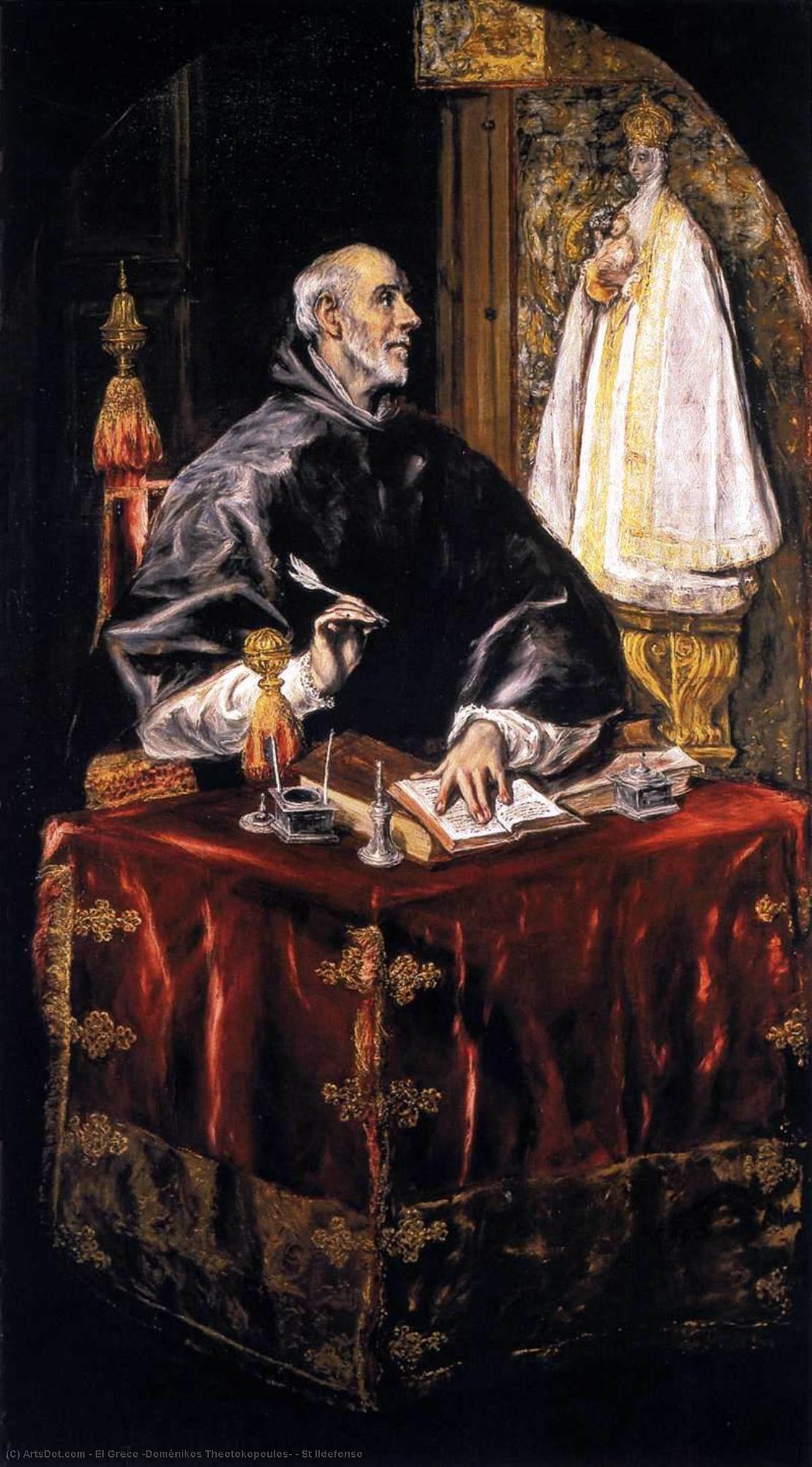
Pyh. Ildefonsus

- 187.0 x 102.0 cm


 Lue lisää
Giclée- ja taideprintit
Museolaatuisia giclée- tai kankaitaulun tulosteita nopealla tuotannolla ja joustavilla viimeistelyvaihtoehdoilla. ( Osta käsinmaalattu taideteos Siirry digitaaliseen kuvaan)




P118B €10

P118H €10

P118W €10

P438Z €10

P508JH €12

P508YH €12

P805H €10

P805Z €10

P919BZ €10

P919G €10

P919XJ €10

P959ZH €10

P968JZ €12

W106C €8

W218G €10

W218JH €8

W218Y €10

W307PJ €10

W316G €10

W316PJ €8

W316Y €10

W398PJ €8

W4111J €10

W500HY €15

W500JH €15

W692G €12

W849H €8

W940BG €15

W953PJ €8




Valitse valmiista mitoistamme sellaiset, jotka vastaavat teoksen alkuperäisiä mittasuhteita.

Syötä tarvitsemasi leveys ja korkeus, jotta tuloste sopii kehyksiisi tai seinällesi. Tulostetta voidaan vain leikata, sitä ei voida koskaan suurentaa alkuperäistä kuvaa suuremmaksi, joten eri muotoinen koko aiheuttaa osan kuvasta katoamisen. Lähetämme sinulle digitaalisen mallikuvan hyväksyttäväksi ennen kuin aloitamme tulostuksen. Tällä sivulla näkyvä kuva ei näytä lopullista rajausta — vain mallikuva näyttää sen.
Maailmanlaajuinen toimitus () 2 viikossa tavallisen 4–5 viikon sijaan. (9 marraskuu)

Ilmainen pikatoimitus ympäri maailman

Korkealaatuinen pellavakangas

Kattava kuljetusvakuutus

Tulliveron palautustakuu

Takuu täydellisestä värien vastaavuudesta

100 päivän palautusoikeus (vain valmistusvirheet)

100% rahat takaisin -takuu

Määräalennus tarjolla
 Lasivaihtoehto on saatavilla vain alle 110 cm kokoisille teoksille

Pyh. Ildefonsus
Giclée- ja taideprintit
Replikaatin koko
-


Kokonaishinta
€ 72
Pyh. Ildefonsuksen arvoituksellinen hahmo
El Grecon ”Pyh. Ildefonsus” (n. 1603) ei ole pelkkä muotokuva; se on uppoutuminen uskon ja mietiskelyn ytimeen, toteutettuna taiteilijan ominaisella tavalla, jossa yhdistyvät bysanttilainen juhlallisuus ja intensiivisen henkilökohtainen ilmaisu. Maalaus esittää miestä, joka tunnistetaan Toledon arkkipiispaksi Pyhäksi Ildefonsukseksi, istumassa pöydän ääressä, joka on täynnä papereita ja kirjoja – näky, joka herättää välittömästi vaikutelman oppineesta hartaudesta. Silti huomio kiinnittyy itse hahmoon, joka on kylvetetty hillityssä mutta loistavassa valossa. Hänen pitkänomainen muotonsa, joka on tyypillistä El Grecon tyylille, tuntuu uhmaavan maallisia mittasuhteita, viitaten olentoon, joka on kohonnut arjen yläpuolelle ja on vangittu syvän hengellisen uppoutumisen hetkeen.

Kuvassa näkyvä yksityiskohtaisuus paljastaa huolellisen tarkkaavaisuuden tekstuuriin ja muotoon, mikä on ollut merkittävä osa El Grecon varhaista koulutusta. Kiinnitä huomiota mustien kaapujen runsaisiin poimuihin, kasvojen hienovaraiseen varjostukseen ja pöydälle levittäytyneiden kirjojen huolelliseen kuvaukseen – jokainen elementti edistää maalauksen kokonaisvaltaista syvyyden ja realismin tuntua, tyylitellyistä hahmoista huolimatta.
Vaikutteiden synteesi: El Grecon ainutlaatuinen visio
Kreetalla vuonna 1541 syntynyt Doménikos Theotokópoulos, maailmanlaajuisesti nimellä El Greco tunnettu, loi omaleimaisen taiteellisen polun, joka kieltäytyi helposta luokittelusta. Hänen varhaiset koulutuksensa bysanttilaisen perinteen sisällä antoi hänelle syvän ymmärryksen uskonnollisesta ikonografiasta sekä äärimmäisen tarkkuuden yksityiskohtiin. Hän ei kuitenkaan tyytynyt pysymään näiden vakiintuneiden muotojen rajoissa. Matkat Venetsian ja Rooman läpi antoivat hänelle mahdollisuuden imeä itseensä manierismin ja venetsialaisen renessanssin vaikutteita – taiteilijoita kuten Tintoretto ja Tiziano – ja hän integroi ne taitavasti osaksi omaa ainutlaatuista tyyliään. Tämä synteesi on voimakkaasti läsnä teoksessa "Pyh. Ildefonsus", jossa bysanttilaisen taiteen juhlallisuus elää rinnakkain varhaiselle barokille tyypillisen voimakkaan emotionaalisen intensiteetin kanssa.
Pitkänomaiset hahmot, joita usein tulkitaan hengellisen kaipuun tai sisäisen levottomuuden ilmentymiksi, ovat keskeinen osa El Grecon omaleimaista tyyliä. Ne näyttävät venyvän ja vääristyvän, luoden dynamiikan ja liikkeen tuntua, joka vetää katsojan syvälle kohtaukseen. Hillitty väripaletti – jota hallitsevat tummat ruskeat, harmaat ja siniset sävyt – voimistaa tätä vaikutelmaa entisestään, syventäen maalauksen hiljaista pohdiskelua ja hartautta.
Symboliikka ja historiallinen konteksti
Teoksen asetelma on täynnä syvää symboliikkaa. Paperien peittämä työpöytä viittaa Pyhän Ildefonsuksen rooliin oppineena ja teologina, joka on uppoutunut kirjoittamiseen tai kenties pyhien tekstien tutkimiseen. Kirjat edustavat tietoa ja viisautta – ne ovat olleet keskeisiä osia hänen hengellistä elämäänsä. Hahmon asento – pöydän ääressä istuen, kynä kädessään – välittää voimakkaan tunteen keskittyneestä tarkkaavaisuudesta ja älyllisestä kurinalaisuudesta. Taustalla häämöttävä toinen henkilö, joka tuntuu tarkkailevan kohtausta, vihjaa yhteisön ja jaetun uskon merkityksestä pyhimyksen maailmassa.
Noin vuonna 1603 valmistunut ”Pyh. Ildefonsus” heijastaa Toledon taiteellista ilmapiiriä El Grecon elämän aikana. Kaupunki oli merkittävä uskonnollisen taiteen keskus, joka houkutteli puoleensa taiteilijoita ympäri Eurooppaa. El Greco itse asettui Toledoon ja loi lukuisia teoksia paikallisille kirkoille ja tilaajille, mukaan lukien Museo de El Greco. Tämä maalaus on osa pyhimysten esittävää sarjaa, joka osoittaa hänen kykynsä vangita sekä heidän historiallinen merkityksensä että heidän hengellinen olemuksensa.
Emotionaalisen resonanssin perintö
"Pyh. Ildefonsus" ylittää puhtaasti esittävän taiteen rajat ja tarjoaa katsojalle kurkistuksen hartaan miehen sisäiseen maailmaan. El Grecon mestarillinen valon, värin ja muodon käyttö luo syvän mietiskelyn ilmapiirin, joka kutsuu meidät jakamaan Pyhän Ildefonsuksen hengellisen matkan. Tämän voimakkaan teoksen reproduktiot taltioivat paitsi sen visuaalisen kauneuden, myös sen emotionaalisen syvyyden – todisteena taidehistorian arvoituksellisimpien ja vaikutusvaltaisimpien hahmojen yksi pysyvästä perinnöstä. Harkitse käsinmaalattua reproduktiota tuodaksesi tämän lumoavan kohtauksen kotiisi, jolloin voit kokea El Grecon vision intensiteetin ja spiritualiteetin päivittäin.
Kysymykset ja vastaukset
Mitä väripalettia teoksessa El Greco:n "Pyh. Ildefonsus" käytetään?
El Greco:n "Pyh. Ildefonsus"-teoksessa käytetään Maanläheinen-väripalettia. Paletti tiivistää teoksen yleisen värikarakterin.
Mitä tunnetta El Greco:n "Pyh. Ildefonsus" välittää?
Teoksen El Greco:n "Pyh. Ildefonsus" tunnelma on Dramaattinen, ja sen emotionaalinen sävy on Melankolinen.
Millaista tunnelmaa El Greco:n "Pyh. Ildefonsus" välittää Barokkieksperimentalismi-suuntauksessa?
"Pyh. Ildefonsus" teoksen Melankolinen tunnelma kulkee käsi kädessä sen Barokkieksperimentalismi tyylin kanssa.
Taiteilijan elämäkerta
Doménikos Theotokópoulos, called El Greco
Doménikos Theotokópoulos, known to the world as El Greco – “the Greek” – was a painter whose life and work defied easy categorization. Born in Crete, Greece (1541), his artistic journey took him through Venice and Rome before finding its ultimate expression in the spiritual heartland of Spain: Toledo. El Greco wasn’t merely a product of these places; he synthesized their influences into something wholly unique, a style that anticipated the emotional intensity of Expressionism and the fragmented forms of Cubism centuries later. His early training within the Byzantine tradition instilled in him a meticulous attention to detail and a profound understanding of religious iconography. This foundation, however, wouldn’t confine him. He signed his works in Greek, often appending “Krḗs” – Cretan – as a proud declaration of his origins, even as he ventured into new artistic territories. The seeds of his distinctive style were sown not just in technique but also in the fervent religious climate of his homeland and the rich tapestry of Venetian art.Early Life and Artistic Training
Doménikos Theotokópoulos was born in Fodele (modern Candia), Crete, then under Venetian rule – a location steeped in Byzantine heritage. His father, Nikolaos Zacharias Kantakopoulos, was a wealthy merchant and administrator, providing him with a privileged upbringing that fostered his intellectual curiosity and nurtured his artistic inclinations from a young age. Unlike many artists of his time who pursued formal training in Florence or Rome, El Greco’s initial education took place primarily within the Cretan Orthodox Church tradition. He studied under Zacharias Konstantinos Kontoglou, a renowned icon painter who instilled in him a deep appreciation for Byzantine iconography and compositional principles—a legacy that would profoundly shape his artistic vision. This meticulous attention to detail and unwavering devotion to religious symbolism became hallmarks of his oeuvre throughout his career.Venetian Influence: Embracing Innovation
Around 1567, El Greco embarked on a transformative journey to Venice – a city renowned for its vibrant artistic scene and the patronage of wealthy merchants and aristocrats. Immediately immersed in the milieu of Venetian masters like Titian, Tintoretto, and Veronese, he absorbed their mastery of color, composition, and dramatic lighting. He learned to loosen his brushwork, embracing the sensual qualities of oil paint and experimenting with innovative techniques that departed from traditional Byzantine conventions. This Venetian influence is vividly evident in early works such as *Saint Sebastian* (1600), where anatomical detail blends seamlessly with an almost theatrical use of light and shadow—a testament to El Greco’s willingness to push boundaries and explore new artistic horizons. The Venetian experience broadened his stylistic repertoire, preparing him for the challenges posed by the competitive Roman art world.Roman Years: Seeking Recognition Amidst Mannerism
El Greco's arrival in Rome around 1570 coincided with the ascendancy of Mannerism – a style characterized by elongated figures, distorted perspectives, and sophisticated compositions that prioritized elegance and intellectual contemplation over naturalistic representation. While he demonstrated considerable talent and garnered admiration from some influential patrons—including Cardinal Giovanni Battista Castelli—El Greco struggled to gain widespread recognition in Rome’s artistic circles. The Roman art world was dominated by established artists who adhered to classical ideals of beauty and proportion, making it difficult for El Greco's unconventional style to find acceptance among the elite aesthetes of the era. Despite these setbacks, he continued to refine his technique and explore new expressive possibilities—a characteristic that would define his artistic trajectory throughout his Roman years.Toledo: Spiritual Synthesis and Artistic Zenith
By 1577, El Greco relocated to Toledo – a city undergoing a fervent religious revival during the Counter-Reformation and home to numerous churches and monasteries eager to commission monumental artworks for devotional purposes. This move proved decisive in establishing El Greco’s artistic reputation and securing him access to influential patrons—most notably King Philip II, who recognized his singular talent and commissioned several ambitious projects that cemented his place among Spain's greatest artists. In Toledo, El Greco achieved his artistic zenith, producing masterpieces that epitomized his distinctive style—characterized by elongated figures imbued with spiritual fervor, dramatic lighting that evoked profound emotion, and vibrant colors that conveyed a sense of otherworldly beauty. His most celebrated works include *The Burial of the Count of Orgaz*, *View of Toledo*, *The Opening of the Fifth Seal*, and *Saint Sebastian*, each representing a culmination of his artistic explorations and embodying the spiritual ethos of his time. El Greco’s legacy extends far beyond his own lifetime, inspiring artists across centuries with his visionary style and unwavering devotion to religious expression—a testament to the enduring power of art to transcend temporal boundaries and communicate universal truths.
El Greco
1541 - 1614 , Kreikka
Pähkinänkuoressa
- Artistic Movement Or Style: Mannerismi ja Barroko
- Artists Or Movements Influenced By This Artist:
- Expressionismi
- Cubismi
- Artists Who Influenced This Artist:
- Titian
- Tintoretto
- Date Of Birth: 1541 Kreeta
- Date Of Death: 1614
- Full Name: Doménikos Theotokópoulos
- Nationality: Kreikkalainen
- Notable Artworks:
- Pyhä Mauricuksen marttyyrit
- Laokoön
- El Espolio
- St. Sebastian
- Place Of Birth: Kreeta, Greece
Aiheeseen liittyvät artikkelit

Museo Pradon 25 mestariteosta: Taidetta, historiaa ja inspiraatiota kotiisi
Tutustu Museo Pradon 25 ikoniseen mestariteokseen! Velázquez, Goya ja El Greco – espanjalaisen taiteen huipputeoksia tarinoineen. Löydä inspiraatiota kotiisi ja tutustu laajaan valikoimaamme korkealaatuisia taideprinttejä OriginalUniqueArt.comissa.

El Grecon 25 mestariteosta: Taidetta, historiaa ja inspiraatiota kotiisi
Tutustu El Grecon 25 vaikuttavimpaan mestariteokseen! Uppoudu espanjalaisen renessanssin ja manierismin maailmaan. Taidehistoriaa, uskonnollisia maalauksia ja inspiraatiota kotiisi – löydä upeat taidevedokset OriginalUniqueArt.comista.

Barokin mestariteokset: Taidetta ja loistoa kotiisi – OriginalUniqueArt.com
Uppoudu barokin loistokkuuteen! Tutustu Caravaggion, Rembrandtin ja Vermeerin kaltaisten mestareiden tunnetuimpiin teoksiin. Taidehistoriaa kotiisi – löydä upeat taidetulosteet ja canvas-taulut OriginalUniqueArt.comista.
Mannerism Unveiled: The Dramatic Evolution of Renaissance Art and the Visionary Legacy of El Greco
Explore the dramatic transition from High Renaissance harmony to Mannerist tension. Discover how masters like El Greco redefined art through distortion and spiritual intensity. An expert guide for art enthusiasts seeking deep historical context and museum-quality inspiration.
El Greco: Spirituality, Style & Innovation – A Renaissance Master's Legacy
Explore the captivating world of El Greco! Discover his unique style, spiritual intensity, and lasting impact on art history. Learn about this Renaissance master's life, iconic paintings & legacy.


