Valikko

() ·

A painting made for you, by hand

Pietà

Käsinmaalattu öljyvärinen jäljennös

Käsinmaalattu öljyväri kankaalle haluamassasi koossa ja kehyksissä, taiteilijoidemme valmistamana tilauksesta. ( Vaihda tulosteeseen Siirry digitaaliseen kuvaan)

Keräilykohteen kuvaus

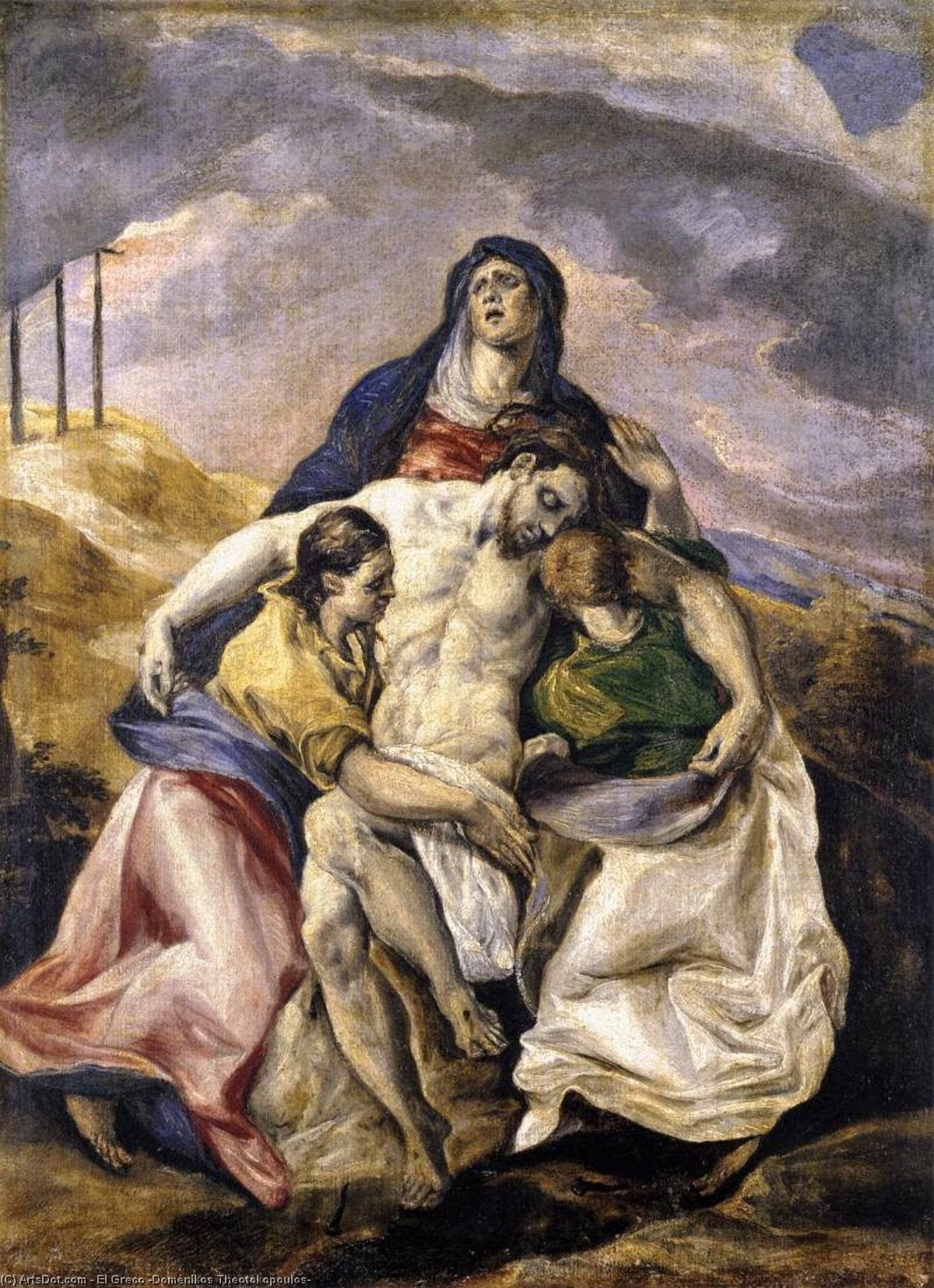
Experience the profound emotional intensity of El Greco's Pietà, a Mannerist masterpiece of distorted grace and spiritual sorrow that invites you to bring this timeless vision of devotion into your own collection.

Taiteilijan elämäkerta

El Grecon Laokoön on vaikuttava klassinen maalauksesi, joka tuo esiin kärsimyksen ja tragedian tunteet sekä häikäisevän värimaailman Toledoon. Tutustu täydelliseen yksityiskohtaan!

from ·

Chapter 1

How large should it be?

Slide to change the size; the picture on the left shows the frame at its real width. The proportions of the original are kept.

Vakiokoko
räätälöity
CM
INCH

Valitse valmiista mitoistamme sellaiset, jotka vastaavat teoksen alkuperäisiä mittasuhteita.

leveys
korkeus

Kirjoita tarvitsemasi leveys ja korkeus, jotta teos sopii kehyksiisi tai seinällesi. Koska kyseessä on käsinmaalattu teos, taiteilija voi maalata hieman enemmän kuvan ympärille tai rajata sitä hieman, jos haluat eri muotoisen koon — valinta on sinun. Lähetämme sinulle digitaalisen mallikuvan hyväksyttäväksi ennen kuin maalaus alkaa. Tällä sivulla näkyvä kuva ei vastaa lopullista tulosta — vain mallikuva näyttää sen.

Chapter 2

How should it arrive?

Choose the edges of the stretched canvas

Choose your frame

Corner sample of the WhiteWrap canvas edge finish, stretched on massiivipuu bars
White €1
Corner sample of the BlurSideWrap canvas edge finish, stretched on massiivipuu bars
Blurside €1
Corner sample of the ExtendedWrap canvas edge finish, stretched on massiivipuu bars
Extended €1
Corner sample of the P118B picture frame: valettu polystyreeni, 5 cm wide and 3 cm thick
P118B €10
Corner sample of the P118H picture frame: valettu polystyreeni, 5 cm wide and 3 cm thick
P118H €10
Corner sample of the P118W picture frame: valettu polystyreeni, 5 cm wide and 3 cm thick
P118W €10
Corner sample of the P438Z picture frame: valettu polystyreeni, 5.5 cm wide and 3.5 cm thick
P438Z €10
Corner sample of the P508JH picture frame: valettu polystyreeni, 7 cm wide and 3.5 cm thick
P508JH €12
Corner sample of the P508YH picture frame: valettu polystyreeni, 7 cm wide and 3.5 cm thick
P508YH €12
Corner sample of the P805H picture frame: valettu polystyreeni, 5 cm wide and 3.5 cm thick
P805H €10
Corner sample of the P805Z picture frame: valettu polystyreeni, 5 cm wide and 3.5 cm thick
P805Z €10
Corner sample of the P919BZ picture frame: valettu polystyreeni, 7 cm wide and 3.5 cm thick
P919BZ €10
Corner sample of the P919G picture frame: valettu polystyreeni, 7 cm wide and 3.5 cm thick
P919G €10
Corner sample of the P919XJ picture frame: valettu polystyreeni, 7 cm wide and 3.5 cm thick
P919XJ €10
Corner sample of the P959ZH picture frame: valettu polystyreeni, 5 cm wide and 3 cm thick
P959ZH €10
Corner sample of the P968JZ picture frame: valettu polystyreeni, 6 cm wide and 4 cm thick
P968JZ €12
Corner sample of the W106C picture frame: massiivipuu, 5 cm wide and 3 cm thick
W106C €8
Corner sample of the W218G picture frame: massiivipuu, 5 cm wide and 3 cm thick
W218G €10
Corner sample of the W218JH picture frame: massiivipuu, 5 cm wide and 3 cm thick
W218JH €8
Corner sample of the W218Y picture frame: massiivipuu, 5 cm wide and 3 cm thick
W218Y €10
Corner sample of the W307PJ picture frame: massiivipuu, 6 cm wide and 3 cm thick
W307PJ €10
Corner sample of the W316G picture frame: massiivipuu, 6 cm wide and 3 cm thick
W316G €10
Corner sample of the W316PJ picture frame: massiivipuu, 6 cm wide and 3 cm thick
W316PJ €8
Corner sample of the W316Y picture frame: massiivipuu, 6 cm wide and 3 cm thick
W316Y €10
Corner sample of the W398PJ picture frame: massiivipuu, 5 cm wide and 3 cm thick
W398PJ €8
Corner sample of the W4111J picture frame: massiivipuu, 6.5 cm wide and 3.5 cm thick
W4111J €10
Corner sample of the W500HY picture frame: massiivipuu, 7 cm wide and 5 cm thick
W500HY €15
Corner sample of the W500JH picture frame: massiivipuu, 7 cm wide and 5 cm thick
W500JH €15
Corner sample of the W692G picture frame: massiivipuu, 8 cm wide and 4 cm thick
W692G €12
Corner sample of the W849H picture frame: massiivipuu, 5 cm wide and 3 cm thick
W849H €8
Corner sample of the W940BG picture frame: massiivipuu, 7.5 cm wide and 4.5 cm thick
W940BG €15
Corner sample of the W953PJ picture frame: massiivipuu, 6 cm wide and 3.5 cm thick
W953PJ €8
Corner sample of the H24-GOLD picture frame: kaiverrettua puuta ja gessoa, 10 cm wide and 6 cm thick
H24-GOLD €30
Corner sample of the H24-SILVER picture frame: kaiverrettua puuta ja gessoa, 10 cm wide and 6 cm thick
H24-SILVER €30
Corner sample of the H36-GOLD picture frame: kaiverrettua puuta ja gessoa, 15 cm wide and 6.5 cm thick
H36-GOLD €45
Corner sample of the H36-SILVER picture frame: kaiverrettua puuta ja gessoa, 15 cm wide and 6.5 cm thick
H36-SILVER €45
Kehyksen esikatselu
Kehystetty

Moulding: . Overall size with the frame: .

Chapter 3

Who paints it, and should anything change?

Examples of what can be changed: Replace face with customer photo; Add pet (e.g., replace cat with dog); Include hidden message in background; Change background landscape or elements.
After order, OriginalUniqueArt.com team will email client for instructions and provide a mockup preview

Maailmanlaajuinen toimitus () 3–4 viikossa tavallisen 5 viikon sijaan. (30 lokakuu). Laadusta ei tingitä.

Chapter 4

The finishing touches

A nameplate, as in a museum?

Kaiverretun pronssilaatan tiedot

This elegant plaque features the artist's name and the title of the artwork, finely engraved for a timeless presentation.

It is made from bronze with a refined, elegant finish. The text is precisely laser-engraved for a sharp and permanent result. Measuring 9x2 cm, the plaque is compact yet easy to read. It's built to be durable and scratch-resistant, offering a professional, museum-quality look. Mounting is simple thanks to the included adhesive backing.

Läpinäkyvän akryylilaatan tiedot

The plaque includes essential engraved details such as the artist's name, the title of the artwork, the date it was created, the type of media used-like oil on canvas or watercolor-a brief description of the piece, and a QR code that links to the complete artwork information.

It is crafted from clear acrylic, offering a sleek, modern appearance. The text is UV-engraved in black to ensure strong visual contrast. With a size of 10x15 cm, it ensures optimal readability. It comes equipped with two metal hooks for secure wall mounting. The plaque is designed to be weather-resistant, making it suitable for various environments, and it includes interactive features that work seamlessly with smartphone scanning.

Mustan akryylilaatan tiedot

This elegant plaque includes engraved information such as the artist's name, the title of the artwork, the date it was created, the type of media used (like oil on canvas or watercolor), a short description of the artwork, and a QR code for quick access to more information.

The plaque itself is made from refined black acrylic with a premium finish. The text is laser-engraved in white for high contrast and readability. Its size is 10x15 cm, designed to be easy to read. It comes with two metal hooks for professional mounting. The design is sleek and fits any interior style. It is also weather-resistant and durable, with built-in digital integration for mobile compatibility.

A protective varnish?

When do you need it?

Chapter 5

Your painting, as you ordered it

Pietà

Reproduktiotekniikka

Replikaatin koko

-

Kokenut huipputaiteilija

Lisää yksityiskohtia, hienostuneisuutta ja enemmän aikaa tuotantoon

-

Reproduktion kehystysvaihtoehdot

-

-

Teoksille tai reproduktioille, joiden mikä tahansa sivu on suurempi kuin 105 cm (noin 41 tuumaa), kehys toimitetaan osina purettuna sarjana. Tämä menetelmä varmistaa turvallisen toimituksen ja ehkäisee vaurioita kuljetuksen aikana.

Vaatii ammattimaista kokoamista – kyseessä ei ole tee-se-itse-tuote.
Sarja on koottava ja kangas kiristettävä kokeneen kehystysammattilaisen toimesta käyttäen puuliimaa (ei sisälly pakkaukseen), kangaspinnetteitä ja puristimia, jotta kehyksen kulmat pysyvät suorina liiman kuivuessa. Virheellinen kokoaminen tai epätasainen kankaan kiristys voi vaurioittaa teosta pysyvästi, eikä tällaiset vauriot ala takuun piiriin.

  • Kaikki massiivipuupalat sisältyvät, tarkasti mittojen mukaan leikattuina.

  • Kootaan mukana tulevilla ruuveilla sekä kulmaliitoksia varten tarvittavalla puuliimalla, jota ei toimiteta, joten se on hankittava kehystäjältä.

  • Vaatii ammattilaisvälineitä, jotka eivät sisälly pakkaukseen: kankaan venytyspihdit (kiristin) ja puristimet, joilla pidetään kehyksen puut suorassa liiman kuivuessa.

Tärkeää:
Kulmaliitoksissa tarvitaan puuliimaa, kehyksien osat on pidettävä puristimilla, kunnes liima on täysin kuivunut, ja koottuun kehykseen jännitettävän kankaan kiristämiseen tarvitaan kangaspenssipihti. Mikään näistä ei sisälly pakkaukseen. Suosittelemme varmistamaan kokeneen kehystäjän saatavuuden ennen tämän kokoisen kehyksen tilaamista.

Nimilaatta

-

-

Suojalakkaus

Kiiltävä lakka (syventää värejä, suojaa valolta ja kosteudelta)

-

Mukauta taideteokseni

Esimerkkejä muokattavista asioista: Vaihda kasvot asiakkaan omaan valokuvaan; Lisää lemmikki (esim. vaihda kissa koiraan); Lisää taustalle piilotettu viesti; Muuta taustan maisemaa tai elementtejä.

-

Pikatoimitus

Maailmanlaajuinen toimitus () 3–4 viikossa tavallisen 5 viikon sijaan. (30 lokakuu). Laadusta ei tingitä.

-

Pikatoimitus

Maailmanlaajuinen toimitus () 5 viikon kuluessa. (6 marraskuu).

Sisältyy hintaan

Kokonaishinta

€ 265

Kokonaishinta € 265

Lasivaihtoehto on saatavilla vain alle 110 cm kokoisille teoksille

Included with every order

  • Ilmainen pikatoimitus ympäri maailman
  • Korkealaatuinen pellavakangas
  • Kattava kuljetusvakuutus
  • Tulliveron palautustakuu
  • Takuu täydellisestä värien vastaavuudesta
  • 100 päivän palautusoikeus (vain valmistusvirheet)
  • 100% rahat takaisin -takuu
  • Määräalennus tarjolla

A Vision of Sorrow and Grace: The Ethereal World of El Greco’s Pietà

In the quiet intensity of 1575, Domenikos Theotokópoulos, known to history as El Greco, captured a moment that transcends the boundaries of mere religious iconography. His Pietà is not simply a depiction of biblical grief; it is a profound psychological landscape where the earthly and the divine collide. As we gaze upon the Virgin Mary cradling the lifeless body of Jesus, we are invited into a space where sorrow is transformed into something luminous and transcendent. This masterpiece stands as a monumental testament to Renaissance spirituality, filtered through the intensely personal and visionary lens of a Cretan master who would eventually redefine the trajectory of European art.

The painting serves as a hauntingly beautiful meditation on compassion and sacrifice. Unlike more literal interpretations of the Lamentation, El Greco’s vision focuses on the emotional resonance of the figures. The weight of Christ's body is felt not just through physical gravity, but through the spiritual heaviness that permeates the composition. For collectors and lovers of fine art, this piece offers a rare opportunity to possess a fragment of the Mannerist revolution—a period where the artist’s internal truth took precedence over the rigid anatomical accuracy of the High Renaissance.

The Mastery of Mannerist Distortion and Light

To understand the impact of this work, one must look closely at El Greco’s deliberate departure from reality. Embracing the Mannerist style, the artist employs expressive distortions to communicate a heightened emotional state. Observe how the figures are subtly elongated, creating an ethereal presence that seems to float above the earthly realm. The drapery does not merely hang; it swirls with a dramatic, turbulent movement that mirrors the internal agony of the mourners. This is not a mistake of proportion, but a sophisticated stylistic choice designed to serve as a conduit for spiritual truth.

The technique behind this luminous surface is nothing short of miraculous. El Greco utilized painstaking layers of translucent glazes over an underpainting, a method that allows light to appear as if it is emanating from within the canvas itself. His palette, dominated by somber blues and deep reds, evokes the traditional colors of mourning and penitence. These pigments are applied with strategic precision, concentrating brilliance on key areas to guide the viewer's eye through the drama of the scene. For an interior designer, such a piece provides a sophisticated focal point, bringing a sense of historical depth and a quiet, contemplative energy to any curated space.

A Legacy of Spiritual Intensity

The historical context of the Pietà is deeply intertwined with El Greco’s own journey from the Byzantine traditions of Crete to the vibrant artistic hubs of Venice and Rome, finally settling in the spiritual heart of Toledo, Spain. This synthesis of influences—the meticulous detail of his Greek roots combined with the dramatic chiaroscuro of Italy—results in a work that feels both ancient and startlingly modern. The painting’s ability to evoke such profound empathy is why it remains a cornerstone of Christian iconography and a highly sought-after subject for high-quality reproductions.

When integrating a reproduction of this magnitude into a home or gallery, one is not merely adding decoration; one is introducing a narrative of resilience and grace. The Pietà invites the viewer to reflect on themes of maternal devotion and the enduring power of faith. It is a piece that demands attention through its subtle complexities, rewarding the observant eye with new layers of meaning upon every viewing. Whether placed in a sunlit study or a more formal setting, El Greco’s vision continues to captivate, offering an eternal window into the human soul.

Kysymykset ja vastaukset

Mihin käyttöön El Greco:n "Pietà" -teoksen reproduktio soveltuu?

El Greco:n "Pietà"-teoksen suositeltu käyttötarkoitus on Statement. Se soveltuu kuitenkin myös muihin tarkoituksiin.

Kuinka voimakkaita värit teoksessa El Greco:n "Pietà" ovat?

Teoksen El Greco:n "Pietà" värit ovat Balanced voimakkuudeltaan.

Mikä koko ja suuntaus ovat suositeltavia teoksen El Greco:n "Pietà" tulosteelle?

Koko Small, Portrait-suuntaus: tämä on teokselle El Greco:n "Pietà" suositeltu tulostusasetus.

More about this painting

Esikatselu Esikatsele AR-tilassa Vaihda tulosteeseen Siirry digitaaliseen kuvaan Jaa teos
Tiedot Opas Lisää suosikkeihin Lataa kuva Samanlaisia kohteita Röntgenkuvaus Diaesitys Q&A Tilastot

In numbers

  • 1575the year it was painted
  • 29frames to choose from
  • standard sizes, in its own proportions
  • 5weeks to paint and deliver it
El Greco

El Greco

1541 - 1614, Kreikka

Quick facts about El Greco

  • Artistic Movement Or Style: Mannerismi ja Barroko
  • Artists Or Movements Influenced By This Artist:
    • Expressionismi
    • Cubismi
  • Artists Who Influenced This Artist:
    • Titian
    • Tintoretto
  • Date Of Birth: 1541 Kreeta
  • Date Of Death: 1614
  • Full Name: Doménikos Theotokópoulos
  • Nationality: Kreikkalainen
  • Notable Artworks:
    • Pyhä Mauricuksen marttyyrit
    • Laokoön
    • El Espolio
    • St. Sebastian
  • Place Of Birth: Kreeta, Greece

Taiteilijan elämäkerta

Doménikos Theotokópoulos, called El Greco

Doménikos Theotokópoulos, known to the world as El Greco – “the Greek” – was a painter whose life and work defied easy categorization. Born in Crete, Greece (1541), his artistic journey took him through Venice and Rome before finding its ultimate expression in the spiritual heartland of Spain: Toledo. El Greco wasn’t merely a product of these places; he synthesized their influences into something wholly unique, a style that anticipated the emotional intensity of Expressionism and the fragmented forms of Cubism centuries later. His early training within the Byzantine tradition instilled in him a meticulous attention to detail and a profound understanding of religious iconography. This foundation, however, wouldn’t confine him. He signed his works in Greek, often appending “Krḗs” – Cretan – as a proud declaration of his origins, even as he ventured into new artistic territories. The seeds of his distinctive style were sown not just in technique but also in the fervent religious climate of his homeland and the rich tapestry of Venetian art.

Early Life and Artistic Training

Doménikos Theotokópoulos was born in Fodele (modern Candia), Crete, then under Venetian rule – a location steeped in Byzantine heritage. His father, Nikolaos Zacharias Kantakopoulos, was a wealthy merchant and administrator, providing him with a privileged upbringing that fostered his intellectual curiosity and nurtured his artistic inclinations from a young age. Unlike many artists of his time who pursued formal training in Florence or Rome, El Greco’s initial education took place primarily within the Cretan Orthodox Church tradition. He studied under Zacharias Konstantinos Kontoglou, a renowned icon painter who instilled in him a deep appreciation for Byzantine iconography and compositional principles—a legacy that would profoundly shape his artistic vision. This meticulous attention to detail and unwavering devotion to religious symbolism became hallmarks of his oeuvre throughout his career.

Venetian Influence: Embracing Innovation

Around 1567, El Greco embarked on a transformative journey to Venice – a city renowned for its vibrant artistic scene and the patronage of wealthy merchants and aristocrats. Immediately immersed in the milieu of Venetian masters like Titian, Tintoretto, and Veronese, he absorbed their mastery of color, composition, and dramatic lighting. He learned to loosen his brushwork, embracing the sensual qualities of oil paint and experimenting with innovative techniques that departed from traditional Byzantine conventions. This Venetian influence is vividly evident in early works such as *Saint Sebastian* (1600), where anatomical detail blends seamlessly with an almost theatrical use of light and shadow—a testament to El Greco’s willingness to push boundaries and explore new artistic horizons. The Venetian experience broadened his stylistic repertoire, preparing him for the challenges posed by the competitive Roman art world.

Roman Years: Seeking Recognition Amidst Mannerism

El Greco's arrival in Rome around 1570 coincided with the ascendancy of Mannerism – a style characterized by elongated figures, distorted perspectives, and sophisticated compositions that prioritized elegance and intellectual contemplation over naturalistic representation. While he demonstrated considerable talent and garnered admiration from some influential patrons—including Cardinal Giovanni Battista Castelli—El Greco struggled to gain widespread recognition in Rome’s artistic circles. The Roman art world was dominated by established artists who adhered to classical ideals of beauty and proportion, making it difficult for El Greco's unconventional style to find acceptance among the elite aesthetes of the era. Despite these setbacks, he continued to refine his technique and explore new expressive possibilities—a characteristic that would define his artistic trajectory throughout his Roman years.

Toledo: Spiritual Synthesis and Artistic Zenith

By 1577, El Greco relocated to Toledo – a city undergoing a fervent religious revival during the Counter-Reformation and home to numerous churches and monasteries eager to commission monumental artworks for devotional purposes. This move proved decisive in establishing El Greco’s artistic reputation and securing him access to influential patrons—most notably King Philip II, who recognized his singular talent and commissioned several ambitious projects that cemented his place among Spain's greatest artists. In Toledo, El Greco achieved his artistic zenith, producing masterpieces that epitomized his distinctive style—characterized by elongated figures imbued with spiritual fervor, dramatic lighting that evoked profound emotion, and vibrant colors that conveyed a sense of otherworldly beauty. His most celebrated works include *The Burial of the Count of Orgaz*, *View of Toledo*, *The Opening of the Fifth Seal*, and *Saint Sebastian*, each representing a culmination of his artistic explorations and embodying the spiritual ethos of his time. El Greco’s legacy extends far beyond his own lifetime, inspiring artists across centuries with his visionary style and unwavering devotion to religious expression—a testament to the enduring power of art to transcend temporal boundaries and communicate universal truths.

Pikaista tietoa

  • Dimensions: 66 x 48 cm
  • Title: Pietà
  • Year: 1575
  • Location: Toledo Cathedral, Spain
  • Artistic style: Expressive; stylized
  • Movement: Spanish Mannerism

Taidevisat

Jokaisessa kysymyksessä on vain yksi oikea vastaus.

Kysymys 1:
What is the primary subject matter depicted in El Greco’s Pietà?
Kysymys 2:
El Greco's style is characterized by:
Kysymys 3:
In what city was El Greco primarily active during his artistic career?
Kysymys 4:
What religious tradition heavily influenced El Greco's early artistic training?
Kysymys 5:
The image description mentions a dark background. What is the purpose of this darkened backdrop in relation to the artwork’s overall mood?