 Esikatselu
 Jaa teos
 Jaa
Jaa
 Tiedot
 Opas
Opas

 Lataa kuva
 Samanlaisia kohteita
 Röntgenkuvaus
 Diaesitys
 Kysymykset ja vastaukset
 Tilastot
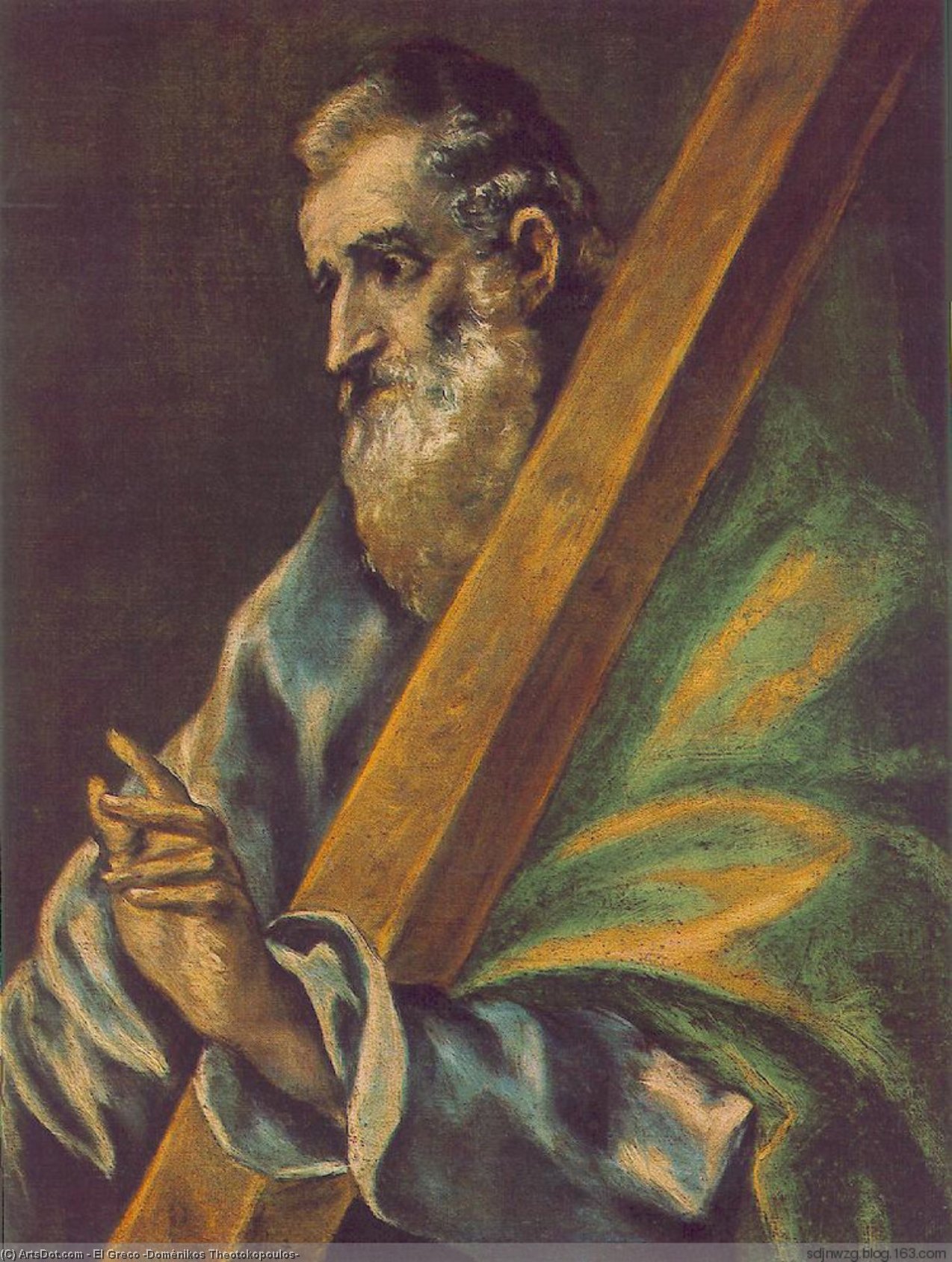
Apostle St Andrew

- 70.0 x 53.0 cm


 Lue lisää
Giclée- ja taideprintit
Museolaatuisia giclée- tai kankaitaulun tulosteita nopealla tuotannolla ja joustavilla viimeistelyvaihtoehdoilla. ( Osta käsinmaalattu taideteos Siirry digitaaliseen kuvaan)




P118B €10

P118H €10

P118W €10

P438Z €10

P508JH €12

P508YH €12

P805H €10

P805Z €10

P919BZ €10

P919G €10

P919XJ €10

P959ZH €10

P968JZ €12

W106C €8

W218G €10

W218JH €8

W218Y €10

W307PJ €10

W316G €10

W316PJ €8

W316Y €10

W398PJ €8

W4111J €10

W500HY €15

W500JH €15

W692G €12

W849H €8

W940BG €15

W953PJ €8




Valitse valmiista mitoistamme sellaiset, jotka vastaavat teoksen alkuperäisiä mittasuhteita.

Syötä tarvitsemasi leveys ja korkeus, jotta tuloste sopii kehyksiisi tai seinällesi. Tulostetta voidaan vain leikata, sitä ei voida koskaan suurentaa alkuperäistä kuvaa suuremmaksi, joten eri muotoinen koko aiheuttaa osan kuvasta katoamisen. Lähetämme sinulle digitaalisen mallikuvan hyväksyttäväksi ennen kuin aloitamme tulostuksen. Tällä sivulla näkyvä kuva ei näytä lopullista rajausta — vain mallikuva näyttää sen.
Maailmanlaajuinen toimitus () 2 viikossa tavallisen 4–5 viikon sijaan. (10 marraskuu)

Ilmainen pikatoimitus ympäri maailman

Korkealaatuinen pellavakangas

Kattava kuljetusvakuutus

Tulliveron palautustakuu

Takuu täydellisestä värien vastaavuudesta

100 päivän palautusoikeus (vain valmistusvirheet)

100% rahat takaisin -takuu

Määräalennus tarjolla
 Lasivaihtoehto on saatavilla vain alle 110 cm kokoisille teoksille

Apostle St Andrew
Giclée- ja taideprintit
Replikaatin koko
-


Kokonaishinta
€ 73
A Deep Dive into El Greco’s “Apostle St Andrew”
Doménikos Theotokópoulos, universally known as El Greco – “the Greek” – stands apart from his contemporaries as a painter whose artistic vision transcended conventional boundaries. Born in Crete in 1541, under Venetian dominion, his journey through Venice and Rome ultimately solidified his indelible mark on the artistic landscape of Spain: Toledo became his spiritual home and the crucible for his revolutionary style. El Greco wasn’t merely absorbing influences; he masterfully synthesized them—Byzantine solemnity blended seamlessly with Western Renaissance dynamism—resulting in an aesthetic that foreshadowed movements like Expressionism and Cubism centuries ahead of their time. His formative years within the Byzantine tradition instilled a meticulous attention to detail and a profound understanding of religious iconography, shaping his approach to portraying sacred subjects. Yet, he refused to be confined by dogma, actively pursuing new artistic horizons. He signed his canvases in Greek – “Krḗs” – proudly asserting his Cretan heritage while simultaneously embracing the stylistic currents circulating throughout Europe. The genesis of El Greco’s distinctive style can be traced back to a pivotal moment: witnessing the devastation wrought by the Lisbon earthquake of 1755, which profoundly impacted him emotionally and spurred him to experiment with innovative compositional strategies.The Artist's Singular Style: Long Lines and Vibrant Color
El Greco’s artistic signature is instantly recognizable—characterized by elongated figures rendered in luminous hues against backgrounds imbued with a palpable sense of mysticism. “Apostle St Andrew” exemplifies this approach perfectly. The artist employs dramatic foreshortening, elongating the saint’s body to convey spiritual intensity and conveying an ethereal quality rarely achieved during his era. His palette explodes with rich blues and golds—a deliberate choice reflecting Venetian artistic traditions but infused with a uniquely El Greco sensibility. These colors aren't merely decorative; they serve as conduits for emotion, amplifying the solemn grandeur of the scene. The artist’s technique is equally noteworthy: he utilizes impasto – thick brushstrokes – to sculpt texture onto the canvas surface, creating palpable depth and enhancing the visual impact of the composition. This textural richness contributes significantly to the painting's expressive power.Symbolism Embodied in Light and Gesture
The central element—the cross held by St. Andrew—is laden with symbolic significance. It represents his martyrdom and underscores his unwavering faith, mirroring the broader Christian narrative of sacrifice and redemption. The saint’s gaze is directed upwards, conveying humility and reverence – a gesture that speaks to the spiritual core of Byzantine art. Furthermore, the drapery surrounding St. Andrew is rendered with meticulous detail, capturing folds and creases that convey movement and dynamism—a stylistic departure from more static depictions prevalent in earlier periods. The subtle interplay of light and shadow further enhances the painting’s dramatic atmosphere, guiding the viewer's eye toward the focal point and amplifying the saint’s solemn presence.Historical Context: Venetian Influence Meets Andalusian Spirit
El Greco’s artistic trajectory was shaped by the cultural currents of his time—particularly the influence of Venice, where he honed his skills during a formative period. However, he wasn't merely imitating Venetian aesthetics; he transformed them into something wholly original, reflecting the spiritual fervor of Andalusia and forging an artistic identity that resonated across Europe. His work stands as testament to the enduring power of tradition blended with innovation—a legacy that continues to inspire artists today. To appreciate El Greco’s genius fully, a visit to The Museum Szépmûvészeti Múzeum (Budapest, Hungary) offers invaluable insight into his oeuvre and its broader artistic context.Kysymykset ja vastaukset
Miten taidesuuntaus ja aikakausi kohtaavat teoksessa El Greco:n "Apostle St Andrew"?
"Apostle St Andrew" kuuluu Baroque-suuntaukseen, ja sen tekijä työskenteli Renessanssi-aikakaudella.
Onko teos "Apostle St Andrew" tekijänoikeusvapaa?
El Greco:n "Apostle St Andrew" on vapaasti käytettävissä – tekijänoikeussuoja on päättynyt. Tämä tila määrittää, miten teoksen kuvaa saa käyttää uudelleen.
Mihin käyttöön "Apostle St Andrew"-teoksen painos on suositeltava?
El Greco:n "Apostle St Andrew"-teoksen suositeltu käyttötarkoitus on Accent. Se soveltuu kuitenkin myös muihin tarkoituksiin.
Taiteilijan elämäkerta
Kreetalainen perusta
Doménikos Theotokópoulos, historian tunteva nimellä El Greco, aloitti elämänsä vuonna 1541 Kreetan saarella. Tuolloin saari oli Venetsian alaisuudessa, mikä mahdollisti hänelle myöhemmin sillan rakentamisen itäisen ja läntisen perinteen välille. Hänet koulutettiin ikoneiden maalaajaksi bysanttilaisen perinteen piirissä, mikä vaati äärimmäistä tarkkuutta yksityiskohdissa ja keskittymistä kohteen hengelliseen olemukseen pelkän fyysisen ulkonäön sijaan. Tämä varhainen uppoutuminen kreetalaiseen kouluun antoi hänelle symbolisen tarkkuuden tunnun, joka säilyi vakiona, vaikka hänen tyylinsä koki myöhemmin radikaaleja muutoksia.
Yllettäessään 26 vuoden ikään hän muutti Venetsiaan laajentaakseen ymmärrystään luonnon maailmasta. Venetsian tasavallassa hän kohtasi Tizianin ja Tintoreton teokset, imien itseensä heidän mestarillisuuttaan värin käytössä ja valon hyödyntämisessä muodon määrittelyssä. Hän oppi siirtymään nuoruutensa jäykistä linjoista kohti sulavampaa siveltimenjälkeä ja dynaamisuutta. Tämä ajanjakso ei ollut hylkäys hänen juurilleen, vaan niiden laajentaminen, kun hän alkoi yhdistää kreikkalaisen perintönsä kurinalaisen ikonografian italialaisen renessanssin ilmavampaan aistillisuuteen.
Toledon muodonmuutos
Rooman vierailun jälkeen, jossa hän kohtasi manierismin pitkänomaiset muodot ja hienostuneet sommitelmat, El Greco asettui Toledoon, Espanjaan, vuonna 1577. Tämä siirto osoittautui ratkaisevaksi. Toledo oli vastatuton uskonnollisen intohimon keskus vastatutonuskon ajan aikana, tarjoten maiseman, joka sopi täydellisesti hänen yhä mystisemmälle visiolleen. Täällä hänen tyylinsä saavutti erottuvimman vaiheensa, jota leimasivat venytetyt ja vääristyneet hahmot, kuin näkymätön hengellinen voima olisi vetänyt niitä. Hän ei käyttänyt värejä todellisuuden jäljittelemiseen, vaan voimistamaan emotionaalista vaikutusta, hyödyntäen usein epäluonnollisia sävyjä kuvatakseen jumalallista.
Hänen tuotantonsa Espanjassa leimautui maallisen ja taivaallisen välisellä jännitteellä. Teoksessa The Burial of the Count of Orgaz (1586–1588) hän asetti vastakkain nykyhetken hahmojen realistisen kuvauksen ja pitkänomaiset, taivaalliset muodot, luoden visuaalisen sillan kuolevaisen ja jumalallisen välille. Kyky hallita valoa ja varjoa antoi hänelle mahdollisuuden luoda draamaa, joka tuntui samanaikaisesti teatraaliselta ja syvän henkilökohtaiselta. Hän ei ainoastaan maalannut kohtauksia; hän pyrki ilmentämään niitä emotionaalisia ja hengellisiä todellisuuksia, jotka lepäävät fyysisen maailman pinnan alla.
Muodon ja valon perintö
Hänen elämänsä loppuvuosiaan leimasi pyrkimys kohti vielä suurempaa abstraktiota ja mystiikkaa. Sommitelmat muuttuivat monimutkaisemmiksi ja hahmot vääristyneemmiksi, mikä heijasti kasvavaa etääntymistä perinteisistä taiteellisista normeista. Vaikka hän saavutti menestystä ja sai merkittäviä tilauksia kirkoilta ja luostareilta Toledossa, hänen vaikutuksensa ei välittömästi ulottunut laajempaan taidemaailmaan kuolemansa jälkeen vuonna 1614. Pitkään häntä pidettiin eksentrikkinä taiteilijana, ja taidehistorian valtavirta oli pitkälti sivuuttanut hänen työnsä.
Vasta 1900-luvulla hänen merkityksensä tunnustettiin täysin. Modernistit löysivät hänen teoksistaan esimuodon tuleville ekspressiivisille ja fragmentoiduille tyyleille. Hänen kykynsä vääristää mittasuhteita ja käyttää rohkeaa, tunteikasta väriä puhutteli niitä, jotka pyrkivät välittämään sisäisiä psykologisia tiloja. Nykyään hänen maalauksiaan pidetään ikkunoina ihmismielen syvyyksiin, ja niitä ylistetään ainutlaatuisesta kyvystään vangita uskon intensiteetti ja pyrkimys transsendenssiin.
Merkittäviä teoksia ovat:
- The Burial of the Count of Orgaz (1586–1588)
- View of Toledo (1596–1600)
- The Opening of the Fifth Seal (1608–1614)
- St. Sebastian (1600)
- El Espolio (1577–1579)

El Greco
1541 - 1614 , Kreikka
Pähkinänkuoressa
- Artistic Movement Or Style: Mannerismi ja Barroko
- Artists Or Movements Influenced By This Artist:
- Expressionismi
- Cubismi
- Artists Who Influenced This Artist:
- Titian
- Tintoretto
- Date Of Birth: 1541 Kreeta
- Date Of Death: 1614
- Full Name: Doménikos Theotokópoulos
- Nationality: Kreikkalainen
- Notable Artworks:
- Pyhä Mauricuksen marttyyrit
- Laokoön
- El Espolio
- St. Sebastian
- Place Of Birth: Kreeta, Greece
Aiheeseen liittyvät artikkelit

The Dramatic Flourish: Exploring the Baroque Movement's Enduring Legacy in Art History
Explore the dramatic world of Baroque art! Discover iconic artists like Caravaggio & Rubens, defining techniques, and its lasting impact on art history. Expert insights for collectors & enthusiasts at OriginalUniqueArt.
El Greco: Spirituality, Style & Innovation – A Renaissance Master's Legacy
Explore the captivating world of El Greco! Discover his unique style, spiritual intensity, and lasting impact on art history. Learn about this Renaissance master's life, iconic paintings & legacy.

The Golden Age Reforged: Dramatic Realism & Religious Zeal in Spanish Baroque Art
Explore the dramatic world of Spanish Baroque art! Discover masters like Zurbarán & the powerful influence of religious zeal on painting techniques – a guide for collectors and enthusiasts.

El Grecon 25 mestariteosta: Taidetta, historiaa ja inspiraatiota kotiisi
Tutustu El Grecon 25 vaikuttavimpaan mestariteokseen! Uppoudu espanjalaisen renessanssin ja manierismin maailmaan. Taidehistoriaa, uskonnollisia maalauksia ja inspiraatiota kotiisi – löydä upeat taidevedokset OriginalUniqueArt.comista.

Barokin mestariteokset: Taidetta ja loistoa kotiisi – OriginalUniqueArt.com
Uppoudu barokin loistokkuuteen! Tutustu Caravaggion, Rembrandtin ja Vermeerin kaltaisten mestareiden tunnetuimpiin teoksiin. Taidehistoriaa kotiisi – löydä upeat taidetulosteet ja canvas-taulut OriginalUniqueArt.comista.


