

 Katso seinällä
 Lähetä
 Jaa
Jaa
 Tarkemmat tiedot
 Opas
Opas

 Lataa kuva
 Samanlaisia kohteita
 Röntgenkuvaus
 Diaesitys
 Tilastot
The Child and Death
 Akryyli kankaalle
- Seinätaide
- Expressionism
 1899
1899 100.0 x 90.0 cm
 Kunsthalle Bremen
 Lue lisää
Käsinmaalattu öljyvärinen jäljennös
Käsinmaalattu öljyväri kankaalle haluamassasi koossa ja kehyksissä, taiteilijoidemme valmistamana tilauksesta. ( Vaihda tulosteeseen Siirry digitaaliseen kuvaan)




P118B €10

P118H €10

P118W €10

P438Z €10

P508JH €12

P508YH €12

P805H €10

P805Z €10

P919BZ €10

P919G €10

P919XJ €10

P959ZH €10

P968JZ €12

W106C €8

W218G €10

W218JH €8

W218Y €10

W307PJ €10

W316G €10

W316PJ €8

W316Y €10

W398PJ €8

W4111J €10

W500HY €15

W500JH €15

W692G €12

W849H €8

W940BG €15

W953PJ €8




Valitse valmiista mitoistamme sellaiset, jotka vastaavat teoksen alkuperäisiä mittasuhteita.

Voit syöttää omat mitat sopimaan tiettyyn kehykseen tai tilaan. Jos valitsemasi koko ei vastaa alkuperäisen kuvan mittasuhteita, rajaamme taideteoksen tai jatkamme maalausta käsin maalatuilla elementeillä. Digitaalinen esikatselu lähetetään hyväksyttäväksi ennen tuotannon aloittamista.
Huomioithan, että näytöllä oleva esikatselu ei vastaa todellista rajausta tai jatkamista. Vain digitaalinen mallikuva näyttää lopullisen sommittelun tarkasti.
Vaikka mittatilaustyöt ovat mahdollisia, suosittelemme valitsemaan mitan ennalta määritetystä listasta alkuperäisten mittasuhteiden säilyttämiseksi.
Tilauksen jälkeen OriginalUniqueArt.com -tiimi lähettää asiakkaalle sähköpostitse ohjeet ja esikatselukuvan.
Maailmanlaajuinen toimitus () 3–4 viikossa tavallisen 5 viikon sijaan. (11 lokakuu). Laadusta ei tingitä.

Ilmainen pikatoimitus ympäri maailman

Korkealaatuinen pellavakangas

Kattava kuljetusvakuutus

Tulliveron palautustakuu

Takuu täydellisestä värien vastaavuudesta

100 päivän palautusoikeus valmistusvirhetapauksissa

100% rahat takaisin -takuu

Määräalennus saatavilla
 Lasivaihtoehto on saatavilla vain alle 110 cm kokoisille teoksille

The Child and Death
Reproduktiotapa
Replikaatin koko
-


Kokonaishinta
€ 280
A Haunting Vision of Grief: Edvard Munch’s ‘The Child and Death’
Edvard Munch's 1899 painting, *The Child and Death*, is a profoundly moving exploration of loss, trauma, and the psychological weight of mortality. Born from personal tragedy – the early deaths of his mother and sister, compounded by his father’s passing in 1889 – this work isn’t simply a depiction of death, but an intensely felt portrayal of *the experience* of grief as witnessed through the eyes of innocence.Subject & Composition: A Silent Scream
The composition centers on a young girl, positioned prominently in the foreground, her hands clasped tightly over her ears. Her gaze is directed outward, seemingly confronting an unseen horror. Behind her, a reclining figure – representing her deceased mother – lies shrouded in shadow. The stark contrast between the child’s active posture and the mother's stillness immediately establishes a sense of irreversible loss. Notably, Munch doesn’t focus on the dying or dead; his concern is entirely with those *left behind*. This deliberate choice amplifies the painting’s emotional resonance.Style & Technique: Expressionist Mastery
*The Child and Death* exemplifies Munch's signature Expressionist style. The brushwork is loose, emotive, and deliberately avoids precise representation. Forms are organic and blurred, contributing to a dreamlike, unsettling quality. Munch employs a heavily impastoed technique – applying paint in thick layers – particularly around the mother’s figure, creating a tactile surface that emphasizes her physical absence. The color palette is muted and melancholic, dominated by somber tones of reddish-brown, grey, and purple, further reinforcing the painting's mournful atmosphere.Hidden Depths: A Canvas Within a Canvas
A fascinating aspect of this work’s history is the discovery in 2005 that it conceals another painting beneath the surface – *Girl and Three Male Heads*. Revealed through X-ray analysis, this hidden image depicts a nude girl surrounded by menacing, mask-like male figures. This suggests Munch was grappling with themes of puberty, vulnerability, and perhaps even sexual threat. The fact that he deliberately obscured this earlier work, rather than simply painting over it, speaks to the complex layers of meaning embedded within his artistic process.Symbolism & Emotional Impact: Echoes of ‘The Scream’
The gesture of covering one's ears is a recurring motif in Munch’s oeuvre, most famously seen in *The Scream*. However, while the figure in *The Scream* unleashes a primal cry, this child remains silent, paralyzed by fear and grief. This silence is perhaps even more poignant, suggesting an inability to articulate the overwhelming pain she experiences. The painting embodies a universal experience of loss – the feeling of being utterly overwhelmed and unable to process profound sorrow. It’s a work that doesn't offer comfort but rather confronts us with the raw, unsettling reality of death and its enduring impact on the living.Historical Context & Legacy
Created at the turn of the 20th century, *The Child and Death* reflects the growing anxieties and psychological explorations prevalent in Symbolist and early Expressionist art. Munch’s willingness to delve into his own inner turmoil paved the way for future generations of artists who sought to express subjective experience rather than objective reality. Today, it remains a powerful testament to the enduring human struggle with mortality, grief, and the search for meaning in the face of loss – a work that continues to resonate deeply with viewers over a century after its creation.Kysymykset ja vastaukset
Mitä tunnetta Expressionism-tyylisuunnan teos "The Child and Death" välittää?
"The Child and Death" teoksen Melankolinen tunne kulkee käsi kädessä sen Expressionism tyylin kanssa.
Onko teos "The Child and Death" säilytyksessä tekijänsä kotimaassa?
Ei - teos sijaitsee ulkomailla. Edvard Munch syntyi maassa Ruotsi, ja alkuperäinen teos "The Child and Death" on esillä museossa, joka sijaitsee maassa Saksa.
Kuka on teoksen "The Child and Death" taiteilija?
"The Child and Death" on Edvard Munch:n luoma teos. Tällä sivulla olevat tiedot kuvaavat Edvard Munch:n alkuperäistä työtä.
Kuinka vanha Edvard Munch oli tehdessään "The Child and Death"?
Kun "The Child and Death" luotiin vuonna 1899, Edvard Munch (syntynyt 1863) oli 36 vuotias.
Mitä tunnetta Edvard Munch:n "The Child and Death" välittää?
Teoksen Edvard Munch:n "The Child and Death" tunnetila on määritelty olevan Melankolinen. Se tiivistää teoksen välittämän tunnelman.
Milloin "The Child and Death" on tehty?
Teos Edvard Munch:n "The Child and Death" on valmistunut vuonna 1899.
Mikä koko "The Child and Death"-teokselle suositellaan Olohuone-tilaan?
Suositeltu yhdistelmä teokselle Edvard Munch:n "The Child and Death": Suuri koko kokoinen vedos tilaan Olohuone.
Taiteilijan elämäkerta
Varjoisasta Lapsuudesta Modernin Ahdistuksen Ilmaisijaksi: Edvard Munchin Elämä ja Taide
Edvard Munch, vuonna 1863 Norjan karussa maisemassa syntynyt taiteilija, nousi tunnetuksi modernin ajan ahdistuksen ja emotionaalisen myllerryksen symbolina. Hänen elämänsä oli syvästi leimattu menetyksestä ja läpitunkevan melankolian tunteesta, mikä toimi hänen voimakkaan ilmaisullisen taiteensa lähteenä. Lapsuusvuodet varjostivat varhaiset kuolemat – äiti ja sisko menehtyivät tuberkuloosiin – ja Munchille kehittyi painava huoli kuolevaisuudesta, sairaudesta ja ihmiselämän hauraudesta. Nämä kokemukset eivät olleet pelkkiä elämäkertatietoja; ne muodostivat hänen taiteellisen visionsa ytimen, ruokkien lakkaamatonta pyrkimystä tutkia sisäistä maisemaa täynnä pelkoa, surua ja kaipuuta. Isän tiukat uskonnolliset vakaumukset ja Munchin omat mielenterveyskamppailut lisäsivät synkkyyden tunnetta hänen maailmassaan, muokaten paitsi henkilökohtaista elämäänsä myös maalaustensa symbolikieltä. Hän ei pelkästään kuvannut kohtauksia; hän ulkoisti sisäisen tilan, kääntäen psyykkistä ahdinkoa visuaaliseen muotoon.
Ilmaisun Synty: Vaikutteet ja Taiteellinen Kehitys
Munchin taiteellinen matka alkoi muodollisella koulutuksella Kristianian (Oslo) kuninkaallisessa taide- ja suunnittelukoulussa, mutta todellisen luovuuden kipinän sytytti kohtaaminen boheemien piirien kanssa sekä Hans Jægerin nihilistinen filosofia. Jæger rohkaisi Munchia hylkäämään tavanomaiset akateemiset tyylit ja sukeltamaan sen sijaan oman subjektiivisen kokemusmaailmansa syvyyksiin, konsepti, jota hän kutsui ”sielun maalaukseksi”. Tämä ratkaiseva käänne merkitsi Munchin omaleimaisen tyylin alkua – tyyliä, jolle oli tunnusomaista raaka tunteellisuus, vääristyneet muodot ja luonnonmukaisen esityksen hylkääminen. Matkat Pariisiin 1890-luvulla altistivat hänet kukoistavalle postimpressionismille, jossa hän imi vaikutteita Paul Gauguinin, Vincent van Goghin ja Henri de Toulouse-Lautrecin taiteilijoista. Näiden mestareiden rohkea värien käyttö, ilmeikäs siveltötyöskentely ja psykologinen intensiteetti resonoi syvästi Munchin omien taiteellisten pyrkimysten kanssa. Hän ei pelkästään jäljitellyt heidän tekniikoitaan; hän syntetisoi ne ainutlaatuiseksi kieleksi, joka kykeni välittämään ihmisen syvimmät ja levottomimmat tunteet. Aika Berliinissä osoittautui myös ratkaisevaksi, tuoden hänet kosketuksiin näytelmäkirjailija August Strindbergin kanssa, jonka psykologisten teemojen tutkiminen ruokki entisestään Munchin taiteellisia pyrkimyksiä.
Ikoniset Visioita: Keskeiset Teokset ja Niiden Symbolinen Paino
Munchin tuotanto on täynnä kuvia, jotka ovat juurtuneet kollektiiviseen tietoisuuteen. Huuto, ehkä hänen tunnetuin teoksensa, ylittää maalauksen aseman ja nousee universaaliksi eksistentiaalisen ahdistuksen symboliksi. Pyörteilevä, liekehtivä maisema ja hahmon vääristynyt kasvot ilmentävät alkukantaista huutoa maailmankaikkeuden välinpitämättömyyttä vastaan. Madonna, kiistanalainen ja syvästi henkilökohtainen teos, tutkii seksuaalisuutta, äitiyttä ja kuolevaisuutta häiritsevällä avoimuudella. Toistuvat motiivit, kuten Sairas lapsi – inspiroitunut sisarensa Sophien menetyksestä – muistuttavat koskettavasti Munchin lapsuuden traumaa ja kuoleman jatkuvaa uhkaa. Melankolia I & II, voimakkaat kuvaukset syvästä surusta ja eristäytymisestä, paljastavat haavoittuvuutta, joka on sekä henkilökohtaista että yleismaailmallisesti samaistuttavaa. Nämä teokset eivät ole pelkästään ulkoisen todellisuuden esityksiä; ne ovat ikkunoita taiteilijan sieluun, tarjoten katsojille häikäilemättömän vilkauksen ihmismielen synkimpiin sopukoihin. Munch ei pyrkinyt luomaan kauniita kuvia; hän halusi välittää totuuden – vaikka se olisikin tuskallista ja levotonta.
Kestävä Perintö: Historiallinen Merkitys ja Vaikutus
Edvard Munchin panos modernille taiteelle on mittaamaton. Hän seisoo keskeisenä hahmona ekspressionismin kehityksessä, tasoittaen tietä taiteilijoille, jotka priorisoivat subjektiivista tunnetta objektiivisen esityksen sijaan. Hänen häikäilemätön tutkimus universaaleista ihmiskokemuksista – rakkaudesta menetykseen, ahdistukseen ja kuolemaan – resonoi edelleen nykyajan yleisöjen kanssa, vahvistaen hänen paikkansa yhtenä vaikutusvaltaisimmista ja kestävämmistä hahmoista taidehistoriassa. Hänen työnsä vaikutti syvästi myöhempiin sukupolviin taiteilijoita, inspiroiden liikkeitä kuten saksalainen ekspressionismi ja sen jälkeen. Hän uskalsi kohdata ihmisen olemuksen synkimmät puolet, haastaen tavanomaiset käsitykset kauneudesta ja taiteellisesta esittämisestä. Vaikka hän saavutti mainetta ja tunnustusta – huipentuen Munch-museon perustamiseen Oslossa – hänen henkilökohtainen elämänsä pysyi myrskyisänä, leimattuna mielenterveyden epävakauden ja eristäytymisen jaksoilla. Silti hän jatkoi luomista, jättäen jälkeensä teoskokonaisuuden, joka edelleen provosoi, haastaa ja inspiroi. Munchin perintö ei perustu pelkästään maalauksiin; se koskee rohkeutta kohdata ihmisen olemassaolon monimutkaisuutta ja kääntää nämä kokemukset taiteeksi, joka puhuttelee syvimpiä osiamme.
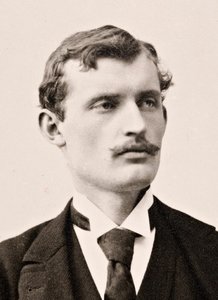
Edvard Munch
1863 - 1944 , Ruotsi
Tietoa taiteilijasta
- Artistic Movement Or Style: Ilmaisullisuus
- Artists Or Movements Influenced By This Artist: ['Saksa ekspressionismi']
- Artists Who Influenced This Artist:
- Paul Gauguin
- Van Gogh
- Date Of Birth: 12. joulukuuta 1863
- Date Of Death: 23. tammikuuta 1944
- Full Name: Edvard Munch
- Nationality: Norjalainen
- Notable Artworks:
- Huuto
- Madonna
- Sairas lapsi
- Place Of Birth: Ådalsbruk, Ruotsi
Aiheeseen liittyvät artikkelit
Top 10 Ekspressionismin Mestarityötä: Taidetta ja Tunnelmaa Kotiisi
Tutustu 10 ekspressionismin mestariteokseen! Munchin Huuto, Kandinskyn värit ja Die Brücken taidemaalarit. Taidetta kotiisi – löydä inspiraatiota ja korkealaatuiset taidevedokset OriginalUniqueArt.com:ista.

Edvard Munch: Anxiety, Modernity & the Dawn of Expressionism
Explore the profound world of Edvard Munch, pioneer of Expressionism. Discover the origins of 'The Scream' & his haunting depictions of anxiety, mortality, and love. Expert analysis & high-quality reproductions at OriginalUniqueArt.
The Raw Emotion of Expressionism: A Deep Dive into its History, Characteristics & Enduring Influence
Explore the raw emotion of Expressionism with OriginalUniqueArt. Discover its history, key artists like Kirchner & Munch, and lasting influence on modern art. Expert insights for collectors & enthusiasts.

Saksan ekspressionismin 10 mestariteosta: Taidetta ja tunnetta kotiisi
Uppoudu Saksan ekspressionismin maailmaan! Tutustu 10 mestariteokseen – Kirchnerin voimakkaista väreistä Munchin tunteisiin. Löydä taidemaalauksien tarinat ja inspiroi sisustusta OriginalUniqueArt.com:ssa. Explore the full collection online!
Edvard Munchin 25 mestariteosta: Taidetta ja tunteita kotiisi | OriginalUniqueArt
Tutustu Edvard Munchin 25 mestariteokseen ja uppoudu ekspressionismin tunteisiin. Taidehistoriaa, maalauksien tarinoita ja inspiraatiota sisustukseen OriginalUniqueArtilta. Löydä kaikki taideteokset verkossa!


