Öljyvärimaalaus-versio
 Kaikki teoksesta Red vine







































 Teoksille tai reproduktioille, joiden mikä tahansa sivu on suurempi kuin 105 cm (noin 41 tuumaa), kehys toimitetaan osina purettuna sarjana. Tämä menetelmä varmistaa turvallisen toimituksen ja ehkäisee vaurioita kuljetuksen aikana.


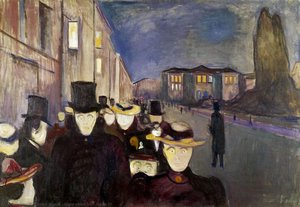
Red Vine: A Haunting Expression of Isolation
“Red Vine” (1898) by Edvard Munch is a seminal work within the Expressionist movement, offering a profound exploration of human emotion and psychological distress. This painting isn't merely a depiction of a landscape; it’s a visceral representation of inner turmoil projected onto the external world.
The Painting Style: Expressionism
Expressionism, as an art movement, arose in the late 19th and early 20th centuries as a reaction against Impressionism's focus on objective reality. Instead, Expressionist artists sought to convey subjective emotions and experiences through distortion, exaggeration, and bold use of color. Munch was a key figure in this movement, and "Red Vine" exemplifies its core tenets. The painting utilizes rough brushstrokes, intense reds, and an unsettling composition to evoke a sense of anxiety and unease.
Significance in the Context of Expressionism
“Red Vine” stands as a powerful example of Expressionist principles at work:
- Intense Color Palette: The dominant use of red, far from representing natural foliage, creates an atmosphere of heightened emotion and potential danger. It symbolizes passion, anxiety, and perhaps even impending doom.
- Distorted Forms: The figure within the painting is not realistically rendered; instead, it appears isolated and vulnerable, contributing to the overall feeling of alienation. The house itself seems almost consumed by the encroaching vines, further emphasizing a sense of entrapment.
- Emotional Narrative: The scene doesn't tell a straightforward story but rather evokes a complex emotional state. It suggests themes of isolation, fear, and the struggle against overwhelming forces.
Symbolism and Interpretation
While Munch rarely provided definitive explanations for his works, "Red Vine" is rich in potential symbolism:
- The Red Vines: These are not simply decorative elements; they represent a suffocating force, potentially symbolizing jealousy, obsession, or the destructive power of emotions.
- The Figure: The lone figure’s posture and expression convey a sense of dread and vulnerability. It could be interpreted as representing Munch himself, grappling with his inner demons, or a universal symbol of human fragility in the face of adversity.
- The House: The dilapidated house suggests decay, instability, and perhaps even the crumbling foundations of the psyche. Its integration within the landscape emphasizes its vulnerability to external forces.
Emotional Impact and Legacy
“Red Vine” leaves a lasting impression on viewers due to its raw emotional power. The painting’s unsettling atmosphere and ambiguous narrative invite introspection, prompting audiences to confront their own anxieties and fears. Munch's masterful use of color and form continues to inspire artists today, solidifying his place as one of the most influential figures in modern art. It serves as a poignant reminder of the expressive potential of art to convey profound human experiences.
Kysymykset ja vastaukset
Onko teos Red vine käsinmaalattu vai painettu?
Käsinmaalattu: ammattitaitoinen taiteilija kopioi teoksen Red vine öljyväreillä pellavalle.
Mikä koko Red vine -teokselle kannattaa valita?
Koot vaihtelevat välillä 32.0 x 31.2 cm (€178) – 242.5 x 236.8 cm (€1843); tämän sivun taulukossa on lueteltu tärkeimmät vaiheet ja niiden hinnat.
Kuinka kauan toimitus kestää?
Toimitusaika on 4–5 viikkoa, ja tarjoamme ilmaisen pikatoimituksen ympäri maailmaa; tällä sivulla on saatavilla myös kiireellinen tuotantovaihtoehto. Voit palauttaa tuotteen 100 päivän kuluessa täyden hyvityksen saamiseksi ilman mitään ehtoja.
Mitä tekniikkaa Edvard Munch käytti teoksessa Red vine?
Acrylic On Canvas
 Esikatselu

 Jaa teos
 Jaa
 Tiedot
 Tiedot-arkki


 Lataa kuva
 Samanlaisia kohteita
 Röntgenkuvaus
 Diaesitys
 Kysymykset ja vastaukset

 Tilastot