

 Esikatselu
 Jaa
Jaa Jaa
Jaa
 Tarkemmat tiedot

 Lataa
Lataa
 Samanlaisia
 Röntgenkuva
 Diaesitys
 Tilastot
Dunblane Cathedral

 Näytä lisää
Giclée-printit ja taideprintit
Museolaatuisia giclée- tai kankaitaulun tulosteita nopealla tuotannolla ja joustavilla viimeistelyvaihtoehdoilla. ( Osta käsintehty maalaus Siirry digitaaliseen kuvaan)




































Valitse valmiista mitoistamme sellaiset, jotka vastaavat teoksen alkuperäisiä mittasuhteita.

Voit syöttää omat mitat sopiaksesi tiettyyn kehykseen tai tilaan. Jos valittu koko ei vastaa alkuperäisen kuvan mittasuhteita, rajaamme teosta tai laajennamme kuvaa peilatulla tai yhtenäisellä reunalla. Digitaalinen mallikuva lähetetään hyväksyttäväksi ennen tuotannon aloittamista.
Huomaathan, että näytöllä näkyvä esikatselu ei vastaa lopullista rajausta tai laajennusta. Vain mallikuva näyttää lopullisen sommittelun tarkasti.
Vaikka räätälöityjä kokoja on saatavilla, suosittelemme valitsemaan mitat valmiista listasta alkuperäisten mittasuhteiden säilyttämiseksi.
Toimitus maailmanlaajuisesti () kahdessa viikossa tavallisen 4–5 viikon sijaan. (10 syyskuu)

Ilmainen pikatoimitus ympäri maailman

Korkealaatuinen pellavakangas

Kattava kuljetusvakuutus

Tulliveron palautustakuu

Täydellinen värien vastaavuustakuu

100 päivän palautusoikeus (vain valmistusvirheet)

100% rahat takaisin -takuu

Määräalennus tarjous
 Lasivaihtoehto on saatavilla vain alle 110 cm kokoisina teoksina

Dunblane Cathedral
Giclée-printit ja taideprintit
Replikaatin koko
-


Kokonaishinta
$ 80
A Serene Scottish Vista: Duncan Cameron's "Dunblane Cathedral"
Duncan Cameron’s “Dunblane Cathedral” (1892) offers a captivating glimpse into late 19th-century Scotland, presenting a picturesque scene of the town of Dunblane anchored by its magnificent cathedral. This work exemplifies the Romantic landscape tradition, characterized by an emphasis on atmospheric beauty and emotional response to nature. Cameron masterfully captures the tranquil essence of rural life, inviting viewers to share in the peacefulness of this idyllic setting. The painting depicts a bustling yet calm scene; people are scattered throughout, suggesting everyday activity while maintaining a sense of serenity. The presence of early automobiles subtly hints at the burgeoning modernity of the era, juxtaposed against the timeless backdrop of the cathedral and surrounding landscape.Style and Technique: Evoking Atmospheric Beauty
Cameron’s style is deeply rooted in Romanticism, evident in his loose brushwork and focus on capturing light and atmosphere. He employs a muted palette dominated by greens, browns, and soft blues, creating a harmonious and calming visual experience. The technique used suggests an *en plein air* approach – painting outdoors directly from observation – which contributes to the work’s naturalistic feel. Notice how Cameron uses subtle variations in color and tone to depict depth and distance, drawing the eye towards the towering steeple of the cathedral, the focal point of the composition. He skillfully blends detail with impressionistic touches, allowing the viewer's imagination to complete the scene.Historical Context: Scotland at a Turning Point
Painted in 1892, "Dunblane Cathedral" reflects a period of significant change in Scottish society. The late Victorian era witnessed rapid industrialization and urbanization, yet many rural communities retained their traditional character. Cameron’s painting serves as a nostalgic record of this transition, celebrating the enduring beauty of Scotland's countryside and its historic landmarks. Dunblane Cathedral itself, with its long history dating back to the 12th century, represents centuries of Scottish heritage and religious significance. The inclusion of automobiles subtly acknowledges the dawn of the modern age while preserving the timeless charm of the scene.Symbolism and Emotional Impact
Beyond a simple depiction of a landscape, "Dunblane Cathedral" carries symbolic weight. The cathedral represents faith, stability, and continuity amidst change. Its prominent position in the composition underscores its importance to the community. The scattering of figures suggests human connection and shared experience within this tranquil setting. The overall emotional impact is one of peace, nostalgia, and a deep appreciation for the beauty of the Scottish landscape. Cameron’s work evokes a sense of longing for simpler times and a reverence for the enduring power of nature and tradition. It's an invitation to pause, reflect, and appreciate the quiet moments that define life in a small town.Taiteilijan elämäkerta
Duncan Cameron (1837 – 1916): Painter of Scottish Pastoral
Duncan Cameron was a Scottish landscape painter who achieved considerable renown during the Victorian era, particularly for his depictions of Perthshire and its surrounding countryside. Born in Edinburgh in 1837, he possessed an innate talent for capturing the essence of rural Scotland—its dramatic skies, rolling hills, and shimmering lochs—with remarkable accuracy and emotional depth. Cameron’s artistic vision was profoundly shaped by Romanticism and Impressionism, blending meticulous observation with expressive brushwork to create paintings that resonate with timeless beauty.- Early Life & Training: Cameron received his initial artistic education at the Royal Scottish Academy in Edinburgh, where he honed his skills under influential instructors. His formative years instilled a disciplined approach to painting and fostered an appreciation for classical composition alongside burgeoning modernist tendencies.
- Notable Works & Style: Cameron’s oeuvre comprises numerous landscapes showcasing Perthshire's iconic vistas—including Loch Achray and Dunkeld—and capturing the fleeting effects of light and atmosphere with masterful precision. His distinctive style is characterized by a rich palette, textured brushstrokes, and an unwavering commitment to portraying the grandeur of nature.
- Influences: Cameron’s artistic sensibilities were significantly impacted by artists such as JMW Turner and Frederic Church, whose explorations of atmospheric perspective and dramatic landscapes served as inspiration for his own compositions. He embraced Impressionistic techniques—particularly plein air painting—to convey immediacy and vibrancy in his depictions of the Scottish Highlands.
- Recognition & Legacy: Cameron’s paintings gained acclaim within Scotland and internationally during his lifetime, securing a place among the most celebrated landscape artists of the Victorian period. His works continue to be admired for their evocative beauty and enduring representation of Scottish pastoralism—a testament to his artistic genius and lasting contribution to British art history.
Exploring Perthshire: Cameron's Obsession with Landscape
Cameron’s fascination with Perthshire stemmed from its breathtaking scenery, which he considered ideal for conveying the sublime beauty of nature. He tirelessly revisited Loch Achray and Dunkeld, meticulously documenting their changing seasons and capturing the subtle nuances of light and color. These expeditions fueled his artistic creativity and solidified his reputation as a master of landscape painting—a skill that would define his entire career.- Loch Achray: Cameron’s depiction of Loch Achray exemplifies his Romantic aesthetic, employing dramatic lighting and atmospheric perspective to convey the grandeur of the loch's surroundings. The painting captures the misty mornings and golden sunsets of Perthshire with remarkable sensitivity—a visual record of Cameron’s artistic pilgrimage.
- Dunkeld Cathedral: Another iconic subject for Cameron was Dunkeld Cathedral, which he portrayed in several canvases during his lifetime. His paintings convey a profound reverence for architectural beauty alongside an appreciation for the surrounding landscape—reflecting his humanist worldview and artistic ambition.
The Impressionistic Touch: Capturing Fleeting Moments
Cameron skillfully integrated Impressionistic techniques into his work, prioritizing direct observation and capturing the ephemeral qualities of light and color. He adopted plein air painting—working outdoors directly from nature—allowing him to translate the immediacy of visual experience onto canvas with unparalleled accuracy. This approach distinguished Cameron’s style from more academic traditions—establishing him as a pioneer of modern landscape art.- Color Palette: Cameron's paintings are characterized by a vibrant color palette—employing hues that reflect the changing seasons and capturing the subtle variations in tonal range with meticulous attention to detail.
- Brushwork: His distinctive brushstrokes—loose, textured, and expressive—were designed to convey movement and atmosphere—creating paintings that pulsate with life and vitality.
Duncan Grant & Cameron's Shared Vision
Duncan Grant, a fellow Scottish Colourist, shared Cameron’s passion for capturing the beauty of Scotland through vibrant color and atmospheric perspective. Although their artistic paths diverged somewhat later in life—Grant pursuing abstraction while Cameron remained committed to realism—both artists recognized the importance of conveying emotion and responding directly to the visual world around them. Their collaborative spirit exemplifies the broader ethos of Scottish Modernism—a movement dedicated to exploring new aesthetic possibilities while honoring tradition.Concluding Reflections: An Enduring Legacy
Duncan Cameron’s paintings continue to inspire admiration for their timeless beauty and masterful execution—serving as enduring emblems of Scottish landscape art. His unwavering devotion to observation, coupled with his expressive brushwork and luminous color palette, cemented his place among the most influential artists of the Victorian era—leaving an indelible mark on British artistic heritage.
duncan cameron
1837 - 1916
Pikatiedot
- Artistic Movement Or Style: Scottish Colourist
- Artists Or Movements Influenced By This Artist: ['Hugh Cameron Wilson']
- Artists Who Influenced This Artist: ['John Duncan Fergusson']
- Date Of Birth: 1837
- Date Of Death: 1916
- Full Name: Duncan Cameron Wilson
- Nationality: Scottish
- Notable Artworks:
- Largo Bay
- Harvest Time in Lorne
- Place Of Birth: Glasgow, Scotland
Liittyvät artikkelit
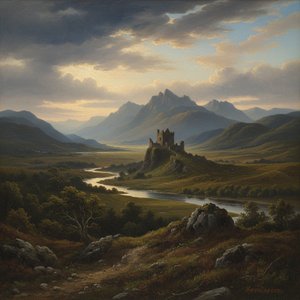
Alexander Nasmyth: Picturing Scotland's Romantic Landscape – Innovation & Identity
Explore the life & art of Alexander Nasmyth, a pivotal figure in Scottish Romantic landscape painting. Discover his iconic works, including portraits of Robert Burns, and learn about his lasting influence on national identity. Fine art reproductions available.

Evocations of Place: A Historical Journey Through Landscape Art
Explore the rich history of landscape art with OriginalUniqueArt. Discover renowned artists, movements like Impressionism & Romanticism, and expert guidance for collecting timeless pieces. Find your perfect serene escape today!

Romanttisen maisemamaalauksen mestariteokset: Taidetta ja inspiraatiota kotiin
Uppoudu romanttisen maisemamaalauksen maailmaan! Tutustu Caspar David Friedrichin, Turnerin ja muiden mestareiden ikonisiin teoksiin. Löydä inspiraatiota kotiisi taiteen avulla OriginalUniqueArt.comista – laadukkaat taideprintit ja sisustusideoita.
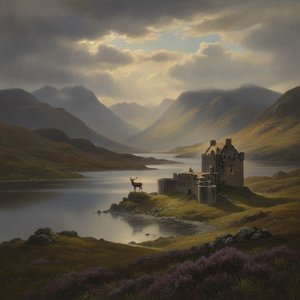
Capturing the Highlands: A Guide to Iconic Scottish Landscape Paintings and the Romantic Tradition
Explore the profound beauty of the Scottish Highlands through the lens of Romanticism. Discover the history, technique, and atmospheric mastery behind iconic landscape paintings from the Old Masters to museum-quality oil reproductions for collectors.

John Constablein 25 mestariteosta: Taidetta ja tunnelmaa kotiisi – OriginalUniqueArt.com
Tutustu John Constable'n 25 mestariteokseen – romanttisia maisemamaalauksia, jotka vangitsevat englantilaisen luonnon tunnelman. Taidehistoriaa ja inspiraatiota kotiisi OriginalUniqueArt.com:ssa. Löydä kaikki taideteokset verkossa!