
 Esikatselu
 Jaa
Jaa Jaa
Jaa
 Tarkemmat tiedot

 Lataa
Lataa
 Samanlaisia
 Röntgenkuva
 Diaesitys
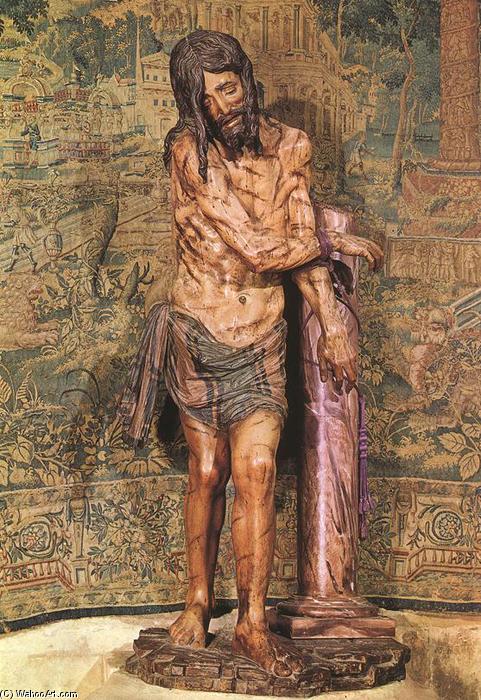
Christ at the Column


 Näytä lisää
Osta korkearesoluutioinen, parannettu digitaalikuva, joka on laadultaan huomattavasti parempi kuin verkkosivuston esikatselu.
Jokainen tiedosto valmistellaan huolellisesti omien asiantuntijoidemme toimesta käyttäen edistyneitä työkaluja ja ammattitaitoista manuaalista retusointia. Varmistamme, että jokaisessa kuvassa on poikkeuksellinen selkeys, tarkka värintoisto ja hienovaraiset yksityiskohdat.
Lopputiedosto toimitetaan sähköpostitse 72 tunnin kuluessa, ja se on optimoitu välittömään käyttöön ammattimaisissa, toimituksellisissa ja painoympäristöissä. Laatu on sama, johon huipputason suunnittelustudiot, kustantajat ja galleriat luottavat.
Digitaalinen kuva
Lataa korkearesoluutioinen tiedosto henkilökohtaiseen näyttelyyn, tulostamiseen ja luoviin projekteihin. ( Osta printti Osta käsintehty maalaus)
Sisältyy jokaiseen digitaalisen kuvan tilaukseen
Asiantunteva digitaalinen toimitus, taattuun laatuun
Kun valitset OriginalUniqueArt.com-palvelun, et saa vain kuvaa – saat ammattimaisesti parannetun digitaalisen taideteoksen, joka on luotu tarkkuudella ja jonka takaa tulee tyytyväisyystakuu. Tässä on kaikki, mitä tilauksesi sisältää, automaattisesti:

Nopea digitaalinen toimitus
Korkearesoluutioinen digitaalinen kuvatiedostosi lähetetään sähköpostiisi 72 tunnin kuluessa tilauksesta – valmiina käytettäväksi välittömästi.

Tekoälyllä parannettu digitaalinen tiedosto
Taiteilijasi teos on optimoitu ammattimaisesti edistyneiden tekoälytyökalujen ja manuaalisen muokkauksen avulla, mikä takaa maksimaalisen yksityiskohtaisuuden, selkeyden ja väritarkkuuden.

Ilmainen elinikäinen uudelleenlähetyspalvelu
Oletko vahingossa poistanut tai kadottanut tiedostosi? Ei hätää – lähetämme sen sinulle uudelleen milloin tahansa täysin maksutta.

Ei tuontimaksuja – koskaan
Nauti taiteestasi välittömästi ilman tulleja, veroja tai toimitusmaksuja – digitaaliset lataukset ovat aina verovapaita.

Värintoiston tarkkuustakuu
Varmistamme, että digitaalinen kuvasi vastaa alkuperäisiä värejä mahdollisimman tarkasti käyttämällä ammattilaistason työkaluja ja värinhallintaa.

60 päivän tyytyväisyystakuu
Jos et ole tyytyväinen digitaaliseen kuvaasi, muokkaamme sitä tai palautamme 100% takaisin 60 päivän kuluessa – ilman kysymyksiä.

100% Rahat takaisin -takuu
Etkö ole tyytyväinen? Saat täyden hyvityksen 60 päivän kuluessa digitaalisen tiedostosi vastaanottamisesta – ilman kyselyitä.

Suurtilaaja-alennukset
Osta 3 kuvaa, säästä 10% - Osta 5, säästä 15% - Osta 10+, säästä 20%. Erinomainen valinta luoviin projekteihin, gallerioille ja toimistoille.
Taiteilijan elämäkerta
The Architect of the Renaissance Soul
Diego de Siloe stands as a pivotal figure in the artistic landscape of Spain during the Renaissance, recognized primarily for his groundbreaking contributions to sculpture and architecture. As the progenitor of the Granadan school of sculpture, he orchestrated a profound stylistic shift that would redefine the visual identity of southern Spain. Born in Burgos around 1495, Siloe was likely the son of Gil de Siloé, a prominent Gothic sculptor whose established presence in Flanders provided Diego with a rich, inherited connection to the intricate traditions of Northern Europe. This familial lineage, rooted in the delicate and ornate Gothic aesthetic, served as the foundation upon which Siloe would build his revolutionary synthesis of styles, blending the structural rigor of Italian Classicism with the lingering elegance of the Mudéjar and Gothic heritencies.
The evolution of Siloe’s artistic vision was deeply shaped by his travels and exposure to the burgeoning humanist ideals sweeping across the continent. His journey to Naples around 1517 proved transformative, as he encountered the monumental innovations championed by masters such as Donato Bramante and Filippo Brunelleschi. These architects, who were actively reshaping Roman grandeur into a new, balanced humanism, instilled in Siloe a lifelong reverence for classical proportions and architectural harmony. This period of discovery allowed him to transcend his Burgundian roots, integrating the rhythmic complexity of Spanish tradition with the disciplined grace of the Italian Renaissance.
A Legacy Carved in Stone and Spirit
Siloe’s early career in Burgos serves as a breathtaking testament to his ability to navigate disparate artistic languages. The monumental staircase of Burgos Cathedral, completed in 1519, remains one of his most evocative achievements. In this structure, one witnesses a bold departure from traditional cathedral design; it is a space where soaring Gothic verticality meets a new, sophisticated ornamentation. Adorned with intricate carvings of cherubs, heraldic coats of arms, and lush vegetal motifs, the staircase defies the conventional limitations of its location on the city's northern flank. Through innovative structural solutions, Siloe created a sense of movement and grandeur that bridged the gap between the medieval past and the classical future.
As his career progressed, Siloe’s influence moved southward, eventually establishing him as the master of Granada. His most enduring legacy lies in his monumental designs for the Granada Cathedral and the Monastery of Saint Jerome. In these projects, he did not merely build; he sculpted space itself. By weaving together the delicate textures of the Plateresque style with the robust dignity of Renaissance architecture, he created a unique aesthetic that felt both profoundly Spanish and cosmopolitally modern. His work in Granada became the cornerstone of a new regional identity, ensuring that his name would be forever etched into the very fabric of Spanish history.
The significance of Diego de Siloe extends far beyond the physical structures he left behind. He was an artist of transition, a bridge-builder who understood that true innovation requires a deep respect for tradition. His ability to harmonize the following elements defines his historical importance:
- Gothic Intricacy: The preservation of detailed, ornamental storytelling inherited from his father's lineage.
- Italian Classicism: The adoption of mathematical proportion, symmetry, and Roman-inspired grandeur.
- Mudéjar Influence: The integration of the unique, decorative Moorish-influenced patterns characteristic of the Iberian Peninsula.
- Plateresque Elegance: A mastery of silver-like, highly detailed surface ornamentation that defines the Spanish Renaissance.

Diego de Siloe
1495 - 1563 , Spain
Lyhyesti esiteltynä
- Artistic Movement Or Style: Renaissance, Plateresque
- Artists Or Movements Influenced By This Artist: Filippo Brunelleschi
- Artists Who Influenced This Artist: Gil de Siloé
- Date Of Birth: ca. 1495
- Date Of Death: 1563
- Full Name: Diego de Siloe
- Nationality: Spanish
- Notable Artworks:
- Burgos Cathedral Staircase
- Granada Cathedral
- Monastery of Saint Jerome
- Place Of Birth: Burgos, Spain

