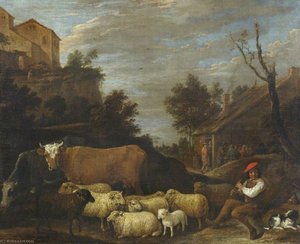
Esikatselu
 Jaa teos
 Jaa
Jaa
 Tiedot
 Opas
Opas

 Lataa kuva
 Samanlaisia kohteita
 Röntgenkuvaus
 Diaesitys
 Q&A
Q&A Tilastot
The Surgeon

- 57.0 x 73.0 cm


 Lue lisää
Giclée- ja taideprintit
Museolaatuisia giclée- tai kankaitaulun tulosteita nopealla tuotannolla ja joustavilla viimeistelyvaihtoehdoilla. ( Osta käsinmaalattu taideteos Siirry digitaaliseen kuvaan)




P118B €10

P118H €10

P118W €10

P438Z €10

P508JH €12

P508YH €12

P805H €10

P805Z €10

P919BZ €10

P919G €10

P919XJ €10

P959ZH €10

P968JZ €12

W106C €8

W218G €10

W218JH €8

W218Y €10

W307PJ €10

W316G €10

W316PJ €8

W316Y €10

W398PJ €8

W4111J €10

W500HY €15

W500JH €15

W692G €12

W849H €8

W940BG €15

W953PJ €8




Valitse valmiista mitoistamme sellaiset, jotka vastaavat teoksen alkuperäisiä mittasuhteita.

Syötä tarvitsemasi leveys ja korkeus, jotta tuloste sopii kehyksiisi tai seinällesi. Tulostetta voidaan vain leikata, sitä ei voida koskaan suurentaa alkuperäistä kuvaa suuremmaksi, joten eri muotoinen koko aiheuttaa osan kuvasta katoamisen. Lähetämme sinulle digitaalisen mallikuvan hyväksyttäväksi ennen kuin aloitamme tulostuksen. Tällä sivulla näkyvä kuva ei näytä lopullista rajausta — vain mallikuva näyttää sen.
Maailmanlaajuinen toimitus () 2 viikossa tavallisen 4–5 viikon sijaan. (1 marraskuu)

Ilmainen pikatoimitus ympäri maailman

Korkealaatuinen pellavakangas

Kattava kuljetusvakuutus

Tulliveron palautustakuu

Takuu täydellisestä värien vastaavuudesta

100 päivän palautusoikeus (vain valmistusvirheet)

100% rahat takaisin -takuu

Määräalennus tarjolla
 Lasivaihtoehto on saatavilla vain alle 110 cm kokoisille teoksille

The Surgeon
Giclée- ja taideprintit
Replikaatin koko
-


Kokonaishinta
€ 71
A Glimpse into a World of Healing and Observation
David Teniers the Younger’s “The Surgeon,” painted around 1670, isn't merely a depiction of a medical scene; it’s a meticulously rendered snapshot of daily life within a bustling apothecary and surgical workshop. The painting immediately draws the eye into a crowded room filled with figures engaged in various activities – a surgeon intently focused on his patient, assistants tending to instruments, and onlookers observing the procedure. This isn't a grand portrait of heroic medicine; instead, it offers an intimate, almost voyeuristic view of the practical realities of medical practice during the Dutch Golden Age. The composition is deliberately dense, reflecting the organized chaos inherent in a working environment where life and death were intimately intertwined.
The scene unfolds within a space defined by earthy tones – browns, ochres, and muted greens dominate the palette, lending an air of realism and groundedness to the portrayal. Subtle touches of red appear in clothing and bandages, providing visual contrast and drawing attention to the act of healing itself. Teniers’ masterful use of hatching and cross-hatching creates a remarkable sense of texture, from the rough wool of garments to the smooth surfaces of porcelain jars filled with medicinal ingredients. The artist skillfully employs light – primarily emanating from a window on the left – to sculpt forms and cast shadows, adding depth and drama to the composition. The limited perspective, while somewhat flattened, effectively guides the viewer’s eye through the crowded room, emphasizing key figures and details.
The Artist's Hand: Technique and Style
“The Surgeon” is a prime example of David Teniers the Younger’s signature style – a blend of meticulous observation and genre painting. He was renowned for his ability to capture the nuances of everyday life, imbuing even mundane scenes with a sense of vitality and interest. The brushwork is visible yet controlled, contributing to the overall realism of the piece. Notice how Teniers renders the folds in clothing, the textures of skin, and the details of surgical instruments – each element meticulously rendered with careful attention to detail. The painting’s foundation lies in oil paints applied to canvas, a technique that allowed for layering and blending, creating rich colors and subtle gradations of tone.
Furthermore, Teniers' work reflects the influence of his mentor, Peter Paul Rubens, particularly in his use of vibrant color and dynamic composition. However, unlike Rubens’ grand historical scenes, Teniers focused on capturing the immediacy of a domestic setting. The painting is not just a record of events; it’s an invitation to step into a world where medicine was practiced within the familiar confines of a workshop, alongside the rhythms of daily life.
Symbolism and Context: A Window into 17th-Century Medicine
Beyond its immediate visual appeal, “The Surgeon” offers a fascinating glimpse into the cultural attitudes surrounding medicine during the 17th century. The presence of anatomical tools, surgical instruments, and even a monkey – often associated with alchemy and medical knowledge – hints at the prevailing fascination with the human body and the pursuit of healing. Skulls are also present, serving as stark reminders of mortality and the fragility of life. These elements collectively evoke a sense of both wonder and apprehension regarding the practice of medicine.
The painting’s historical context is crucial to understanding its significance. During this period, medical knowledge was still evolving, often blending traditional remedies with emerging scientific discoveries. The scene depicted reflects the collaborative nature of medical care, where surgeons relied on assistants and apprentices to aid in their procedures. “The Surgeon” isn't a celebration of surgical prowess; it’s a testament to the shared experience of healing within a community.
A Timeless Masterpiece: Reproduction and Legacy
David Teniers the Younger’s “The Surgeon” remains a captivating work of art, offering a rare glimpse into the world of 17th-century medicine. Reproductions capture the painting's rich detail and evocative atmosphere, making it an ideal addition to any home or office. Its enduring appeal lies in its ability to transport viewers back in time, inviting them to contemplate the complexities of human health, knowledge, and the ever-present pursuit of healing.
Kysymykset ja vastaukset
Miten voin katsella teosta David Teniers Nuorempi:n "The Surgeon" diashow'na?
Teoksen "The Surgeon" diaporama on katsottavissa teoksen Diaesitys -sivulla.
Mitä tekniikkaa David Teniers Nuorempi:n "The Surgeon" on käytetty?
"The Surgeon" on toteutettu tekniikalla Oil On Canvas.
Mistä voin löytää tilastoja teoksesta David Teniers Nuorempi:n "The Surgeon"?
Teoksen David Teniers Nuorempi:n "The Surgeon" tilastot löytyvät sen Tilastot -sivulta: teoksen kuukausittaiset käynnit, taiteilijan muiden teosten käynnit sekä viimeisimpien kävijöiden maa- ja kielijakauma.
Taiteilijan elämäkerta
Varhaiset vuodet ja perhetausta
- Syntymä: Antwerp, tuolloin osa Espanjan Alankomaita, kastettiin 15. joulukuuta 1610.
- David Teniers Nuorempi syntyi perheeseen, joka oli syvällä Flanderin taideperinteessä. Myös hänen isänsä, David Teniers vanhempi, oli taidemaalari, ja myös hänen nuoremmat veljensä Juliaan, Theodoor ja Abraham ryhtyivät maalaajiksi.
- Koulutus: Hän opiskeli isänsä alaisuudessa vuodesta 1626 alkaen, saaden perusteoppinsa maalaustekniikoista ja tyyleistä.
- Isä oli usein velkaa ja joutui toisinaan vankilaan niiden vuoksi, joten nuori David teki vanhojen mestareiden maalauksista kopioita auttaakseen perhettään toimeentulossa.
- Antwerpenin kilta: Hän nousi Antwerpin Pyhän Luukkaan killan mestariksi vuosina 1632–1633 ja toimi sen dekaanina vuosina 1644–1645.
Taiteellinen kehitys ja vaikutteet
- Varhaiset vaikutteet: Hänen varhaiset teoksensa seurasivat isänsä pienimuotoisia kabinettimaalauksia ja Adam Elsheimerin esimerkkiä. 1630-luvun loppuun asti hänen kuvansa muistuttivat aiheeltaan, tekniikaltaan, väritykseltään ja sommittelultaan Adriaen Brouweria.
- Rubensin piiri: Vuonna 1637 hän avioitui Anna Brueghelin kanssa, Jan Brueghel vanhemman tyttären. Peter Paul Rubens, joka oli toiminut tytön suojelijana tämän isän kuoleman jälkeen, toimi sulhasen todistajana häissä, mikä toi Teniersin osaksi Antwerpin johtavan maalarin vaikutuspiiriä.
- Genrelajin erikoistuminen: Teniers erikoistui vähitellen genremaalaukseen – arkipäivän elämän kuvaukseen – ja tuli tunnetuksi eloisista kohtauksistaan, jotka esittivät talonpoikaisjuhlia (kermessejä), tavernojen sisätiloja ja kylämaisemia.
Merkittävät teokset ja taiteellinen tyyli
- Genretryhmät: Hänen kuuluisimpia teoksiaan ovat genremaalaukset. Nämä esittävät usein vilkkaita talonpoikaiselämän kohtauksia, joita täyttävät ilo, tanssi, juominen ja pelit.
- Kermess-maalaukset: Kyläjuhlat, kuten Flanderin kermess, ovat hänen tyylinsä huipentumia – niissä näkyvät eloisat värit, yksityiskohtaiset sommittelut ja tarkka havainnointi ihmisten käyttäytymisestä.
- Tavernojen sisätilat: Hänen tavernamalauksensa ovat erityisen huomionarvoisia arkipäivän realistisen kuvauksen ja näiden tilojen eläväisen tunnelman vuoksi.
- Kylän ulkopuolella: Hän maalasi myös maisemia, vartiohuonekohtauksia, työssään olevia alkemisteja ja lääkäreitä sekä oivaltavia singerie-aiheita, joissa apinat esittävät ihmisten asioita.
- Galleriamaalaukset: Hänen näkymänsä arkkiherttuan kuvagalleriaan, jonka seinät olivat tunnistettavien mestariteosten täyttämät, tekivät hänestä tämän selkeästi flaamilaisen genren johtavan hahmon.
Hovimaalari ja kuraattori
- Palvelus arkkiherttua Leopold Wilhelmille: Noin vuonna 1650 Teniers muutti Brysseliin palvellakseen Espanjan Alankomaiden kuvernööriä, arkkiherttua Leopold Wilhelmiä, hovimaalarina ja taidekokoelmansa säilyttäjänä.
- Kokoelman hallinta: Hän auttoi arkkiherttää hankkimaan mestariteoksia, mukaan lukien maalauksia hajautetusta englantilaisesta kuninkaallisesta kokoelmasta ja Hamiltonin kokoelmasta. Kokoelma kasvoi noin 1 30ään teokseen ja muodosti myöhemmin perustan Wienin taidehistorialliselle museolle (Kunsthistorisches Museum).
- Theatrum Pictorium: Brysselissä vuonna 1660 julkaistu teos sisälsi 246 arkkiherttuan kokoelmasta peräisin olevaa italialaista maalausta kaiverruksina – se oli ensimmäinen kuvitettu luettelo vanhojen mestareiden kokoelmasta.
- Oppilaat: Uskotaan, että Gillis van Tilborgh opiskeli hänen alaisuudessaan Brysselissä ja toimi myöhemmin samassa tehtävässä hovikokoelman säilyttäjänä.
- Myöhemmät vuodet: Annan kuoleman jälkeen hän avioitui Isabella de Frenin kanssa vuonna 1556. Hän pyysi Espanjan kuningasta aatelisarvosta, mutta luopui siitä, kun hänelle kerrottiin, että hänen olisi lopetettava maalaustensa myynti.
- Antwerpenin akatemia: Teniers oli Antwerpin kuvataideakatemian perustamisen ajurina; hän hankki sille kuninkaallisen peruskirjan vuonna 1663 tavoitteenaan elvyttää flaamilainen maalaus Rubensin ja Van Dyckin kuolemien jälkeen.
Historiallinen merkitys ja perintö
- Johtava genremaalari: David Teniers Nuorempia pidetään aikansa johtavana flaamilaisena genremaalarina, joka vangitsi 1600-luvun elämän olemuksen poikkeuksellisella taidolla.
- Vaikutus myöhempiin taiteilijoihin: Hänen työnsä vaikutti seuraavien sukupolvien pohjoiseurooppalaisiin maalareihin ja jopa ranskalaisiin rokokoo-taiteilijoihin, kuten Antoine Watteau'hun.
- Runsas tuotanto: Teniers oli uskomattoman tuottelias taiteilija, jonka valtava teosmäärä herättää yhä ihailua viehättävyytensä, yksityiskohtaisuutensa ja historiallisen näkemyksensä vuoksi.
- Kuolema: Hän kuoli Brysselissä 25. huhtikuuta 1690 jättäen jälkeensä pysyvän perinnön yhtenä Flanderin tärkeimmistä barokkimaalareista.
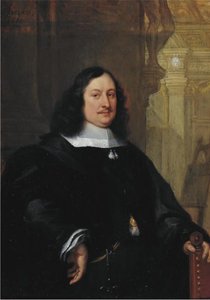
David Teniers Nuorempi
1610 - 1690 , Belgia
Pähkinänkuoressa
- Date Of Birth: 1610
- Date Of Death: 1690
- Place Of Birth: Antwerpen, Belgia
- Place Of Death: Bryssel, Belgia
- Birth Date: 1610
- Birth Place: Antwerpen, Belgia
- Death Date: 1690
- Influenced By: Adriaen Brouwer, Adam Elsheimer, Peter Paul Rubens
- Movement: Barokki
- Name: David Teniers Nuorempi
- Nationality: Flandrilainen
- Notable Works:
- Kaksi juoppoa
- Kylänäkymä
- Keittiönäkymä
- Flanderin kermess
Aiheeseen liittyvät artikkelit
David Teniers II: Master of Flemish Genre & Social Commentary
Explore the captivating world of David Teniers II, a leading Flemish Baroque painter renowned for his lively genre scenes & insightful social commentary. Discover his masterpieces and legacy with OriginalUniqueArt.
Scenes of Daily Life: A Comprehensive Exploration of Genre Painting Through History
Explore the rich history of genre painting! Discover Dutch Masters & European artists who captured everyday life with stunning realism. Learn about symbolism, techniques & lasting influence.
Gerard David: Bridging Late Medieval Tradition with Early Renaissance Humanism
Explore the captivating world of Gerard David, a pivotal figure bridging late medieval artistry with the Early Renaissance. Discover his innovative techniques, religious masterpieces, and enduring legacy – a must-read for discerning art collectors.
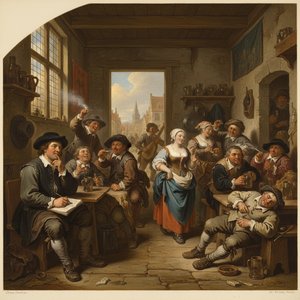
David Teniers the Younger: Genre Painting & Social Commentary in Baroque Flanders
Explore the captivating world of David Teniers the Younger, a leading Flemish Baroque painter. Discover his genre scenes, social commentary, and lasting influence on 17th-century art. Learn about his life, techniques & legacy.

Sir David Wilkie: Narrative Detail & the Rise of Victorian Genre Painting
Explore the life & work of Sir David Wilkie, a pivotal figure in Victorian genre painting. Discover his narrative detail, social commentary, and lasting influence on 19th-century British art. Learn more at OriginalUniqueArt.