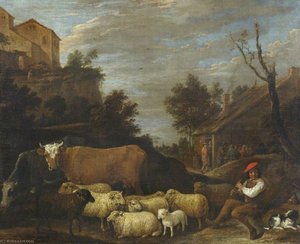
Katso seinällä
 Lähetä
 Jaa
Jaa
 Tarkemmat tiedot
 Opas
Opas

 Lataa kuva
 Samanlaisia kohteita
 Röntgenkuvaus
 Diaesitys
 Tilastot
The Kitchen
 Acrylic On Canvas
- WallArt
- Baroque
 1646
1646 171.0 x 237.0 cm
 Ermitažin museo
 Lue lisää
Giclée- ja taideprintit
Museolaatuisia giclée- tai kankaitaulun tulosteita nopealla tuotannolla ja joustavilla viimeistelyvaihtoehdoilla. ( Tilaa käsinmaalattu jäljennös Siirry digitaaliseen kuvaan)




P118B €10

P118H €10

P118W €10

P438Z €10

P508JH €12

P508YH €12

P805H €10

P805Z €10

P919BZ €10

P919G €10

P919XJ €10

P959ZH €10

P968JZ €12

W106C €8

W218G €10

W218JH €8

W218Y €10

W307PJ €10

W316G €10

W316PJ €8

W316Y €10

W398PJ €8

W4111J €10

W500HY €15

W500JH €15

W692G €12

W849H €8

W940BG €15

W953PJ €8




Valitse valmiista mitoistamme sellaiset, jotka vastaavat teoksen alkuperäisiä mittasuhteita.

Kirjoita tarvitsemasi leveys ja korkeus, jotta tuloste sopii kehyskokoon tai seinällesi. Tulostetta voidaan vain leikata, sitä ei voi koskaan tehdä suuremmaksi kuin alkuperäinen kuva, joten eri muotoinen koko aiheuttaa osan kuvasta katoamisen. Lähetämme sinulle digitaalisen mallikuvan hyväksyttäväksi ennen kuin aloitamme tulostuksen. Tällä sivulla näkyvä kuva ei näytä lopullista leikkausta — vain mallikuva näyttää sen.
Maailmanlaajuinen toimitus () 2 viikossa tavallisen 4–5 viikon sijaan. (24 lokakuu)

Ilmainen pikatoimitus ympäri maailman

Korkealaatuinen pellavakangas

Kattava kuljetusvakuutus

Tulliveron palautustakuu

Takuu täydellisestä värien vastaavuudesta

100 päivän palautusoikeus valmistusvirhetapauksissa

100% rahat takaisin -takuu

Määräalennus saatavilla
 Lasivaihtoehto on saatavilla vain alle 110 cm kokoisille teoksille

The Kitchen
Giclée- ja taideprintit
Replikaatin koko
-


Kokonaishinta
€ 70
A Snapshot of Everyday Life: David Teniers the Younger’s “The Kitchen”
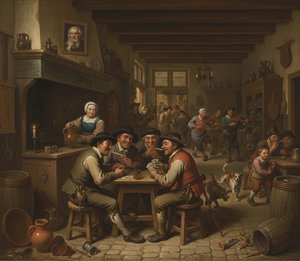
David Teniers the Younger's "The Kitchen," painted in 1646, isn’t merely a depiction of a domestic scene; it’s a vibrant tableau brimming with life, humor, and an astute observation of Flemish society. This remarkable work transcends simple genre painting, offering a glimpse into the heart of a bustling household—a microcosm reflecting the rhythms and relationships of everyday existence. Measuring 171 x 237 cm, the canvas explodes with activity, populated by thirteen individuals engaged in various tasks within a richly detailed kitchen environment. The sheer number of figures, coupled with their diverse interactions – from children playfully chasing birds to adults tending hearths and tables – immediately draws the viewer into this immersive world.
The painting’s Baroque style is evident in its dynamic composition, dramatic lighting, and meticulous attention to detail. Teniers masterfully employs a technique of *alla prima*, working directly onto the wet canvas without underdrawing, resulting in a sense of immediacy and spontaneity. Notice how he captures the textures of rough-hewn wooden furniture, the glint of metal tools, and the folds of fabric with remarkable precision. The artist’s use of color is equally noteworthy – warm earth tones dominate, punctuated by brighter accents that draw attention to key elements within the scene, such as a vibrant red tablecloth or the gleam of copper pots.
A Window into 17th-Century Flanders
To understand “The Kitchen,” it’s crucial to situate it within its historical context. The painting was created during a period of significant artistic and social change in the Netherlands, following the decline of the High Renaissance and the rise of Baroque styles. David Teniers the Younger emerged as a leading figure in this transition, skillfully blending influences from his father's earlier work with contemporary trends. His subject matter often revolved around scenes of rural life, domestic interiors, and tavern gatherings – themes that resonated deeply with the burgeoning middle class.
The inclusion of numerous animals—a dog, two cats, and a flock of birds—adds another layer of interest to the composition. Animals were frequently depicted in Flemish art, often serving as symbols of fertility, abundance, or domesticity. In “The Kitchen,” they seamlessly integrate into the human drama, contributing to the overall sense of lively chaos. The presence of books suggests an appreciation for learning and intellectual pursuits within the household, while the scattered bottles and bowls hint at a life filled with simple pleasures and convivial gatherings.
Symbolism and Social Commentary
Beyond its immediate visual appeal, “The Kitchen” offers subtle insights into 17th-century Flemish society. The scene’s bustling energy reflects the importance of family and community in this era. The various activities taking place—cooking, eating, cleaning, and socializing—highlighted the central role of the home as a focal point for social interaction. The inclusion of both adults and children underscores the multi-generational nature of Flemish households. Furthermore, the painting’s depiction of everyday life provides a valuable glimpse into the material culture and social customs of the time.
Interestingly, Teniers' career was marked by a remarkable versatility. He served as a court painter, a printmaker, and even a curator for Archduke Leopold Wilhelm, demonstrating a broad range of artistic skills and interests. His ability to capture both the grandeur of formal portraits and the intimacy of genre scenes cemented his reputation as one of the most prolific and influential artists of his generation. “The Kitchen” stands as a testament to this remarkable talent, offering a captivating window into a bygone era.
Kysymykset ja vastaukset
Kuka on luonut teoksen "The Kitchen" ja minä vuonna?
Teoksen "The Kitchen" tekijä on David Teniers nuorempi, ja se on vuodelta 1646.
Mikä hallitseva sävy lävistää teoksen David Teniers nuorempi:n "The Kitchen"?
Teoksen David Teniers nuorempi:n "The Kitchen" hallitseva sävy on Golden Yellow Range. Tämä sävy on paletin perussävy.
Onko David Teniers nuorempi:n "The Kitchen" tunnettu teos?
"The Kitchen" on luokiteltu kategoriaan Recognized.
Taiteilijan elämäkerta
David Teniers the Younger: Elämä ja Perintö
David Teniers the Younger, syntynyt Antwerpenissa 1610 ja kuollut 1690, oli merkittävä flaamilainen barokki-taiteilija, joka tunnetaan erityisesti eläväisistä maalauksistaan maalaistaloista, tavernipajoista ja maisemista. Hänen työnsä heijastaa 17-luvun elämää ja kulttuuria, ja hän oli merkittävä vaikuttaja taidemaailmassa sekä oman aikansa että myöhemmin. Teniersin ura juurtui syvälle flaamilaisen taiteen perinteisiin, mutta hän yhdisti taitavasti perinteitä uusiin vaikutteisiin, mikä teki hänen tyylistään tunnusomaisen ja arvostetun.Varhainen Elämä ja Perhe
David Teniers the Younger syntyi Antwerpenissa 15. joulukuuta 1610. Hänen isänsä, David Teniers the Elder, oli myös taidemaalari, ja useat hänen sisaristaan valitsivat uransa taiteen pariin. Tämä perinne loi vahvan pohjan nuorelle Davidille, joka alkoi harjoitella maalausta isänsä johdolla. Alkuvaiheessa hän keskittyi pienempiin, harrastelijamaisia maalauksia, mutta pian hän alkoi myös kopioida vanhojen mestareiden teoksia, mikä oli tuottoisa tapa tukea perheen taloutta. Teniersin perhe kohtasi taloudellisia vaikeuksia ajoittain, ja nuoren Davidin täytyi osallistua tuloihin tekemällä kopiokuvia tunnetuista maalauksista.Taiteellinen Kehitys ja Vaikutukset
Teniersin varhaisessa työssä näkyy vahvasti isänsä tyylin vaikutus, erityisesti pienimuotoiset kabinetin maalaukset. Hän otti kuitenkin myös oppinsa muilta flaamilaisilta mestareilta, kuten Pieter Bruegel the Elderiltä, joka oli tunnettu maalaistilanteiden ja kansanelämää kuvaavista teoksistaan. Merkittävin käänne Teniersin uralla tapahtui hänen avioliitonsa kautta Peter Paul Rubensiin. Hän avioitui Anna Brueghelin kanssa, Jan Bruegel the Elderin tyttären kanssa, ja Rubens toimi heidän hälynään. Tämä suhde antoi Teniersille pääsyn Rubensin ateljeeseen ja mahdollisuuden oppia tuntemaan taiteen suurimman tähden. Rubensin vaikutus näkyy Teniersin teoksissa, erityisesti niiden värien käyttöön ja dramaattiseen tunnelmaan. Teniers erikoistui asteittain genre-maalaustekniikkaan – elämän arkisten tilanteiden kuvaamiseen. Hän nousi tunnetuksi vilkkaista maalauksistaan maalaistalojen juhlista, tavernipajoista ja kylämäntien maisemista. Hänen teoksissaan näkyy tarkkanäköisyys ihmisen käyttäytymiseen ja kyky vangita elämänmenoa.Merkittävät Teokset ja Tyylin Ominaisuudet
Teniersin tunnetuimmat maalaukset ovat hänen genre-maalauksensa, jotka kuvaavat usein vilkkaita maalaistalojen juhlia, tanssia, juomista ja peliä. "Flemish Kermess" -sarja on erinomainen esimerkki hänen tyylistänsä – eloisat värit, yksityiskohtaiset kompositiot ja tarkka havainto ihmisten käyttäytymisestä. Hän myös loi kauniita maisemamaalauksia, joissa usein kuvattiin ihmisiä tekemässä maataloustöitä. Tavernipaikkojen maalaukset ovat erityisen huomiota herättäviä niiden realistisen kuvaustavan ja tavernipaikkojen tunnelman vuoksi. Teniers oli myös taitava printtimaalari, ja hänen teoksiaan käytettiin mallina kudottujen seinätekstieluiden valmistuksessa. Hänen työnsä vaikutti myöhemmin rococo-taiteilijoihin, kuten Antoine Watteauhun.Hovitaiteilija ja Kuraattori
Teniersin taidosta tunnustettiin hänen uransa aikana, ja hän sai kunnianosoituksia. Hänestä tuli hovimaalari ja taidesametiniekko Archduke Leopold Williamille, Espanjan alueneuvoksille. Tämä asema mahdollisti hänelle pääsyn arvokkaisiin kokoelmiin ja antoi hänelle mahdollisuuden kehittää omaa tyyliään. Teniers perusti myös Antwerpenin Taideakatemian, jonka tarkoituksena oli herättää flaamilainen taide henkiin jälleen Rubensin ja Van Dyckin kuoleman jälkeen.Historiallinen Merkitys ja Perintö
David Teniers the Younger on yhä muistettu merkittävänä flaamilaisena barokkiaita, joka loi eläväisiä maalauksia maalaistalojen elämästä. Hänen työnsä heijastaa 17-luvun elämää ja kulttuuria, ja hän oli merkittävä vaikuttaja taidemaailmassa sekä oman aikansa että myöhemmin. Teniersin teokset ovat edelleen arvostettuja ja inspiroivia, ja ne tarjoavat ainutlaatuisen näkökulman 17-luvun elämään ja kulttuuriin. Hän kuoli Antwerpenissa 25. huhtikuuta 1690, jättäen jälkeensä pysyvän perinnön flaamilaisen taiteen historiaan.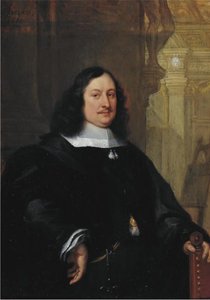
David Teniers nuorempi
1610 - 1690 , Belgia
Tietoa taiteilijasta
- Artistic Movement Or Style: Barokki
- Artists Or Movements Influenced By This Artist: ['Antoine Watteau']
- Artists Who Influenced This Artist: ['Pieter Bruegel vanori']
- Date Of Birth: 1610
- Date Of Death: 1690
- Full Name: David Teniers nuorempi
- Nationality: Flaamimainen
- Notable Artworks:
- Kermess-kuvat
- Tavernikohtaukset
- Maisemakuvat
- Place Of Birth: Antwerpen, Belgia
Aiheeseen liittyvät artikkelit
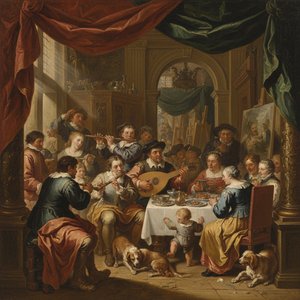
Jacob Jordaens: Baroque Dynamism & Genre Innovation of the Antwerp School
Discover Jacob Jordaens, a leading Flemish Baroque painter renowned for his dynamic compositions & realistic genre scenes. Explore his life, art, and lasting influence with OriginalUniqueArt.
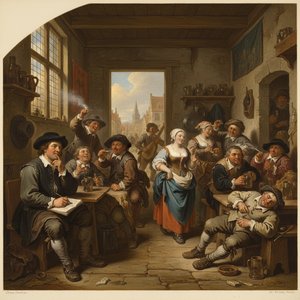
David Teniers the Younger: Genre Painting & Social Commentary in Baroque Flanders
Explore the captivating world of David Teniers the Younger, a leading Flemish Baroque painter. Discover his genre scenes, social commentary, and lasting influence on 17th-century art. Learn about his life, techniques & legacy.
David Teniers II: Master of Flemish Genre & Social Commentary
Explore the captivating world of David Teniers II, a leading Flemish Baroque painter renowned for his lively genre scenes & insightful social commentary. Discover his masterpieces and legacy with OriginalUniqueArt.

The Visceral Stage: Exploring Dramatic Narratives & Emotional Intensity in Baroque Art
Explore the dramatic world of Baroque art! Discover iconic masters like Caravaggio & Rembrandt, their techniques, and the movement's lasting impact. Expert insights for collectors & enthusiasts at OriginalUniqueArt.

Mastering Drama and Light: A Definitive Guide to the Flemish Baroque Art Movement
Explore the dramatic brilliance of the Flemish Baroque movement. Discover how masters like Peter Paul Rubens utilized chiaroscuro and dynamic composition to redefine art history through light, shadow, and unparalleled emotion.