

 Katso seinällä
 Lähetä
 Jaa
Jaa
 Tarkemmat tiedot
 Opas
Opas

 Lataa kuva
 Samanlaisia kohteita
 Röntgenkuvaus
 Diaesitys
 Tilastot
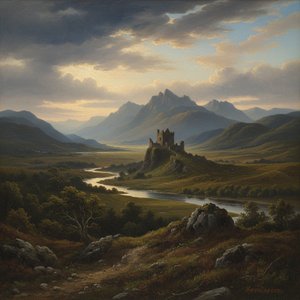
Mont St Michel


 Lue lisää
Käsinmaalattu öljyvärinen jäljennös
Käsinmaalattu öljyväri kankaalle haluamassasi koossa ja kehyksissä, taiteilijoidemme valmistamana tilauksesta. ( Vaihda tulosteeseen Siirry digitaaliseen kuvaan)




P118B €10

P118H €10

P118W €10

P438Z €10

P508JH €12

P508YH €12

P805H €10

P805Z €10

P919BZ €10

P919G €10

P919XJ €10

P959ZH €10

P968JZ €12

W106C €8

W218G €10

W218JH €8

W218Y €10

W307PJ €10

W316G €10

W316PJ €8

W316Y €10

W398PJ €8

W4111J €10

W500HY €15

W500JH €15

W692G €12

W849H €8

W940BG €15

W953PJ €8




Valitse valmiista mitoistamme sellaiset, jotka vastaavat teoksen alkuperäisiä mittasuhteita.

Kirjoita tarvitsemasi leveys ja korkeus, jotta teos sopii kehyskehyksiisi tai seinällesi. Koska kyseessä on käsinmaalattu teos, taiteilija voi maalata hieman enemmän kuvan ympärille tai rajata sitä hieman, jos haluat eri muotoisen koon — valinta on sinun. Lähetämme sinulle digitaalisen mallikuvan hyväksyttäväksi ennen kuin maalaus alkaa. Tällä sivulla näkyvä kuva ei vastaa lopullista tulosta — vain mallikuva näyttää sen.
Tilauksen jälkeen OriginalUniqueArt.com -tiimi lähettää asiakkaalle sähköpostitse ohjeet ja esikatselukuvan.
Maailmanlaajuinen toimitus () 3–4 viikossa tavallisen 5 viikon sijaan. (24 lokakuu). Laadusta ei tingitä.

Ilmainen pikatoimitus ympäri maailman

Korkealaatuinen pellavakangas

Kattava kuljetusvakuutus

Tulliveron palautustakuu

Takuu täydellisestä värien vastaavuudesta

100 päivän palautusoikeus valmistusvirhetapauksissa

100% rahat takaisin -takuu

Määräalennus saatavilla
 Lasivaihtoehto on saatavilla vain alle 110 cm kokoisille teoksille

Mont St Michel
Reproduktiotapa
Replikaatin koko
-


Kokonaishinta
€ 307
The Sublime Majesty of Mont St Michel
To gaze upon this depiction of Mont St Michel is to be transported across centuries and continents, standing at the precipice where human ambition meets the raw, untamed power of nature. The scene unfolds with an almost breathtaking grandeur, capturing not merely a location, but a profound state of being—a confluence of spiritual devotion and geological permanence. The imposing silhouette of the abbey rises from the tidal island like a monumental prayer etched against the vast expanse of sky. It speaks immediately to the Romantic yearning for the sublime; that feeling of awe mixed with slight terror before something overwhelmingly beautiful.
A Masterclass in 19th-Century Landscape Technique
The artist, working within the tradition of grand 19th-century landscape painting, demonstrates a remarkable command over atmosphere and light. Observe how the palette is dominated by muted earth tones—the warm tans of the sand meeting the cool grays of ancient stone. The technique suggests an oil on canvas execution, characterized by loose, visible brushstrokes that lend an immediacy to the scene, as if the artist captured this moment before the tide shifted or the clouds parted. While the vertical thrust of the abbey’s towers provides rigid structure, these strong lines are beautifully counterbalanced by the soft blending used in the sky and the gentle sweep of the foreground beach. This interplay between sharp architectural geometry and ethereal atmospheric softness is what gives the piece its enduring vitality.
Symbolism and the Human Element
Mont St Michel itself has always been more than just stone; it is a potent symbol of pilgrimage, resilience, and the enduring spirit of faith. The composition masterfully guides the viewer's eye from the inviting foreground—the sandy beach dotted with figures on horseback and in carriages—directly toward the monumental structure. These scattered human elements are crucial; they do not diminish the scale of the abbey but rather serve to measure it, reminding us that this colossal achievement has been witnessed, traversed, and revered by countless generations. It is a dialogue between humanity’s journey and history’s immovable monument.
Creating an Atmosphere for Your Space
For the collector or designer seeking to infuse a room with depth, narrative weight, and historical resonance, this reproduction offers unparalleled emotional texture. The diffused lighting, suggesting either the quiet hush of dawn or the contemplative glow of late afternoon, imbues any space it graces with a sense of timeless tranquility. It is not merely decoration; it is an anchor for contemplation. Imagine this piece anchoring a library, a grand hall, or a study—a visual portal that whispers tales of medieval devotion and the enduring power of human endeavor against the backdrop of nature’s magnificent indifference.
Kysymykset ja vastaukset
Mitä tunnelmaa ja tunnetta David Roberts:n "Mont St Michel" välittää?
Teoksessa "Mont St Michel" Romantic-tunnelma kohtaa Melancholic-tunteen.
Mitä väripalettia teoksessa David Roberts:n "Mont St Michel" käytetään?
Teoksen "Mont St Michel" värit muodostavat Neutrals-väripaletin. Tämä luokitus kuvaa hallitsevia väriperheitä.
Mitä tunnetta Romanticism-tyylisuunnan teos "Mont St Michel" välittää?
Romanticism-suuntauksen sisällä teos "Mont St Michel" on tallennettu Melancholic sävyllä.
Taiteilijan elämäkerta
David Roberts: A Life in Art
David Roberts (1796–1864) was a Scottish painter celebrated for his detailed Orientalist scenes and meticulous lithographs. His work provides invaluable visual documentation of the Middle East during the 19th century, bridging artistic representation with historical record. He remains an influential figure in Victorian art history, particularly recognized for his contribution to capturing the spirit of exploration and scholarly interest in distant lands.Early Life and Career
Born on October 24, 1796, in Stockbridge near Edinburgh, Roberts’s formative years instilled a profound appreciation for craftsmanship and observation. At the age of ten, he began an apprenticeship with Gavin Beugo, honing his skills as a house painter and decorator – experience that would prove invaluable later in his artistic endeavors. This practical grounding complemented his evening art studies, fostering a disciplined approach to mastering technique. His early professional commissions included redecorating Scone Palace in 1815, demonstrating his burgeoning talent for transforming spaces through visual artistry. Subsequently, he secured a position as scene painter for James Bannister’s circus, refining his abilities in crafting immersive theatrical environments and furthering his understanding of composition and perspective.Artistic Journey and Influences
Roberts' artistic trajectory was propelled by an expanding fascination with diverse cultures and landscapes. Initially focused on theatrical scenery, he gradually transitioned towards independent artistic pursuits driven by a desire to explore uncharted territories visually. His 1832 expedition to Spain proved pivotal, sparking an intense interest in architectural detail – particularly Moorish palaces – and exotic locales that would permeate his subsequent paintings. While Roberts’s style wasn't dictated by any singular artist’s influence, it emerged organically from meticulous observation and a dedication to technical precision. He absorbed inspiration from the Romantic movement’s emphasis on emotion and imagination alongside the burgeoning scientific spirit of the era.Notable Works and Achievements
Roberts achieved lasting renown primarily through his monumental lithograph series, *The Holy Land, Syria, Idumea, Arabia, Egypt,* and *Nubia*. These images—executed with unparalleled accuracy—captured not only the grandeur of ancient sites like Petra and Jerusalem but also the everyday life of people inhabiting these regions. The series stands as a testament to Roberts’s commitment to documenting history through art, presenting viewers with vivid depictions of religious monuments, bustling marketplaces, and pastoral landscapes. His meticulous attention to detail – from the textures of stone walls to the folds of robes – elevated lithography beyond mere reproduction into a form of artistic interpretation. Furthermore, he was elected as a Royal Academician in 1841—a prestigious honor reflecting his contribution to British art and scholarship.Artistic Style and Characteristics
Roberts’s distinctive artistic style is characterized by several key elements:- Orientalism: He embraced the Romantic fascination with “the Orient,” portraying Middle Eastern subjects with sensitivity and nuance, often imbued with spiritual symbolism.
- Technical Mastery: Roberts possessed exceptional skill in rendering perspective, shading, and texture—techniques honed through years of apprenticeship and tireless experimentation.
- Landscaping & Townscapes: His paintings frequently depicted expansive landscapes alongside urban vistas, skillfully blending Romantic idealism with detailed observation to convey atmosphere and grandeur.

David Roberts
1796 - 1864 , Iso Britannia
Tietoa taiteilijasta
- Artistic Movement Or Style: Orientalism
- Artists Who Influenced This Artist:
- Jenaro Pérez Villaamil
- Alexander Nasmyth
- Country: United Kingdom
- Date Of Birth: 1796-10-24
- Date Of Death: 1864
- Full Name: David Roberts
- Nationality: Scottish
- Notable Artworks: ['The Holy Land, Syria, Idumea, Arabia, Egypt, and Nubia']
- Place Of Birth: Stockbridge
Aiheeseen liittyvät artikkelit

Evocations of Place: A Historical Journey Through Landscape Art
Explore the rich history of landscape art with OriginalUniqueArt. Discover renowned artists, movements like Impressionism & Romanticism, and expert guidance for collecting timeless pieces. Find your perfect serene escape today!

Romanttisen maisemamaalauksen mestariteokset: Taidetta ja inspiraatiota kotiin
Uppoudu romanttisen maisemamaalauksen maailmaan! Tutustu Caspar David Friedrichin, Turnerin ja muiden mestareiden ikonisiin teoksiin. Löydä inspiraatiota kotiisi taiteen avulla OriginalUniqueArt.comista – laadukkaat taideprintit ja sisustusideoita.

David Roberts: A Scottish Pioneer of Topographical Art & Orientalist Vision
Explore the captivating world of David Roberts, a pioneering Scottish painter renowned for his detailed Orientalist scenes & stunning Egyptian landscapes. Discover his legacy and find museum-quality reproductions at OriginalUniqueArt.
Alexander Nasmyth: Picturing Scotland's Romantic Landscape – Innovation & Identity
Explore the life & art of Alexander Nasmyth, a pivotal figure in Scottish Romantic landscape painting. Discover his iconic works, including portraits of Robert Burns, and learn about his lasting influence on national identity. Fine art reproductions available.

John Constablein 25 mestariteosta: Taidetta ja tunnelmaa kotiisi – OriginalUniqueArt.com
Tutustu John Constable'n 25 mestariteokseen – romanttisia maisemamaalauksia, jotka vangitsevat englantilaisen luonnon tunnelman. Taidehistoriaa ja inspiraatiota kotiisi OriginalUniqueArt.com:ssa. Löydä kaikki taideteokset verkossa!


