
 Esikatselu
 Jaa teos
 Jaa
Jaa
 Tiedot
 Opas
Opas

 Lataa kuva
 Samanlaisia kohteita
 Röntgenkuvaus
 Diaesitys
 Kysymykset ja vastaukset
 Tilastot
The twenty fourth


 Lue lisää
Saat tulostusvalmiin tiedoston, jonka laatu ylittää verkkonäkymän huomattavasti. Jokainen myymämme digitaalinen kuva on peräisin arkistomme korkearesoluutioisesta mestariteoksesta — yleensä 5 000–15 000 pikselin levyisenä — joten voit tulostaa suuria kokoja, rajata tiukasti tai toistaa hienovaraiset yksityiskohdat luottavaisin mielin.
Mikään tiedosto ei lähde studiostamme muuttamatta. Digitaalinen asiantuntija vertaa värejä alkuperäiseen maalaukseen ja korjaa niitä tarvittaessa, minkä jälkeen hän parantaa kuvan selkeyttä ja yksityiskohtia ammattimaisilla retusointityökaluilla — säilyttäen aina uskollisena taiteilijan siveltimenjäljen ja tyylin. Lopputuloksena on kuva, joka näyttää maalaukselta, eikä suodatetulta skannaukselta.
Hyväksyt työn ennen valmistumistaan: asiantuntijamme lähettää kuvan tarkistettavaksi sähköpostitse 72 tunnin kuluessa. Etkö ole tyytyväinen? Pyydä parannuksia tai korjauksia, tai pyydä hyvitystä, mikäli laatu ei vastaa odotuksia.
Tämä on laatua, johon kustantamot, design-studiot, galleriat ja painotalot luottavat.
Digitaalinen kuva
Lataa korkearesoluutioinen tiedosto henkilökohtaiseen näyttelyyn, tulostamiseen ja luoviin projekteihin. ( Vaihda tulosteeseen Osta käsinmaalattu taideteos)
Sisältyy jokaiseen digitaalisen kuvan tilaukseen
Asiantunteva digitaalinen toimitus, laatu taattu
Kun valitset OriginalUniqueArt.com-palvelun, et saa vain kuvaa – saat ammattimaisesti viimeistellyn digitaalisen taideteoksen, joka on luotu tarkkuudella ja jonka takaa tulee tyytyväisyystakuu. Tässä on kaikki, mitä tilauksesi sisältää, automaattisesti:

Nopea sähköpostitoimitus
Saat korkearesoluutioisen digitaalisen kuvatiedostosi sähköpostiisi 72 tunnin kuluessa tilauksesta – valmiina käytettäväksi välittömästi.

Tekoälyllä parannettu digitaalinen tiedosto
Teoksesi on optimoitu ammattimaisesti edistyneiden tekoälytyökalujen ja manuaalisen jälkikäsittelyn avulla, mikä takaa maksimaalisen yksityiskohtaisuuden, selkeyden ja väritarkkuuden.

Ilmainen uudelleenlähetys elinikäisesti
Oletko vahingossa poistanut tai kadottanut tiedostosi? Ei hätää – lähetämme sen sinulle uudelleen milloin tahansa täysin maksutta.

Ei tuontimaksuja – koskaan
Nauti taiteestasi välittömästi ilman tullimaksuja, veroja tai toimituskuluja – digitaaliset lataukset ovat aina verovapaita.

Värintoiston tarkkuustakuu
Varmistamme, että digitaalinen kuvasi vastaa alkuperäisiä värejä mahdollisimman tarkasti käyttämällä ammattilaistason työkaluja ja värinhallintaa.

100 päivän tyytyväisyystakuu
Jos et ole tyytyväinen digitaaliseen kuvaasi, muokkaamme sitä tai palautamme 100% hinnan 100 päivän kuluessa – kysymystä ei esitetä.

100% Rahat takaisin -takuu
Et ole tyytyväinen? Saat täyden hyvityksen 100 päivän kuluessa digitaalisen tiedostosi vastaanottamisesta – kysymystä ei esitetä.

Määräalennukset
Osta 3 kuvaa, säästä 10% - Osta 5, säästä 15% - Osta 10+, säästä 20%. Erinomainen valinta luoviin projekteihin, gallerioille ja toimistoille.
The Twenty Fourth: A Symphony of Color and Reflection
David Hockney’s “The Twenty Fourth” is not merely a depiction of a vibrant scene; it's an immersive experience, a carefully constructed tableau brimming with light, color, and a palpable sense of leisure. The painting immediately captivates with its audacious palette – the dominant blues of the umbrellas and tents are brilliantly offset by the warm yellows of the structures, creating a dynamic tension that draws the eye across the composition. It’s a quintessential Hockney moment, capturing a fleeting slice of summer life with an almost obsessive attention to detail and a joyful disregard for traditional perspective.
Hockney's Approach: Observation and Illusion
Hockney’s technique is instantly recognizable – a masterful blend of direct observation and calculated illusion. He employs a layered approach, building up the image through multiple layers of paint, creating depth and texture that invites close inspection. Notice how he utilizes broken color to suggest form and movement; the blurred edges of the figures and tents contribute to the painting’s sense of immediacy and spontaneity. This technique, rooted in his early explorations with photography and drawing, allows him to capture not just a visual likeness but also an emotional resonance – the feeling of warmth, relaxation, and shared enjoyment that permeates the scene. The inclusion of the clock is particularly intriguing, adding another layer of temporal awareness to this snapshot of summer.
Historical Context: Pop Art and the British Landscape
“The Twenty Fourth” emerged during a pivotal moment in British art – the rise of Pop Art in the mid-1960s. Hockney, along with contemporaries like Peter Blake and R.B. Kitaj, challenged the established norms of representational painting, embracing everyday subjects and popular imagery. This work reflects a broader trend of artists engaging with the changing landscape of Britain, documenting its leisure activities and suburban developments. The scene itself – tents, umbrellas, people enjoying themselves – speaks to the burgeoning culture of outdoor recreation that was becoming increasingly prevalent in post-war Britain. It’s a fascinating intersection of artistic innovation and social change.
Symbolism and Emotional Impact: A Moment of Tranquility
Beyond its technical brilliance, “The Twenty Fourth” possesses a quiet emotional power. The scene evokes a sense of tranquility and carefree enjoyment – a moment suspended in time. The repetition of shapes and colors creates a hypnotic effect, inviting the viewer to lose themselves in the details. The arrangement of objects—the chair, table, bowl, and cup—suggests an impromptu gathering, a casual celebration of simple pleasures. It’s a painting that speaks to our desire for respite from the pressures of modern life, offering a glimpse into a world where time seems to slow down and connection is paramount. The deliberate inclusion of seemingly random elements – the clock, the varied objects – adds to the painting's enigmatic quality, prompting viewers to interpret its meaning through their own experiences and perspectives.
Kysymykset ja vastaukset
Miltä aikakaudelta David Hockney:n "The twenty fourth" on peräisin?
David Hockney:n "The twenty fourth" on peräisin Contemporary-kaudelta. Kyseinen aikakausi antaa teokselle historiallisen kontekstin.
Mistä David Hockney:n "The twenty fourth" -teoksen vierailijat ovat kotoisin?
Teoksen David Hockney:n "The twenty fourth" tilastot löytyvät sen Tilastot -sivulta: teoksen kuukausittaiset käynnit, taiteilijan muiden teosten käynnit sekä viimeisimpien kävijöiden maa- ja kielijakauma.
Kuinka kylläisiä David Hockney:n "The twenty fourth" -teoksen värit ovat?
Teoksen David Hockney:n "The twenty fourth" värikylläisyys on Clear Color Presence.
Taiteilijan esittely
A Life Painted in Light: The World of David Hockney
David Hockney, born July 9, 1937, in Bradford, England, is more than simply a painter; he’s a visual polymath whose career has spanned painting, drawing, printmaking, stage design, and photography. His story begins amidst the grit and determination of Bradford, a landscape that instilled within him a keen observational eye, even as his father, Kenneth Hockney, fostered a spirit of independent thought through conscientious objection during World War II. This early environment shaped a young artist who would consistently challenge conventions and forge his own path. Formal education at Wellington Primary School and Bradford Grammar School laid the foundation for a career that would redefine British art in the 20th and 21st centuries, culminating in studies at Bradford College of Art and later, the prestigious Royal College of Art in London. It was during these formative years that Hockney began to articulate a unique artistic voice, one that blended Pop sensibilities with a distinctly British perspective.The Rise of a Pop Icon and Beyond
The 1960s witnessed Hockney’s ascent as a pivotal figure within the burgeoning Pop Art movement. However, unlike some contemporaries who wholeheartedly embraced American commercial culture, Hockney brought a uniquely British sensibility to the genre. His work exploded with vibrant color and bold lines, depicting scenes that were both familiar and subtly subversive. A Bigger Splash (1966), perhaps his most iconic early piece, encapsulates this perfectly – a seemingly simple depiction of a swimming pool becomes a meditation on Californian leisure, artifice, and the very act of seeing. This wasn’t merely representation; it was an exploration of how we perceive reality. Critics noted Hockney's masterful use of color theory, mirroring developments in American Pop Art while simultaneously retaining a distinctly British aesthetic rooted in Yorkshire landscapes. His double portraits, like American Collectors (Fred and Marcia Weisman), demonstrate his remarkable ability to capture not just likeness but also the essence of personality and relationship—a technique that foreshadowed later explorations into psychological portraiture. Hockney’s stylistic choices reflected a broader trend toward simplification and abstraction within British art during this period.Experimentation, Innovation, and The Rescue Of Painting
Hockney's artistic curiosity has never been confined to a single medium. Throughout his career, he relentlessly experimented with new technologies and approaches. From his early embrace of lithography and etching to his later explorations of photography – particularly his use of Polaroid composites in the 1980s – Hockney consistently pushed the boundaries of what art could be. He famously declared painting wasn’t dead but needed “rescuing” from its own conventions, leading him to develop innovative techniques like perspective distortions and fragmented viewpoints. This desire to revitalize painting led to ambitious projects such as Pearblossom Hwy., 11–18th April 1986, a complex photomontage that challenged traditional notions of space and representation—a bold statement against the prevailing artistic trends of the time. His stage designs for opera, including sets for Mozart's The Magic Flute and Stravinsky’s The Rake’s Progress, further demonstrate his versatility and ability to translate his visual language into a different artistic realm. Hockney’s meticulous attention to detail combined with daring compositional choices cemented his reputation as one of Britain’s most inventive artists.Recognition, Legacy, and Enduring Influence
David Hockney’s contributions to the art world have been widely recognized throughout his illustrious career. He was appointed Order of the Companion of Honour (CH) in 2018, a testament to his profound impact on British culture—a prestigious honor bestowed upon him for his lifetime achievements. Prior to that, he was elected a Fellow of the Royal Society (FRS) in 2003 and received the Laureate of the Praemium Imperiale for Painting in 2000—a globally acclaimed award recognizing excellence in artistic creation. His works are held in major museum collections worldwide, ensuring his art continues to inspire new generations. Hockney’s influence extends beyond the visual arts; he has become a cultural icon, celebrated for his wit, intelligence, and unwavering commitment to artistic exploration. He remains an active force in the art world, continually challenging expectations and inspiring artists across disciplines—a figure whose legacy will undoubtedly endure for decades to come.Notable Works
- A Bigger Splash (1966): An iconic image of Californian leisure, showcasing Hockney’s masterful use of color and composition.
- Portrait of an Artist (Pool with Two Figures) (1970–1): A seminal work exploring the relationship between artist and subject, characterized by airy space and simplified forms.
- American Collectors (Fred and Marcia Weisman) (1968): Demonstrates Hockney’s ability to capture personality and relationships through portraiture—a technique that foreshadowed later explorations into psychological representation.
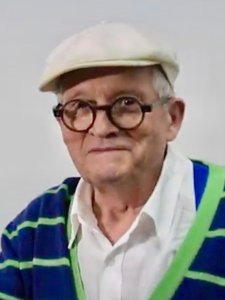
David Hockney
1937 - , Englanti
Pähkinänkuoressa
- Artistic Movement Or Style: Pop Art
- Artists Or Movements Influenced By This Artist: ['Pauline Boty']
- Artists Who Influenced This Artist: ['Francis Bacon']
- Date Of Birth: 9 heinäkuuta 1937
- Full Name: David Hockney
- Nationality: Brittiläinen
- Notable Artworks:
- A Bigger Splash
- Portrait of an Artist
- We Two Boys Together
- Place Of Birth: Bradford, UK