David Hockneyn elämä ja varhaisvuodet
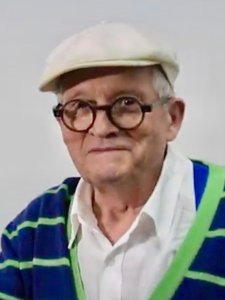
David Hockney syntyi 9. heinäkuuta 1937 Bradfordissa, Länsi-Yorkshiressä, Englannissa. Hän kasvoi viiden lapsen perheessä, ollen ryhmän neljäs lapsi. Hänen isänsä, Kenneth Hockney, työskenteli kirjanpitäjän apulaisena ja oli ollut sotatoimista kieltäytynyt rauhanomainen vastustaja toisen maailmansodan aikana. Äiti Laura taas oli metodisti ja tiukka kasvissyöjä. Nämä varhaiset vuodet kuluivat Yorkshiren teollisessa maisemassa, tiilitehtaiden ja vilkkaiden torien keskellä.
Koulutuksensa hän aloitti Wellington Primary Schoolissa ja jatkoi Bradford Grammar Schoolissa. Tänä aikana Bradfordin ympäristö muovasi hänen tapaansa nähdä maailma. Teollisen sydänmaiden karuus ja alueen ominainen valo loivat näyttämön hänen kasvunvuosilleen. Hän oli osa perhettä, joka arvosti itsenäistä ajattelua, ja häneen vaikutti hänen isänsä vakaumuksellinen kanta sodan aikana.
Taiteellinen koulutus ja opinnot Britanniassa
Hänen taiteellisen harjoittelunsa perusta rakennettiin vuosien ajan maailmaa tarkkaavaisesti havainnoimalla. Vuosina 1953–1957 hän opiskeli Bradford School of Artissa, ja tämä ajanjakso keskittyi näkemisen mekaniikkaan. Hän vietti aikansa harjoitellen elävästä mallista piirtämistä ja muotokuvataidetta, hioen perinteisiä havainnointitaitoja, jotka pysyivät hänen työnsä keskiössä vuosikymmenien ajan. Työskentelyssä oli vahva painotus viivan tarkkuudelle ja sille, miten kohde asettuu tilaan.
Siirtyessään Yorkshiren teollisuismaisemasta Lontooseen, hän päätyi Royal College of Artiin. Tämä oli intensiivisen teknisen kehityksen aikaa. Hän kulki opetussuunnitelman läpi keskittyen muodon perusteisiin ja valon vivahteisiin. Vuoteen 1962 mennessä hän valmistui Royal College of Artista kultaisen mitalin kunniapalkinnolla. Tämä tunnustus merkitsi hänen virallisen koulutuksensa päättymistä Britanniassa ja alkua uralle, jota määritti jatkuva, levoton uteliaisuus siitä, miten hänen näkemänsä asiat voitaisiin esittää taiteen keinoin.
Pop Art -liike ja Los Angeles
1960-luku toi tullessaan David Hockneyn nousun Pop Art -liikkeen keskeiseksi hahmoksi. Siinä missä monet liikkeen edustajat suuntasivat kohti amerikkalaisen massakulttuurin kaupallista estetiikkaa, Hockneyn lähestymistapa säilyi syvän henkilökohtaisena. Vuonna 1964 tehty muutto Lontoosta Los Angelesiin muutti pysyvästi hänen tapansa nähdä väri ja valo. Kalifornian intensiivinen valo nousi hänen tuotantonsa jatkuvaksi läsnäoloksi, riisuen pois hänen varhaisempien vuosienan hillityt sävyt. Hän alkoi dokumentoida kaupungin lumoa ulkopuolisen silmin, keskittyen siihen, miten valo lankeaa pinnoille ja miten uima-altaan syvä, kylläinen sininen värjää näkymän.
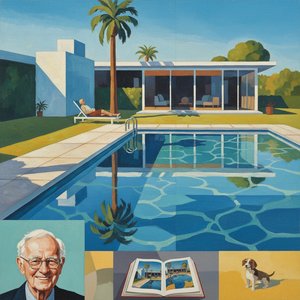
Tätä aikakautta leimaa Hockneyn kiehtomus vapaa-aikaan ja esikaupunkielämän geometriseen muotokieleen. Hän vietti suuren osan ajastaan tarkkaillen veden liikettä ja heijastuksia, haasteen, jonka hän kohtasi kuuluisalla uima-allas-sarjallaan. Nämä maalaukset vangitsivat uima-altaan äärellisen elämän nautinnollisen pysähtyneisyyden terävillä ja selkeillä linjoilla. Hän kääntyi pois aikakauden abstraktista trendistä ja valitsi sen sijaan ihmisten ja tunnistettavien esineiden maalaamisen. Tämän aikakauden teokset tutkivat usein ihmissuhteiden hiljaista intimiteettiä ja sitä, miten tila koetaan kirkkaan ja suoran valon läpi.
Tekniikka ja kehittyvä visuaalinen kieli
David Hockneyn taiteellinen prosessi on jatkuvaa liikettä eri näkemisen tapojen välillä. Hän ei ole koskaan tyytynyt vain yhden median rajoihin, vaan on vaeltanut vapaasti maalauksen, piirustuksen, grafiikan ja valokuvauksen maailmoissa. Hänen lähestymistapansa kumpuaa usein suorasta havainnoinnista ja elävästä luonnostelusta. Vaikka hän käyttää muotokuvataidetta tutkiakseen, miten kasvot kantavat ihmisen olemusta, hän kokeilee samalla rohkeasti myös tilan rakenteellisia mahdollisuuksia. Käyttämällä käänteistä perspektiiviä hän rikkoo perinteisen tavan katsoa kohtausta, luoden syvyysvaikutelman, joka tuntuu erilaiselta kuin tavallinen valokuva. Valokuva on toiminut hänelle usein valmistelevana välineenä; hän käyttää kameraa vangitakseen hetken, jonka hän myöhemmin kääntää eläväksi maalaukseksi.
Värien ja valon käsittely on muovautunut taiteilijan työkalujen kehittyessä. Nuoruusvuosinaan hän hyödynsi akryylivärejä saavuttaakseen voimakkaita ja kylläisiä sävyjä, erityisesti kuvatessaan uima-altaiden veden liikettä. Myöhemmin hän kääntyi digitaalisen median puoleen. iPadia hyödyntäen hän alkoi uudelleen kuvitella maisemia, löytäen uuden tavan vangita luonnon maailman vaihtuva valo ja väri. Tämä siirtymä fyysisestä väristä digitaalisille näytöille kertoo hänen jatkuvasta kiinnostuksestaan sitä kohtaan, miten teknologia voi muuttaa käsitystämme paikasta ja tilasta. Hänen tuotantonsa on todiste näistä teknisistä murroksista, aina piirroksen tarkasta viivasta digitaalisen maiseman kerroksellisiin sommitelmiin.
Keskeiset teokset ja ikoniset maalaukset
Valon tapa osua pintaan määrittää usein maalauksen suunnan ja tunnelman. Vuonna 1961 teos We Two Boys Together Clinging tutki yhteyden intimiteettiä symboliikan ja tekstin linssin läpi. Tämä varhainen työ paljastaa keskittymisen ihmisten välisiin suhteisiin ja niihin jälkiin, joita heidän läsnäolonsa jättää ympäristöönsä. Myöhemmin siirtymä Kalifornian kirkkaisiin ja kylläisiin väreihin muutti tapaa, jolla vesi esitetään kankaalla. Vuonna 1967 syntynyt A Bigger Splash vangitsee liikkeen hetken uima-altaassa, käyttäen teräviä linjoja määrittelemään valon ja nesteen välistä vuorovaikutusta.
Huomio siirtyy usein maiseman ja sen sisällä olevien ihmisten välillä. Vuonna 1971 Mr and Mrs Clark and Percy toi yhteen seurallisuuden tunteen ja vahvan persoonallisuuden. Tämä lähestymistapa muotokuvaukseen jatkui teoksessa Portrait of an Artist (Pool with Two Figures vuonna 1972, jossa valokuvauksen käyttö valmistelevaan työvaiheeseen auttoi määrittelemään tilallisen sommittelun. Nämä teokset todistavat jatkuvaa kiinnostusta sitä kohtaan, miten havaitsemme tilan ja miten ihmiset sen täyttävät.
- We Two Boys Together Clinging (1961)
- A Bigger Splash (1967)
- Mr and Mrs Clark and Percy (1971)
- Portrait of an Artist (Pool with Two Figures) (1972)
Lavastussuunnittelu ja oopperatilaustyöt
Hockneyn kankaalle kehittämä visuaalinen kieli löysi usein aivan uudenlaisen rytmin teatterin maailmassa. Hänen työnsä lavastussuunnittelun parissa vaati pitkiä keskittymisen jaksoja, jakusun yksittäinen tuotanto saattoi viedä yli vuoden työn. Hän siirtyi maalauksen kaksiulotteiselta pinnalta näyttämön kolmiulotteiseen tilaan luoden lavastuksia muun muassa Mozartin The Magic Flute -oopperaan. Tämä siirtymä vaati uudenlaista lähestymistapaa valon ja liikkeen käsittelyyn, kääntäen hänen kiinnostuksensa perspektiiviin ympäristöiksi, jotka pystyivät elävän esityksen dynaamisuuteen.
Hänen suhteensa oopperaan huipentui muun muassa Igor Stravinskyn The Rake’s Progress -teoksen lavastamiseen vuonna 1975. Myöhemmin, vuonna 1990, hän loi lavastukset Giacomo Puccinin Turandot -oopperaan. Nämä projektit pakottivat hänet pohtimaan, miten hahmo liikkuu tilassa ja miten lavastus voi muuttua musiikin vaihdellessa. Hockney toi silmänsä sommittelun käyttöä myös muodin pariin suunnitellessaan kansikuvaa ja sivuja Vogue-lehden ranskalaisen numeron joulukuun 1985 lukukuun. Kaikissa näissä hetkissä keskiössä säilyi se, miten kohde kehystetään ja miten väri vuorovaikuttaa katsojan silmän kanssa.
Perintö ja maailmanlaajuinen tunnustus
Pitkän uran paino asettuu usein instituutioiden myöntämien kunnianosoitusten kautta. Vuonna 2000 hänelle myönnettiin arvostettu Praemium Imperiale -palkinto maalaamisesta. Myöhemmin, vuonna 2003, hänet valittiin Royal Societyn jäseneksi. Nämä tunnustukset tulivat osaksi hänen vakaata läsnäoloaan julkisuudessa, kun hän siirtyi Pop Art -liikkeen varhaisista vaiheista yhdeksi 1900- ja 2000-lukujen vaikutusvaltaisimmista brittitaiteilijoista.
Hänen asemansa kulttuurimaisemassa vakiintui entisestään vuonna 2018, kun hänet nimettiin Order of the Companion of Honour -kunniatitulaatikkoon. Tämä tunnustus on seurausta vuosikymmenten mittaisesta työstä, joka alkoi Yorkshiren karuudesta, jatkui Kalifornian kirkkaassa valossa ja päätyi lopulta iPad-piirustusten digitaaliseen maailmaan. Hänen vaikutuksensa ei rajoitu vain gallerioihin, vaan se tuntuu siinä, miten hän muutti tapamme hahmottaa tilaa ja perspektiiviä useiden eri taiteen muotojen kautta.
Missä hänen teoksiaan voi nähdä tänään
Hänen taiteellisen maailmansa kohtaaminen kasvotusten voi viedä matkailijan Saltairen Salts Millissä sijaitsevaan 1853 Galleryyn. Tämä tila kätkee sisäänsä lukuisia hänen teoksiaan, säilyttäen samalla elävän yhteyden nuoruuden teolliseen maisemaan, joka muovasi hänen katsettaan. Myös David Hockney Foundation ylläpitää laajaa kokoelmaa hänen tuotantoaan, varmistaen, että suuri osa hänen taiteellisesta perinnöstään säilyy tutkimuksen ja ihailun kohteena tuleville sukupolville.
Hänen maalauksensa ja piirustuksensa ovat siroteltuna merkittävissä instituutioissa eri mantereille. Yhdistyneessä kuningaskunnassa hänen teoksiaan löytyy Tate-museon kokoelmista. Atlantin takaa löytyy puolestaan hänen vaikutuksensa Metropolitan Museum of Art -museossa sekä Museum of Modern Artissa. Nämä kokoelmat kattavat eri vaiheet hänen upeasta urastaan, aina varhaisista figuratiivisista teoksista aina myöhempiin, valon ja värin syvällisiin tutkimuksiin.

 Vaihda tulosteeseen
 Lue lisää







































 Teoksille tai reproduktioille, joiden mikä tahansa sivu on suurempi kuin 105 cm (noin 41 tuumaa), kehys toimitetaan osina purettuna sarjana. Tämä menetelmä varmistaa turvallisen toimituksen ja ehkäisee vaurioita kuljetuksen aikana.


 Esikatselu
 Jaa teos
 Jaa
Jaa
 Tiedot
 Opas
Opas

 Lataa kuva
 Samanlaisia kohteita
 Röntgenkuvaus
 Diaesitys
 Kysymykset ja vastaukset
 Tilastot