

 Katso seinällä
 Lähetä
 Jaa
Jaa
 Tarkemmat tiedot
 Opas
Opas

 Lataa kuva
 Samanlaisia kohteita
 Röntgenkuvaus
 Diaesitys
 Tilastot
Clark percy

 Lue lisää
Tällä sivulla esitettyä taideteosta suojaa tekijänoikeuslaki, mikä tarkoittaa, ettemme voi laillisesti luoda tai myydä täsmälleen samanlaista jäljennöstä. Tämä suoja toteutetaan kansainvälisten sopimusten, kuten esimerkiksi Berne-konventio ja kansallisilla laeilla, mukaan lukien niillä määritellyt Yhdysvaltain tekijänoikeuslaki – Luku 17. Kaikki oikeudet pidätetään. Luvaton kopiointi tai jäljittely on kielletty.
Tämä menetelmä noudattaa täysin tekijänoikeussäännöksiä, sillä se ei sisällä suojatun taideteoksen kopioimista tai jäljentämistä. Sen sijaan kyseessä on luova uudelleentulkinta – uusi maalaus, joka ammentaa vaikutteita alkuperäisestä, mutta ei ole sen identtinen kopio.
Giclée- ja taideprintit
Museolaatuisia giclée- tai kankaitaulun tulosteita nopealla tuotannolla ja joustavilla viimeistelyvaihtoehdoilla. ( Tilaa käsinmaalattu jäljennös Siirry digitaaliseen kuvaan)




P118B €10

P118H €10

P118W €10

P438Z €10

P508JH €12

P508YH €12

P805H €10

P805Z €10

P919BZ €10

P919G €10

P919XJ €10

P959ZH €10

P968JZ €12

W106C €8

W218G €10

W218JH €8

W218Y €10

W307PJ €10

W316G €10

W316PJ €8

W316Y €10

W398PJ €8

W4111J €10

W500HY €15

W500JH €15

W692G €12

W849H €8

W940BG €15

W953PJ €8




Valitse valmiista mitoistamme sellaiset, jotka vastaavat teoksen alkuperäisiä mittasuhteita.

Kirjoita tarvitsemasi leveys ja korkeus, jotta tuloste sopii kehyskokoon tai seinällesi. Tulostetta voidaan vain leikata, sitä ei voi koskaan tehdä suuremmaksi kuin alkuperäinen kuva, joten eri muotoinen koko aiheuttaa osan kuvasta katoamisen. Lähetämme sinulle digitaalisen mallikuvan hyväksyttäväksi ennen kuin aloitamme tulostuksen. Tällä sivulla näkyvä kuva ei näytä lopullista leikkausta — vain mallikuva näyttää sen.
Maailmanlaajuinen toimitus () 2 viikossa tavallisen 4–5 viikon sijaan. (25 lokakuu)

Ilmainen pikatoimitus ympäri maailman

Korkealaatuinen pellavakangas

Kattava kuljetusvakuutus

Tulliveron palautustakuu

Takuu täydellisestä värien vastaavuudesta

100 päivän palautusoikeus valmistusvirhetapauksissa

100% rahat takaisin -takuu

Määräalennus saatavilla
 Lasivaihtoehto on saatavilla vain alle 110 cm kokoisille teoksille

Clark percy
Giclée- ja taideprintit
Replikaatin koko
-


Kokonaishinta
€ 70
David Hockney’s ‘Clark Percy’: A Snapshot of Domestic Intimacy
David Hockney's “Clark Percy,” completed in 1970, stands as a quintessential example of Pop Art’s fascination with everyday life and its ability to elevate the mundane into art. More than just a portrait, it’s a carefully constructed tableau that captures a fleeting moment of connection between two figures—Clark Percy, Hockney's husband at the time—within the confines of their home.
- Subject Matter: The painting depicts Clark and Percy seated together in an armchair, engaged in what appears to be conversation. Their posture exudes a quiet confidence, suggesting a comfortable familiarity despite the inherent complexities of relationships.
- Style & Technique: Hockney employs a vibrant palette—primarily yellows and oranges—characteristic of Pop Art’s rejection of traditional tonal painting. The brushstrokes are loose and expressive, conveying movement and immediacy rather than meticulous detail. This technique prioritizes capturing the essence of the scene over photographic realism.
- Historical Context: “Clark Percy” emerged during a period of significant artistic experimentation following World War II. Pop Art challenged the dominance of Abstract Expressionism by embracing imagery from popular culture—advertising, comics, and television—reflecting the optimism and consumerism of the era. Hockney’s work aligns perfectly with this movement's ethos.
Symbolism Within Domestic Space
The room itself is laden with symbolic significance. The potted plant represents growth and vitality, mirroring the flourishing relationship depicted within the painting. The two vases hold white flowers—a classic symbol of purity and innocence—contrasting subtly with the warmth of the interior hues. Notably, a clock hangs prominently on the wall, emphasizing the passage of time and hinting at the importance of preserving memories.
Emotional Resonance: A Quiet Reflection
"Clark Percy" isn’t about grand gestures or dramatic narratives; it's profoundly evocative in its simplicity. Hockney skillfully captures the subtle nuances of human interaction—the gaze, the posture, the unspoken understanding—creating an image that invites contemplation. The painting speaks to the beauty found in ordinary moments and celebrates the intimacy of domestic life, resonating with viewers who appreciate understated elegance and psychological depth.
David Hockney’s Artistic Legacy
Completed during Hockney's prolific period, “Clark Percy” exemplifies his unwavering commitment to exploring human experience through innovative visual language. It serves as a cornerstone in understanding Hockney’s broader artistic vision—one that consistently seeks to transform familiar subjects into captivating works of art. Its enduring appeal lies in its ability to distill complex emotions into a single frame, cementing Hockney's place among the most influential artists of his generation.
Kysymykset ja vastaukset
Mistä David Hockney:n "Clark percy" -teoksen vierailijat ovat kotoisin?
Tiedot teoksesta David Hockney:n "Clark percy" löytyvät teoksen Tilastot -sivulta: teoksen kuukausittaiset käynnit, taiteilijan muiden teosten käynnit sekä viimeisimpien kävijöiden maa- ja kielijakauma.
Missä koossa "Clark percy" suositellaan tulostettavaksi?
David Hockney:n "Clark percy"-teokselle suositellaan Large kokoista jäljennöstä. Kokoa voidaan muuttaa säilyttäen alkuperäiset kuvasuhteet.
Kuka on teoksen "Clark percy" tekijä ja mihin taidesuuntaukseen se kuuluu?
"Clark percy" on David Hockneyn luoma teos, joka edustaa Pop Art-tyyliä. Taiteilija ja tyylisuunta määrittelevät teoksen perinteet.
Taiteilijan elämäkerta
A Life Painted in Light: The World of David Hockney
David Hockney, born July 9, 1937, in Bradford, England, is more than simply a painter; he’s a visual polymath whose career has spanned painting, drawing, printmaking, stage design, and photography. His story begins amidst the grit and determination of Bradford, a landscape that instilled within him a keen observational eye, even as his father, Kenneth Hockney, fostered a spirit of independent thought through conscientious objection during World War II. This early environment shaped a young artist who would consistently challenge conventions and forge his own path. Formal education at Wellington Primary School and Bradford Grammar School laid the foundation for a career that would redefine British art in the 20th and 21st centuries, culminating in studies at Bradford College of Art and later, the prestigious Royal College of Art in London. It was during these formative years that Hockney began to articulate a unique artistic voice, one that blended Pop sensibilities with a distinctly British perspective.The Rise of a Pop Icon and Beyond
The 1960s witnessed Hockney’s ascent as a pivotal figure within the burgeoning Pop Art movement. However, unlike some contemporaries who wholeheartedly embraced American commercial culture, Hockney brought a uniquely British sensibility to the genre. His work exploded with vibrant color and bold lines, depicting scenes that were both familiar and subtly subversive. A Bigger Splash (1966), perhaps his most iconic early piece, encapsulates this perfectly – a seemingly simple depiction of a swimming pool becomes a meditation on Californian leisure, artifice, and the very act of seeing. This wasn’t merely representation; it was an exploration of how we perceive reality. Critics noted Hockney's masterful use of color theory, mirroring developments in American Pop Art while simultaneously retaining a distinctly British aesthetic rooted in Yorkshire landscapes. His double portraits, like American Collectors (Fred and Marcia Weisman), demonstrate his remarkable ability to capture not just likeness but also the essence of personality and relationship—a technique that foreshadowed later explorations into psychological portraiture. Hockney’s stylistic choices reflected a broader trend toward simplification and abstraction within British art during this period.Experimentation, Innovation, and The Rescue Of Painting
Hockney's artistic curiosity has never been confined to a single medium. Throughout his career, he relentlessly experimented with new technologies and approaches. From his early embrace of lithography and etching to his later explorations of photography – particularly his use of Polaroid composites in the 1980s – Hockney consistently pushed the boundaries of what art could be. He famously declared painting wasn’t dead but needed “rescuing” from its own conventions, leading him to develop innovative techniques like perspective distortions and fragmented viewpoints. This desire to revitalize painting led to ambitious projects such as Pearblossom Hwy., 11–18th April 1986, a complex photomontage that challenged traditional notions of space and representation—a bold statement against the prevailing artistic trends of the time. His stage designs for opera, including sets for Mozart's The Magic Flute and Stravinsky’s The Rake’s Progress, further demonstrate his versatility and ability to translate his visual language into a different artistic realm. Hockney’s meticulous attention to detail combined with daring compositional choices cemented his reputation as one of Britain’s most inventive artists.Recognition, Legacy, and Enduring Influence
David Hockney’s contributions to the art world have been widely recognized throughout his illustrious career. He was appointed Order of the Companion of Honour (CH) in 2018, a testament to his profound impact on British culture—a prestigious honor bestowed upon him for his lifetime achievements. Prior to that, he was elected a Fellow of the Royal Society (FRS) in 2003 and received the Laureate of the Praemium Imperiale for Painting in 2000—a globally acclaimed award recognizing excellence in artistic creation. His works are held in major museum collections worldwide, ensuring his art continues to inspire new generations. Hockney’s influence extends beyond the visual arts; he has become a cultural icon, celebrated for his wit, intelligence, and unwavering commitment to artistic exploration. He remains an active force in the art world, continually challenging expectations and inspiring artists across disciplines—a figure whose legacy will undoubtedly endure for decades to come.Notable Works
- A Bigger Splash (1966): An iconic image of Californian leisure, showcasing Hockney’s masterful use of color and composition.
- Portrait of an Artist (Pool with Two Figures) (1970–1): A seminal work exploring the relationship between artist and subject, characterized by airy space and simplified forms.
- American Collectors (Fred and Marcia Weisman) (1968): Demonstrates Hockney’s ability to capture personality and relationships through portraiture—a technique that foreshadowed later explorations into psychological representation.
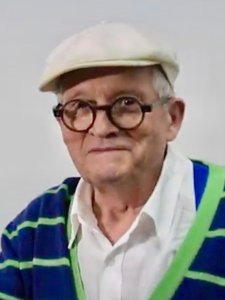
David Hockney
1937 - , Englanti
Tietoa taiteilijasta
- Artistic Movement Or Style: Pop Art
- Artists Or Movements Influenced By This Artist: ['Pauline Boty']
- Artists Who Influenced This Artist: ['Francis Bacon']
- Date Of Birth: 9 heinäkuuta 1937
- Full Name: David Hockney
- Nationality: Brittiläinen
- Notable Artworks:
- A Bigger Splash
- Portrait of an Artist
- We Two Boys Together
- Place Of Birth: Bradford, UK
Aiheeseen liittyvät artikkelit
David Bomberg: Reassessing the Pioneering Spirit of Early British Abstraction
Explore the groundbreaking work of David Bomberg, a pivotal figure in British abstraction. Discover his artistic evolution, influences, and lasting legacy through insightful analysis & expert commentary.
Pop Artin 10 mestariteosta: Taidetta, joka muutti sisustuksen – OriginalUniqueArt.com
Tutustu pop taiteen 10 mestariteokseen! Andy Warholista Roy Lichtensteiniin – ikonisten maalauksien tarinat, tekniikat ja värit. Löydä inspiraatiota sisustukseesi OriginalUniqueArt.com:sta. Tutki kokoelma verkossa!
Roy Lichtensteinin 25 mestariteosta: Pop-taidetta kotiisi – OriginalUniqueArt.com
Tutustu Roy Lichtensteinin 25 ikonisimpaan taideteokseen! Pop-taiteen mestarit, värikkäät sarjakuvatyyliset maalaukset ja inspiroivat sisustusideat. Löydä Look Mickey & muut OriginalUniqueArt.com:sta – korkealaatuiset taideprintit kotiisi.
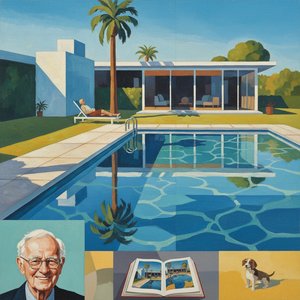
David Hockney: A Retrospective on Pop Art's Chronicler of Light, Space, and the Everyday
Explore the life & work of David Hockney, Pop Art's master chronicler. Discover his iconic paintings, Californian landscapes, and lasting influence on modern art. Expert analysis for collectors.
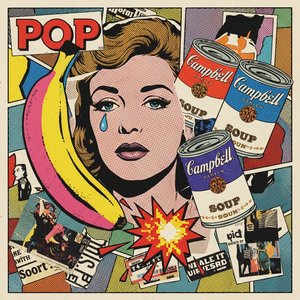
Challenging Conventions: Pop Art's Origins, Evolution & Enduring Legacy
Explore the fascinating history of Pop Art, from its rebellious origins to its enduring influence on contemporary artists. Discover key figures like Warhol & Lichtenstein and learn about collecting this iconic movement.


