Esikatselu
 Jaa teos
 Jaa
Jaa
 Tiedot
 Opas
Opas

 Lataa kuva
 Samanlaisia kohteita
 Röntgenkuvaus
 Diaesitys
 Kysymykset ja vastaukset
 Tilastot
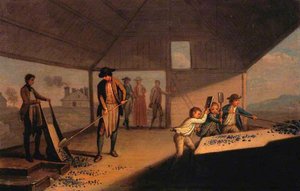
Lead Processing at Leadhills Washing the Ore


 Lue lisää
Giclée- ja taideprintit
Museolaatuisia giclée- tai kankaitaulun tulosteita nopealla tuotannolla ja joustavilla viimeistelyvaihtoehdoilla. ( Osta käsinmaalattu taideteos Siirry digitaaliseen kuvaan)




P118B €10

P118H €10

P118W €10

P438Z €10

P508JH €12

P508YH €12

P805H €10

P805Z €10

P919BZ €10

P919G €10

P919XJ €10

P959ZH €10

P968JZ €12

W106C €8

W218G €10

W218JH €8

W218Y €10

W307PJ €10

W316G €10

W316PJ €8

W316Y €10

W398PJ €8

W4111J €10

W500HY €15

W500JH €15

W692G €12

W849H €8

W940BG €15

W953PJ €8




Valitse valmiista mitoistamme sellaiset, jotka vastaavat teoksen alkuperäisiä mittasuhteita.

Syötä tarvitsemasi leveys ja korkeus, jotta tuloste sopii kehyksiisi tai seinällesi. Tulostetta voidaan vain leikata, sitä ei voida koskaan suurentaa alkuperäistä kuvaa suuremmaksi, joten eri muotoinen koko aiheuttaa osan kuvasta katoamisen. Lähetämme sinulle digitaalisen mallikuvan hyväksyttäväksi ennen kuin aloitamme tulostuksen. Tällä sivulla näkyvä kuva ei näytä lopullista rajausta — vain mallikuva näyttää sen.
Maailmanlaajuinen toimitus () 2 viikossa tavallisen 4–5 viikon sijaan. (5 marraskuu)

Ilmainen pikatoimitus ympäri maailman

Korkealaatuinen pellavakangas

Kattava kuljetusvakuutus

Tulliveron palautustakuu

Takuu täydellisestä värien vastaavuudesta

100 päivän palautusoikeus (vain valmistusvirheet)

100% rahat takaisin -takuu

Määräalennus tarjolla
 Lasivaihtoehto on saatavilla vain alle 110 cm kokoisille teoksille

Lead Processing at Leadhills Washing the Ore
Giclée- ja taideprintit
Replikaatin koko
-


Kokonaishinta
€ 72
A Rustic Symphony of Industry: David Allan’s “Lead Processing at Leadhills Washing the Ore”
David Allan's "Lead Processing at Leadhills Washing the Ore," painted in 1789, isn’t merely a depiction of a 18th-century mining operation; it’s a carefully constructed tableau brimming with historical significance, social commentary, and a surprisingly romanticized vision of labor. This oil on canvas masterpiece, now housed at the National Galleries of Scotland, transports us to the heart of Leadhills, a small town in South Lanarkshire renowned for its lead mines – a vital industry fueling the burgeoning industrial landscape of Great Britain. Allan’s work offers a rare glimpse into the daily lives and arduous tasks undertaken by those who extracted this essential metal, revealing both the grit and the surprisingly dignified routine of early industrial life.
The scene unfolds within a dimly lit barn or workshop, dominated by a colossal white tub overflowing with molten glass – a detail that immediately suggests the broader context of glassmaking, a craft intimately linked to the mining operations. Three figures are engaged in various stages of this process: a man stirring the molten material with a long metal rod, another carefully collecting finished pieces into a wooden tray, and a third overseeing the operation from a slightly removed position. Allan’s composition is deliberately flattened, eschewing dramatic perspective for a focus on capturing the activity itself – a deliberate choice that emphasizes the relentless rhythm of work and the physicality of the labor involved. The muted color palette—browns, grays, and whites—reflects the raw materials and the inherent austerity of the setting, while subtle blues within the glass and clothing provide visual interest and prevent the scene from becoming entirely monochromatic.
Neoclassical Roots and Scottish Identity
Allan’s artistic style is firmly rooted in Neoclassicism, a movement that drew inspiration from the art and architecture of ancient Greece and Rome. This influence is evident in the carefully rendered figures, their poses conveying a sense of order and dignity despite the demanding nature of their work. However, Allan's Scottish heritage subtly infuses this classical framework with a distinctly local sensibility. The rugged landscape—the rolling Lowther Hills visible in the background—and the depiction of a specific regional industry ground the painting firmly within its geographical context. The inclusion of the Earl of Hopetoun’s patronage further underscores this connection, suggesting that Allan was commissioned to celebrate and legitimize a significant local enterprise.
Born in Alloa, Scotland, David Allan's early life was shaped by his father’s position as harbor master, exposing him to the world beyond his native land. His time in Rome profoundly influenced his artistic development, where he meticulously copied masterpieces by Gavin Hamilton, honing his skills in form and technique. This Italian sojourn instilled a deep appreciation for classical ideals, which he then skillfully integrated into his depictions of Scottish life.
Symbolism Beyond the Surface
Beyond its straightforward portrayal of mining operations, “Lead Processing at Leadhills” carries layers of symbolic meaning. Allan’s decision to romanticize the work—to present it with a degree of grace and dignity—is particularly noteworthy. In an era marked by harsh working conditions and social inequalities, he subtly elevates the status of these laborers, suggesting that their efforts contribute to the prosperity of the nation. The inclusion of a classically posed couple in the background further reinforces this message, creating a visual dialogue between the rustic realities of mining and the ideals of Enlightenment society.
The scattered blue objects on the floor—likely glass beads or fragments—serve as a potent reminder of the interconnectedness of industries within the region. Lead processing was intrinsically linked to glassmaking, highlighting the complex web of economic relationships that sustained Leadhills and its surrounding communities. The painting, therefore, becomes not just a record of a specific industry but a broader commentary on the social and economic dynamics of 18th-century Scotland.
A Window into a Bygone Era
“Lead Processing at Leadhills Washing the Ore” is more than simply a historical painting; it’s a powerful evocation of a bygone era. Allan's meticulous attention to detail—the textures of the wooden walls, the sheen of the molten glass, the expressions on the workers’ faces—transport us back in time, allowing us to connect with the lives and experiences of those who labored in these demanding conditions. Reproductions of this captivating artwork offer a unique opportunity to bring this slice of Scottish history into our homes, serving as both a decorative object and a poignant reminder of the enduring legacy of industry and craftsmanship.
Kysymykset ja vastaukset
Onko teos "Lead Processing at Leadhills Washing the Ore" yleisvaikutelmaltaan enemmän vaalea vai tumma?
"Lead Processing at Leadhills Washing the Ore" on kokonaisuutena shadow, ja sen luminanssi on Soft Shadow.
Kuinka paljon valoa "Lead Processing at Leadhills Washing the Ore" värit näyttävät heijastavan?
Teoksen "Lead Processing at Leadhills Washing the Ore" värit heijastavat Soft Shadow luminanssia.
Ovatko teoksen David Allan:n "Lead Processing at Leadhills Washing the Ore" värit kirkkaita vai hillittyjä?
Teoksessa David Allan:n "Lead Processing at Leadhills Washing the Ore" on Balanced Soft kylläisyys ja Balanced voimakkuus.
Taiteilijan elämäkerta
A Scottish Voice in the Age of Enlightenment
David Allan, syntynyt Alloassa, Skotlannissa vuonna 1744, nousi merkittäväksi hahmoksi aikana, jolloin taide ja ajattelu koki syvän muutoksen. Hänen isänsä asema satamahohtelija antoi varhaisen yhteyden maailmaan Skotilannin rajojen ulkopuolella, vihjaillen vaikutteista, jotka myöhemmin muokkaisivat hänen taiteellista näkemystään. Varhaisesta koulutuksestaan on vähän yksityiskohtia, mutta on selvää, että luontainen lahjakkuus kukoisti nuoresta iästä lähtien, asettaen hänet polulle, joka johti yhdeksi Skotlannin arvostetuimmista taiteilijoista. Tämä tie vei hänet vuonna 1764 Roomaan – merkittävä matka millä tahansa tuohon aikaan tähtäävälle urheilijalle. Allan uppoutui kymmenen vuoden ajaksi klassisen taiteen ja arkkitehtuurin opiskeluun, kopioiden huolellisesti mestariteoksia kuten Borgosessa olevaa Gladiatoria, hioen taitojaan muotoa ja tekniikkaa Gavin Hamiltonin ohjauksessa. Tämä italialainen vierailu ei ollut pelkästään teknisen osaamisen kehittämistä; se oli sukellus maailmaan, joka sisälsi ihanteita, jotka sublimoitiin hienovaraisesti hänen myöhempää työtään.Blending Worlds: Neoklassismi ja Skotlantilainen Elämä
Rooman opiskelujen jälkeen Allan palasi Skotlantiin noin vuonna 1770, jossa hän perusti itsensä Edinburghiin ja nousi nopeasti kaupungin vilkkaaseen kulttuurielämään. Hänen tyylinsä on huomattava yhdistämällä neoklassisen tarkkuuden ja rokokoon koristeellisuuden. Vaikka hän omaksui klassisten ihanteiden, kuten järjestyksen, tasapainon ja selkeyden – neoklassismin tunnusmerkit – hän säilytti koristeellisen aistimuksensa, joka näkyi hänen käytöstään väreissä ja kompoosiossa. Tämä ei ollut jäykkää sitoutumista mihinkään yksittäiseen kouluun, vaan harkittu vaikutteiden yhdistelmä. Allan loisti sekä muotokuvissa että genre-maalauksissa, osoittaen terävän havainnoinnin ja kyvyn vangita aiheensa olemus. Hänen muotokuvansa eivät olleet pelkästään kuvaajia; niissä oli psykologista syvyyttä, paljastaen hahmon ja persoonallisuuden. Kuitenkin se oli ehkä genre-kohtauksissaan, että Allan erottui, tarjoamalla intiimejä näkymiä 1800-luvun Skotlantiin – vilkkaista markkinoista hiljaisiin kotiympäristöihin. Teokset kuten "Lead Processing at Leadhills Washing the Ore" eivät ole pelkästään teollisuuden kuvauksia, vaan syvällisiä yhteiskunnallisia kommentaareja, jotka on maalattu huolellisella tarkkuudella ja huomiolla yksityiskohtiin. Hän kokeili myös historiallisia aiheita, kuten "Hope (triptych, centre panel)", osoittaen kunnianhimoaan ja monipuolisuuttaan neoklassisten vaikutteiden ja uskonnollisen teeman yhdistämisessä.The ‘Scottish Hogarth’ and a Legacy Forged in Observation
Allanin omistautuminen arkielämän kuvaamiseen ansioitui hänelle lempinimeä "Skotlantilainen Hogarth", vertailu, joka korostaa hänen panoksiaan genre-maalauksen ja yhteiskunnallisen kommentaarion luomisessa taiteen kautta. Vaikka hän ei suoraan jäljitellyt Hogarthin usein satiirista tyyliä, hän jakoi saman kiinnostuksen arkisten kohtauksien kuvaamisesta rehellisyydellä ja syvyydellä. Hän omisti poikkeuksellisen kyvyn vangita ihmisten vuorovaikutuksen nyanssit ja päivittäisen elämän tekstuurit, nostaen näin tavalliset aiheet taiteelliseksi merkitykseksi. Hänen yhteytensä Foulis Academyyn, Edinburghin merkittävään taideopetuksen keskukseen, vahvisti hänen rooliaan Skotlannin taiteen kehittämisessä tuona aikana. Allan ei luonut pelkästään maalauksia; hän edisti myös erilaisten kansallisen taiteellisen identiteetin kehitystä. Hän inspiroi myöhempiä sukupolvia skotlantilaisia taiteilijoita etsimään sisäistä näkemystä ja löytämään inspiraatiota omasta kulttuuristaan ja ympäristöstään.Major Achievements and Lasting Influence
Allanin merkittävin saavutus oli hänen kykynsä yhdistää klassiset ihanteet Skotlannin identiteettiin. Hänen maalauksensa, kuten "The Family of Procida", ovat esimerkkejä hänen taitostaan luoda sekä historiallisia että genre-kohtauksia, jotka heijastavat Skotlannin elämää ja kulttuuria. Allanin vaikutus ulottuu yksittäisten teoksiensa ulkopuolelle. Hänen kuvauksensa Allan Ramsayn *The Gentle Shepherd* -teoksesta ovat erityisen huomionarvoisia, osoittaen leikkisyyttä ja kykyä vangita Skotlannin maaseudun henkeä. Hän oli mestari sekä suurikokoisissa historiallisissa komposiitioissa että intiimeissä kotiympäristöissä, osoittaen huomattavaa taitoa ja herkkyyttä. Allan ei ollut vain luomassa maalauksia; hän edisti myös erilaisten kansallisen taiteellisen identiteetin kehitystä. Hänen kuolemansa vuonna 1796 merkitsi todellisenään syntyneen äänen menettämistä brittitaiteessa. Allanin teokset ovat edelleen arvostettuja teknisen loistonsa, syvällisten kuvauksien ja Skotlannin yhteiskunnan sekä kestävänsä taiteellisen arvon vuoksi. Hänen perintönsä ei ole pelkästään luomusten kauneudessa vaan myös hänen kyvyllään yhdistää klassiset ihanteet erilaiseen skotlantilaiseen aiheeseen, jättäen pysyvän jäljen ajansa kulttuurimaailmaan ja inspiroimassa taiteilijoita sukupolvien ajan.
David Allan
1744 - 1796 , Yhdysvallat
Pähkinänkuoressa
- Artistic Movement Or Style: Neoklassismi & Rokoko
- Artists Or Movements Influenced By This Artist: ['Skotlantilaiset taiteilijat']
- Artists Who Influenced This Artist: ['Gavin Hamilton']
- Date Of Birth: 1744
- Full Name: David Allan
- Nationality: Skotlantilainen
- Notable Artworks:
- Leahdillen lyijyprosessi
- Procidan perhe
- Toivo (triplo panel)
- James Craig, Arkkitehti
- Place Of Birth: Akron, USA
Aiheeseen liittyvät artikkelit
David Teniers the Younger: Genre Painting & Social Commentary in Baroque Flanders
Explore the captivating world of David Teniers the Younger, a leading Flemish Baroque painter. Discover his genre scenes, social commentary, and lasting influence on 17th-century art. Learn about his life, techniques & legacy.
David Teniers II: Master of Flemish Genre & Social Commentary
Explore the captivating world of David Teniers II, a leading Flemish Baroque painter renowned for his lively genre scenes & insightful social commentary. Discover his masterpieces and legacy with OriginalUniqueArt.
1700-luvun mestariteoksia: Taidetta ja historiaa kotiisi – OriginalUniqueArt.com
Uppoudu 1700-luvun taiteen maailmaan! Tutustu 10 mestariteokseen – barokin loistosta valistuksen ajan ajatuksiin. Löydä tunnettujen taidemaalareiden tarinat ja inspiroi kotisi sisustusta OriginalUniqueArt.com:ssa. Explore the full collection online!
Sir John Watson Gordon: A Study in Scottish Landscape Painting & Tonal Impressionism
Explore the captivating portraits of Sir John Watson Gordon, a leading Scottish master. Discover his evolution from neoclassical style to atmospheric Tonalism and influence on 19th-century British art. Learn about his iconic sitters & legacy.

Sir David Wilkie: Narrative Detail & the Rise of Victorian Genre Painting
Explore the life & work of Sir David Wilkie, a pivotal figure in Victorian genre painting. Discover his narrative detail, social commentary, and lasting influence on 19th-century British art. Learn more at OriginalUniqueArt.