Impressionism · 1883
Cobeas (Claude Monet, 1883)
Claude Monet (1840–1926) on luonut teoksen Cobeas. Se on peräisin vuodelta 1883. Se kuuluu Impressionism-liikkeeseen. Se on valmistettu materiaalilla Oil On Canvas.
- 1883
- Oil On Canvas

 Esikatselu

 Käsinmaalattu öljymaalaus
 Jaa teos
 Jaa
 Tiedot-arkki


 Lataa kuva
 Samanlaisia kohteita
 Röntgenkuvaus
 Diaesitys
 Kysymykset ja vastaukset

 Tilastot
Cobeas lyhyesti
- Otsikko
- Cobeas
- Taiteilija
- Claude Monet (1840–1926)
- Taiteilija syntynyt
- Pariisi, Ranska
- Päivämäärä
- 1883
- Tekniikka
- Oil On Canvas
- Tyylisuunta
- Impressionism
- Aikakausi
- 19th Century
- Aihe
- floral impressionism, garden scene art, monet landscape, vibrant colors, nature painting, light and color
Mitä Cobeas esittää?
A Symphony of Blossoms: Exploring Monet’s “Cobeas”
Claude Monet, a pivotal figure in the development of Impressionism, gifted the world with paintings that captured not just what he *saw*, but how light and atmosphere transformed his perceptions. Created in 1883, "Cobeas" is a captivating example of this artistic philosophy – a vibrant celebration of nature’s fleeting beauty rendered with characteristic looseness and brilliance. This artwork isn't merely a depiction of flowering vines; it’s an immersive experience of a sun-drenched garden, inviting the viewer to step into a world of color and light.Subject & Composition: A Garden in Full Bloom
“Cobeas” focuses on the cascading beauty of climbing flowers – likely cobaea vines, known for their bell-shaped blossoms – against a warm, golden backdrop. The composition is dynamically vertical, emphasizing the upward reach and exuberant growth of the plant. Rather than a meticulously detailed botanical study, Monet presents an *impression* of a garden scene. A sense of depth is suggested not through strict perspective, but through layering of color and form. The eye is drawn upwards along the vines, creating a feeling of movement and vitality.Impressionistic Technique: Capturing Fleeting Light
Monet’s mastery lies in his revolutionary technique. He eschewed traditional blending methods, instead employing short, broken brushstrokes to build up layers of color. This approach allows the colors to mix optically in the viewer's eye, creating a shimmering, vibrant effect that mimics the way light plays on natural forms. The use of complementary colors – deep purples and reds against yellows and greens – heightens the visual impact and adds to the painting’s overall luminosity. The texture is palpable; you can almost feel the warmth of the sun and the gentle breeze rustling through the leaves.Historical Context & Artistic Innovation
By 1883, Monet was firmly established as a leading figure in the Impressionist movement. He had already challenged academic conventions with his *plein air* painting – working outdoors directly from nature – and his focus on capturing momentary effects of light and color. “Cobeas” exemplifies this commitment. It’s a departure from the historical or mythological subjects favored by earlier artists, instead celebrating the beauty of everyday life and the natural world. This shift in subject matter was radical for its time and paved the way for modern art.Symbolism & Emotional Resonance
While not overtly symbolic, “Cobeas” evokes a sense of joy, abundance, and the ephemeral nature of beauty. The flowering vines represent growth, vitality, and the cyclical rhythms of life. The painting’s overall warmth and luminosity create a feeling of optimism and tranquility. It's an invitation to pause, appreciate the present moment, and find solace in the beauty that surrounds us. It is a testament to Monet’s ability to translate his personal experience of nature into a universally resonant emotional landscape.Bringing “Cobeas” Into Your Space
- Explore our collection of Claude Monet's paintings.
- Discover more about the fascinating world of Impressionism and its key artists.
- Learn about The Art of Painting Styles.
Cobeas korkearesoluutioiset kuvat
Claude Monet, Cobeas (1883). Tekijänoikeudet vapaat.
Kysymyksiä teoksesta Cobeas, vastaukset
Milloin "Cobeas" on tehty?
"Cobeas" on peräisin vuodelta 1883. Teoksen valmistumisajankohta sijoittaa sen Claude Monet uran ja aikakauden kontekstiin.
Mitä tekniikkaa teoksessa Claude Monet:n "Cobeas" on käytetty?
Claude Monet käytti teoksessa "Cobeas" Oil On Canvas-tekniikkaa. Tekniikka määrittelee alkuperäisen teoksen materiaalisen luonteen.
Mitä Claude Monet:n "Cobeas" esittää?
Claude Monet:n "Cobeas" esittää: floral impressionism, garden scene art, monet landscape, vibrant colors, nature painting, light and color, french impressionism.
Onko Claude Monet:n "Cobeas" vapaasti käytettävissä oleva teos?
Tekijänoikeustiedot teokselle Claude Monet:n "Cobeas": teos on vapaasti käytettävissä – tekijänoikeussuoja on päättynyt. Tämä määrittää, voidaanko kuvasta tehdä vapaasti jäljennöksiä.
Kenen teokseksi "Cobeas" on merkitty?
"Cobeas" on Claude Monet:n luoma teos. Tällä sivulla olevat tiedot kuvaavat Claude Monet:n alkuperäistä työtä.
Mihin taidesuuntaukseen Claude Monet:n "Cobeas" kuuluu?
Teoksen Claude Monet:n "Cobeas" tyylisuunta on Impressionism. Tämä luokittelu sijoittaa teoksen muiden samankaltaisten taiteilijoiden ja teosten joukkoon.
Mihin Claude Monet'n uran vaiheeseen "Cobeas" kuuluu?
"Cobeas" edustaa taiteilijan Claude Monet tuotantokautta Mature Period."
Kuinka vanha Claude Monet oli tehdessään "Cobeas"?
Claude Monet loi teoksen "Cobeas" ollessaan 43 vuotias. Taiteilija on syntynyt vuonna 1840 ja teos on ajoitettu vuodelle 1883.
Mikä selittää teoksen Claude Monet:n "Cobeas" tekijänoikeustilanteen?
Teoksen "Cobeas" tekijänoikeustilanne (vapaasti käytettävissä – tekijänoikeussuoja on päättynyt) määräytyy taiteilijan kuolinvuoden 1926 perusteella.
Tietoa taiteilijasta, Claude Monet
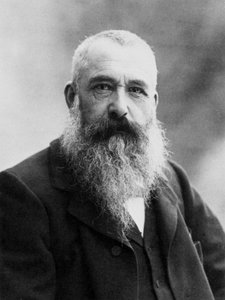
1840–1926, Ranska
Claude Monet
Varhaisluonnon, perheen ja koulutuksen muovaamat vuodet Ranskassa, Pariisissa, 14. marraskuuta 1840 syntynyt Claude Monet astui maailmaan, jossa odotukset ja todellisuus olivat jatkuvassa ristiriidassa. Vaikka hänen isänsä, Claude-Adolphe Monet, näki pojalleen vakaamman ammatillisen polun, hänen äitinsä, Louise-Justine Aubrée Monet, tarjosi hiljaista tukea pojan kasvaville luoville taipumuksille. Perhe asettui lopulta Le Havreen, Normandian rannikolle, jonka suolainen ja utuinen ilmapiiri jätti pysyvän jäljen nuoreen poikaan.
Tietoa kohteesta Claude Monet Claude Monetn merkittävimpiä teoksia
Myös Claude Monet -teoksia
 Vesililjat (tai Nympheas)1916
 Auringonnousu1872
 Olkivannat: Lumiefekti1891
 Kävely. Nainen ja varjo1875
Esseitä teoksesta Cobeas
 Claude Monet’s Giverny: The Living Canvas of Impressionist Light and WaterExplore the luminous world of Monet's Giverny through expert historical insight. Step into his living canvas today.
 French artworks of the 1880sFrench Impressionist masterpieces by Claude Monet, Pierre-Auguste Renoir, and Georges Seurat. Find museum-quality reproductions on Original…
 Capturing Fleeting Moments: Light, Color & Emotion in Impressionistic ArtExplore the captivating world of Impressionism! Discover the techniques, artists (Monet, Renoir, Degas), and enduring legacy of this revolu…