
 Katso seinällä
 Lähetä
 Jaa
Jaa
 Tarkemmat tiedot
 Opas
Opas

 Lataa kuva
 Samanlaisia kohteita
 Röntgenkuvaus
 Diaesitys
 Tilastot
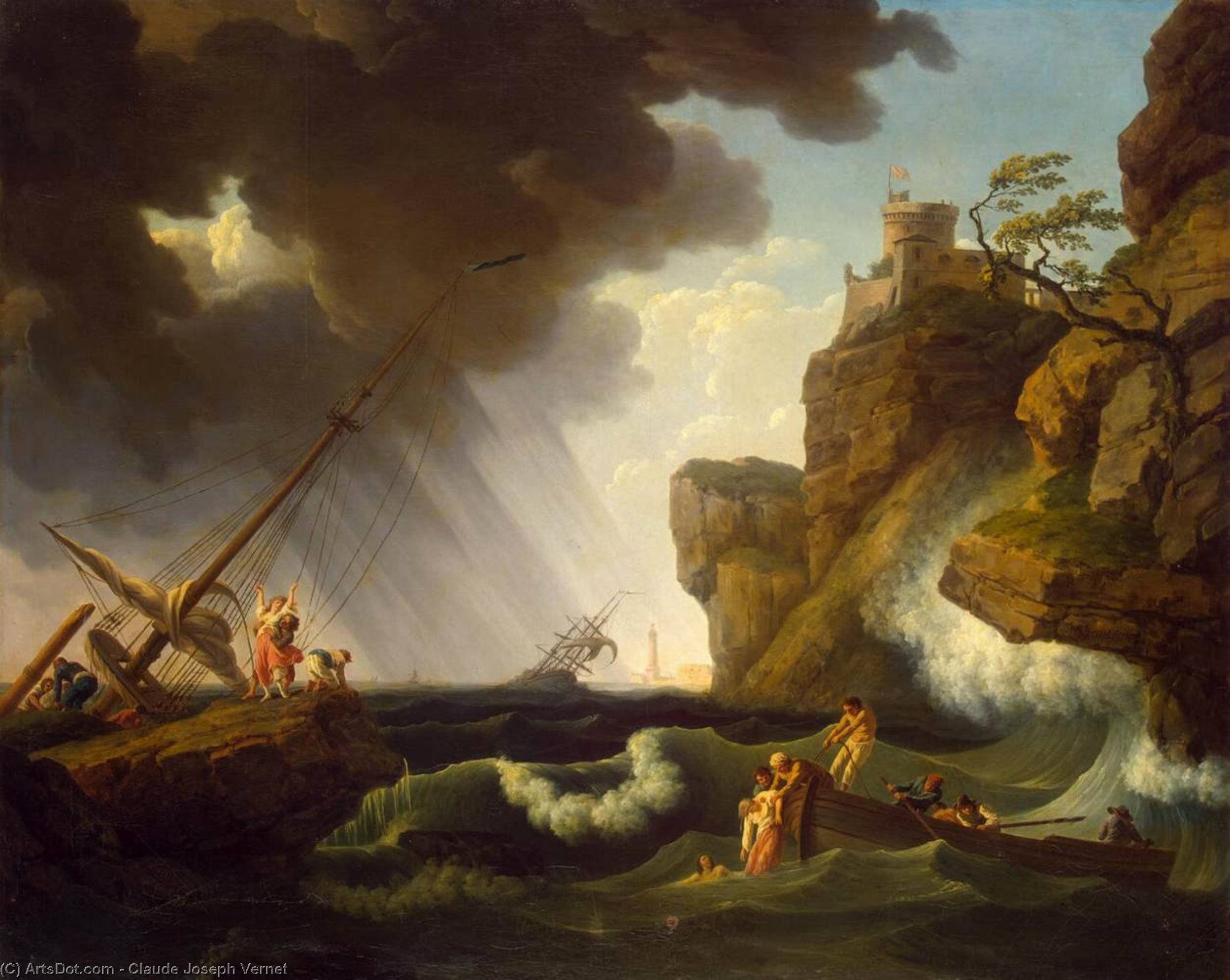
Shipwreck
 Oil On Canvas
- WallArt
- Romantic Landscape
 1763
1763- Early Modern
 102.0 x 126.0 cm
 Ermitažin museo
 Lue lisää
Käsinmaalattu öljyvärinen jäljennös
Käsinmaalattu öljyväri kankaalle haluamassasi koossa ja kehyksissä, taiteilijoidemme valmistamana tilauksesta. ( Vaihda tulosteeseen Siirry digitaaliseen kuvaan)




P118B €10

P118H €10

P118W €10

P438Z €10

P508JH €12

P508YH €12

P805H €10

P805Z €10

P919BZ €10

P919G €10

P919XJ €10

P959ZH €10

P968JZ €12

W106C €8

W218G €10

W218JH €8

W218Y €10

W307PJ €10

W316G €10

W316PJ €8

W316Y €10

W398PJ €8

W4111J €10

W500HY €15

W500JH €15

W692G €12

W849H €8

W940BG €15

W953PJ €8




Valitse valmiista mitoistamme sellaiset, jotka vastaavat teoksen alkuperäisiä mittasuhteita.

Kirjoita tarvitsemasi leveys ja korkeus, jotta teos sopii kehyskehyksiisi tai seinällesi. Koska kyseessä on käsinmaalattu teos, taiteilija voi maalata hieman enemmän kuvan ympärille tai rajata sitä hieman, jos haluat eri muotoisen koon — valinta on sinun. Lähetämme sinulle digitaalisen mallikuvan hyväksyttäväksi ennen kuin maalaus alkaa. Tällä sivulla näkyvä kuva ei vastaa lopullista tulosta — vain mallikuva näyttää sen.
Tilauksen jälkeen OriginalUniqueArt.com -tiimi lähettää asiakkaalle sähköpostitse ohjeet ja esikatselukuvan.
Maailmanlaajuinen toimitus () 3–4 viikossa tavallisen 5 viikon sijaan. (21 lokakuu). Laadusta ei tingitä.

Ilmainen pikatoimitus ympäri maailman

Korkealaatuinen pellavakangas

Kattava kuljetusvakuutus

Tulliveron palautustakuu

Takuu täydellisestä värien vastaavuudesta

100 päivän palautusoikeus valmistusvirhetapauksissa

100% rahat takaisin -takuu

Määräalennus saatavilla
 Lasivaihtoehto on saatavilla vain alle 110 cm kokoisille teoksille

Shipwreck
Reproduktiotapa
Replikaatin koko
-


Kokonaishinta
€ 262
A Tempestuous Vision of Sublime Terror
Claude Joseph Vernet’s “Shipwreck” is far more than a mere depiction of maritime disaster; it is a profound cornerstone of Romantic landscape painting that captures the very essence of human vulnerability. Completed in 1763, this oil on canvas masterpiece invites viewers into a world where the boundaries between awe and terror dissolve. The scene unfolds with a panoramic intensity, dominated by turbulent, churning seas and brooding, heavy skies that seem to press down upon the frantic figures below. As one gazes upon the work, the sheer scale of the ocean’s fury becomes palpable, establishing a sense of sublime drama that was revolutionary for its era. The composition is masterfully orchestrated to guide the eye through the chaos, from the splintering wood of the vessel to the desperate movements of the crew, creating a visceral experience that resonates long after the first encounter.
The technical brilliance of Vernet lies in his ability to translate raw, elemental energy into tangible paint. Eschewing the polished, idealized surfaces favored by Neoclassical contemporaries, Vernet embraced a more expressive and textured approach. He utilizes chiarosc lately—the dramatic interplay between piercing light and deep, swallowing shadows—to sculpt the forms of the ship and its passengers against the immense backdrop of the storm. His brushwork is notably loose and energetic, employing thick layers of impasto to mimic the frothing whitecaps of the waves and the heavy, moisture-laden atmosphere of a tempest. This tactile quality adds a layer of physical realism to the scene, making the spray of the salt water and the weight of the wind feel almost touchable to the observer.
The Philosophy of the Sublime and Historical Resonance
To understand “Shipwreck,” one must look toward the intellectual currents of the Enlightenment. During this period, philosophers such as Edmund Burke were deeply preoccupied with the concept of the sublime—the idea that beauty could be found in things that are simultaneously terrifying and overwhelming. Vernet’s work serves as a visual manifesto for this philosophy. By presenting the small, frantic figures of the shipwrecked crew against the infinite, uncontrollable power of nature, he highlights the fragility of human existence. The painting does not merely document a nautical accident; it explores the psychological state of confronting an immense force that is indifferent to human life. This tension between the monumental landscape and the minute, struggling human element provides a profound emotional depth that continues to captivate modern audiences.
For the discerning collector or interior designer, “Shipwreck” offers more than just aesthetic beauty; it brings a commanding presence and a narrative soul to any space. The painting’s dramatic tonal range—from charcoal grays to brilliant, light-pierced crests—allows it to serve as a powerful focal point in sophisticated settings. Whether placed in a grand library or a contemporary living space, the artwork evokes a sense of history, adventure, and deep contemplation. A high-quality reproduction of this masterpiece allows one to possess a fragment of the Romantic era, bringing the timeless, haunting beauty of Vernet’s maritime vision into the modern home, where it can continue to inspire awe and wonder.
Kysymykset ja vastaukset
Mihin taidesuuntaukseen Claude Joseph Vernet:n "Shipwreck" kuuluu?
Teoksen Claude Joseph Vernet:n "Shipwreck" tyylisuunta on Romantic Landscape. Tämä luokittelu sijoittaa teoksen muiden samankaltaisten taiteilijoiden ja teosten joukkoon.
Mikä koko ja suuntaus ovat suositeltavia teoksen Claude Joseph Vernet:n "Shipwreck" tulosteelle?
Teokselle "Shipwreck" suositeltu tulostusasetus on koko Large ja Landscape-suuntainen asettelu.
Miten teoksen "Shipwreck" aihe liittyy Claude Joseph Vernet'n tavallisiin teemoihin?
Claude Joseph Vernet:n toistuvia teemoja ovat classical landscape, sublime horror, maritime drama, baroque style, vernet legacy; "Shipwreck" keskittyy aiheisiin shipwreck, storm, sea, landscape, boats, waves, tragedy.
Taiteilijan elämäkerta
Valon Mestari: Claude-Joseph Vernetin Elämä ja Taide
Claude-Joseph Vernet, syntynyt Bordeaux'ssa vuonna 1714, ei ehkä heti näyttänyt päätyvän niihin upeisiin maisemiin ja dramaattisiin merimaisemiin, jotka lopulta määrittelivät hänen perintönsä. Hänen varhaiset taiteelliset taipumuksensa paljastivat intohimon hevosia kohtaan – intohimo, joka oli ilmeinen jo lapsuudessa, kun hän piirsi näitä jaloja olentoja viisivuotiaasta lähtien. Tämä varhainen omistautuminen eläinten anatomialle, erityisesti hevosten muodolle, vaikutti hienovaraisesti hänen myöhempään työhönsä ja toi laajempaan kompositioon dynaamista energiaa ja realismia. Vernetin virallinen koulutus alkoi isänsä, Antoine Vernetin, koristeellisen maalari, ja Nicolas-Bernard Lépicién ohjauksessa, mikä antoi hänelle vankan akateemisen pohjan ennen kuin hän lähti Euroopan taiteellisen sydämen pariin: Roomaan. Juuri Italiassa Vernet löysi todella kutsumuksensa, lumoutuneena paitsi klassisista maisemista myös meren raakaan voimaan ja kauneuteen. Näky valaan rannikolla Marseillen edustalla oli ratkaiseva, sytyttäen elinikäisen pakkomielteen meriaiheisiin.Rooman Opiskelut ja Kuninkaalliset Komissiot
Vernet’n aika Roomassa ei ollut pelkästään olemassa olevien tyylien jäljittelyä; se oli uppoutumista valon, ilmakehän ja ihmisen ja luonnon välisen vuorovaikutuksen tutkimiseen. Hän omaksui vaikutteita mestareilta kuten Claude Lorrainilta ja Salvator Rosalta yhdistellen heidän lähestymistapojaan ainutlaatuiseksi henkilökohtaiseksi visioksi. Vaikka Lorrain tarjosi idealisoitua seesteisyyttä, Rosa antoi dramaattista intensiteettiä – Vernet onnistui taitavasti synnyttämään nämä elementit yhdistämällä ne luoden kohtauksia, jotka olivat sekä visuaalisesti upeita että tunteellisesti resonoivia. Palattuaan Ranskaan vuonna 1753 Vernetin lahjakkuus sai nopeasti tunnustusta. Ratkaiseva hetki koitti, kun Ludvig XV antoi hänelle tehtävän maalata sarja kuvauksia ranskalaisista satamista. Tämä kunnianhimoinen projekti – joka lopulta sisälsi viisitoista maalausta – vakiinnutti Vernetin aseman aikansa johtavana merimaalariena. Nämä eivät olleet pelkästään topografisia tallenteita; ne olivat vaikuttavia kuvauksia kansallisyydestä, jotka esittelivät Ranskan merellistä voimaa ja sen yhteyttä mereen. Intérieur du port de Marseille (1754) ei ole vain vilkkaan sataman kuvaus – se on ode kaupalle, teollisuudelle ja kaupungin eloisalle elämänvoimalle.Valon ja Myrskyn Takojat
Vernet’n taiteellinen taito piili paitsi tarkassa laivojen ja satamien esittämisessä myös hänen mestarillisessa valon ja ilmakehän käsittelyssään. Hän ymmärsi, miten auringonsäteet välkkyivät vedestä, miten pilvet kerääntyivät myrskyn edellä ja miten nämä elementit voisivat dramaattisesti muuttaa kohtauksen tunnelmaa. Hänen maalauksissaan esiintyy usein dramaattisia taivaita, levottomia vesiä ja hahmoja hetkissä sekä vaaran että jaksamisen välillä. A View of the Port of Naples with Mount Vesuvius in the Background (1774) ilmentää tätä taitoa – Vesuviuksen uhkaava läsnäolo hallitsee vilkkasta satamaa, muistuttaen luonnon voimasta ja samalla korostaen ihmisen toimintaa. Kyky tasapainottaa suuruutta ja läheisyyttä on hänen työnsä tunnusmerkki. Merikohtausten lisäksi Vernet tutki myös maisemia ja metsästysaiheita, säilyttäen aina terävän silmän yksityiskohtiin ja ymmärryksen eläinten anatomiasta – taito, joka oli hioutunut hänen nuoruudessaan.Perhe, Vaikutus ja Kestävä Merkitys
Taiteellinen sukulinja jatkui Vernetin pojan, Antoine Charles Horace Vernetin (tunnetaan myös nimellä Carle Vernet), kanssa, joka seurasi isänsä jalanjälkiä saavuttaen tunnettavuuden omilla dynaamisilla taistelukohtauksillaan ja metsästystaiteellaan. Tämä perheellinen yhteys korostaa perinteen ja mentoroinnin tärkeyttä 1700-luvun ranskalaisessa taideyhteisössä. Claude-Joseph Vernetin vaikutus ulottui hänen välittömän perheensä ulkopuolelle; hän auttoi nostamaan maisemamaalauksen merkittävään asemaan ranskalaisessa taiteessa. Hänen työnsä avasi tietä myöhemmille sukupolville taiteilijoita, inspiroiden heitä tutkimaan luonnon maailman kauneutta ja voimaa. Vaikka hän kuoli vuonna 1789 vallankumouksen kynnyksellä, Vernetin perintö elää edelleen. Hänen maalauksensa kiehtovat edelleen katsojia ilmakehällisellä syvyydellään, teknisellä loistollaan ja vaikuttavalla tarinankerronnallaan – todiste elämästä, joka oli omistettu valon, meren ja ihmisen hengen olemuksen vangitsemiselle.
Claude Joseph Vernet
1714 - 1789 , Ranska
Tietoa taiteilijasta
- Artistic Movement Or Style: Maisemamaalaus, Merimaisema
- Artists Or Movements Influenced By This Artist: ['Antoine Charles Horace Vernet']
- Artists Who Influenced This Artist:
- Claude Lorrain
- Bernardino Fergioni
- Date Of Birth: 14. elokuuta 1714
- Date Of Death: 1789
- Full Name: Claude-Joseph Vernet
- Nationality: Ranskalainen
- Notable Artworks:
- Intérieur du port de Marseille
- A view of the port of Naples
- Place Of Birth: Bordeaux, Ranska
Aiheeseen liittyvät artikkelit

Romanttisen maisemamaalauksen mestariteokset: Taidetta ja inspiraatiota kotiin
Uppoudu romanttisen maisemamaalauksen maailmaan! Tutustu Caspar David Friedrichin, Turnerin ja muiden mestareiden ikonisiin teoksiin. Löydä inspiraatiota kotiisi taiteen avulla OriginalUniqueArt.comista – laadukkaat taideprintit ja sisustusideoita.

Evocations of Place: A Historical Journey Through Landscape Art
Explore the rich history of landscape art with OriginalUniqueArt. Discover renowned artists, movements like Impressionism & Romanticism, and expert guidance for collecting timeless pieces. Find your perfect serene escape today!

John Constablein 25 mestariteosta: Taidetta ja tunnelmaa kotiisi – OriginalUniqueArt.com
Tutustu John Constable'n 25 mestariteokseen – romanttisia maisemamaalauksia, jotka vangitsevat englantilaisen luonnon tunnelman. Taidehistoriaa ja inspiraatiota kotiisi OriginalUniqueArt.com:ssa. Löydä kaikki taideteokset verkossa!

Claude Lorrain: Master of Light & Landscape in the Golden Age
Explore the luminous landscapes of Claude Lorrain, a Baroque master renowned for his masterful use of light & atmosphere. Discover his life, techniques, key works & enduring influence on art history.
Claude Monet: 25 mestariteosta valokuvauksellisiin sisustuksiin – OriginalUniqueArt.com
Tutustu Claude Monet'n 25 mestariteokseen! Uppoudu impressionismin maailmaan, vesililyistä Rouenin katedraaliin. Löydä taideprintit ja inspiraatiota sisustukseesi OriginalUniqueArt.comista. Tutki kokoelma verkossa!

