Baroque · 1611
Still Life with Nuts, Candy and Flowers (Clara Peeters, 1611)
Clara Peeters (1587–1657) on luonut teoksen Still Life with Nuts, Candy and Flowers. Se on peräisin vuodelta 1611. Se kuuluu Baroque-liikkeeseen. Se on valmistettu materiaalilla Oil On Panel. Teos sijaitsee Museo del Prado -museossa paikassa Madrid, Espanja. Mitat ovat 52 × 73 cm.
- 1611
- Oil On Panel
- 52 × 73 cm
- Museo del Prado, Madrid

 Esikatselu

 Käsinmaalattu öljymaalaus
 Jaa teos
 Jaa
 Teostiedot


 Lataa kuva
 Samanlaisia kohteita
 Röntgenkuvaus
 Diaesitys
 Kysymykset ja vastaukset

 Tilastot
Still Life with Nuts, Candy and Flowers lyhyesti
- Teoksen nimi
- Still Life with Nuts, Candy and Flowers
- Taiteilija
- Clara Peeters (1587–1657)
- Taiteilijan syntymäpaikka
- Antwerpen, Belgia
- Päivämäärä
- 1611
- Tekniikka
- Oil On Panel
- Mitat
- 52 × 73 cm
- Missä teos on nähtävissä
- Museo del Prado, Madrid, Espanja
- Taidesuuntaus
- Baroque
- Aikakausi
- Early Modern
- Aihe
- food, flowers, fruit, bowl, candlelight, luxury
Mitä Still Life with Nuts, Candy and Flowers esittää?
A Sensory Feast: The Opulence of Clara Peeters
In the quiet intimacy of a seventeenth-century tabletop, Clara Peeters invites us into a world where the mundane is elevated to the magnificent. Still Life with Nuts, Candy and Flowers is not merely a depiction of food; it is a masterclass in sensory storytelling. As one gazes upon this 1611 masterpiece, the eye is immediately drawn to the lush, tactile abundance of the arrangement. Polished bowls overflow with an assortment of nuts, while delicate candies and vibrant fruits—apples and oranges—rest alongside elegant glassware. There is a profound sense of weight and texture here; one can almost feel the rough shell of a walnut against the smooth, cool surface of a silver platter or the delicate, ephemeral softness of a flower petal. Peeters captures a moment of suspended animation, where the sweetness of life is presented in all its colorful, decadent glory.
The painting serves as a breathtaking window into the Baroque era, a period defined by its dramatic flair and intense realism. Moving away from the rigid, geometric constraints of earlier Mannerist traditions, Peeters embraces an asymmetrical composition that feels organic and alive. This deliberate lack of strict symmetry creates a dynamic energy, guiding the viewer’s gaze in a wandering, exploratory path across the table. The interplay of light and shadow—the hallmark of the Baroque style—is utilized with surgical precision. Light dances across the sheen of polished metal and the translucent skin of fruit, while deep, velvety shadows provide a sense of depth and mystery, grounding the vibrant colors in a space that feels both tangible and atmospheric.
Technique and the Art of Observation
To behold this work is to witness the extraordinary technical prowess of a true pioneer. Executed with oil on panel, Peeters employed sophisticated glazing techniques to build layers of luminous color, allowing light to penetrate the paint and reflect from within, much like the natural glow of ripe fruit. Her ability to render different materials—the glint of a wine glass, the matte surface of a nut, the organic texture of a potted plant—demonstrates an obsessive devotion to verisimilitude. Every brushstroke is subservient to the goal of absolute realism, making this piece a triumph of observational skill. For the collector or interior designer, such a work offers more than just decoration; it provides a focal point of profound complexity that rewards prolonged contemplation.
Beyond its physical beauty, the painting whispers of deeper, more contemplative themes. In the tradition of the Dutch ontbijtjes (breakfast pieces), such arrangements often functioned as subtle meditations on the fleeting nature of pleasure and the passage of time. The abundance of the feast stands in a delicate balance with the inherent fragility of the flowers and the perishable nature of the food. This tension between abundance and decay creates an emotional resonance that transcends the centuries, offering a poignant reminder to cherish the sensory richness of the present moment. It is this marriage of exquisite craftsmanship and soulful depth that makes Peeters’ vision an enduring inspiration for those seeking to bring a sense of history, elegance, and narrative weight into a contemporary space.
Missä museossa teos Still Life with Nuts, Candy and Flowers sijaitsee?
Museo del Prado
Madrid, Espanja
Museo del Pradon historia Museo del Pradon juuret kietoutuvat tiiviisti Espanjan kuninkaalliseen kokoelmaan, ja niiden alkuperä ulottuu aina 1700-luvulle saakka. Se, mikä alkoi Ferdinand VII:n aikana visiona luonnontieteellisestä kabinetista, muuttui ajan myötä pyhäköksi, joka oli omistettu yksinomaan maalaustaiteelle ja veistotaiteelle. Tämä siirtymä muutti tieteellisen pyrkimyksen Espanjan kruunun arvokkaimpien aarteiden säilytyspaikaksi.


Still Life with Nuts, Candy and Flowers korkearesoluutioiset kuvat

Tekijänoikeudet: teos on vapaasti käytettävissä, taiteilija kuoli vuonna 1657.
Muut koot, rajaukset ja viittaukset →Clara Peeters, Still Life with Nuts, Candy and Flowers (1611).
Clara Peeters (1587–1657), Still Life with Nuts, Candy and Flowers, 1611, oil on panel, Museo del Prado, Madrid, Espanja. Tekijänoikeudet vapaat. Kuva: OriginalUniqueArt.com.
Kysymyksiä teoksesta Still Life with Nuts, Candy and Flowers ja vastauksia niihin
Missä museossa alkuperäinen "Still Life with Nuts, Candy and Flowers" on esillä?
Teos Clara Peeters:n "Still Life with Nuts, Candy and Flowers" on esillä Museo del Prado, Madrid, Espanja-museossa. Museoluettelo viittaa alkuperäisteokseen, ei jäljennöksiin.
Milloin "Still Life with Nuts, Candy and Flowers" on tehty?
Clara Peeters:n "Still Life with Nuts, Candy and Flowers" on luotu vuonna 1611.
Mitä tekniikkaa Clara Peeters:n "Still Life with Nuts, Candy and Flowers" on käytetty?
Teoksen Clara Peeters:n "Still Life with Nuts, Candy and Flowers" tekniikka on Oil On Panel. Vedosten tavoitteena on jäljitellä tämän tekniikan ulkoasua.
Mikä on Clara Peeters:n "Still Life with Nuts, Candy and Flowers" todellinen koko?
Teoksen "Still Life with Nuts, Candy and Flowers" alkuperäiset mitat ovat 52 x 73 cm. Alkuperäiset mitat ovat hyödyllinen vertailukohta, kun valitset reproduktion kokoa.
Mitä Clara Peeters:n "Still Life with Nuts, Candy and Flowers" esittää?
Teoksen Clara Peeters:n "Still Life with Nuts, Candy and Flowers" teemoihin kuuluvat food, flowers, fruit, bowl, candlelight, luxury, texture, composition. Yhdessä ne tiivistävät teoksen aiheen.
Onko teos "Still Life with Nuts, Candy and Flowers" tekijänoikeusvapaa?
Tekijänoikeustiedot teokselle Clara Peeters:n "Still Life with Nuts, Candy and Flowers": teos on vapaasti käytettävissä – tekijänoikeussuoja on päättynyt. Tämä määrittää, voidaanko kuvasta tehdä vapaasti jäljennöksiä.
Kenen teokseksi "Still Life with Nuts, Candy and Flowers" on merkitty?
Teoksen "Still Life with Nuts, Candy and Flowers" taiteilija on Clara Peeters. Teos on luetteloitu Clara Peeters nimellä.
Mihin tyylisuuntaan "Still Life with Nuts, Candy and Flowers" kuuluu?
Teoksen Clara Peeters:n "Still Life with Nuts, Candy and Flowers" tyylisuunta on Baroque. Tämä luokittelu sijoittaa teoksen muiden samankaltaisten taiteilijoiden ja teosten joukkoon.
Mihin kohtaan Clara Peeters uraa teos "Still Life with Nuts, Candy and Flowers" sijoittuu?
"Still Life with Nuts, Candy and Flowers" edustaa taiteilijan Clara Peeters tuotantokautta Mature Period."
Tietoa taiteilijasta, Clara Peeters

1587–1657, Belgia
Clara Peeters
Clara Peeters: Hollannin kultaisen ajan asetelmakuvauksen edelläkävijä Clara Peeters (1594–kuoli vuoden 1657 jälkeen) seisoo ainutlaatuisena hahmona seitsemääntötahden vuosisadan flaamilaisessa taiteessa – yhtenä varhaisimmista tunnistetuista naistaiteilijoista, jotka toimivat kukoistavan Hollannin kultaisen ajan sisällä. Huolimatta yhteiskunnallisista rajoituksista, jotka vakavasti rajoittivat naisten pääsyä taiteelliseen koulutukseen ja killan jäsenyyteen, Peeters loi itselleen merkittävän uran. Hänen jälkensä on teoskokonaisuus, jota luonnehtii huolellinen yksityiskohtaisuus, innovatiiviset sommittelustrategiat sekä kiehtovuus arkielämän – erityisesti ruoan – tekstuurien ja vivahteiden vangitsemisessa. Hänen perintönsä inspiroi edelleen tutkijoita ja taiteilijoita, kun he pohtivat hänen identiteettiään, koulutustaan ja hänen taiteellisen tuotoksensa salaperäistä luonnetta.
Tietoa taiteilijasta Clara Peeters Clara Peetersn merkittävimmät teokset
Myös Clara Peeters -teoksia
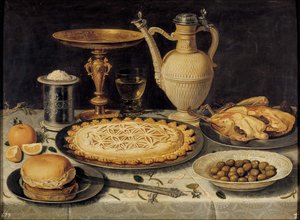 Table with Orange, Olives and Pie1611
 Still Life with Cheeses, Artichoke, and Cherries1625
 Madonna And Child Within A Floral Wreath1621
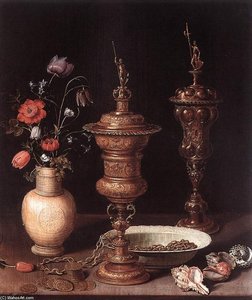 Still-Life with Flowers and Goblets1612

Esseitä teoksesta Still Life with Nuts, Candy and Flowers
 Luminous Vessels: The Transcendent Art of the Bottle in Impressionist Still LifeExplore how Impressionist masters captured light through glass and bottles. Discover the magic of light and texture today.
 18th century Dutch paintersJan van Huysum completed Flowers and Fruit in 1723. Compare his botanical precision with the maritime works of Willem van de Velde the Youn…
 Master of Abundance: The Top 25 Essential Artworks by Frans SnydersBorn in 1579, Snyders trained under Pieter Brueghel the Younger. Count the twenty-five works that define his Baroque mastery of texture and…