 Esikatselu
 Jaa
Jaa Jaa
Jaa
 Tarkemmat tiedot

 Lataa
Lataa
 Samanlaisia
 Röntgenkuva
 Diaesitys
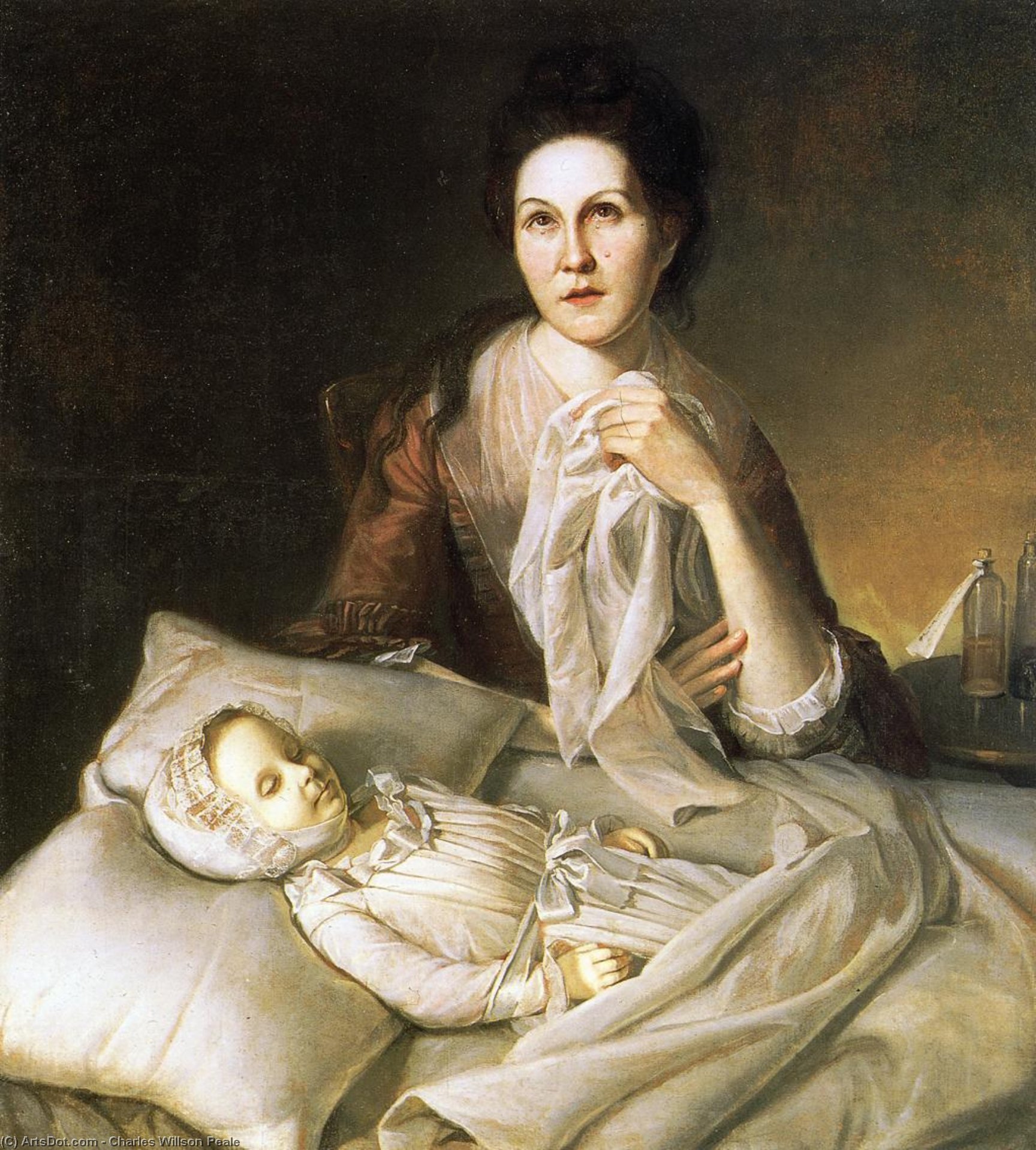
Rachel Weeping


 Näytä lisää
Käsinmaalattu öljykopio
Käsinmaalattu öljyväri kankaalle haluamassasi koossa ja kehyksissä, taiteilijoidemme valmistamana tilauksesta. ( Osta printti Osta kuva)




P118B $10

P118H $10

P118W $10

P438Z $10

P508JH $12

P508YH $12

P805H $10

P805Z $10

P919BZ $10

P919G $10

P919XJ $10

P959ZH $10

P968JZ $12

W106C $8

W218G $10

W218JH $8

W218Y $10

W307PJ $10

W316G $10

W316PJ $8

W316Y $10

W398PJ $8

W4111J $10

W500HY $15

W500JH $15

W692G $12

W849H $8

W940BG $15

W953PJ $8




Valitse valmiista mitoistamme sellaiset, jotka vastaavat teoksen alkuperäisiä mittasuhteita.

Voit syöttää omat mitat sopimaan tiettyyn kehykseen tai tilaan. Jos valitsemasi koko ei vastaa alkuperäisen kuvan mittasuhteita, rajaamme taideteoksen tai jatkamme maalausta käsin maalatuilla elementeillä. Digitaalinen esikatselu lähetetään hyväksyttäväksi ennen tuotannon aloittamista.
Huomioithan, että näytöllä oleva esikatselu ei vastaa todellista rajausta tai jatkamista. Vain digitaalinen mallikuva näyttää lopullisen sommittelun tarkasti.
Vaikka mittatilaustyöt ovat mahdollisia, suosittelemme valitsemaan mitan ennalta määritetystä listasta alkuperäisten mittasuhteiden säilyttämiseksi.
Tilauksen jälkeen OriginalUniqueArt.com -tiimi lähettää asiakkaalle ohjeet ja esikatselukuvan.
Maailmanlaajuinen toimitus () 3–4 viikossa tavallisen 5 viikon sijaan. (20 elokuu). Laadusta ei tingitä.

Ilmainen pikatoimitus ympäri maailman

Korkealaatuinen pellavakangas

Kattava kuljetusvakuutus

Tulliveron palautustakuu

Täydellinen värien vastaavuustakuu

60 päivän palautusoikeus (vain valmistusvirheet)

100% rahat takaisin -takuu

Määräalennus tarjous
 Lasivaihtoehto on saatavilla vain alle 110 cm kokoisina teoksina

Rachel Weeping
Reproduktiotekniikka
Replikaatin koko
-


Kokonaishinta
$ 300
Teoksen kuvaus
The Haunting Beauty of Loss
Charles Willson Peale’s “Rachel Weeping,” painted in 1772, isn't merely a portrait; it’s a visceral embodiment of sorrow, a poignant meditation on loss and the enduring bonds of family. The painting depicts Rachel Peale, Charles’s wife, mourning the death of their child – a tragedy that struck deeply within the heart of this prominent American artist and his family. Yet, despite its subject matter, “Rachel Weeping” transcends mere grief to become a powerful statement about resilience, faith, and the enduring nature of love.
Peale’s decision to immortalize this moment of profound sorrow was revolutionary for its time. Rather than shy away from depicting the raw emotion of bereavement, he embraced it with unflinching honesty. The composition immediately draws the viewer in – a woman enveloped in shadow, cradling her lifeless infant, a scene both heartbreaking and strangely dignified. It’s a stark departure from the idealized depictions of motherhood prevalent in earlier art, offering instead an intimate glimpse into the depths of human suffering.
Neoclassical Elegance Meets Emotional Intensity
Stylistically, “Rachel Weeping” masterfully blends elements of Neoclassicism with Romanticism. Peale’s training under Benjamin West, a leading figure in the British Neoclassical movement, is evident in the painting's carefully rendered details – the delicate folds of Rachel’s garments, the precise modeling of her face, and the restrained palette dominated by muted browns, grays, and creams. However, beneath this formal elegance lies an undeniable surge of emotional intensity. The use of chiaroscuro—the dramatic contrast between light and shadow—heightens the sense of drama and underscores the painting’s central theme of grief. Notice how the light gently illuminates Rachel's face, highlighting her sorrowful expression while leaving much of the background shrouded in darkness.
Peale’s technique is remarkably skillful. He employs a loose brushstroke to create a sense of movement and immediacy, capturing the raw emotion of the scene with remarkable sensitivity. The positioning of the child – nestled close to Rachel's chest, its head resting on her shoulder – speaks volumes about the profound connection between mother and child, further amplifying the painting’s emotional impact.
Symbolism and a Testament to Family
The symbolism within “Rachel Weeping” is layered and deeply resonant. The inclusion of other figures in the background—a man standing behind Rachel and another positioned further back on the right—suggests a wider family circle, emphasizing the communal nature of grief. The presence of medical bottles hints at the era’s limited understanding of illness and death, adding a layer of historical context to the scene. Most powerfully, Rachel's posture – her head bowed in sorrow, her hands clasped protectively around the child—evokes the iconography of the Madonna and Child, transforming her grief into a sacred act of mourning.
Peale’s decision to paint this image after the loss of his own children underscores the profound personal connection he felt to the subject matter. “Rachel Weeping” is not simply a portrait; it's a deeply felt expression of love, loss, and the enduring strength of the human spirit. It remains a hauntingly beautiful testament to the complexities of family life and the universal experience of grief.
A Legacy of Emotional Depth
“Rachel Weeping” holds a significant place in American art history as one of the earliest examples of a portrait confronting difficult emotions with such directness. Its emotional honesty and technical skill continue to resonate with viewers today, prompting reflection on themes of loss, family, and the enduring power of human connection. Reproductions of this iconic painting offer a powerful opportunity to experience Peale’s masterful artistry and contemplate the profound beauty that can be found even in moments of deepest sorrow.
Taiteilijan elämäkerta
Charles Willson Peale: A Life of Art, Science, and Patriotism
Charles Willson Peale was a figure who embodied the spirit of his era – an artist deeply rooted in scientific observation and passionately committed to documenting the wonders of the natural world. Born April 15, 1741, in Chester County, Maryland, he navigated a childhood marked by considerable hardship following his father’s untimely demise, forging ahead with determination fueled by an innate fascination for artistic expression.Early Life and Artistic Training
Peale's formative years saw him apprenticed as a saddler – a practical skill that instilled discipline and honed his hand-eye coordination – before serendipitously discovering his true vocation within the realm of painting. Recognizing his burgeoning talent, he initially benefited from instruction under John Hesselius, absorbing foundational techniques and stylistic considerations. This initial exposure was further enriched by brief studies with John Singleton Copley, demonstrating an early aptitude for capturing likeness accurately and conveying emotion effectively. However, it was his time studying under Benjamin West in London (1767-1770) that truly cemented his artistic trajectory. The influence of European Neoclassical ideals – characterized by idealized forms and rational composition – profoundly shaped Peale’s style, establishing a bedrock for his subsequent explorations.Artistic Career and Major Works
Peale swiftly established himself as a portraitist of distinction, securing commissions from prominent figures of the American Revolution. Among these were nearly sixty depictions of George Washington, meticulously crafted to honor the nation's leader while simultaneously serving as invaluable historical records. His style evolved gracefully over time, retaining West’s neoclassical elegance yet incorporating elements of realism and striving for unparalleled accuracy in portraying his subjects. The resulting portraits are testaments to Peale’s dedication to capturing not merely appearance but also character and spirit. Notably, *George Washington (1772)* marked the commencement of a lifelong partnership with Washington—a relationship that would yield numerous iconic images reflecting the evolving political landscape of the time. Furthermore, *The Staircase Group (c. 1795)* stands as an extraordinary achievement in trompe l'oeil artistry – an illusionistic technique designed to deceive the eye—creating the impression that his sons Raphael and Titian seamlessly integrate into the architectural setting of the museum itself.Scientific Pursuits and Peale’s American Museum
Beyond his artistic accomplishments, Charles Willson Peale possessed a fervent passion for natural history. Driven by an inquisitive spirit, he spearheaded expeditions to meticulously document flora and fauna across America, furthering scientific understanding and expanding the boundaries of knowledge. Recognizing the transformative potential of disseminating scientific discoveries to the public, Peale founded Peale's American Museum in Philadelphia (1784)—a pioneering institution that would become one of the earliest museums in the United States. The museum’s halls housed an astonishing array of specimens—botanical illustrations alongside animal skeletons and archaeological artifacts—representing a comprehensive panorama of scientific inquiry. Perhaps Peale’s most enduring legacy resides in his masterful reconstruction of a mastodon skeleton, acquired during an expedition in 1801 – a monumental undertaking that captivated the public imagination and solidified Peale's reputation as a visionary scientist and educator.Legacy and Historical Significance
Charles Willson Peale’s artistic output transcends mere aesthetic beauty; it embodies the intellectual fervor of the Enlightenment—a period characterized by reason, observation, and an unwavering belief in human potential. His portraits stand as enduring symbols of American leadership and patriotism, offering poignant glimpses into the personalities and aspirations of pivotal figures who shaped the nation's destiny. Moreover, Peale’s establishment of Peale’s American Museum represents a watershed moment in the history of scientific education—a bold assertion that knowledge should be accessible to all citizens. His influence extended far beyond his own lifetime, inspiring subsequent generations of artists and scientists alike – cementing his place as an indelible figure within the annals of American cultural heritage. He fostered a family tradition of artistic excellence, with his sons James Peale and Rubens Peale continuing his legacy through their own distinguished careers in art and science.
Charles Willson Peale
1741 - 1827 , Yhdysvallat
Pikatiedot
- Artistic Movement Or Style: Neoklassismi
- Artists Who Influenced This Artist:
- John Hesselius
- John Singleton Copley
- Benjamin West
- Date Of Birth: April 15, 1741
- Date Of Death: February 22, 1827
- Full Name: Charles Willson Peale
- Nationality: Amerikkalainen
- Notable Artworks:
- Staircase Group
- George Washington
- Place Of Birth: Chester, United Kingdom
Liittyvät artikkelit

Charles Willson Peale: Portraiture, Enlightenment Ideals & Shaping American Identity
Explore the life & art of Charles Willson Peale – Revolutionary portraitist, scientist, and founder of America’s first museum. Discover his iconic paintings of Washington & the Enlightenment ideals that shaped a nation.

Titian Ramsay Peale II: A Legacy of Botanical Precision & Artistic Innovation
Explore the life & art of Titian Ramsay Peale II, a master of botanical precision and wildlife painting. Discover his legacy bridging art & natural history at OriginalUniqueArt.
The Visceral Language of Loss: Exploring Grief's Depiction in Art History
Explore the profound history of grief in art with OriginalUniqueArt. Discover Renaissance & Baroque masterpieces depicting loss, mourning, and faith. Expert insights & handmade reproductions available.

Echoes of Loss: Exploring Representations of Grief Across Art History
Explore the profound history of grief in art, from Renaissance masterpieces to Baroque drama. Discover how artists captured loss, mourning & faith through powerful imagery. Expert insights at OriginalUniqueArt.

Echoes of Absence: Loss & Grief in Visual Art Through the Ages
Explore the profound history of grief in art, from Renaissance masterpieces to contemporary expressions. Discover how artists have captured loss, mourning, and mortality through powerful imagery & symbolism. OriginalUniqueArt offers expert insights.