

 Esikatselu
 Jaa teos
 Jaa
Jaa
 Tiedot
 Opas
Opas

 Lataa kuva
 Samanlaisia kohteita
 Röntgenkuvaus
 Diaesitys
 Q&A
Q&A Tilastot
Taking in the Lobster Pots
 Oil On Canvas
- WallArt
- Irish academic realism
 Modern
 49.0 x 59.0 cm
 Lue lisää
Saat tulostusvalmiin tiedoston, jonka laatu ylittää verkkonäkymän huomattavasti. Jokainen myymämme digitaalinen kuva on peräisin arkistomme korkearesoluutioisesta mestariteoksesta — yleensä 5 000–15 000 pikselin levyisenä — joten voit tulostaa suuria kokoja, rajata tiukasti tai toistaa hienovaraiset yksityiskohdat luottavaisin mielin.
Mikään tiedosto ei lähde studiostamme muuttamatta. Digitaalinen asiantuntija vertaa värejä alkuperäiseen maalaukseen ja korjaa niitä tarvittaessa, minkä jälkeen hän parantaa kuvan selkeyttä ja yksityiskohtia ammattimaisilla retusointityökaluilla — säilyttäen aina uskollisena taiteilijan siveltimenjäljen ja tyylin. Lopputuloksena on kuva, joka näyttää maalaukselta, eikä suodatetulta skannaukselta.
Hyväksyt työn ennen valmistumistaan: asiantuntijamme lähettää kuvan tarkistettavaksi sähköpostitse 72 tunnin kuluessa. Etkö ole tyytyväinen? Pyydä parannuksia tai korjauksia, tai pyydä hyvitystä, mikäli laatu ei vastaa odotuksia.
Tämä on laatua, johon kustantamot, design-studiot, galleriat ja painotalot luottavat.
Digitaalinen kuva
Lataa korkearesoluutioinen tiedosto henkilökohtaiseen näyttelyyn, tulostamiseen ja luoviin projekteihin. ( Vaihda tulosteeseen Osta käsinmaalattu taideteos)
Sisältyy jokaiseen digitaalisen kuvan tilaukseen
Asiantunteva digitaalinen toimitus, laatu taattu
Kun valitset OriginalUniqueArt.com-palvelun, et saa vain kuvaa – saat ammattimaisesti viimeistellyn digitaalisen taideteoksen, joka on luotu tarkkuudella ja jonka takaa tulee tyytyväisyystakuu. Tässä on kaikki, mitä tilauksesi sisältää, automaattisesti:

Nopea sähköpostitoimitus
Saat korkearesoluutioisen digitaalisen kuvatiedostosi sähköpostiisi 72 tunnin kuluessa tilauksesta – valmiina käytettäväksi välittömästi.

Tekoälyllä parannettu digitaalinen tiedosto
Teoksesi on optimoitu ammattimaisesti edistyneiden tekoälytyökalujen ja manuaalisen jälkikäsittelyn avulla, mikä takaa maksimaalisen yksityiskohtaisuuden, selkeyden ja väritarkkuuden.

Ilmainen uudelleenlähetys elinikäisesti
Oletko vahingossa poistanut tai kadottanut tiedostosi? Ei hätää – lähetämme sen sinulle uudelleen milloin tahansa täysin maksutta.

Ei tuontimaksuja – koskaan
Nauti taiteestasi välittömästi ilman tullimaksuja, veroja tai toimituskuluja – digitaaliset lataukset ovat aina verovapaita.

Värintoiston tarkkuustakuu
Varmistamme, että digitaalinen kuvasi vastaa alkuperäisiä värejä mahdollisimman tarkasti käyttämällä ammattilaistason työkaluja ja värinhallintaa.

100 päivän tyytyväisyystakuu
Jos et ole tyytyväinen digitaaliseen kuvaasi, muokkaamme sitä tai palautamme 100% hinnan 100 päivän kuluessa – kysymystä ei esitetä.

100% Rahat takaisin -takuu
Et ole tyytyväinen? Saat täyden hyvityksen 100 päivän kuluessa digitaalisen tiedostosi vastaanottamisesta – kysymystä ei esitetä.

Määräalennukset
Osta 3 kuvaa, säästä 10% - Osta 5, säästä 15% - Osta 10+, säästä 20%. Erinomainen valinta luoviin projekteihin, gallerioille ja toimistoille.
The Rhythm of the Shoreline
In this oil on canvas, we find ourselves drawn to a moment of shared labor along a quiet dock. A group of men is gathered, their bodies engaged in the heavy, repetitive task of loading lobster pots onto a boat. The vessel itself sits toward the right of the frame, its hold already partially filled with the woven traps. There is a certain groundedness to the scene, a sense of weight and purpose that comes from watching hands work in unison. Amidst this human industry, two cows wander through the composition—one positioned near the center-right and another further to the left—adding a layer of pastoral stillness to the maritime activity. The presence of these animals suggests a landscape where the sea and the land are not separate worlds, but parts of a single, breathing existence.
The brushwork here is controlled yet broad. There is a restrained use of impasto that builds a tactile texture across the surface, allowing the viewer to feel the physical presence of the dock and the ruggedness of the equipment. The light does not demand attention through brilliance; instead, it settles softly over the scene, illuminating the textures of the wood and the heavy clothing of the workers. It is an approach that favors substance over ornament.
A Study of Coastal Life
The painting captures a way of life defined by the tides and the seasonal rhythms of the coast. There is no pretense in the depiction of these men; their toil is presented with a quiet dignity, stripped of any unnecessary drama. The composition focuses on the reality of the work—the movement of the pots, the positioning of the figures on the dock, and the steady presence of the livestock nearby. It reflects a period when the traditions of fishing communities were deeply intertwined with the local landscape.
Through this work, we see an interest in documenting the textures of a specific environment. The artist uses a palette that feels connected to the earth and the sea, avoiding anything too theatrical. By focusing on these ordinary, repetitive tasks, the painting achieves a sense of permanence. It is a quiet observation of a moment caught between the labor of the day and the coming evening, preserved through a technique that respects the gravity of the subject matter.
Kysymykset ja vastaukset
Mikä Charles Lamb:n "Taking in the Lobster Pots" -tulosteen koko sopii suositeltuun huoneeseen?
Suositeltu yhdistelmä teokselle Charles Lamb:n "Taking in the Lobster Pots": Small kokoinen vedos tilaan Coffee Shop.
Miten materiaali ja liike yhdistyvät teoksessa "Taking in the Lobster Pots"?
Teoksessa "Taking in the Lobster Pots" Oil On Canvas-tekniikka kohtaa Irish academic realism-suuntauksen.
Minkälaisen tunnelman Charles Lamb:n "Taking in the Lobster Pots" välittää?
"Taking in the Lobster Pots" välittää Nostalgic tunnelman. Emotionaalinen sävy kuvaa teoksen antamaa vaikutelmaa.
Taiteilijan esittely
The Apprentice of Portadown
A young man works under his father in the streets of Portadown, County Armagh. The air carries the scent of fresh paint and plaster as Charles Vincent Lamb learns the trade of a housepainter and decorator. This early apprenticeship provides more than just technical skill; it builds a foundation for a life defined by texture and surface. By 1913, his precision earns him a gold medal as Housepainter of the Year.
The evening hours belong to the Belfast School of Art. Here, he studies life drawing, honing an eye for the human form. A scholarship in 1917 shifts his trajectory toward the Dublin Metropolitan School of Art. Under the guidance of Seán Keating, his vision begins to expand beyond the borders of Ulster. He moves through a period of intense formal study, absorbing the techniques that will later define his approach to the canvas.
The Connemara Light
A first visit to Carraroe in 1921 changes everything. The rugged landscape of the West of Ireland presents a new reality of stone, sea, and tradition. He returns repeatedly, eventually building a cottage in Carrarō in 1935. This is no longer just a place of study; it is his home. He finds a deep connection to the Gaeltacht, documenting the rhythms of fishing families and the dignity of those engaged in maritime labor.
The brushwork reflects this environment. He works rapidly on warm-toned surfaces, attempting to catch the shifting moods of the Atlantic coast. His technique utilizes a controlled yet broad application of paint, with restrained impasto that gives physical depth to rocks and wooden piers. In works like Curragh and Hookers at a Pier, Connemara, the stillness of the water meets the heavy texture of the boats. He captures the way light interacts with the surface, mimicking the clarity of a coastal day.
A Record of Identity
His canvases do more than depict scenery; they document a way of life. Through portraits and landscapes, he chronicles the traditions of the Aran Islands and the coastal communities that seemed under threat from modernity. He paints the locals with a sense of heroism, contributing to a specific national identity within the context of the Irish Free State. His subjects—fishermen, women knitting, or dancers at a crossroads—are treated with a steady, unhurried gaze.
His career reaches significant milestones through various institutions and exhibitions:
- Royal Hibernian Academy: Elected as an Associate in 1923 and receiving full membership in 1938.
- Royal Ulster Academy: Achieved membership within this prestigious body.
- International Presence: Exhibited his work in London, New York, Chicago, and Los Angeles.
- Major Collections: His paintings reside in the National Gallery of Ireland, the Hugh Lane Gallery, and the Ulster Museum.
By the time he settles permanently in the West, his style has matured into a blend of academic realism and an expressive, modernist touch. He remains a painter of the landscape and its people until his death in 1964.
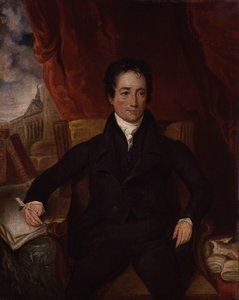
Pähkinänkuoressa
- Artistic Movement Or Style: Academic Realism
- Artists Who Influenced This Artist:
- Seán Keating
- Edouard Manet
- Date Of Birth: 30 August 1893
- Date Of Death: 15 December 1964
- Full Name: Charles Vincent Lamb
- Nationality: Irish
- Notable Artworks:
- A Lough Neagh Fisherman
- Curragh and Hookers at a Pier, Connemara
- A Connemara Lake
- The Turf Cutter
- Gathering Seaweed
- Place Of Birth: Portadown, Northern Ireland