

 Esikatselu
 Jaa
Jaa Jaa
Jaa
 Tarkemmat tiedot

 Lataa
Lataa
 Samanlaisia
 Röntgenkuva
 Diaesitys
 Tilastot
Poor Artist's Cupboard
 Oil
Oil- WallArt
 1815
1815- 19th Century
 95.0 x 90.0 cm
 Näytä lisää
Osta korkearesoluutioinen, parannettu digitaalikuva, joka on laadultaan huomattavasti parempi kuin verkkosivuston esikatselu.
Jokainen tiedosto valmistellaan huolellisesti omien asiantuntijoidemme toimesta käyttäen edistyneitä työkaluja ja ammattitaitoista manuaalista retusointia. Varmistamme, että jokaisessa kuvassa on poikkeuksellinen selkeys, tarkka värintoisto ja hienovaraiset yksityiskohdat.
Lopputiedosto toimitetaan sähköpostitse 72 tunnin kuluessa, ja se on optimoitu välittömään käyttöön ammattimaisissa, toimituksellisissa ja painoympäristöissä. Laatu on sama, johon huipputason suunnittelustudiot, kustantajat ja galleriat luottavat.
Digitaalinen kuva
Lataa korkearesoluutioinen tiedosto henkilökohtaiseen näyttelyyn, tulostamiseen ja luoviin projekteihin. ( Vaihda tulosteeseen Osta käsintehty maalaus)
Sisältyy jokaiseen digitaalisen kuvan tilaukseen
Asiantunteva digitaalinen toimitus, taattuun laatuun
Kun valitset OriginalUniqueArt.com-palvelun, et saa vain kuvaa – saat ammattimaisesti parannetun digitaalisen taideteoksen, joka on luotu tarkkuudella ja jonka takaa tulee tyytyväisyystakuu. Tässä on kaikki, mitä tilauksesi sisältää, automaattisesti:

Nopea digitaalinen toimitus
Korkearesoluutioinen digitaalinen kuvatiedostosi lähetetään sähköpostiisi 72 tunnin kuluessa tilauksesta – valmiina käytettäväksi välittömästi.

Tekoälyllä parannettu digitaalinen tiedosto
Taiteilijasi teos on optimoitu ammattimaisesti edistyneiden tekoälytyökalujen ja manuaalisen muokkauksen avulla, mikä takaa maksimaalisen yksityiskohtaisuuden, selkeyden ja väritarkkuuden.

Ilmainen elinikäinen uudelleenlähetyspalvelu
Oletko vahingossa poistanut tai kadottanut tiedostosi? Ei hätää – lähetämme sen sinulle uudelleen milloin tahansa täysin maksutta.

Ei tuontimaksuja – koskaan
Nauti taiteestasi välittömästi ilman tulleja, veroja tai toimitusmaksuja – digitaaliset lataukset ovat aina verovapaita.

Värintoiston tarkkuustakuu
Varmistamme, että digitaalinen kuvasi vastaa alkuperäisiä värejä mahdollisimman tarkasti käyttämällä ammattilaistason työkaluja ja värinhallintaa.

100 päivän tyytyväisyystakuu
Jos et ole tyytyväinen digitaaliseen kuvaasi, muokkaamme sitä tai palautamme 100% hinnan 100 päivän kuluessa – kysymystä ei esitetä.

100% Rahat takaisin -takuu
Et ole tyytyväinen? Saat täyden hyvityksen 100 päivän kuluessa digitaalisen tiedostosi vastaanottamisesta – kysymystä ei esitetä.

Suurtilaaja-alennukset
Osta 3 kuvaa, säästä 10% - Osta 5, säästä 15% - Osta 10+, säästä 20%. Erinomainen valinta luoviin projekteihin, gallerioille ja toimistoille.
A Poignant Still Life of Penury and Perseverance
In the quiet, shadowed alcove of Charles Bird King’s 1815 masterpiece, Poor Artist's Cupboard, we are invited into a deeply intimate and melancholic corner of a creative life. This nearly square still life is far more than a mere collection of objects; it is a profound narrative of struggle, intellectual hunger, and the heavy weight of financial instability. At first glance, the viewer encounters a cluttered niche, an arched space crammed with the remnants of a life lived on the edge of necessity. A crusty piece of bread sits alongside a short glass of water, symbols of the most basic sustenance, yet they are surrounded by a dense, almost overwhelming accumulation of books and papers that suggest a mind far richer than the hands that hold them.
The composition is masterfully arranged to guide the eye through a labyrinth of symbolic details. King utilizes a tight, claustrophobic arrangement to evoke the feeling of being trapped by circumstance. To the right, a red portfolio holds a sheaf of loose papers beneath the heavy weight of Lives of the Painters, a title that serves as a poignant reminder of the artist's own vocation and perhaps his precarious standing within it. The light catches the edges of a pink conch shell and the gold lettering on various spines, creating small flickers of beauty amidst the gloom. There is a tactile quality to the work; one can almost feel the rough texture of the bread, the cold smoothness of the glass, and the brittle, aging parchment of the many books that line the back of the alcove.
The Language of Symbolism and Hidden Narratives
Every object within this cupboard acts as a silent protagonist in a drama of survival. King employs a sophisticated layer of literary and social symbolism to communicate the artist's internal state. The titles found on the book spines are particularly devastating: Miseries of Life, Calamities of Author, and Unpaid Bills whisper of a reality where debt is as constant as the hunger for knowledge. Even more heartbreaking is the sight of a book titled Pleasures of Hope, where the very word "hope" has been physically ripped through by a torn page, suggesting a loss of optimism or the fragility of such a sentiment in the face of poverty.
The inclusion of calling cards addressed to "Palette," mentioning a debt of five dollars, grounds the painting in a specific, relatable human struggle. This is not an idealized, classical still life of abundance; it is a gritty, autobiographical reflection on the cost of an artistic life. The presence of a protractor and various instructional texts suggests that despite the lack of material wealth, there remains a rigorous commitment to the craft and the pursuit of technical mastery. It is this tension between the physical deprivation of the body and the intellectual expansion of the spirit that gives the painting its enduring emotional resonance.
A Timeless Addition for Discerning Collectors
For the art lover or interior designer, Poor Artist's Cupboard offers a unique opportunity to introduce a piece of profound historical depth into a contemporary space. The muted palette of browns, deep reds, and soft greens, punctuated by the rosy glow of the conch shell, provides a sophisticated tonal anchor for a room. As a high-quality reproduction, this work serves as a conversation starter, inviting guests to lean in closer and decipher the many layers of meaning hidden within its shadows.
Whether placed in a study, a library, or a curated gallery wall, this painting brings with it an atmosphere of contemplative quietude. It celebrates the resilience of the human spirit and the enduring power of art to find beauty within the most humble of circumstances. Owning a reproduction of this work is not merely about decorating a wall; it is about preserving a moment of historical empathy and honoring the complex, often difficult journey of the creative soul.
Taiteilijan elämäkerta
A Life Etched in Portraiture: The World of Charles Bird King
Charles Bird King, born in Newport News, United States of America (1785), stands as a pivotal figure in the evolution of American portraiture during an era defined by profound national transformation. His life story is a compelling tapestry woven with threads of personal hardship and unwavering artistic ambition—a journey that ultimately immortalized not only the nation’s political elite but also its Native American leaders, a demographic often overlooked within the artistic landscape of his time. The early years of King's existence were marked by tragedy; at just four years old, he endured the loss of his father, Zebulon King, a veteran of the Revolutionary War, who fell victim to an attack near Marietta, Ohio. This devastating event prompted a return with his mother to Newport, Rhode Island, where the seeds of his artistic calling would begin to sprout and take root.From European Academies to the American Capital
King’s formal artistic training commenced at the age of fifteen under the tutelage of Edward Savage in New York City—a foundational experience that ignited within him a passionate dedication to portraiture. However, it was his subsequent seven-year sojourn at the Royal Academy in London, studying alongside the esteemed Benjamin West, that truly defined his artistic sensibilities and shaped his evolving style. This immersive period within European art traditions—particularly those of the Dutch and Northern Renaissance masters—would become a defining characteristic woven into the very fabric of his work. Upon returning to the United States amidst the turmoil of the War of 1812, King navigated a shifting landscape, briefly establishing himself in Philadelphia, Baltimore, and Richmond before ultimately settling in Washington, D.C. This strategic move proved decisive; the burgeoning capital offered both economic opportunity and access to a powerful network of potential patrons. It was here that King would establish himself as the preeminent portraitist of his era, capturing the likenesses of influential politicians, diplomats, and military figures with remarkable skill and sensitivity. He wasn’t driven by flamboyant displays or dramatic narratives but rather focused on presenting his sitters with honesty and respect—an approach that resonated deeply with a society that valued decorum, intellect, and civic virtue. His portraits weren't simply representations; they were statements about character and status.A Legacy Forged in Likeness: Style and Influences
King’s artistic style is characterized by a meticulous attention to detail, a refined sense of composition, and a subtle yet compelling psychological depth. While firmly rooted in European traditions, his work possesses a distinctly American quality—a realism tempered by an understated elegance. The influence of Dutch masters is particularly evident in his masterful use of light and shadow, the exquisite texture of fabrics, and the overall sense of quiet dignity that permeates his portraits. Artists like Benjamin West profoundly impacted King’s technique and vision. He adopted techniques honed by Rembrandt and Vermeer, prioritizing tonal gradation and capturing subtle nuances of expression. This dedication to realism combined with an appreciation for artistic subtlety distinguished him from many of his contemporaries. His ability to capture not only physical resemblance but also inner personality set him apart from many of his peers.Portraits of Power and Cultural Exchange
Perhaps King’s most enduring contribution lies in his remarkable series of portraits depicting Native American leaders and tribesmen. Commissioned by Thomas L. McKenney, the Superintendent of Indian Trade, these paintings were intended to document the diverse cultures and individuals encountered during diplomatic missions to Washington D.C. These works are not simply historical records; they are powerful statements about cultural exchange, political negotiation, and the complex relationship between the United States government and Native American tribes. Portraits such as those of Kee-shes-wa (a Fox chief), Jack-o-pa (a Chippewa chief), and Teh-ro-hon (an Ioway warrior) stand as testaments to King’s skill in capturing not only physical likeness but also the dignity, strength, and cultural identity of his subjects. While some modern critics have noted potential inaccuracies or romanticized depictions within these portraits, their historical significance remains undeniable—they offer a rare glimpse into a formative period of American history. These paintings served as both artistic achievements and diplomatic tools.Notable Achievements & Artistic Remembrance
Charles Bird King’s success was not solely attributable to his artistic talent; he possessed a remarkable ability to cultivate relationships with influential patrons, including John Quincy Adams, Henry Clay, James Monroe, and Daniel Webster. This social acumen, combined with his unwavering dedication to his craft, allowed him to thrive in the competitive art world of early 19th-century America. Elected an honorary academician by the National Academy of Design in 1827, King continued to paint prolifically until his death in Washington D.C. in 1862. His legacy lives on through his captivating portraits—images that continue to inspire admiration for their artistry and illuminate a crucial chapter in American history. He bequeathed his collection of paintings, books, and prints to the Redwood Library and Athenaeum, ensuring that his artistic vision would endure for generations to come.- Key Achievements: Masterful portraiture of Native American leaders and influential political figures
- Artistic Style: Blend of European (Dutch & Northern Renaissance) techniques with an understated American realism
- Historical Significance: Documented a crucial period of cultural exchange and political negotiation in early America
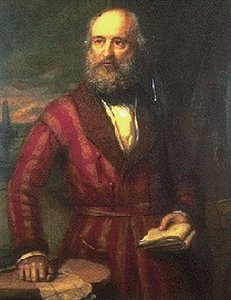
Charles Bird King
1785 - 1862 , Yhdysvallat
Lyhyesti esiteltynä
- Artistic Movement Or Style: Nederlandilainen vaikutus
- Artists Who Influenced This Artist:
- Edward Savage
- Benjamin West
- Date Of Birth: 1785
- Date Of Death: 1862
- Full Name: Charles Bird King
- Nationality: Amerikkalainen
- Notable Artworks:
- Stephen Decatur
- Hayne Hudjihini
- Itinerant Artist
- Place Of Birth: Newport, USA