

 Katso seinällä
 Lähetä
 Jaa
Jaa
 Tarkemmat tiedot
 Opas
Opas

 Lataa kuva
 Samanlaisia kohteita
 Röntgenkuvaus
 Diaesitys
 Tilastot
Venus and Amor
 Oil
Oil- WallArt
- Rococo Style
 1740
1740- Early Modern
 40.0 x 31.0 cm
 Kunsthalle Bremen
 Lue lisää
Giclée- ja taideprintit
Museolaatuisia giclée- tai kankaitaulun tulosteita nopealla tuotannolla ja joustavilla viimeistelyvaihtoehdoilla. ( Tilaa käsinmaalattu jäljennös Siirry digitaaliseen kuvaan)




P118B €10

P118H €10

P118W €10

P438Z €10

P508JH €12

P508YH €12

P805H €10

P805Z €10

P919BZ €10

P919G €10

P919XJ €10

P959ZH €10

P968JZ €12

W106C €8

W218G €10

W218JH €8

W218Y €10

W307PJ €10

W316G €10

W316PJ €8

W316Y €10

W398PJ €8

W4111J €10

W500HY €15

W500JH €15

W692G €12

W849H €8

W940BG €15

W953PJ €8




Valitse valmiista mitoistamme sellaiset, jotka vastaavat teoksen alkuperäisiä mittasuhteita.

Kirjoita tarvitsemasi leveys ja korkeus, jotta tuloste sopii kehyskokoon tai seinällesi. Tulostetta voidaan vain leikata, sitä ei voi koskaan tehdä suuremmaksi kuin alkuperäinen kuva, joten eri muotoinen koko aiheuttaa osan kuvasta katoamisen. Lähetämme sinulle digitaalisen mallikuvan hyväksyttäväksi ennen kuin aloitamme tulostuksen. Tällä sivulla näkyvä kuva ei näytä lopullista leikkausta — vain mallikuva näyttää sen.
Maailmanlaajuinen toimitus () 2 viikossa tavallisen 4–5 viikon sijaan. (21 lokakuu)

Ilmainen pikatoimitus ympäri maailman

Korkealaatuinen pellavakangas

Kattava kuljetusvakuutus

Tulliveron palautustakuu

Takuu täydellisestä värien vastaavuudesta

100 päivän palautusoikeus valmistusvirhetapauksissa

100% rahat takaisin -takuu

Määräalennus saatavilla
 Lasivaihtoehto on saatavilla vain alle 110 cm kokoisille teoksille

Venus and Amor
Giclée- ja taideprintit
Replikaatin koko
-


Kokonaishinta
€ 70
A Symphony of Tenderness: The Rococo Grace of Venus and Amor
In the soft, luminous glow of Charles André van Loo’s 1740 masterpiece, Venus and Amor, we are invited into a realm where divinity meets the most intimate of human emotions. This exquisite painting serves as a quintessential emblem of the Rococo era, a period defined by its departure from the heavy, dramatic shadows of the Baroque in favor of light, air, and an almost ethereal elegance. As the eye wanders across the canvas, it is immediately captured by the serene interaction between the goddess of love and her young cherub. Van Loo does not merely depict a mythological scene; he captures a profound moment of maternal reverence, where the celestial and the terrestrial dissolve into a single, breathless heartbeat of affection.
The composition is a masterclass in the Rococo aesthetic, characterized by its delicate balance and flowing, curvilinear lines. Venus rests upon a rugged yet soft-edged rocky outcrop, her posture suggesting a quiet, contemplative stillness. Her gaze, directed downward toward the infant Amor, radiates a protective warmth that transcends her divine status. This tender connection is mirrored in the surrounding landscape, where scattered birds flit through the air, adding a subtle sense of movement and life to the otherwise tranquil scene. The artist’s use of a pastel-driven palette—dominated by creamy whites, blush pinks, and muted, mossy greens—creates an atmosphere of dreamlike tranquility, making the artwork feel less like a static image and more like a fleeting, beautiful memory.
Masterful Technique and Symbolic Resonance
Beyond its surface beauty, Venus and Amor reveals a sophisticated technical prowess that continues to inspire collectors and decorators alike. Van Loo employs advanced glazing techniques, layering thin, translucent veils of paint to achieve a luminous, pearlescent quality on the skin of the figures. This method allows light to appear as if it is emanating from within the canvas itself, highlighting the soft textures of drapery and the delicate features of the cherub. Every brushstroke is intentional, contributing to an overall sense of refinement and luxury that was highly prized in the French courts of Louis XV.
Symbolically, the painting is rich with layers of meaning that resonate deeply with the themes of renewal and innocence. The presence of the birds serves as a metaphor for freedom and the cyclical nature of life, while the very choice of subject matter—the goddess of love nurturing her offspring—speaks to the universal sanctity of the maternal bond. For the discerning interior designer or art enthusiast, this piece offers more than just visual appeal; it provides an emotional anchor. Whether placed in a sun-drenched morning room or a sophisticated gallery space, a high-quality reproduction of this work brings with it an aura of classical sophistication and a timeless sense of peace, making it an incomparable centerpiece for any curated collection.
Kysymykset ja vastaukset
Onko Charles André van Loo teos "Venus and Amor" tekijänoikeudeltaan vapaa (public domain), ja miksi?
Charles André van Loo teos "Venus and Amor" on tekijänoikeusvapaa – sen tekijänoikeussuoja on päättynyt. Tekijänoikeusajat lasketaan taiteilijan kuolinvuodesta, ja Charles André van Loo kuoli vuonna 1765.
Kuinka vanha Charles André van Loo oli luodessaan "Venus and Amor" vuonna 1740?
Kun "Venus and Amor" luotiin vuonna 1740, Charles André van Loo (syntynyt 1705) oli 35 vuotias.
Miten voin löytää teoksia, jotka muistuttavat teosta Charles André van Loo:n "Venus and Amor"?
Teoksen Charles André van Loo:n "Venus and Amor" Samankaltaisia -sivu esittelee samankaltaisia teoksia.
Taiteilijan elämäkerta
Nuoruus ja taiteellinen koulutus
- Syntynyt: 15. helmikuuta 1705, Nizzassa, Ranska
- Taustaperhe: Louis-Abraham van Loon poika ja Jean-Baptiste van Loonin nuorempi veli. Hän kuului menestyvään hollantalaisten taidemaalareiden dynastiaan.
- Varhaiset opinnot: Alkuopetus Torinossa, jota seurasivat opiskeluvuodet Roomassa (1712) Benedetto Luti:n ja Pierre Legros'n alaisuudessa.
- Pariisin opinnot: Opiskeli Académie royale -akatemialla, jossa hän voitti ensimmäisen palkinnon piirtämisestä vuonna 1723 sekä historiallisesta maalaamisesta vuonna 1727.
Taiteellinen ura ja merkittävät teokset
- Tyyli: Tunnetaan ensisijaisesti rokokoo-maalarina, jonka tyylille ovat ominaisia eleganssi, sulavuus ja koristeellinen yksityiskohtaisuus.
- Aihepiiri: Monipuolinen valikoima, joka sisältää muotokuvia, mytologisia kohtauksia, historiallisia maalauksia, allegorioita ja genremalauksia.
- Merkittävät teokset:
- Venus ja Amor (Kunsthalle Bremen) – Osoittaa rokokoo-tyylin mestaruuden.
- Metsästystauko (The Metropolitan Museum of Art) – Tavoittaa aristokraattista elämäntapaa.
- Ranskan kuningatar Marie Leszczynskan muotokuva – Huomionarvoinen kuninkaallinen muotokuva.
- Jupiter ja Antiope – Esittelee mytologisia teemoja.
- Itsekuva – Tarjoaa näkymän taiteilijan omaan minäkuvaan.
- Perseus ja Andromeda (useita versioita) – Havainnollistaa taitoa kuvata klassista mytologiaa.
- Mademoiselle Clairon Medeana (pienoisversio) – Valloittava rokokoo-muotokuva vuodelta 1760.
Suojelus ja kuninkaallinen tunnustus
- Kuninkaallinen suojelus: Nautti Madame de Pompadour’n ja Ranskan hovin suosiota.
- Pyhän Mikaelin ritarikunta: Koronnettu Pyhän Mikaelin ritarikunnalla, mikä merkitsi kuninkaallista suosiota.
Vaikutteet ja perintö
- Perheen vaikutus: Sai voimakkaita vaikutteita isältään ja veljeltään, jotka molemmat olivat taitavia maalareita.
- Kilpailu: Kilpaili François Boucher’n kanssa, joka oli toinen merkittävä rokokoo-taiteilija.
- Moderni ranskalainen koulu: Hänen "tyylinsä yksinkertaisuus ja muotoilun tarkkuus" vaikuttivat merkittävästi moderniin ranskalaiseen maalauskouluun.
- Kritiikin kohtalo: Vaikka hänen kriittinen asemansa vaihteli ajan myötä, hänen taitonsa ja työnsä laajuus herättävät suurta kunnioitusta.
Museokokoelmat ja jatkotutkimus
- Museoiden kokoelmissa: Hänen teoksiaan on esillä merkittävissä museoissa, kuten Louvressa (Neitsyen häät), Kunsthalle Bremenissä ja The Metropolitan Museum of Artissa.
- Lisäresurssit:
- OriginalUniqueArtn Charles-André van Loo -sivu: https://www.OriginalUniqueArt.com/artists/charles-andre-van-loo/
- OriginalUniqueArtn kaikkien aikojen suurimmat taiteilijat -sivu: https://www.OriginalUniqueArt.com/greatest-artists
- OriginalUniqueArt Virtuaalimuseo: https://www.OriginalUniqueArt.com/
- Wikipedia-artikkeli: https://en.wikipedia.org/wiki/Charles-Andr%C3%A9_van_Loo
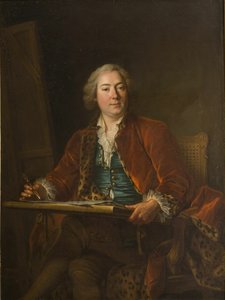
Charles André van Loo
1705 - 1765 , Ranska
Tietoa taiteilijasta
- Artistic Movement Or Style: Rokoko
- Artists Or Movements Influenced By This Artist: ['Modern Ranskan koulukunta']
- Artists Who Influenced This Artist:
- Benedetto Luti
- Pierre Le Gros
- Date Of Birth: Feb 15, 1705
- Date Of Death: July 15, 1765
- Full Name: Charles André van Loo
- Nationality: Ranskalainen
- Notable Artworks:
- Venus ja Amor
- Saalistuksen pysäkki
- Marie Leszczynska kruununprinssänna kasvot
- Place Of Birth: Nice, France
Aiheeseen liittyvät artikkelit

Rokokoon mestariteokset: Taidetta ja eleganssia kotiisi – OriginalUniqueArt.com
Uppoudu rokokoon maailmaan! Tutustu 10 mestariteokseen – Fragonard, Watteau ja muut. Taidetta, eleganssia & inspiraatiota kotiisi. Laadukkaat taideprintit OriginalUniqueArt.com:ssa. Explore the full collection online!
Sir Anthony van Dyck: Courtly Portraiture & the Shaping of Baroque Identity
Explore the life & legacy of Sir Anthony van Dyck, the leading court painter of his era. Discover his innovative portraiture, Baroque masterpieces, and investment potential for discerning collectors. Learn more at OriginalUniqueArt.

Alkuflaamilaisen maalauksen 10 mestariteosta – Taidetta kotiisi OriginalUniqueArtilta
Tutustu alkuflaamilaisen maalauksen 10 mestariteokseen – Jan van Eyckistä Hieronymus Boschiin. Taidetta, historiaa ja inspiraatiota kotiisi OriginalUniqueArtilta. Laadukkaat öljyvärimaalaukset ja sisustusehdotukset odottavat! Tutki kokoelma verkossa.

Rembrandtin mestariteokset: 25 taideteosta valokuvapainatuksina kotiisi | OriginalUniqueArt
Tutustu Rembrandtin 25 mestariteokseen – valokuvapainatuksina kotiisi! Uppoudu hollantilaisen kultakauden taiteeseen, varjoihin ja valoon. Löydä ikonisia muotokuvia ja historiallisia maalauksia OriginalUniqueArt.comista. Tutustu kokoelma!

Charles-André van Loo: A Study in Rococo Portraiture & the French Court's Artistic Dynamics
Explore the elegant world of Charles-André van Loo, a master of Rococo portraiture at the French court. Discover his life, techniques, and enduring influence on 18th-century art. Hand-painted reproductions available.


