Rococo · 1762
Self-Portrait (Charles André van Loo, 1762)
Charles André van Loo (1705–1765) on luonut teoksen Self-Portrait. Se on peräisin vuodelta 1762. Se kuuluu Rococo-liikkeeseen. Se on valmistettu materiaalilla Oil On Canvas. Teos sijaitsee Hermitage-museo -museossa paikassa Pietari, Venäjä. Koko on 88 × 72 cm.
- 1762
- Oil On Canvas
- 88 × 72 cm
- Hermitage-museo, Pietari

 Esikatselu

 Käsinmaalattu öljymaalaus
 Jaa teos
 Jaa
 Tiedot-arkki


 Lataa kuva
 Samanlaisia kohteita
 Röntgenkuvaus
 Diaesitys
 Kysymykset ja vastaukset

 Tilastot
Self-Portrait lyhyesti
- Otsikko
- Self-Portrait
- Taiteilija
- Charles André van Loo (1705–1765)
- Taiteilija syntynyt
- Nizza, Ranska
- Päivämäärä
- 1762
- Tekniikka
- Oil On Canvas
- Mitat
- 88 × 72 cm
- Missä teos on nähtävissä
- Hermitage-museo, Pietari, Venäjä
- Tyylisuunta
- Rococo
- Aihe
- portrait, self-portrait, rococo, dutch painting, 18th century, charles van loo
Mitä Self-Portrait esittää?
A Portrait of Inner Reflection: Charles-André van Loo’s “Self-Portrait”
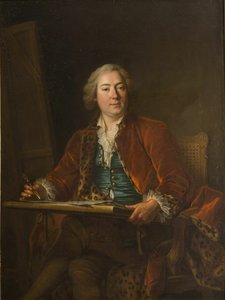
The year 1762 witnessed a pivotal moment in the artistic landscape of France – the creation of Charles-André van Loo's "Self-Portrait." More than simply a likeness, this painting is a carefully constructed meditation on identity, status, and the burgeoning Rococo aesthetic. Van Loo, a key figure within his family’s esteemed dynasty of painters, presents himself not as a flamboyant courtier or a heroic warrior, but as a thoughtful observer, subtly imbued with an air of quiet contemplation. The portrait immediately draws the eye to the artist's direct gaze, a deliberate act of engagement that invites the viewer into a private moment.
Van Loo’s style is quintessential Rococo – characterized by its delicate brushwork, pastel hues, and an emphasis on elegant ornamentation. He employs a loose, almost impressionistic technique, favoring soft transitions between light and shadow to create a sense of atmospheric depth. The rich fabrics of his suit—a deep burgundy velvet accented with gold embroidery—speak volumes about his position within the French court, while the subtle details – the meticulously rendered lace collar, the gleaming sword on his side – reinforce this image of refined authority. Yet, it’s not merely a display of wealth; these elements are presented with an understated grace that suggests a considered awareness of their symbolic weight.
The Context of 18th-Century Portraiture
To fully appreciate “Self-Portrait,” one must understand the evolving context of portraiture during the mid-18th century. Following the grandeur of the Baroque period, artists began to shift towards a more intimate and psychologically nuanced approach. The rise of the middle class fueled demand for portraits, but royal patronage continued to shape artistic trends. Artists like Van Loo were tasked with capturing not just physical likenesses, but also conveying an individual’s character and social standing. Van Loo's self-portrait reflects this trend – it is a carefully crafted statement about his identity as both artist and member of the elite.
Interestingly, the portrait predates the widespread popularity of the self-portrait as a genre. While artists had occasionally depicted themselves in various roles throughout history, Van Loo’s work stands out for its directness and lack of theatricality. He avoids overtly dramatic poses or elaborate settings, opting instead for a simple, uncluttered composition that focuses entirely on his own image. This deliberate restraint speaks to the artist's confidence and self-awareness – he is not seeking to impress, but rather to present himself honestly.
Symbolism and Emotional Resonance
Beyond its technical merits, “Self-Portrait” is rich in symbolic detail. The sword, a traditional emblem of power and authority, suggests Van Loo’s role as a court painter – a position that demanded both artistic skill and political savvy. However, the sword is not brandished aggressively; it rests calmly on his hip, hinting at a measured approach to wielding influence. The background—a plain wall—further emphasizes the artist's focus on himself, creating an aura of introspection.
Perhaps most powerfully, the painting evokes a sense of quiet contemplation. Van Loo’s gaze is direct and unwavering, yet there is also a hint of melancholy in his expression. It’s as if he is reflecting on his own life, his work, and the complexities of his position within society. The subtle shading around his eyes and mouth contributes to this feeling of emotional depth, inviting the viewer to share in his private thoughts. The painting isn't merely a representation of a man; it’s an invitation into his inner world.
A Timeless Masterpiece: Reproduction Possibilities
Charles-André van Loo’s “Self-Portrait” remains a captivating work of art, offering a rare glimpse into the mind and soul of a prominent 18th-century artist. High-quality reproductions capture the delicate brushwork and nuanced color palette that define this masterpiece. Whether displayed in a formal salon or a contemporary living space, this portrait continues to resonate with viewers today, reminding us of the enduring power of self-reflection and artistic expression. OriginalUniqueArt offers meticulously crafted hand-painted reproductions, allowing you to bring this timeless work into your home.
Missä museossa teos Self-Portrait on?
Hermitage-museo
Pietari, Venäjä
Hermitage-museon juuret ja historia Hermitage-museon tarina sai alkunsa vuonna 1764, kun Berliinistä hankittu 225 maalauksen kokoelma loi pohjan tälle suurelle kulttuuriperinnölle. Johann Ernst Gotzkowskyn keräämät teokset päätyivät Catherine Suuren käsiin, ja keisarinarinnan aloite loi samalla pysyvän jalansijan museolle Pietarin kaupungissa, Venäjällä. Nämä varhaiset hankinnat muodostivat ytimen sille, mitä tulee myöhemmin valtavaksi länsimaisen eurooppalaisen taiteen arkistoksi.


Self-Portrait korkearesoluutioiset kuvat
Charles André van Loo, Self-Portrait (1762), Hermitage-museo. Tekijänoikeudet vapaat.
Kysymyksiä teoksesta Self-Portrait, vastaukset
Missä teosta Charles André van Loo:n "Self-Portrait" voidaan tällä hetkellä nähdä?
Alkuperäinen Charles André van Loo:n "Self-Portrait" on osa Hermitage-museo, Pietari, Venäjä-museon kokoelmaa. Reproduktio mahdollistaa teoksen näyttämisen kotona.
Milloin teos Charles André van Loo:n "Self-Portrait" on luotu?
Teos Charles André van Loo:n "Self-Portrait" on valmistunut vuonna 1762.
Mitä tekniikkaa teoksessa Charles André van Loo:n "Self-Portrait" on käytetty?
Teoksen Charles André van Loo:n "Self-Portrait" tekniikka on Oil On Canvas. Vedosten tavoitteena on jäljitellä tämän tekniikan ulkoasua.
Mitkä ovat alkuperäisen "Self-Portrait" mitat?
Teoksen "Self-Portrait" alkuperäiset mitat ovat 88 x 72 cm. Alkuperäiset mitat ovat hyödyllinen vertailukohta, kun valitset reproduktion kokoa.
Mitä aiheita teoksessa Charles André van Loo:n "Self-Portrait" esiintyy?
Charles André van Loo:n "Self-Portrait" esittää: portrait, self-portrait, rococo, dutch painting, 18th century, charles van loo, mustache.
Onko teoksen Charles André van Loo:n "Self-Portrait" kuva vapaasti käytettävissä?
Tekijänoikeustiedot teokselle Charles André van Loo:n "Self-Portrait": teos on vapaasti käytettävissä – tekijänoikeussuoja on päättynyt. Tämä määrittää, voidaanko kuvasta tehdä vapaasti jäljennöksiä.
Kenen teokseksi "Self-Portrait" on merkitty?
"Self-Portrait" on Charles André van Loo:n luoma teos. Tällä sivulla olevat tiedot kuvaavat Charles André van Loo:n alkuperäistä työtä.
Mihin taidesuuntaukseen Charles André van Loo:n "Self-Portrait" kuuluu?
Charles André van Loo:n "Self-Portrait" kuuluu Rococo-suuntaukseen. Tämä tyylisuunta antaa teokselle sen tyylillisen kontekstin.
Mihin kohtaan Charles André van Loo uraa teos "Self-Portrait" sijoittuu?
"Self-Portrait" kuuluu Charles André van Loo uran Mature Period-vaiheeseen. Tämä luokittelu yhdistää teoksen taiteilijan kehitysvaiheeseen.
Tietoa taiteilijasta, Charles André van Loo
1705–1765, Ranska
Charles André van Loo
Nuoruus ja taiteellinen koulutus Syntynyt: 15. helmikuuta 1705, Nizzassa, Ranska Taustaperhe: Louis-Abraham van Loon poika ja Jean-Baptiste van Loonin nuorempi veli. Hän kuului menestyvään hollantalaisten taidemaalareiden dynastiaan. Varhaiset opinnot: Alkuopetus Torinossa, jota seurasivat opiskeluvuodet Roomassa (1712) Benedetto Luti:n ja Pierre Legros'n alaisuudessa.
Tietoa kohteesta Charles André van Loo Charles André van Loon merkittävimpiä teoksia
Myös Charles André van Loo -teoksia
 Spanish Concert (Spanish Сonversation)1754
 Aeneas Carrying Anchises1729
 Perseus and Andromeda1735
 The sultana1747
Esseitä teoksesta Self-Portrait
 Charles-André van Loo: A Study in Rococo Portraiture & the French Court's Artistic DynamicsExplore the elegant world of Charles-André van Loo, a master of Rococo portraiture at the French court. Discover his life, techniques, and …
 Kolmen kankaan tarina: Valinnan tunteellinen resonanssi ja identiteetin ilmentyminen taiteessaTutustu kolmen kankaan taiteen kiehtovaan maailmaan! Analysoimme Klimtin mestariteoksia ja paljastamme symboliikan. Asiantuntijoiden konsul…
 Reflecting the Self: A History of Portraiture & Psychological InsightExplore the fascinating history of self-portraiture from Renaissance masters like Dürer & Rembrandt to modern interpretations. Discover the…