

 Katso seinällä
 Lähetä
 Jaa
Jaa
 Tarkemmat tiedot
 Opas
Opas

 Lataa kuva
 Samanlaisia kohteita
 Röntgenkuvaus
 Diaesitys
 Tilastot
Saint Michael
 Acrylic On Canvas
- WallArt
- Late Gothic
 1476
1476 90.0 x 26.0 cm
 National Gallery
 Lue lisää
Giclée- ja taideprintit
Museolaatuisia giclée- tai kankaitaulun tulosteita nopealla tuotannolla ja joustavilla viimeistelyvaihtoehdoilla. ( Tilaa käsinmaalattu jäljennös Siirry digitaaliseen kuvaan)




P118B €10

P118H €10

P118W €10

P438Z €10

P508JH €12

P508YH €12

P805H €10

P805Z €10

P919BZ €10

P919G €10

P919XJ €10

P959ZH €10

P968JZ €12

W106C €8

W218G €10

W218JH €8

W218Y €10

W307PJ €10

W316G €10

W316PJ €8

W316Y €10

W398PJ €8

W4111J €10

W500HY €15

W500JH €15

W692G €12

W849H €8

W940BG €15

W953PJ €8




Valitse valmiista mitoistamme sellaiset, jotka vastaavat teoksen alkuperäisiä mittasuhteita.

Kirjoita tarvitsemasi leveys ja korkeus, jotta tuloste sopii kehyskokoon tai seinällesi. Tulostetta voidaan vain leikata, sitä ei voi koskaan tehdä suuremmaksi kuin alkuperäinen kuva, joten eri muotoinen koko aiheuttaa osan kuvasta katoamisen. Lähetämme sinulle digitaalisen mallikuvan hyväksyttäväksi ennen kuin aloitamme tulostuksen. Tällä sivulla näkyvä kuva ei näytä lopullista leikkausta — vain mallikuva näyttää sen.
Maailmanlaajuinen toimitus () 2 viikossa tavallisen 4–5 viikon sijaan. (21 lokakuu)

Ilmainen pikatoimitus ympäri maailman

Korkealaatuinen pellavakangas

Kattava kuljetusvakuutus

Tulliveron palautustakuu

Takuu täydellisestä värien vastaavuudesta

100 päivän palautusoikeus valmistusvirhetapauksissa

100% rahat takaisin -takuu

Määräalennus saatavilla
 Lasivaihtoehto on saatavilla vain alle 110 cm kokoisille teoksille

Saint Michael
Giclée- ja taideprintit
Replikaatin koko
-


Kokonaishinta
€ 70
A Vision of Heavenly Conflict
Carlo Crivelli's "Saint Michael," painted around 1476, isn’t merely a depiction of an angel battling a demon; it’s a meticulously crafted tableau of spiritual warfare, brimming with Renaissance artistry and profound symbolism. This panel, once part of a larger altarpiece intended for the church of San Domenico in Ascoli Piceno, Italy, immediately draws the eye into a dynamic scene where youthful Michael, radiating aristocratic beauty yet possessing an undeniable ferocity, confronts the writhing embodiment of evil beneath his feet. The composition isn’t simply about physical combat; it's a carefully orchestrated visual argument between order and chaos, light and darkness, good and sin.
Crivelli, deeply influenced by the Venetian artistic traditions of Vivarini and Mantegna, masterfully employs techniques that elevate this scene beyond simple religious illustration. Notice the masterful use of foreshortening – a signature element of Crivelli’s style – which dramatically compresses the space, pulling the viewer into the heart of the battle. The devil's head, positioned prominently at the bottom of the panel, is rendered with unsettling detail, highlighting his grotesque features and desperate struggle. Conversely, Michael’s face holds an expression of serene determination, a subtle contrast to the chaotic energy surrounding him.
The Archangel: A Symbol of Divine Authority
Saint Michael isn't just any angel; he is the Archangel, the chief warrior in God’s army. Within Christian iconography, he represents divine justice, protection, and victory over evil. The halo surrounding his head, a common symbol of holiness, emphasizes his elevated status. His armor, rendered with exquisite detail – polished metal reflecting light, intricate stitching – speaks to his martial prowess and unwavering commitment to defending humanity from demonic influence. The shield he holds aloft isn’t just a defensive tool; it's a visual declaration of God’s authority and Michael’s role as its representative.
Historically, the figure of Michael has deep roots in Jewish tradition, where he served as Israel’s protector and advocate. This connection is reflected in the painting’s composition – the devil beneath Michael isn't simply a monstrous foe; he represents the forces arrayed against God’s chosen people. The scene thus resonates with themes of faith, struggle, and ultimately, triumph over adversity—a narrative that has captivated audiences for centuries.
Renaissance Technique and Emotional Resonance
Crivelli's skill as a painter is evident in the meticulous rendering of textures – the smooth sheen of Michael’s armor, the rough scales of the devil, the folds of his garments. He utilizes tempera on poplar wood, a technique favored during this period for its luminosity and ability to capture intricate detail. The use of vibrant colors—rich blues, reds, and golds—further enhances the painting's visual impact, creating a sense of drama and intensity. Beyond technical mastery, Crivelli imbues the scene with an emotional resonance that transcends mere representation; it speaks to the timeless struggle between good and evil, hope and despair.
The panel’s enduring appeal lies in its ability to evoke both awe and contemplation. It's a reminder of humanity’s vulnerability in the face of darkness, but also of the unwavering strength and protection offered by divine grace. “Saint Michael” is more than just a painting; it’s a powerful testament to the enduring themes of faith, courage, and the eternal battle between light and shadow.
Kysymykset ja vastaukset
Miten voin löytää teoksia, jotka muistuttavat teosta Carlo Crivelli:n "Saint Michael"?
Teokset, jotka muistuttavat teosta "Saint Michael", löytyvät teoksen Samankaltaisia -sivulta.
Kuinka paljon valoa "Saint Michael" värit näyttävät heijastavan?
Teoksen "Saint Michael" värit heijastavat Soft Shadow luminanssia.
Miten teoksen Carlo Crivelli:n "Saint Michael" värikompositio on rakennettu?
Teoksen Carlo Crivelli:n "Saint Michael" värianalyysi osoittaa Bold kontrastin ja Strong Color Unity harmonian.
Taiteilijan elämäkerta
nuoruus ja taiteellinen koulutus
Italialainen renessanssimaalari Carlo Crivelli syntyi Venetsiaan noin vuosina 1430–1435. Hän kasvoi maalaajaperheessä ja sai taiteellisen muotonsa Venetsiassa sekä Paduassa. Uskotaan, että Crivellin varhaiset opit tapahtuivat Jacobello del Fioren alaisuudessa, joka oli vielä toiminnassa vuonna 1ään36. Hän opiskeli myös Venetsian Vivarinin koulussa.
ura ja tyyli
Crivelli vietti nuoruusvuotensa Veneto-alueella, missä hän imi vaikutteita Vivarinilta, Squarcionelta ja Mantegna. Vuoteen 1458 mennessä hän jätti Veneton ja vietti suurimman osan urastaan Anconan maakunnassa. Täällä hän kehitti omintakeisen tyylin, joka eroaa selvästi hänen venetsialaisen aikalaisensa, Giovanni Bellinin, tyylistä. Crivellin teoksia leimaa konservatiivinen myöhäisgotiikan koristeellisuus, jolle on ominaista lineaarisuus, äärimmäinen yksityiskohtien tarkkuus sekä silmänlumetta luova "trompe l'oeil" -tekniikka.
merkittävät teokset ja yhteistyö
* Carlo Crivellin maalaus "Madonna ja lapsi valtaistuimella" (106 x 55 cm, Budapestin taidemuseo, Unkari) on hänen tyylinsä erinomainen esimerkki. * Hän teki useita yhteistyöprojekteja nuoremman veljensä Vittorio Crivellin kanssa. * Pietro Alemanno, maalaaja joka muutti Anconan maakuntaan Saksasta tai Itävallasta, oli hänen oppilaansa ja yhteistyökumppaninsa.
museot ja kokoelmat
* Milanossa, Italiassa sijaitseva Pinacoteca di Brera esittelee useita Crivellin teoksia, mukaan lukien "Pietà" (128 x 241 cm). * Venetsiassa, Italiassa sijaitseva Museo San Giovanni in Bragora pitää yllään kokoelmaa eri aikakausien ja tyylien taideteoksia, joista osa on liitetty Crivelliin.
- katso Carlo Crivellin teoksia OriginalUniqueArt.com-sivustolla
- tutustu Jacopo Robustin teoksiin OriginalUniqueArt.com-sivustolla
- lue lisää Carlo Crivellistä Wikipediasta
Crivellin perintö jatkaa inspiroimista taiteen ystäviä ja tutkijoita, ja hänen työnsä säilyy todistuksena myöhäisgotiikan koristeellisen herkkyyden kestävästä voimasta.

Carlo Crivelli
1435 - 1495 , Italia
Tietoa taiteilijasta
- Artistic Movement Or Style: Myöhäisgotiikka/Renessanssi
- Artists Or Movements Influenced By This Artist: ['Giovanni Bellini']
- Artists Who Influenced This Artist:
- Jacobello del Fiore
- Vivarini
- Squarcione
- Mantegna
- Date Of Birth: n. 1430-35 Venetsia
- Date Of Death: n. 1495 Italia
- Full Name: Carlo Crivelli
- Nationality: italialainen
- Notable Artworks:
- Madonna ja lapsi
- Pyhä Bartolomeus
- Pyhä Roque
- Place Of Birth: Venetsia, Italia
Aiheeseen liittyvät artikkelit

Giovanni Fattori: Realism, Identity & the Tuscan Landscape – A Macchiaioli Master
Explore the life & art of Giovanni Fattori, a leading figure of the Macchiaioli movement. Discover his revolutionary realism, captivating Tuscan landscapes, and lasting impact on Italian painting. Learn more at OriginalUniqueArt.

Divine Nature: Exploring the Sacred Iconography and Masterpieces of Saint Francis
Embark on a profound journey through art history with our exploration of Saint Francis's most iconic works. Discover Giotto’s revolutionary frescoes and the spiritual depth of Proto-Renaissance masterpieces through an expert lens for the true classic art enthusiast.
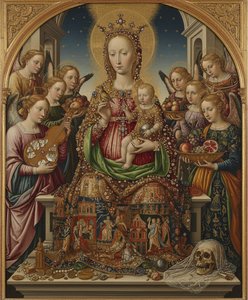
Carlo Crivelli: Mysticism & Materiality in Renaissance Venice
Explore the captivating world of Carlo Crivelli, a Renaissance master blending Gothic detail with profound symbolism. Discover his unique style & lasting influence on Venetian art history.
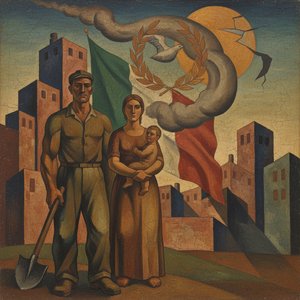
Mario Sironi: A Poetic of Modern Italian Identity Through Symbolism & Social Commentary
Explore the profound works of Mario Sironi, a key figure in Italian Modernism. Discover his evolution from Futurism to Metaphysical painting and his powerful social commentary. Learn about his legacy at OriginalUniqueArt.

Mastering Devotion: The Most Iconic Depictions of Saint Jerome in Art History
Explore the profound iconography of Saint Jerome through art history's most iconic masterpieces. From Renaissance serenity to Baroque drama, discover how legendary painters captured divine devotion in breathtaking oil paintings and fine art reproductions.

