Romantic Industrialization · 1823
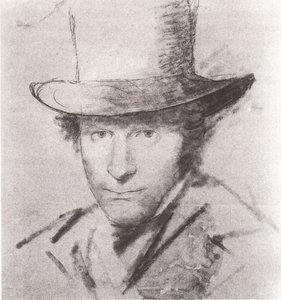
Self-Portrait (Karl Blechen, 1823)
Karl Blechen (1798–1840) on luonut teoksen Self-Portrait. Se on peräisin vuodelta 1823. Se kuuluu Romantic Industrialization-liikkeeseen. Se on valmistettu materiaalilla Acrylic. Teos sijaitsee Nationalgalerie -museossa paikassa Berliini, Saksa. Koko on 26 × 20 cm.
- 1823
- Acrylic
- 26 × 20 cm
- Nationalgalerie, Berliini

 Esikatselu

 Käsinmaalattu öljymaalaus
 Jaa teos
 Jaa
 Tiedot-arkki


 Lataa kuva
 Samanlaisia kohteita
 Röntgenkuvaus
 Diaesitys
 Kysymykset ja vastaukset

 Tilastot
Self-Portrait lyhyesti
- Otsikko
- Self-Portrait
- Taiteilija
- Karl Blechen (1798–1840)
- Taiteilija syntynyt
- Cottbus, Saksa
- Päivämäärä
- 1823
- Tekniikka
- Acrylic
- Mitat
- 26 × 20 cm
- Missä teos on nähtävissä
- Nationalgalerie, Berliini, Saksa
- Tyylisuunta
- Romantic Industrialization
- Aihe
- self-portrait, landscape painting, romanticism, german art, baroque style, artist’s vision
Mitä Self-Portrait esittää?
A Visionary Encounter with Industry’s Dawn
- Subject Matter: This striking self-portrait by Carl Blechen captures a contemplative gaze directed downwards, presenting an image of intellectual introspection amidst the burgeoning industrial landscape. The artist's posture exudes seriousness and thoughtfulness—a deliberate contrast to the prevailing Romantic preoccupation with sublime landscapes.
- Style: Blechen’s work exemplifies the Romantic Industrialization movement, marking a pivotal shift away from traditional artistic conventions. While rooted in Romantic ideals of emotion and imagination, he simultaneously confronts the realities of industrial progress with unflinching honesty. The portrait eschews idealized beauty for a psychologically nuanced depiction.
- Technique: Executed in black and white lithograph printing, Blechen skillfully employs tonal gradation to convey depth and texture. Lithography, a relatively new technique at the time, allowed for precise reproductions of detail—a testament to Blechen’s artistic vision and his willingness to experiment with innovative methods.
- Historical Context: Created in 1823, this portrait emerged during a period of intense social and intellectual ferment. The Industrial Revolution was reshaping Europe, prompting artists like Blechen to grapple with questions of modernity, alienation, and the human condition. It reflects a broader artistic dialogue concerning how nature and humanity coexist within an evolving world.
- Symbolism: Beyond its formal representation, the self-portrait carries symbolic weight. The downward gaze suggests introspection and contemplation—a desire to reconcile Romantic idealism with the tangible pressures of industrial society. Furthermore, the suit symbolizes professionalism and social responsibility, mirroring Blechen’s own aspirations as he navigated his artistic career.
Lithograph Printing: A Revolutionary Medium
The choice of lithograph printing was particularly significant for Blechen's time. Unlike oil paints or watercolor—the dominant mediums of the Romantic era—lithography offered unparalleled precision and tonal control. Developed in France during the preceding decade, it allowed artists to achieve photographic realism without resorting to camera obscura techniques. This method ensured that Blechen’s portrait would retain its intricate detail and expressive atmosphere for generations to come.Romantic Industrialization: Bridging Imagination and Reality
Blechen's artistic trajectory represents a fascinating intersection between Romantic idealism and the burgeoning realities of industrialization. While acknowledging the sublime beauty of nature—a hallmark of Romantic art—he simultaneously recognized its vulnerability to encroachment by technological advancements. This duality is powerfully conveyed in his self-portrait, prompting viewers to consider the complexities inherent in reconciling aesthetic ideals with societal transformations.Emotional Resonance: A Portrait of Quiet Contemplation
Ultimately, Blechen’s self-portrait transcends mere visual representation; it communicates a profound emotional resonance. The artist's gaze—directed downwards—suggests a preoccupation with internal reflection and a yearning for understanding amidst the turbulent currents of his era. It invites contemplation on themes of identity, purpose, and the enduring human spirit—a timeless message that continues to captivate audiences today.Missä museossa teos Self-Portrait on?
Nationalgalerie
Berliini, Saksa
Nationalgalerie Berlinin historia Nationalgalerie on olennainen osa Berliinin valtiomuseoita. Sen juuret kytkeytyvät kokoelmaan, joka tunnettiin alun perin nimellä Wagenersche und Nationalgalerie. Tämä perusta loi pohjan arkistolle, joka on omistettu 1800-, 1900- ja 2000-lukujen taiteelle.


Self-Portrait korkearesoluutioiset kuvat

Karl Blechen, Self-Portrait (1823), Nationalgalerie. Tekijänoikeudet vapaat.
Kysymyksiä teoksesta Self-Portrait, vastaukset
Missä teosta Karl Blechen:n "Self-Portrait" voidaan tällä hetkellä nähdä?
Alkuperäinen Karl Blechen:n "Self-Portrait" on osa Nationalgalerie, Berliini, Saksa-museon kokoelmaa. Reproduktio mahdollistaa teoksen näyttämisen kotona.
Milloin teos Karl Blechen:n "Self-Portrait" on luotu?
"Self-Portrait" on peräisin vuodelta 1823. Teoksen valmistumisajankohta sijoittaa sen Karl Blechen uran ja aikakauden kontekstiin.
Millä tekniikalla "Self-Portrait" on tehty?
Teoksen Karl Blechen:n "Self-Portrait" tekniikka on Acrylic. Vedosten tavoitteena on jäljitellä tämän tekniikan ulkoasua.
Mikä on Karl Blechen:n "Self-Portrait" todellinen koko?
Alkuperäisen teoksen Karl Blechen:n "Self-Portrait" mitat ovat 26 x 20 cm.
Mitä "Self-Portrait" esittää?
Teoksen "Self-Portrait" aiheina ovat self-portrait, landscape painting, romanticism, german art, baroque style, artist’s vision, psychological depth.
Onko teoksen Karl Blechen:n "Self-Portrait" kuva vapaasti käytettävissä?
Tekijänoikeuksien osalta teos "Self-Portrait" on vapaasti käytettävissä – tekijänoikeussuoja on päättynyt.
Kuka on teoksen "Self-Portrait" taiteilija?
Teoksen "Self-Portrait" taiteilija on Karl Blechen. Teos on luetteloitu Karl Blechen nimellä.
Mihin taidesuuntaukseen Karl Blechen:n "Self-Portrait" kuuluu?
"Self-Portrait" on Romantic Industrialization-tyylisuuntaan kuuluva teos. Tyylisuunta ilmaisee taiteellisen perinteen, johon teos kuuluu.
Mihin vaiheeseen Karl Blechenin kehityksestä "Self-Portrait" edustaa?
"Self-Portrait" edustaa taiteilijan Karl Blechen tuotantokautta Early Romanticism."
Tietoa taiteilijasta, Karl Blechen
1798–1840, Saksa
Karl Blechen
Varhaiset Vuodet ja Romantiikan Vaikutus Carl Eduard Ferdinand Blechen, syntynyt Cottbusissa Saksassa vuonna 1798, on ainutlaatuinen ja usein aliarvioitu hahmo maisemamaalauksen perinteessä. Hänen elämänsä oli täynnä taiteellista loistoa ja henkilökohtaisia myllerryksiä – kaksinaisuutta, joka syvästi muokkasi hänen herkkää ja uraauurtavaa työtään. Alun perin hänelle määrättiin käytännöllinen pankkiura perheen taloudellisten vaikeuksien vuoksi, mutta hänen sisäsyntyiset taiteelliset taipumuksensa lopulta voittivat. Hän aloitti opinnot Berliinin taideakatemiassa vuonna 1822 ja lähti tielle, joka teki hänestä yhden ensimmäisistä taiteilijoista, jotka tarttuivat varhaisen industrialisaation esteettisiin haasteisiin – ja mahdollisuuksiin.
Tietoa kohteesta Karl Blechen Karl Blechenn merkittävimpiä teoksia
Myös Karl Blechen -teoksia
 Sanssouci Palace1830
 The Interior of the Palm House on the Pfaueninsel Near Potsdam1834
 Tarantella1830
 Afternoon on Capri1829
Esseitä teoksesta Self-Portrait
 The Echo of Self: Reflectivity as a Core Theme in Art History & Contemporary PracticeExplore the rich history of self-representation in art, from Renaissance masters to modern innovators. Discover how artists use portraiture…
 The Inner Landscape: Exploring Themes of Introspection in Visual Art Across Movements & ErasExplore the captivating world of introspective art! Discover how artists across eras – from Rembrandt to Kahlo – used self-portraiture to r…
 Romantic Realism's Finest: 10 Masterpieces for Your Home | OriginalUniqueArtExplore 10 defining masterpieces of Romantic Realism! Discover Courbet, Millet & Daumier's powerful paintings—capturing emotion and social …