Esikatselu
 Jaa teos
 Jaa
Jaa
 Tiedot
 Opas
Opas

 Lataa kuva
 Samanlaisia kohteita
 Röntgenkuvaus
 Diaesitys
 Q&A
Q&A Tilastot
Death on a Pale Horse


 Lue lisää
Giclée- ja taideprintit
Museolaatuisia giclée- tai kankaitaulun tulosteita nopealla tuotannolla ja joustavilla viimeistelyvaihtoehdoilla. ( Osta käsinmaalattu taideteos Siirry digitaaliseen kuvaan)




P118B €10

P118H €10

P118W €10

P438Z €10

P508JH €12

P508YH €12

P805H €10

P805Z €10

P919BZ €10

P919G €10

P919XJ €10

P959ZH €10

P968JZ €12

W106C €8

W218G €10

W218JH €8

W218Y €10

W307PJ €10

W316G €10

W316PJ €8

W316Y €10

W398PJ €8

W4111J €10

W500HY €15

W500JH €15

W692G €12

W849H €8

W940BG €15

W953PJ €8




Valitse valmiista mitoistamme sellaiset, jotka vastaavat teoksen alkuperäisiä mittasuhteita.

Syötä tarvitsemasi leveys ja korkeus, jotta tuloste sopii kehyksiisi tai seinällesi. Tulostetta voidaan vain leikata, sitä ei voida koskaan suurentaa alkuperäistä kuvaa suuremmaksi, joten eri muotoinen koko aiheuttaa osan kuvasta katoamisen. Lähetämme sinulle digitaalisen mallikuvan hyväksyttäväksi ennen kuin aloitamme tulostuksen. Tällä sivulla näkyvä kuva ei näytä lopullista rajausta — vain mallikuva näyttää sen.
Maailmanlaajuinen toimitus () 2 viikossa tavallisen 4–5 viikon sijaan. (1 marraskuu)

Ilmainen pikatoimitus ympäri maailman

Korkealaatuinen pellavakangas

Kattava kuljetusvakuutus

Tulliveron palautustakuu

Takuu täydellisestä värien vastaavuudesta

100 päivän palautusoikeus (vain valmistusvirheet)

100% rahat takaisin -takuu

Määräalennus tarjolla
 Lasivaihtoehto on saatavilla vain alle 110 cm kokoisille teoksille

Death on a Pale Horse
Giclée- ja taideprintit
Replikaatin koko
-


Kokonaishinta
€ 71
The Genesis of Despair – Benjamin West’s “Death on the Pale Horse”
Benjamin West's "Death on a Pale Horse," painted in 1796, isn't merely a depiction of a biblical scene; it’s an immersive plunge into the heart of human anxiety and the sublime terror of impending doom. Born amidst the burgeoning intellectual currents of colonial America, West was a painter who defied easy categorization, seamlessly blending Neoclassical restraint with Romantic fervor. This particular work, one of three versions created around the same time, stands as a testament to his ability to capture not just outward appearances but also the profound emotional weight of historical and religious narratives. The painting’s genesis lies in the chilling verses of Revelation 6:7-8 – “And when he opened the fourth seal, I heard the voice of the fourth beast say, Come and see. And I looked, and behold a pale horse; and his name that sat on him was Death, and Hell followed with him.” West wasn’t simply illustrating scripture; he was grappling with the anxieties of his era – the turbulent political landscape of Europe, marked by revolution and war, and a growing sense of uncertainty about the future. The composition itself is deliberately chaotic, reflecting the apocalyptic imagery it portrays, yet grounded in a carefully constructed arrangement that draws the viewer into the maelstrom.
A Symphony of Darkness and Light – Technique and Style
West’s masterful technique elevates “Death on a Pale Horse” beyond a simple illustration. He employs a dramatic chiaroscuro—a stark contrast between light and shadow—to create an atmosphere thick with foreboding. The palette is dominated by deep, bruised purples, somber browns, and the sickly yellow of the pale horse itself, evoking a sense of decay and impending mortality. The figures are rendered with meticulous detail, their faces contorted in expressions of agony and despair, yet imbued with a haunting beauty. Notice particularly the angel on the left, his face etched with sorrow as he witnesses the carnage; his posture conveys both helplessness and profound grief. The use of loose brushstrokes in the background adds to the sense of movement and chaos, while more controlled strokes define the central figures, anchoring the scene within a framework of dramatic intensity. The painting’s scale—a monumental 447 cm x 764.5 cm—further amplifies its impact, enveloping the viewer in the horrifying spectacle.
Symbolism Woven into the Apocalypse – Horses, Angels, and Humanity
Beyond the immediate depiction of a battle between good and evil, “Death on a Pale Horse” is rich with symbolic meaning. The pale horse itself, ridden by Death, is the most potent symbol—a harbinger of destruction and decay. The accompanying figure of Hell, often depicted as a winged demon, reinforces this theme of ultimate annihilation. However, West doesn’t simply portray a passive victimhood; the painting also features angels engaged in fierce combat, representing the struggle between divine forces. The human figures scattered across the battlefield—some falling, some fleeing—represent humanity caught in the crossfire of cosmic conflict. The inclusion of various animals – horses, birds, and even a lion – adds layers of complexity to the symbolism, suggesting the indiscriminate nature of death and destruction. The overall effect is not merely a depiction of a single event but an exploration of universal themes of mortality, suffering, and the fragility of human existence.
A Legacy of Vision – Historical Context and Artistic Significance
“Death on the Pale Horse” emerged during a period of profound social and political upheaval in Europe. The French Revolution was raging, Napoleon’s armies were conquering vast territories, and anxieties about the future were widespread. West's painting reflects this atmosphere of uncertainty and fear, capturing the sense that order was collapsing and chaos reigned supreme. Furthermore, the work aligns with the broader artistic trends of the late 18th century, particularly the rise of the “Sublime”—a concept emphasizing awe-inspiring beauty combined with a sense of terror or dread. West’s painting exemplifies this aesthetic, evoking feelings of both fascination and horror in the viewer. It's considered one of his most significant works, alongside "The Death of General Wolfe" and "Benjamin Franklin Drawing Electricity from the Sky," solidifying his position as a pivotal figure in American art history. Reproductions of this powerful image continue to resonate with audiences today, reminding us of our shared vulnerability in the face of mortality.
Kysymykset ja vastaukset
Mihin käyttöön Benjamin West:n "Death on a Pale Horse" -teoksen reproduktio soveltuu?
Teoksen "Death on a Pale Horse" painosteelle suositeltu käyttötapa on Statement.
Onko olemassa teoksia, jotka muistuttavat teosta "Death on a Pale Horse"?
Teokset, jotka muistuttavat teosta "Death on a Pale Horse", löytyvät sen Samankaltaisia teoksia -sivulta.
Mistä löydän oppaan teokseen "Death on a Pale Horse"?
Opas teokseen "Death on a Pale Horse" on teoksen Opas -sivu – tulostettava tietolomake, joka sisältää teoksen kuvatekstin, tekijätiedot ja tunnistetaulukon (taiteilija, päivämäärät, tekniikka, alkuperäinen koko, kokoelma).
Taiteilijan elämäkerta
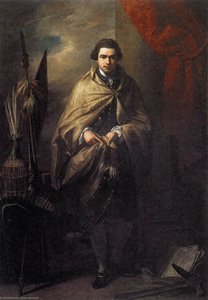
A Pioneer Bridging Worlds: The Life and Legacy of Benjamin West
Benjamin Westin elämä ja perintö ovat kiehtovaa tarinaa, joka yhdistää Amerikan ja Englannin taiteen ja kulttuurin. Syntynyt Pennsylvaniassa 1738, hän nousi merkittäväksi taidemaalariksi, joka ei ainoastaan omaksuisi Neoklassismin eleganssia, vaan myös omaksui romanttisen ajattelun voiman. Westin tarina on pohjimmiltaan kertomus itsenäisyydestä, kunnianhimosta ja kyvystä luoda siltoja eri maailmojen välille. Hänen varhaiset vuotensa Springfieldissä, pienessä majatalonpitäjän perheessä, olivat täysin erilaisia kuin hänen myöhemmät uransa huipputason elämä Lontoossa ja sen taideympäristössä. Westin ura alkoi hämärältä, mutta hän osoitti varhaisesta lahjakkuudestaan. Hän oppi maalaamaan pääasiassa itseoppimalla, mutta hänen intohimonsa ja taitonsa herättivät huomiota Philadelphiaan saakka. Siellä hän sai mahdollisuuden harjoitella tunnettujen taiteilijoiden, kuten William Williamsin ja Gustavus Hesseliuksen, johdolla. Tämä varhainen kokemus oli ratkaiseva hänen kehitykselleen, sillä se antoi hänelle pohjan, josta rakentaa oman tyylinsä. Westin päättäväisyys matkustaa Italiaan 1760-luvulla osoitti hänen intohimonsa taiteen ja kulttuurin ymmärtämiseen.From Italy to London: Forging a Path to Recognition
Italian matka oli Westin uralla käännekohta. Hän uppoutui italialaisten mestareiden, kuten Titianin ja Rafaelin, maailmaan ja tutustui aikalaisten neoklassisistisiin ajattelijoihin, kuten Anton Rafael Mengsiin ja Angelica Kauffmaniin. Tämä aika oli ratkaiseva hänen taiteellisen kehityksensä kannalta, sillä hän omaksui klassisen muodon ja historialliset tarinat. Kuitenkin Lontoo tuli lopulta hänen kotikaupunkinsa ja taidekeskuksensa. Saapuminen vuonna 1763 oli merkittävä hetki, joka vakiinnutti hänen asemansa brittiläisessä taidesuunnassa. Hän nopeasti nousi arvoasteikkoon, vangiten yleisön kunnianhimoisilla maalauksillaan ja varmistaen itselleen kuninkaallisen suosion Kuningas Yrjö III:n suostumuksella. Tärkeä hetki oli hänen valintansa Royal Academyn jäseneksi vuonna 1769, paikka, jota hän myöhemmin hallitsi presidenttinä vuosina 1792–1820. Hänen vaikutuksensa ulottui taiteen tuotoksen ulkopuolelle; West oli tukeva ja kannustava amerikkalaisten taiteilijoiden kannalta, jotka etsivät koulutusta Euroopasta, tarjoten ohjausta ja tukea useille tuleville maalareille.Revolutionizing Historical Painting: Technique and Controversy
Westin vaikutus taiteelliseen maailmaan ei ollut pelkästään teknisen mestaruuden saavuttamista; se oli myös historiallisten maalausten konventioiden haastamista. Hän uskalsi uudistaa historiallisia maalauksia, hyläten tiukan klassisen esikuvien noudattamisen ja omaksumalla romanttisen ajattelun voiman. The Death of General Wolfe (1770) on osoitus tästä vallankumouksellisesta lähestymistavasta. Kuvaamalla kaatuneen kenraalin ympärillä olevia henkilöitä *nykyajan* sotatakkeihin pukeutuneina, ei perinteisiin roomalaisiin asuihin, West herätti merkittävää keskustelua. Kriitikot kyseenalaistivat historialliset tarkkuudet, mutta yleisö oli lumoutunut kohtauksen välittömän ja tunteellisen resonanssin vuoksi. Tämä rohkea siirto merkitsi muutosta historiallisten maalausten suuntaan, vaikuttamalla lukemattomiin taiteilijoihin, jotka seurasivat hänen jälkiään. Hänen tyylinsä kehittyi ajan myötä, yhdistäen elementtejä romanttiseen tyyliin myöhemmissä teoksissaan, mutta säilyttäen samalla sitoutumisensa kunnianhimoiseen kompositioon ja yksityiskohtaiseen toteutukseen.Major Achievements and Lasting Legacy
Benjamin Westin perintö ulottuu taideteoksiensa yli. Hän muutti Amerikan taiteen maisemaa, perustamalla historiallisten maalausten genren kannattajaksi ja edistäen kansallista taiteellista identiteettiä. Hänen roolinsa Royal Academyn presidenttinä vahvisti hänen vaikutustaan brittiläiseen taiteeseen, edistäen innovointia ja tukien nousseita lahjakkuuksia.- Hän kannatti helpompaa ja tunteikkaampaa historiallisten esitysten tyyliä.
- Studio tuli turvapaikaksi amerikkalaisten taiteilijoiden keskuudessa, jotka etsivät koulutusta Euroopasta.
- Hän yhdisti neoklassisen ihanteet ja kehittyneen romanttisen liikkeen.

Benjamin West
1738 - 1820 , Yhdysvallat
Pähkinänkuoressa
- Artistic Movement Or Style: Neoklassismi, Romantiikka
- Artists Or Movements Influenced By This Artist:
- Allston
- Copley
- Morse
- Artists Who Influenced This Artist:
- Titian
- Raphael
- Mengs
- Date Of Birth: 1738-10-10
- Date Of Death: 1820-03-11
- Full Name: Benjamin West
- Nationality: Amerikkalainen
- Notable Artworks:
- Kuolema kenraali Wolfelle
- Thetis Antamaan panssaria
- Kolme sisarta
- Place Of Birth: Springfield, USA
Aiheeseen liittyvät artikkelit
The Noble Steed on Canvas: A Historical & Artistic Exploration of Horse Painting Across Cultures
Explore the rich history of horse painting! Discover masterpieces from Stubbs to Munnings & learn about symbolism, techniques & artists. Find museum-quality reproductions at OriginalUniqueArt.

Benjamin West: Transatlantic Ambition & Shaping American Art
Explore the life & legacy of Benjamin West, pioneering American artist and Royal Academy president. Discover his Neoclassical masterpieces, transatlantic influence, and lasting impact on art history. Learn more at OriginalUniqueArt.

The Equine Muse: A Historical & Artistic Exploration of Horses in Painting
Explore the captivating history of horses in painting! Discover Renaissance masterpieces, Baroque grandeur & expert insights for collecting equestrian art. Learn about symbolism, techniques & lasting value with OriginalUniqueArt.
The Noble Steed: A Historical and Artistic Exploration of Horses in Fine Art
Explore the rich history of horses in fine art! From ancient depictions to Renaissance masterpieces & beyond, discover iconic artworks and artists. Learn about symbolism, techniques, and find museum-quality reproductions at OriginalUniqueArt.

Top 10 Maalausta: Pale Goldenrod - Sävyjen mestariteoksia kotiisi | OriginalUniqueArt
Tutustu 10 tunnettuun maalaukseen, joita hallitsee pale goldenrod -sävy! Impressionismista postimpressionismiin – löydä taiteilijoiden tarinat ja inspiroi sisustusta OriginalUniqueArt.com:ssa. Laadukkaat kopiot ja kuratoidut kokoelmat odottavat. Explore the full collection online!