
 Esikatselu
 Jaa teos
 Jaa
Jaa
 Tiedot
 Opas
Opas

 Lataa kuva
 Samanlaisia kohteita
 Röntgenkuvaus
 Diaesitys
 Kysymykset ja vastaukset
 Tilastot
Fruits and Shells on a Ledge

- 37.0 x 51.0 cm


 Lue lisää
Giclée- ja taideprintit
Museolaatuisia giclée- tai kankaitaulun tulosteita nopealla tuotannolla ja joustavilla viimeistelyvaihtoehdoilla. ( Osta käsinmaalattu taideteos Siirry digitaaliseen kuvaan)




P118B €10

P118H €10

P118W €10

P438Z €10

P508JH €12

P508YH €12

P805H €10

P805Z €10

P919BZ €10

P919G €10

P919XJ €10

P959ZH €10

P968JZ €12

W106C €8

W218G €10

W218JH €8

W218Y €10

W307PJ €10

W316G €10

W316PJ €8

W316Y €10

W398PJ €8

W4111J €10

W500HY €15

W500JH €15

W692G €12

W849H €8

W940BG €15

W953PJ €8




Valitse valmiista mitoistamme sellaiset, jotka vastaavat teoksen alkuperäisiä mittasuhteita.

Syötä tarvitsemasi leveys ja korkeus, jotta tuloste sopii kehyksiisi tai seinällesi. Tulostetta voidaan vain leikata, sitä ei voida koskaan suurentaa alkuperäistä kuvaa suuremmaksi, joten eri muotoinen koko aiheuttaa osan kuvasta katoamisen. Lähetämme sinulle digitaalisen mallikuvan hyväksyttäväksi ennen kuin aloitamme tulostuksen. Tällä sivulla näkyvä kuva ei näytä lopullista rajausta — vain mallikuva näyttää sen.
Maailmanlaajuinen toimitus () 2 viikossa tavallisen 4–5 viikon sijaan. (9 marraskuu)

Ilmainen pikatoimitus ympäri maailman

Korkealaatuinen pellavakangas

Kattava kuljetusvakuutus

Tulliveron palautustakuu

Takuu täydellisestä värien vastaavuudesta

100 päivän palautusoikeus (vain valmistusvirheet)

100% rahat takaisin -takuu

Määräalennus tarjolla
 Lasivaihtoehto on saatavilla vain alle 110 cm kokoisille teoksille

Fruits and Shells on a Ledge
Giclée- ja taideprintit
Replikaatin koko
-


Kokonaishinta
€ 72
A Microcosm of Abundance: The Luminous World of Balthasar van der Ast
To gaze upon Balthasar van der Ast’s “Fruits and Shells on a Ledge” is to step through a portal into the heart of the Dutch Golden Age. Painted around 1630, this masterpiece is far more than a mere arrangement of inanimate objects; it is a meticulously orchestrated symphony of texture, light, and life. The canvas presents an opulent assembly of nature’s finest offerings—plump apples, vibrant oranges, deep plums, and the exotic curve of bananas—resting alongside a collection of seashells that whisper of distant, sun-drenched shores. Through his unparalleled skill, van der Ast transforms a simple stone ledge into a stage where the natural world performs its silent, breathtaking drama.
The painting serves as a profound reflection of the 17th-century Dutch spirit, an era defined by scientific curiosity and burgeoning global connections. During this period, the reach of the Dutch East India Company brought treasures from far-flung corners of the earth to the ports of Zeeland and beyond. The inclusion of exotic shells and tropical fruits was not merely a display of wealth, but a celebration of discovery and the expanding horizons of the human experience. Yet, amidst this display of prosperity, there is a poignant layer of vanitas—a subtle reminder of the fleeting nature of existence. As tiny insects buzz around the ripening fruit, the artist invites us to contemplate the delicate balance between the permanence of art and the ephemeral beauty of life itself.
Mastery of Light and Tactile Realism
What distinguishes this work for the discerning collector is van der Ast’s extraordinary command over technique. He employs a method of painstaking oil layering and subtle glazing that grants the surface an almost tactile luminosity. One can almost feel the cool, smooth skin of the apples, the rough, calcified ridges of the seashells, and the delicate, velvety softness of the single rose blossom that balances the composition. The artist utilizes atmospheric perspective to create a sense of profound depth, subtly shifting tones to pull the viewer into the scene, making the ledge appear as though it projects physically into our own space.
The lighting is equally masterful, emanating from an unseen source on the left to cast soft, defining shadows that sculpt each object with precision. This interplay of light and shadow creates a rhythmic movement across the canvas, guiding the eye from the dense, colorful cluster of fruit on the left toward the more tranquil, open space on the right. For those seeking to incorporate such a piece into a curated interior, its muted palette of greens, ochres, and deep reds offers a sophisticated anchor, providing both a sense of historical gravity and a timeless aesthetic elegance that complements both classical and contemporary decor.
An Invitation to Contemplation
Beyond its technical brilliance, “Fruits and Shells on a Ledge” possesses an emotional resonance that transcends centuries. It evokes a sense of quietude and reverence for the natural order. There is no overt narrative or loud drama; instead, there is a meditative stillness that encourages the viewer to slow down and observe the intricate details of the universe. Whether viewed as a celebration of botanical beauty or a philosophical meditation on time, the painting remains an enduring icon of Dutch excellence.
For art lovers and interior designers alike, owning a high-quality reproduction of this work means bringing more than just decoration into a room; it means inviting a piece of history, a sense of abundance, and a profound moment of reflection into the everyday environment. It is a testament to the idea that true beauty lies in the meticulous observation of the world around us.
Kysymykset ja vastaukset
Mistä voin ostaa digitaalisen kuvan teoksesta Balthasar Van Der Ast:n "Fruits and Shells on a Ledge"?
Saadaksesi teoksen Balthasar Van Der Ast:n "Fruits and Shells on a Ledge" digitaalisen tiedoston, tilaa korkearesoluutioinen digitaalinen kuvalataus sen Digitaalinen teos -sivulta.
Miten kontrasti ja harmonia yhdistyvät teoksessa "Fruits and Shells on a Ledge"?
Teoksessa "Fruits and Shells on a Ledge" Serene kontrasti ja Softly Mixed Palette harmonia kohtaavat.
Mikä on teoksen Balthasar Van Der Ast:n "Fruits and Shells on a Ledge" hallitseva väri?
Gray (#67655c) on Balthasar Van Der Ast:n "Fruits and Shells on a Ledge" -teoksen hallitseva väri.
Taiteilijan elämäkerta
Pienoisuniversumin mestari: Balthasar van der Ast
Seitsemäntähdsatkannen Alankomaiden kultaisessa valossa, aikakaudella, jota määrittivät ennennäkemätön vauraus ja tieteellinen uteliaisuus, Balthasar van der Ast nousi pienen mittakaavan mestariteosten virtuoosiksi. Middelburgissa noin vuonna 1593 syntynyt van der Ast ei ainoastaan maalannut esineitä; hän sävelsi hiljaisia draamoja kankaalle. Hänen elämänsä oli syvästi kietoutunut Zeelandin kukoistavaan kauppakulttuuriin, sillä hän oli menestyneen villakauppiaan Hans van der Astin poika. Tämä tausta tarjosi hänelle muutakin kuin sosiaalista vakautta; se antoi varhaisen läheisyyden eksoottisiin tavaroihin ja arvokkaisiin näytteisiin, joista tulisi myöhemmin hänen kuuluisien asetelmien päähenkilöitä.
Hänen taiteellisen sielunsa suuntaa muovasi peruuttamattomasti yhteys Bosschaert-dynastiaan. Perhesiteen kautta van der Astista tuli legendaarisen Ambrosius Bosschaert vanhemman, hänen isänsä adoptiovaimon pojan, suojatti. Tämän opastuksen alla hän hallitsi "kukka-asetelman" vaatiman äärimmäisen tarkkuuden, tyylilajin, joka vaati lähes mikroskooppista havainnointikykyä. Tämä erinomaisuuden perintö antoi hänelle mahdollisuuden hioa tekniikkaa, jota leimasivat hienovaraiset sävyvaihtelut ja syvä kunnioitus luonnon fyysistä tekstuuria kohtaan. Hän ei ollut yksin tässä täydellisyyden tavoittelussa; yhdessä appulaistensa kanssa hän oli mukana kehittämässä tyylisuuntausta, joka painotti valon ja varjon herkkää vuorovaikutusta ja muutti yksinkertaiset kasvitieteelliset tutkimukset syvällisiksi pohdiskeluiksi olemassaolosta.
Simpukoiden ja kukkien sinfonia
Vaikka monet hänen aikalaistensa taiteilijat keskittyivät ainoastaan kukkien katoavaiseen kauneuteen, van der Ast saavutti historiallisen kuolemattomuuden uraauurtavissa tutkimuksissaan konkologiassa. Hänestä tuli simpukkapuun maalaamisen edelläkävijä, käsitellen mereneläinten kalkkeutuneita jäänteitä samalla hartaudella kuin pehmeintä terälehteä. Teoksissa, kuten "Still-Life with Plums, Cherries, and Shells", voi todistaa eri tekstuurien henkeäsalpaavan liiton: hedelmien mehukkaan ja läpikuultavan kuoren vastakohtana toimivat eksoottisten simpukoiden kovat, helmiäismäiset pinnat. Tämä kiehtovuus ei ollut pelkästään esteettistä; se heijasti aikakauden kasvavaa tieteellistä kiinnostusta luonnontieteisiin ja hollantilaisen merenkaupan globaalia ulottuvuutta.
Hänen kompositiot toimivat usein paljon enemmän kuin pelkkinä vaurauden tai kasvitieteellisen tarkkuuden esityksinä. Van der Astin maalausta tarkasti katsominen on vuorovaikutuksessa monimutkaisen symboliikan verkoston kanssa, joka juontaa juurensa humanistiseen filosofiaan. Hänen asetelmissaan saattaa löytää:
- Elämän katoavaisuuden: Esitettynä kuihtuvien terälehtien tai hyönteisten kautta, jotka kuluttavat juuri sitä kauneutta, jossa ne elävät.
- Tieteellisen havainnoinnin: Lajien huolellinen tallentaminen, mikä heijastaa löytöretkien aikaa ja aikakauden janoa tiedolle.
- Vanitas-teemat: Hienovaraiset muistutukset kuolevaisuudesta, joissa hedelmien mätäneminen toimii koskettavana memento morina.
Perintö ja taiteellinen merkitys
Balthasar van der Astin vaikutus ulottui paljon kauemmas kuin hänen oma ateljeensa Utrechtissa. Toivottamalla taiteilijoita, kuten Roelandt Saveryn, paikalliseen killan piiriin, hän auttoi luomaan ympäristön, jossa sävyjen rikkaus ja realismi saivat kukoistaa. Hänen kykynsä täyttää elottomat esineet elämän tunteella – laatu, joka näkyy hänen kuvauksissaan hedelmien keskellä kiipeävissä liskoissa ja hyönteisissä – asetti uuden standardin hollantilaiselle kultakaudelle. Hän siirsi asetelmalajia staattisesta sommittelusta kohti dynaamisempaa, hengittävää todellisuutta.
Nykyään hänen teoksensa ovat maailmanlaajuisten museokokoelmien kulmakiviä, British Museumista Euroopan suurimpiin gallerioihin. Hänen perintönsä löytyy jokaisesta siveltimenvedosta, joka vangitsee kastepisaran lehdellä tai simpukankuoren helmiäisen hohdon. Balthasar van der Ast säilyy Stilleven jättiläisenä, taiteilijana, joka opetti maailmalle löytämään äärettömyyden pienimmästäkin asiasta ja muutti luonnon maailman vaatimattomat esineet kauneuden ikonisiksi symboleiksi.

Balthasar Van Der Ast
1593 - 1657 , Alankomaat
Pähkinänkuoressa
- Artistic Movement Or Style: Kultakauden maalaus
- Artists Or Movements Influenced By This Artist: Hollantilainen barokki
- Artists Who Influenced This Artist: Ambrosius Bosschaert
- Date Of Birth: 1593
- Date Of Death: 1657
- Full Name: Balthasar van der Ast
- Nationality: Hollantilainen
- Notable Artworks:
- Hedelmiä ja simpukoita kielekkeellä
- Tulppaani
- Lisko ja simpukka
- Place Of Birth: Middelburg, Alankomaat
Aiheeseen liittyvät artikkelit
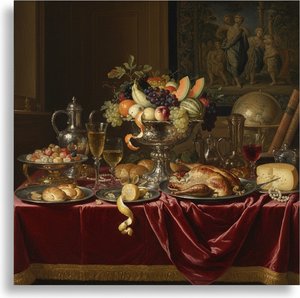
Abraham Hendricksz van Beyeren: Pioneering Dutch Still Life & the Banquet Tradition
Explore the captivating world of Dutch Golden Age still life with Abraham van Beyeren. Discover his innovative techniques, symbolic banquet scenes & lasting influence on art history. Learn about collecting these masterpieces.

Golden Light & Dutch Skies: The Timeless Magic of Dutch Golden Age Landscapes
Discover the breathtaking beauty of Dutch Golden Age landscapes. Explore the mastery of light, chiaroscuro, and 17th-century realism through an expert art history lens, celebrating the enduring legacy of the Dutch Masters for discerning collectors and art lovers.

Rembrandtin mestariteokset: 25 taideteosta valokuvapainatuksina kotiisi | OriginalUniqueArt
Tutustu Rembrandtin 25 mestariteokseen – valokuvapainatuksina kotiisi! Uppoudu hollantilaisen kultakauden taiteeseen, varjoihin ja valoon. Löydä ikonisia muotokuvia ja historiallisia maalauksia OriginalUniqueArt.comista. Tutustu kokoelma!

Golden Age Reflections: Dutch Baroque Painting & Cultural Innovation
Explore the Dutch Golden Age of painting! Discover key artists like Vermeer & ter Borch, their innovative techniques, and the rich cultural context behind these Baroque masterpieces. Learn about collecting & appreciating this iconic art period.

Hollantilaisen kultakauden 10 mestariteosta – Taidetta kotiisi OriginalUniqueArt.com
Uppoudu hollantilaisen kultakauden taiteen maailmaan! Tutustu Rembrandtin, Vermeerin ja muiden mestareiden ikonisiin maalauksiin. Löydä inspiraatiota kotiisi OriginalUniqueArt.com:ista – laadukkaat taidevedokset ja sisustustaulut jokaiseen tilaan. Explore the full collection online!