

 Esikatselu
 Jaa
Jaa Jaa
Jaa
 Tarkemmat tiedot

 Lataa
Lataa
 Samanlaisia
 Röntgenkuva
 Diaesitys
Eagle with Snake
 Southwestern Native American Art
 1930
1930 29.0 x 36.0 cm
 Näytä lisää
Osta korkearesoluutioinen, parannettu digitaalikuva, joka on laadultaan huomattavasti parempi kuin verkkosivuston esikatselu.
Jokainen tiedosto valmistellaan huolellisesti omien asiantuntijoidemme toimesta käyttäen edistyneitä työkaluja ja ammattitaitoista manuaalista retusointia. Varmistamme, että jokaisessa kuvassa on poikkeuksellinen selkeys, tarkka värintoisto ja hienovaraiset yksityiskohdat.
Lopputiedosto toimitetaan sähköpostitse 72 tunnin kuluessa, ja se on optimoitu välittömään käyttöön ammattimaisissa, toimituksellisissa ja painoympäristöissä. Laatu on sama, johon huipputason suunnittelustudiot, kustantajat ja galleriat luottavat.
Digitaalinen kuva
Lataa korkearesoluutioinen tiedosto henkilökohtaiseen näyttelyyn, tulostamiseen ja luoviin projekteihin. ( Osta printti Osta käsintehty maalaus)
Sisältyy jokaiseen digitaalisen kuvan tilaukseen
Asiantunteva digitaalinen toimitus, taattuun laatuun
Kun valitset OriginalUniqueArt.com-palvelun, et saa vain kuvaa – saat ammattimaisesti parannetun digitaalisen taideteoksen, joka on luotu tarkkuudella ja jonka takaa tulee tyytyväisyystakuu. Tässä on kaikki, mitä tilauksesi sisältää, automaattisesti:

Nopea digitaalinen toimitus
Korkearesoluutioinen digitaalinen kuvatiedostosi lähetetään sähköpostiisi 72 tunnin kuluessa tilauksesta – valmiina käytettäväksi välittömästi.

Tekoälyllä parannettu digitaalinen tiedosto
Taiteilijasi teos on optimoitu ammattimaisesti edistyneiden tekoälytyökalujen ja manuaalisen muokkauksen avulla, mikä takaa maksimaalisen yksityiskohtaisuuden, selkeyden ja väritarkkuuden.

Ilmainen elinikäinen uudelleenlähetyspalvelu
Oletko vahingossa poistanut tai kadottanut tiedostosi? Ei hätää – lähetämme sen sinulle uudelleen milloin tahansa täysin maksutta.

Ei tuontimaksuja – koskaan
Nauti taiteestasi välittömästi ilman tulleja, veroja tai toimitusmaksuja – digitaaliset lataukset ovat aina verovapaita.

Värintoiston tarkkuustakuu
Varmistamme, että digitaalinen kuvasi vastaa alkuperäisiä värejä mahdollisimman tarkasti käyttämällä ammattilaistason työkaluja ja värinhallintaa.

60 päivän tyytyväisyystakuu
Jos et ole tyytyväinen digitaaliseen kuvaasi, muokkaamme sitä tai palautamme 100% takaisin 60 päivän kuluessa – ilman kysymyksiä.

100% Rahat takaisin -takuu
Etkö ole tyytyväinen? Saat täyden hyvityksen 60 päivän kuluessa digitaalisen tiedostosi vastaanottamisesta – ilman kyselyitä.

Suurtilaaja-alennukset
Osta 3 kuvaa, säästä 10% - Osta 5, säästä 15% - Osta 10+, säästä 20%. Erinomainen valinta luoviin projekteihin, gallerioille ja toimistoille.
Taiteilijan elämäkerta
Awa Tsireh: A Pioneer of San Ildefonso Painting
Born in 1898 into the heart of the San Ildefonso Pueblo, Awa Tsireh (also known as Alfonso Roybal and Cattail Bird) emerged as one of the most significant figures in Southwestern Native American art. His journey was not one of formal academic training—he left school after grade school—but rather a deeply rooted apprenticeship within his culture, honed through observation, familial tradition, and the guidance of influential mentors. This self-taught approach, combined with a keen eye for detail and a profound connection to Pueblo cosmology, shaped an artistic style that remains both strikingly modern and profoundly evocative.
Early influences were subtle yet formative. His mother, Alfonsita Martinez, was a skilled potter, and Awa Tsireh is believed to have learned the fundamentals of design and imagery directly from her work. His uncle, Cresencio Martinez, further nurtured his artistic sensibilities by creating watercolor paintings depicting dances and animals—a practice that provided Awa Tsireh with invaluable experience in capturing movement and narrative within a small format. Crucially, he benefited from the instruction of Elizabeth Willis DeHuff, an educator who recognized his talent and offered him access to paints and paper, fostering a nascent artistic voice.
A pivotal moment arrived in 1917 when American artist William Penhallow Henderson, captivated by Awa Tsireh’s burgeoning skills, painted a portrait of the young artist. This image, now held by the New Mexico Museum of Art, stands as a testament to Henderson's recognition of Awa Tsireh’s potential and marked the beginning of his exposure to the wider art world. Alice Corbin Henderson, William’s wife, became a devoted patron, championing his work and providing him with essential resources, including access to high-quality materials and studio space.
The Intersection of Tradition and Modernism
Awa Tsireh's artistic development was characterized by a fascinating dialogue between traditional Pueblo aesthetics and the burgeoning modernist movement in America. He skillfully blended geometric patterns—a hallmark of Pueblo design—with bold colors, simplified forms, and a distinctly linear style. This synthesis created a visual language that was both deeply rooted in his cultural heritage and refreshingly contemporary.
His work frequently depicted scenes from daily life within the Pueblo community: ceremonial dances, hunting expeditions, and intimate moments of family interaction. These subjects were rendered with remarkable precision and symbolic depth. Awa Tsireh’s use of color—particularly vibrant reds, yellows, and blues—was particularly striking, creating a dynamic visual experience that drew viewers in. He was not simply documenting reality; he was translating it into a powerful visual language imbued with spiritual significance.
A Diverse Artistic Practice
While primarily known for his watercolors, Awa Tsireh’s artistic practice extended far beyond this medium. He demonstrated remarkable versatility, working in silver and gemstone art, creating intricate jewelry and decorative objects. His silversmithing skills were particularly noteworthy, reflecting a deep understanding of form and texture. Newspaper articles from the early 1930s consistently described him as a painter, silversmith, and even a dancer—a testament to his multifaceted talents and his ability to seamlessly integrate different artistic disciplines.
A significant chapter in Awa Tsireh’s career unfolded during the summer months when he sought employment at Garden of the Gods Trading Post in Colorado Springs. This extended period of residency provided him with a steady income, access to a wider audience, and opportunities to refine his craft. The trading post became a hub for Native American artists from across the Southwest, fostering a vibrant exchange of ideas and techniques.
Legacy and Recognition
Awa Tsireh’s work gained increasing recognition throughout the 1930s and 40s, culminating in exhibitions at prestigious venues such as the Arts Club of Chicago and the Museum of Modern Art in New York City. His paintings were celebrated for their originality, technical skill, and profound connection to Native American culture. The Smithsonian American Art Museum currently holds a significant collection of his works, ensuring that his artistic legacy will continue to be appreciated for generations to come.
His influence extends beyond the realm of art history. Dr. Edgar Lee Hewett, a pioneering anthropologist and museum director, played a crucial role in supporting Awa Tsireh’s artistic development, providing him with studio space and advocating for his work within the broader cultural community. Awa Tsireh's story exemplifies the power of patronage, mentorship, and the enduring value of preserving and celebrating Native American artistic traditions.
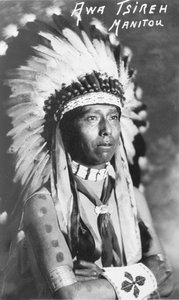
Awa Tsireh
1898 - 1955
Lyhyesti esiteltynä
- Artistic Movement Or Style: San Ildefonso Self-Taught
- Artists Or Movements Influenced By This Artist: ['Modernism']
- Artists Who Influenced This Artist: ['Elizabeth DeHuff']
- Date Of Birth: February 1, 1898
- Date Of Death: March 30, 1955
- Full Name: Awa Tsireh (Alfonso Roybal)
- Nationality: American (Pueblo)
- Notable Artworks:
- Running Horse
- Deer Dancer
- Place Of Birth: San Ildefonso Pueblo, NM

