
 Esikatselu
 Jaa teos
 Jaa
Jaa
 Tiedot
 Opas
Opas

 Lataa kuva
 Samanlaisia kohteita
 Röntgenkuvaus
 Diaesitys
 Q&A
Q&A Tilastot
At the Garden Table


 Lue lisää
Saat tulostusvalmiin tiedoston, jonka laatu ylittää verkkonäkymän huomattavasti. Jokainen myymämme digitaalinen kuva on peräisin arkistomme korkearesoluutioisesta mestariteoksesta — yleensä 5 000–15 000 pikselin levyisenä — joten voit tulostaa suuria kokoja, rajata tiukasti tai toistaa hienovaraiset yksityiskohdat luottavaisin mielin.
Mikään tiedosto ei lähde studiostamme muuttamatta. Digitaalinen asiantuntija vertaa värejä alkuperäiseen maalaukseen ja korjaa niitä tarvittaessa, minkä jälkeen hän parantaa kuvan selkeyttä ja yksityiskohtia ammattimaisilla retusointityökaluilla — säilyttäen aina uskollisena taiteilijan siveltimenjäljen ja tyylin. Lopputuloksena on kuva, joka näyttää maalaukselta, eikä suodatetulta skannaukselta.
Hyväksyt työn ennen valmistumistaan: asiantuntijamme lähettää kuvan tarkistettavaksi sähköpostitse 72 tunnin kuluessa. Etkö ole tyytyväinen? Pyydä parannuksia tai korjauksia, tai pyydä hyvitystä, mikäli laatu ei vastaa odotuksia.
Tämä on laatua, johon kustantamot, design-studiot, galleriat ja painotalot luottavat.
Digitaalinen kuva
Lataa korkearesoluutioinen tiedosto henkilökohtaiseen näyttelyyn, tulostamiseen ja luoviin projekteihin. ( Vaihda tulosteeseen Osta käsinmaalattu taideteos)
Sisältyy jokaiseen digitaalisen kuvan tilaukseen
Asiantunteva digitaalinen toimitus, laatu taattu
Kun valitset OriginalUniqueArt.com-palvelun, et saa vain kuvaa – saat ammattimaisesti viimeistellyn digitaalisen taideteoksen, joka on luotu tarkkuudella ja jonka takaa tulee tyytyväisyystakuu. Tässä on kaikki, mitä tilauksesi sisältää, automaattisesti:

Nopea sähköpostitoimitus
Saat korkearesoluutioisen digitaalisen kuvatiedostosi sähköpostiisi 72 tunnin kuluessa tilauksesta – valmiina käytettäväksi välittömästi.

Tekoälyllä parannettu digitaalinen tiedosto
Teoksesi on optimoitu ammattimaisesti edistyneiden tekoälytyökalujen ja manuaalisen jälkikäsittelyn avulla, mikä takaa maksimaalisen yksityiskohtaisuuden, selkeyden ja väritarkkuuden.

Ilmainen uudelleenlähetys elinikäisesti
Oletko vahingossa poistanut tai kadottanut tiedostosi? Ei hätää – lähetämme sen sinulle uudelleen milloin tahansa täysin maksutta.

Ei tuontimaksuja – koskaan
Nauti taiteestasi välittömästi ilman tullimaksuja, veroja tai toimituskuluja – digitaaliset lataukset ovat aina verovapaita.

Värintoiston tarkkuustakuu
Varmistamme, että digitaalinen kuvasi vastaa alkuperäisiä värejä mahdollisimman tarkasti käyttämällä ammattilaistason työkaluja ja värinhallintaa.

100 päivän tyytyväisyystakuu
Jos et ole tyytyväinen digitaaliseen kuvaasi, muokkaamme sitä tai palautamme 100% hinnan 100 päivän kuluessa – kysymystä ei esitetä.

100% Rahat takaisin -takuu
Et ole tyytyväinen? Saat täyden hyvityksen 100 päivän kuluessa digitaalisen tiedostosi vastaanottamisesta – kysymystä ei esitetä.

Määräalennukset
Osta 3 kuvaa, säästä 10% - Osta 5, säästä 15% - Osta 10+, säästä 20%. Erinomainen valinta luoviin projekteihin, gallerioille ja toimistoille.
At the Garden Table: A Glimpse of Everyday Life Through Fauvism
August Macke's At the Garden Table is a captivating oil on canvas painting created in 1914, offering a vibrant and intimate portrayal of everyday life through the lens of Fauvism. This artwork exemplifies Macke’s unique ability to distill complex scenes into elegant compositions characterized by bold colors and energetic brushstrokes. The piece, now residing within the esteemed collection of the Baltimore Museum of Art, invites viewers to step into a tranquil garden setting where two figures engage in quiet contemplation.
The Artist and His Artistic Journey
August Robert Ludwig Macke (1887-1914) was a pivotal figure in the German Expressionist movement. Born in Meschede, Germany, his artistic journey began at the Kunstakademie Düsseldorf. Initially influenced by Impressionism and Post-Impressionism, Macke's style underwent a significant transformation following his exposure to French Fauvism. A crucial turning point arrived with his encounter with Robert Delaunay in Paris (1912), which introduced him to Chromatic Cubism or Orphism – a style he incorporated into works like Shops Windows, blending it with the dynamism of Italian Futurism. As a member of Der Blaue Reiter (The Blue Rider) group, Macke sought to express inner emotions and spiritual experiences through color and form, departing from traditional representational art.
Key Elements and Compositional Choices
At the Garden Table showcases several defining characteristics of Macke’s artistic approach. The painting depicts two individuals seated at a table within a lush garden environment, surrounded by vibrant greenery and colorful flowers. Macke's masterful use of bold, saturated colors—ranging from striking greens and yellows to deep blues and reds—creates an immediate sense of energy and visual excitement. Geometric shapes are strategically employed to structure the composition, fostering a feeling of harmony and balance despite the seemingly spontaneous brushwork. The flattened perspective contributes to the painting’s immediacy, drawing the viewer into the scene. Macke's skillful manipulation of light and shadow adds depth and dimension, enhancing the overall sense of warmth and intimacy.
Historical Context and Symbolism
Created in 1914, just before the outbreak of World War I, At the Garden Table reflects a yearning for tranquility and beauty amidst growing societal unrest. The painting’s subject matter—a simple scene of everyday life—can be interpreted as a celebration of ordinary moments and human connection. While seemingly straightforward, the artwork also carries symbolic weight. The garden setting itself can represent paradise or an idyllic escape from the harsh realities of the world. Macke's vibrant color palette may symbolize joy, vitality, and optimism, offering a counterpoint to the impending darkness of war. The painting’s style is distinctly Expressionistic, characterized by distorted forms, heightened colors, and an emphasis on conveying inner emotions.
A Lasting Legacy
At the Garden Table stands as a testament to August Macke's artistic genius and his contribution to the development of modern art. His unique style continues to inspire artists today, demonstrating the enduring power of color, composition, and emotional expression. The painting’s ability to evoke a sense of warmth, intimacy, and quiet contemplation makes it a truly captivating piece—a timeless reflection on the beauty of everyday life.
Kysymykset ja vastaukset
Kuka on luonut teoksen "At the Garden Table"?
Teoksen "At the Garden Table" taiteilija on August Macke. Teos on luetteloitu August Macke nimellä.
Miten teosta August Macke:n "At the Garden Table" voidaan käyttää sisustuksessa?
August Macke:n "At the Garden Table" on suositeltava Mood, mieluiten Living Room-tilassa. Käyttötarkoitus ja tila auttavat päättämään, mihin reproduktio sopii parhaiten.
Onko "At the Garden Table"-teoksen luoja August Macke tunnettu myös muilla nimillä?
Muita teoksen "At the Garden Table" tekijälle August Macke rekisteröityjä nimiä ovat August Robert Ludwig Macke, Macke.
Taiteilijan esittely
A Life Cut Short: The Vibrant World of August Macke
August Robert Ludwig Macke, a name forever intertwined with the brief but brilliant flowering of German Expressionism, lived a life tragically curtailed by the horrors of the First World War. Born in 1887 in Meschede, a small town nestled within the Westphalian countryside, his artistic journey was one of rapid evolution and profound exploration – a relentless pursuit to capture not just what he *saw*, but how he *felt* about it. Macke’s early years were marked by a shift from his family’s building business to the captivating world of art, nurtured initially through informal studies and later formalized at the Düsseldorf Art Academy under Adolf Maennchen. However, it was through independent study, travel, and encounters with groundbreaking artistic movements that his unique voice truly began to emerge. These formative years were characterized by an absorption of Impressionist and Post-Impressionist techniques – a foundation upon which he would build a strikingly original style. He supplemented his income with stage design work, honing his compositional skills and developing a keen eye for color and light, essential tools in his future artistic endeavors.Influences and Artistic Development: A Synthesis of Styles
Macke’s artistic trajectory was profoundly shaped by a series of pivotal encounters that ignited his creative spirit. The most significant of these occurred in 1912 when he met Robert Delaunay in Paris – an encounter that introduced him to the revolutionary concepts of Orphism, a branch of Cubism focused on pure abstraction and vibrant color harmonies. This meeting proved transformative, fundamentally altering Macke’s approach to composition and prompting him to experiment with broken planes of color and abstracted forms, seeking to convey not just visual representation but also emotional resonance. Simultaneously, his close friendship with Franz Marc, a fellow artist and a key figure in the influential group Der Blaue Reiter (The Blue Rider), drew him into the orbit of Wassily Kandinsky and other avant-garde thinkers. While Macke’s style remained distinct from Kandinsky's more purely abstract explorations, he embraced the group’s spirit of artistic freedom and spiritual inquiry – a shared desire to push beyond traditional boundaries. He also deeply admired Henri Matisse’s bold use of color and simplified forms, incorporating elements of Fauvism into his own work. The influence of Italian Futurism, with its emphasis on dynamism and movement, is also evident in some of his later compositions. Macke's artistic development wasn't a simple imitation of these movements; rather, he skillfully synthesized their diverse influences into a uniquely personal style – a vibrant tapestry woven from multiple threads.Der Blaue Reiter and the Pursuit of Harmony
As an integral member of Der Blaue Reiter, Macke played a crucial role in shaping the group’s artistic direction and contributing significantly to its exhibitions and publications. However, he wasn't merely a passive participant; he actively pushed the boundaries of Expressionism, striving for a balance between emotional intensity and visual harmony. Unlike some of his colleagues who leaned towards darker, more angst-ridden themes, Macke consistently sought to portray beauty and tranquility in the world around him. His paintings – such as *Bathing Girls with Town in the Background* – exemplify this approach: vibrant colors, simplified forms, and a sense of idyllic serenity characterize his work. He masterfully blended elements of Fauvism, Cubism, and Futurism into a distinctly personal style, creating compositions that are both visually striking and emotionally resonant. *Woman in a Green Jacket*, painted in 1913, is another prime example – a portrait radiating warmth and vitality through its bold color palette and confident brushwork. The group’s focus on spirituality and the interconnectedness of all things profoundly influenced Macke's artistic vision, leading him to explore themes of nature, humanity, and the search for meaning in a rapidly changing world.A Tragic End and Lasting Legacy
The outbreak of World War I brought a sudden and devastating end to Macke’s promising career. Driven by patriotic fervor – a complex and ultimately tragic motivation – he volunteered for military service in 1914. Tragically, he was killed in action just weeks later, on September 26th, at the front near Champagne, France, at the young age of 27. His final painting, *Farewell*, poignantly captures the somber mood that descended upon Europe as war engulfed the continent – a haunting testament to his untimely demise. Despite his tragically short life, August Macke left behind a body of work that continues to captivate and inspire. He remains a significant figure in the history of Expressionism, celebrated for his vibrant colors, dynamic compositions, and optimistic vision. His paintings offer a glimpse into a world on the cusp of change – a world grappling with modernity, spirituality, and the complexities of human existence – imbued with a sense of beauty and hope amidst growing uncertainty.Exploring Macke’s World Today
Today, August Macke's works are held in prominent collections across Europe and beyond, including the Staatsgalerie Moderner Kunst in Munich, the Museum Ludwig in Cologne, and the Kunsthaus Zürich. Several museums dedicated to Expressionism feature his paintings prominently, offering visitors a chance to experience the power of his art firsthand. The Westfälisches Landesmuseum Münster and the Kunstmuseum Bonn are particularly noteworthy for their holdings of Macke’s work. His influence can be seen in the continued exploration of color and emotion by contemporary artists. For those seeking to delve deeper into his world, resources like Artnet and Wikipedia provide valuable biographical information and insights into his artistic development. Exploring his paintings through online databases such as OriginalUniqueArt allows for a closer examination of his technique and subject matter – revealing the enduring appeal of this remarkable artist whose life was tragically cut short but whose legacy continues to shine brightly.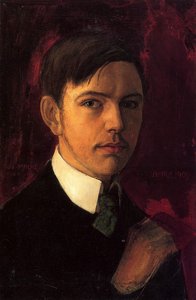
August Macke
1887 - 1914 , Saksa
Pähkinänkuoressa
- Artistic Movement Or Style: Expressionismi
- Artists Or Movements Influenced By This Artist: ['Der Blaue Reiter']
- Artists Who Influenced This Artist:
- Robert Delaunay
- Franz Marc
- Date Of Birth: 3 tammikuuta 1887
- Date Of Death: 26 syyskuuta 1914
- Full Name: August Robert Ludwig Macke
- Nationality: Saksalainen
- Notable Artworks:
- Nainen hattujen kanssa
- Gartentor
- Türkisches Café
- Place Of Birth: Meschede, Saksa